Perfect weekend in Vancouver, British Columbia.
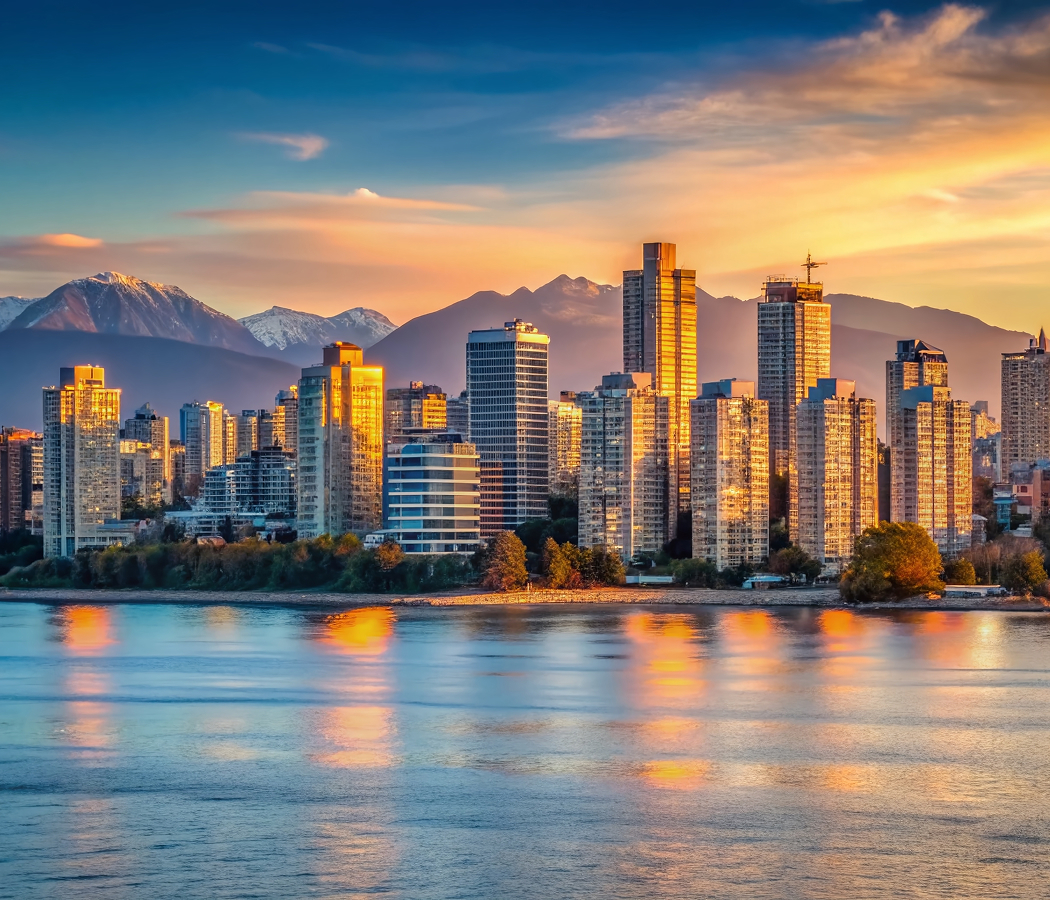
Vancouver's development into Canada's principal Pacific gateway emerged from the maritime traditions of Indigenous peoples, the expansion of British colonial settlement, and the commercial opportunities created by transcontinental transportation. Situated on the southwestern coast of British Columbia between Burrard Inlet and the Fraser River, the city occupies a dramatic geographical setting framed by the Coast Mountains and the waterways of the Salish Sea. The territories surrounding Vancouver have been inhabited for thousands of years by Indigenous peoples, including the Musqueam, Squamish, and Tsleil-Waututh Nations, whose communities established extensive relationships with the region's forests, rivers, and marine resources. European maritime exploration reached the surrounding coastline during the late eighteenth century, with George Vancouver surveying portions of the region in 1792. The establishment of sawmills along Burrard Inlet during the 1860s accelerated colonial settlement, attracting workers and commercial enterprises connected to British Columbia's expanding timber industry. The settlement of Granville developed around these industrial operations before incorporation as Vancouver in 1886, the same year a devastating fire destroyed much of the newly established municipality. Reconstruction proceeded rapidly, supported by the arrival of the Canadian Pacific Railway in 1887, which connected the Pacific coast with eastern Canada and strengthened Vancouver's position in international commerce. The opening of the Panama Canal in 1914 expanded maritime trading opportunities, reinforcing the city's importance as a transportation and shipping center. During the twentieth century, immigration from Asia, Europe, and other regions contributed to Vancouver's demographic expansion, commercial development, and increasingly international outlook. Expo 86 accelerated waterfront redevelopment and transportation investment, followed by further infrastructure improvements associated with the 2010 Winter Olympic Games. Vancouver subsequently developed into a prominent center of Pacific Rim commerce, film production, technology, and environmental planning, with its coastal geography continuing to shape the character of Canada's western metropolis.
Vancouver's artistic institutions, literary traditions, and culinary achievements draw upon the meeting of Pacific Northwest landscapes, Indigenous creative practices, and communities with origins throughout the world. The Museum of Anthropology at the University of British Columbia, housed in a building designed by architect Arthur Erickson, preserves extensive collections of Indigenous art and historical objects, including important works associated with the First Nations of the Northwest Coast. The Bill Reid Gallery of Northwest Coast Art celebrates the artistic contributions of the Haida artist whose sculptures, jewelry, and expansive works helped advance recognition of Indigenous artistic traditions. Vancouver's literary history includes writers such as Wayson Choy, whose fiction explored Chinese Canadian communities and the social history of the city's early neighborhoods, and Douglas Coupland, whose novels examined contemporary society and the transformations of late twentieth-century culture. The city's performing arts institutions include the Vancouver Symphony Orchestra, founded in 1919, and Ballet BC, whose contemporary productions contribute to Canada's professional dance traditions. Vancouver also developed into a significant center of film and television production, supported by established studio facilities, technical expertise, and the varied landscapes of southwestern British Columbia. Its culinary traditions reflect the abundance of Pacific seafood, the agricultural production of the Fraser Valley, and the influence of Chinese, Japanese, Indian, Korean, and Southeast Asian communities. Pacific salmon, Dungeness crab, spot prawns, and locally cultivated produce occupy prominent places in regional cooking, accompanied by culinary traditions extending from Cantonese dim sum and Japanese sushi to Punjabi specialties and contemporary Canadian cuisine. British Columbia's wine industry contributes additional regional character through vineyards concentrated in the Okanagan Valley and other established growing regions. A weekend in Vancouver unfolds between coastal mountains and historic neighborhoods, connecting Indigenous artistry, Pacific maritime history, international culinary traditions, and the creative institutions of Canada's western coast.
Three day itinerary.
Day 1: Canada Place
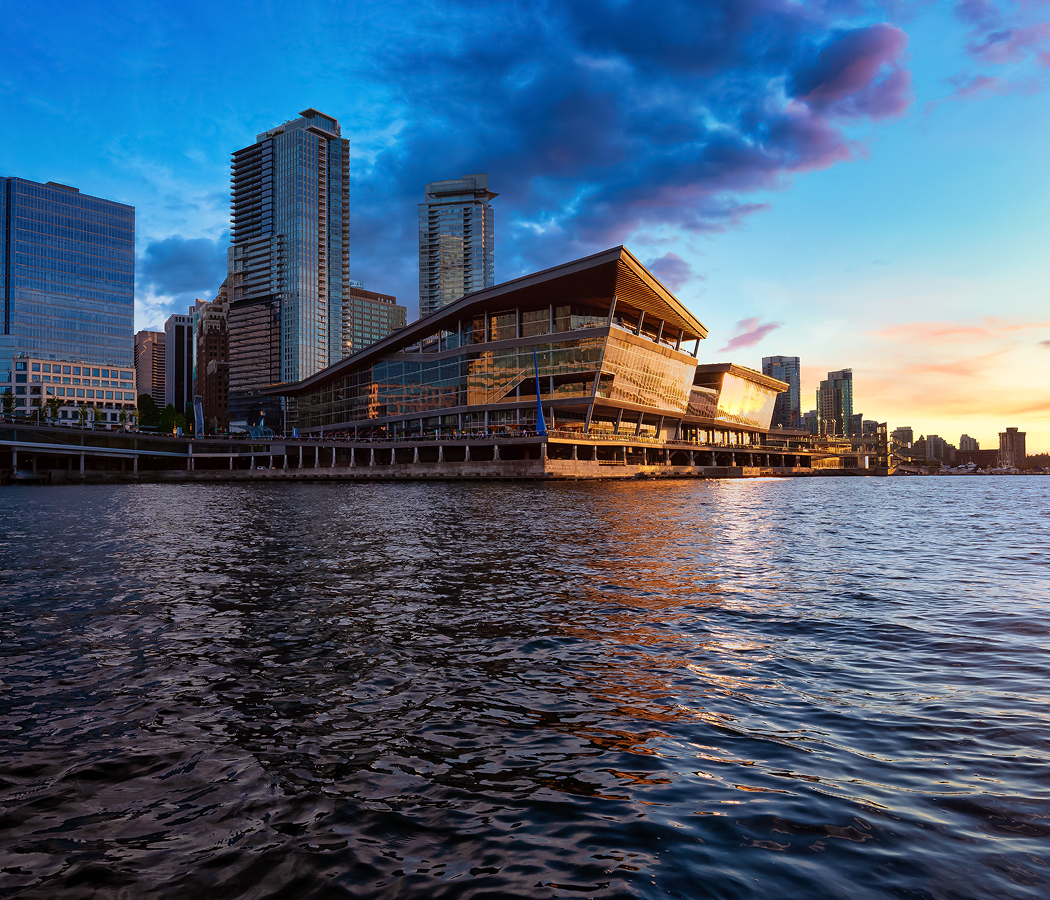
Canada Place is best known for transforming Vancouver's central waterfront through an immense complex created for Expo 86. Zeidler Roberts Partnership developed the terminal around five white fabric roofs whose sail-like profiles became inseparable from the city's harbor silhouette. The project incorporated the former Canadian Pacific Railway Pier B-C site, connecting the building with the transportation infrastructure that helped establish Vancouver as Canada's principal Pacific port. Its promenade projects into Burrard Inlet opposite the working harbor and North Shore Mountains, making maritime commerce physically visible from the downtown core. Canada Place subsequently became Vancouver's principal cruise terminal and a major gateway for Alaska-bound ships. The structure joins railway history, international exposition architecture, Pacific shipping, and Vancouver's emergence as a global waterfront city.
Day 1: Published on Main
Published on Main is best known for chef Gus Stieffenhofer-Brandson's intensely seasonal interpretation of British Columbia through ingredients gathered from regional farms, forests, fisheries, and producers. Preservation extends that regional focus across the year through fermentation, pickling, curing, and other techniques that capture ingredients beyond their brief natural seasons. Fraser Valley produce, Pacific seafood, game, cultivated plants, and foraged materials give the kitchen a distinctly western Canadian foundation. Stieffenhofer-Brandson builds individual preparations around peak ingredients, allowing the menu to change as British Columbia's growing conditions evolve. Published on Main holds one MICHELIN star, placing it among Vancouver's highest-ranked restaurants.
Day 2: Stanley Park
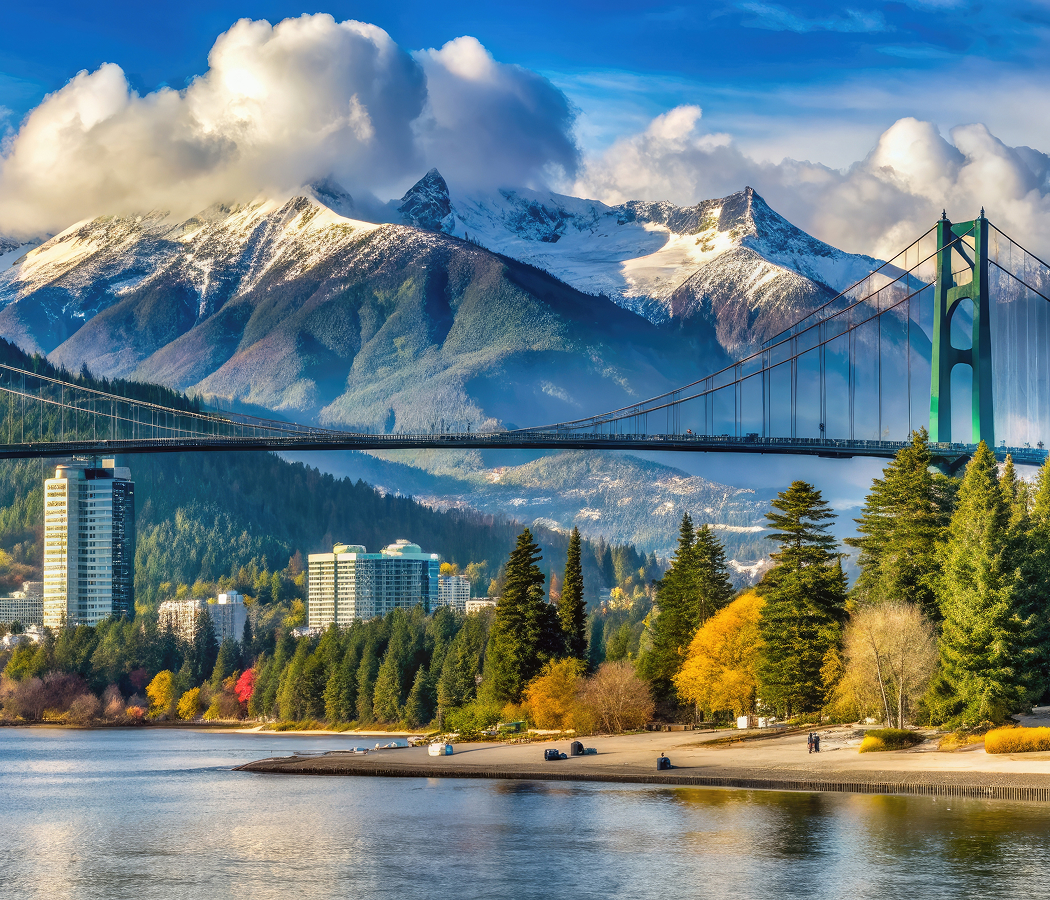
Stanley Park is best known for preserving more than four hundred hectares of forested peninsula immediately beside Downtown Vancouver. The federal government transferred the former military reserve to the city for park use during the nineteenth century, and Stanley Park formally opened in 1888. Its forests contain immense western red cedar, Douglas fir, and western hemlock within an ecosystem shaped by the temperate climate of coastal British Columbia. Indigenous history extends far deeper: Coast Salish peoples inhabited and used the peninsula for generations before colonial Vancouver developed around it. The seawall subsequently created a continuous recreational edge around forest, beaches, cliffs, and Burrard Inlet. Stanley Park gives Vancouver an extraordinary physical junction between dense metropolitan development, Indigenous history, Pacific rainforest, and the waters defining the city.
Day 2: Vij's
Vij’s is best known for Vikram Vij and Meeru Dhalwala's transformation of Indian cuisine into one of Vancouver's defining independent restaurant institutions. The restaurant emerged in the 1990s and developed a culinary character grounded in Indian spices, regional preparations, Canadian ingredients, and dishes shaped specifically for Vancouver. Lamb, seafood, poultry, vegetables, pulses, breads, chutneys, and layered spice mixtures form a repertoire whose richness depends on careful control of aromatics and sauces. Dhalwala played a formative role in the kitchen and in the development of recipes that expanded the restaurant's character beyond conventional regional categories. Vij's helped establish Indian cooking as a central component of Vancouver's serious restaurant culture. MICHELIN includes it among the city's Bib Gourmand selections.
Day 2: Granville Island
Granville Island is best known for converting an industrial district beneath the Granville Street Bridge into one of Vancouver's most successful centers of food, craft, theater, and urban public life. Reclamation created the land during the early twentieth century, and factories subsequently occupied the site as Vancouver's industrial economy expanded around False Creek. Deindustrialization left much of the district vulnerable to decline before a federally supported redevelopment during the 1970s redirected its warehouses and industrial buildings toward public uses. Granville Island Public Market became the project's commercial anchor, concentrating produce, seafood, meat, baking, prepared food, and specialty merchants under one roof. Studios, theaters, workshops, and educational institutions expanded the district beyond food. Granville Island established an influential model for adaptive reuse built around productive urban culture.
Day 2: Kissa Tanto
Kissa Tanto is best known for chefs Joël Watanabe and Takuya Motohashi's fusion of Japanese and Italian culinary traditions within Vancouver's historic Chinatown. Pasta, seafood, Japanese ingredients, Italian techniques, charcoal cooking, and carefully developed sauces intersect across a menu whose two culinary lineages remain clearly legible. The restaurant occupies an upper-floor space styled around the intimate jazz cafés that flourished in postwar Japan, giving its physical character a cultural foundation distinct from conventional fine dining. Vancouver's substantial Asian communities and Pacific geography give the kitchen a particularly fitting metropolitan context for this synthesis. Kissa Tanto holds one MICHELIN star, placing it among Vancouver's elite restaurants and giving the evening a far stronger city-specific character than Lupo.
Day 3: Botanist
Botanist is best known for chef Hector Laguna's refined exploration of British Columbia ingredients inside the Fairmont Pacific Rim. Pacific seafood, Fraser Valley produce, regional meat, wild ingredients, herbs, and cultivated plants give the kitchen a culinary geography extending from Vancouver's coast into the agricultural valleys and forests beyond the city. Laguna's cooking emphasizes the quality and seasonality of those products through precise contemporary preparations. The restaurant's garden-inspired interiors extend its botanical premise beyond the plate into the physical dining environment. Brunch carries the same regional sourcing into a daytime format, giving this position significantly greater destination relevance than a generic breakfast stop. MICHELIN specifically includes Botanist among Vancouver's leading brunch restaurants.
Day 3: Vancouver Art Gallery
Vancouver Art Gallery is best known for building one of western Canada's major visual-art collections and for its deep association with the work of Emily Carr. The institution originated in 1931 and later moved into the former provincial courthouse on Robson Square, a Neoclassical building designed by Francis Rattenbury. Arthur Erickson subsequently transformed the surrounding courthouse precinct during the redevelopment of Robson Square, embedding the gallery within one of Vancouver's defining works of civic architecture. Carr's paintings and works on paper established a major collection strength through their engagement with British Columbia forests, coastal landscapes, and Indigenous subjects. Canadian, Indigenous, historical, and contemporary art broaden the institution beyond that foundation. Vancouver Art Gallery occupies a central position in the cultural development of the city and the wider Pacific Northwest.
Day 3: Grouse Mountain
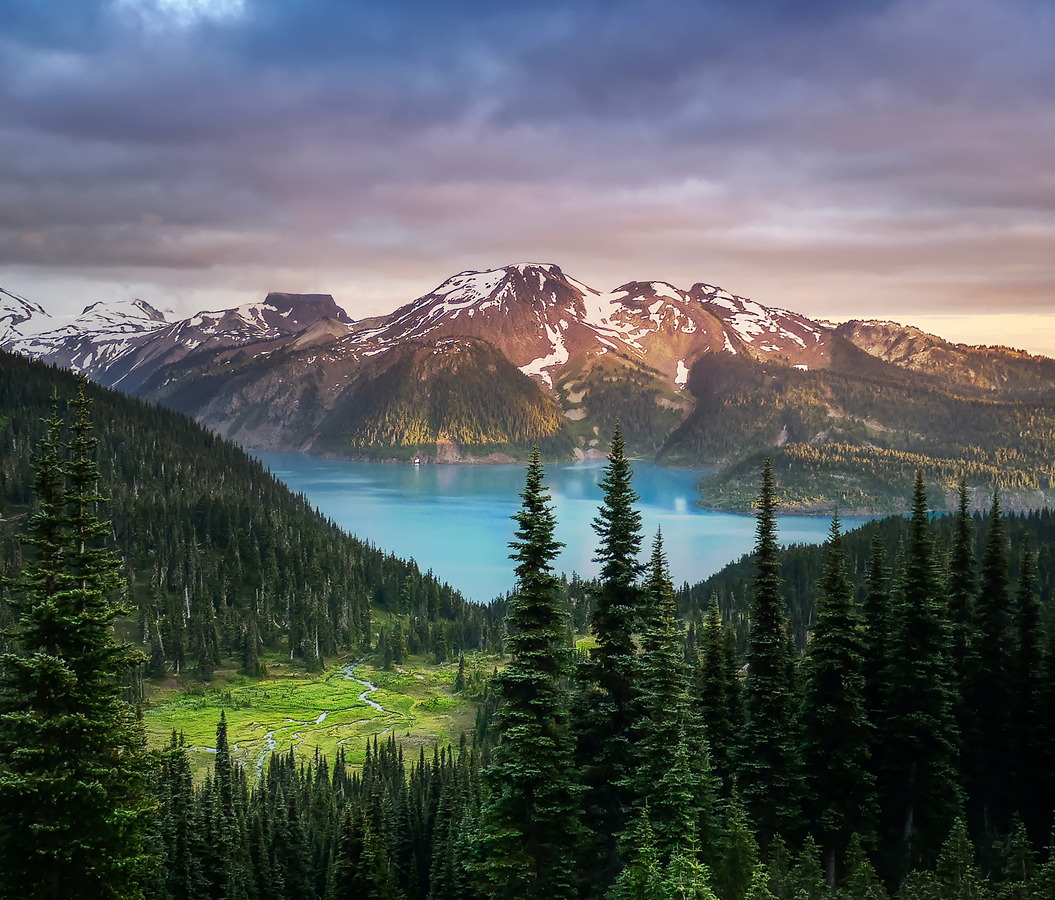
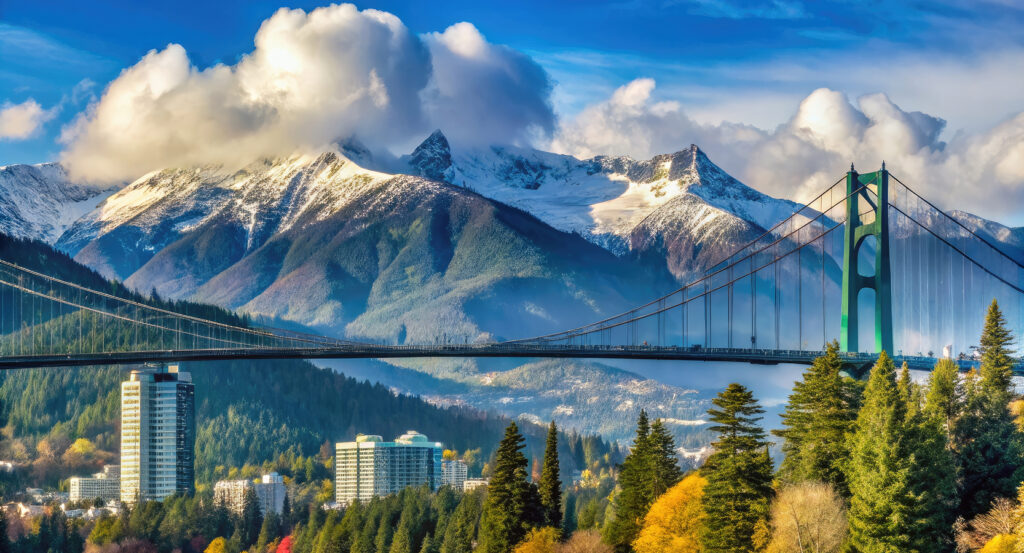
Grouse Mountain is best known for rising directly above metropolitan Vancouver as one of the North Shore Mountains most closely integrated with city life. Its slopes belong to the Coast Mountains, the immense range whose southern edge gives Vancouver its dramatic northern horizon. Early recreational climbers reached the summit during the late nineteenth century, and organized skiing subsequently established the mountain as an important local winter destination. Aerial lift development transformed access from an arduous ascent into a rapid journey from the forested lower slopes toward alpine terrain overlooking Burrard Inlet. The mountain's elevation creates expansive views across Vancouver, the Strait of Georgia, and surrounding peaks. Grouse Mountain makes the geological scale of coastal British Columbia immediately accessible from the urban core.
Day 3: St. Lawrence Restaurant
St. Lawrence Restaurant is best known for chef J.C. Poirier's deeply personal interpretation of Québécois cuisine through the techniques of classical French cooking. Poirier grew up in Québec before building his career in Vancouver, giving the restaurant a cultural foundation rooted in memory, regional dishes, and the French Canadian table. Rich sauces, pâtés, terrines, pastry, preserved ingredients, meat, seafood, and seasonal products form a repertoire shaped by both rustic Québec traditions and exacting restaurant technique. The intimate Gastown dining room gives those preparations a setting far removed geographically from their origins, turning the restaurant into a concentrated expression of French Canadian culinary character on the Pacific coast. St. Lawrence holds one MICHELIN star, making it a decisive elevation over Fanny Bay Oyster Bar for the final dinner.
Where your story begins.
Foresyte Travel reveals places that feel extraordinary long before you arrive.
Enjoy editorial crafted for luxury travelers.
Foresyte may earn a commission when you book.