Perfect weekend in Mont-Tremblant, Québec.
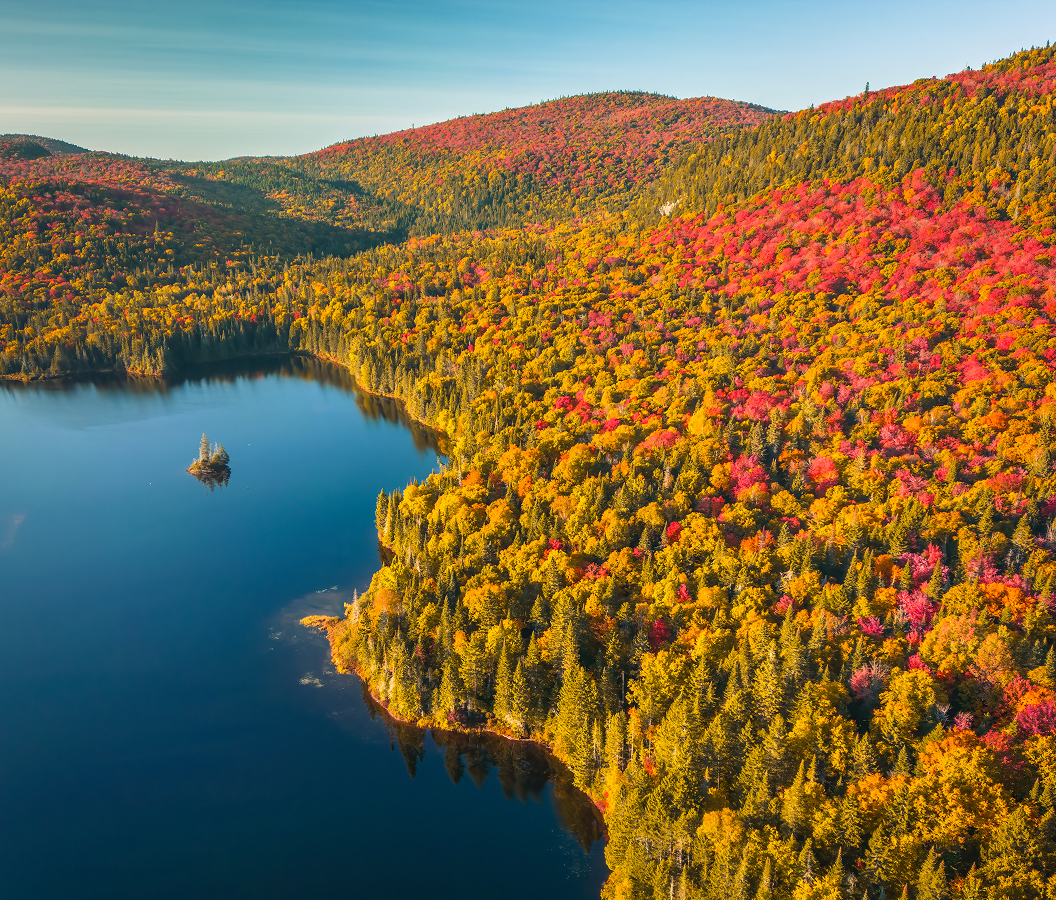
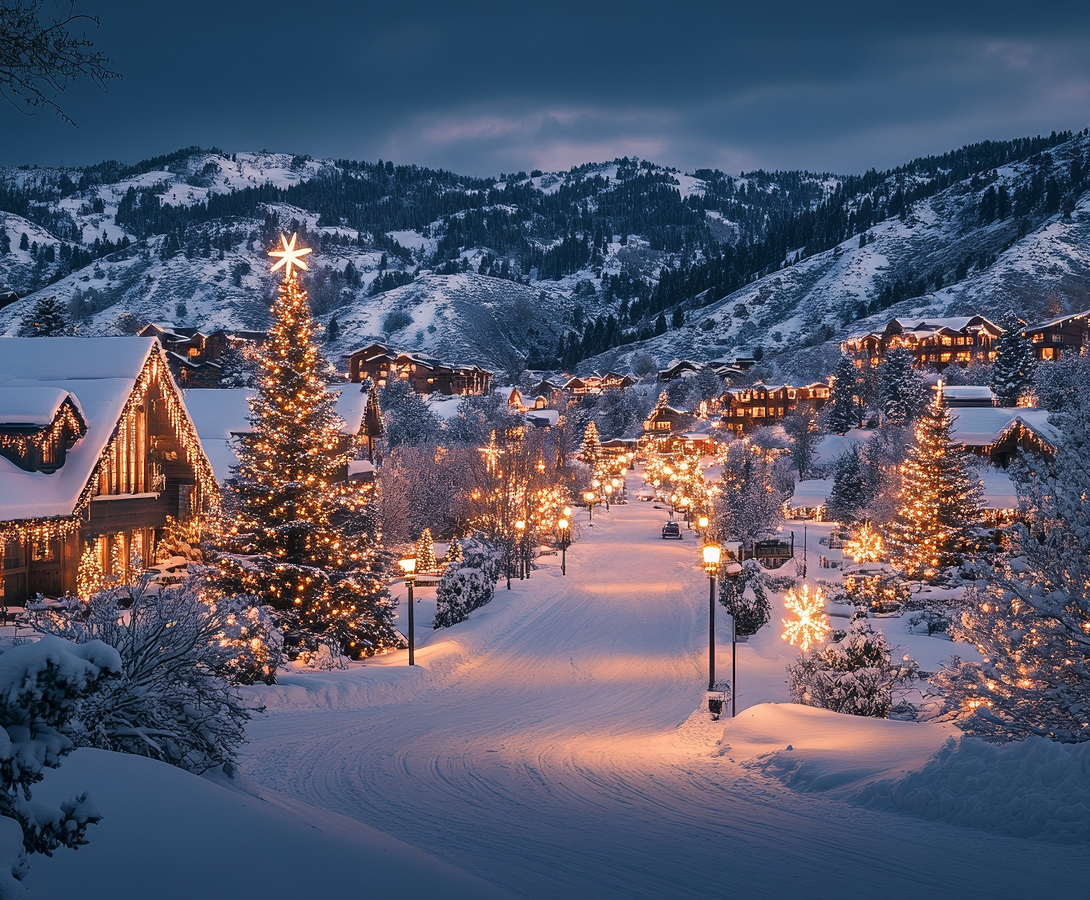
Mont-Tremblant's emergence as a celebrated mountain destination developed through centuries of Indigenous history, Laurentian settlement, forestry, and the establishment of one of eastern North America's most influential alpine recreation communities. Situated within the Laurentian Mountains northwest of Montréal, the region occupies a landscape of ancient Precambrian rock formations, forested valleys, and freshwater lakes shaped by successive periods of glaciation. The mountain's name derives from the French translation of an Indigenous name associated with trembling or shaking, reflecting longstanding cultural connections between the surrounding landscape and the First Nations of the region. Algonquin-speaking peoples maintained extensive relationships with the Laurentian territory through hunting, fishing, seasonal travel, and established waterways connecting the Ottawa River basin with the northern forests. French Canadian settlement expanded during the nineteenth century as agricultural colonization and logging enterprises brought permanent communities into the mountainous interior of Québec. The arrival of railway transportation strengthened connections with Montréal, encouraging the development of seasonal lodging and recreational activities around the region's lakes. Mont-Tremblant's transformation into an alpine destination accelerated in 1939 when American entrepreneur Joseph Bondurant Ryan established a ski resort on the mountain, introducing organized skiing and hospitality infrastructure to the Laurentians. The resort subsequently attracted generations of Canadian and international winter sports enthusiasts, contributing to the expansion of recreational facilities and residential communities throughout the surrounding valleys. Major investments during the late twentieth century transformed Mont-Tremblant into a four-season destination, strengthening its reputation for skiing, outdoor recreation, and mountain hospitality within Québec's Laurentian region.
Mont-Tremblant's cultural heritage combines French Canadian traditions, mountain sports history, regional craftsmanship, and a culinary culture shaped by Québec's forests, farms, and freshwater resources. The Laurentian region developed an influential tradition of landscape painting during the twentieth century, attracting artists interested in the seasonal changes, forested mountains, and rural settlements of southern Québec. The Laurentian Mountains also contributed substantially to the development of Canadian skiing, with pioneers including Jackrabbit Johannsen promoting cross-country skiing and winter recreation throughout the region. Mont-Tremblant's alpine heritage subsequently expanded through international competitions and sporting events that strengthened its position within Canadian winter sports culture. The nearby Parc national du Mont-Tremblant, established in 1895, protects extensive forests, rivers, lakes, and mountain ecosystems, representing one of Québec's oldest protected natural areas. Its landscapes support wildlife including moose, black bears, beavers, and numerous bird species associated with the northern hardwood and boreal forests. Regional culinary traditions draw upon Québec dairy production, maple syrup, locally cultivated vegetables, wild mushrooms, and freshwater fish, incorporating ingredients closely associated with the province's agricultural heritage. Traditional preparations include tourtière, pea soup, maple-based desserts, and dishes featuring regional cheeses and seasonal game. The Laurentians' contemporary dining culture has expanded these foundations through French culinary techniques, locally sourced ingredients, and interpretations of traditional Québécois cooking. A perfect weekend in Mont-Tremblant brings together Laurentian settlement history, alpine sporting traditions, forested mountain landscapes, and the distinctive gastronomy of Québec's northern countryside.
Three day itinerary.
Day 1: Old Village
Old Village is best known for preserving Mont-Tremblant's historic Laurentian settlement along the shores of Lac Mercier, separate from the purpose-built resort at the mountain. The district developed around a compact village environment whose railway connection once linked the region with Montréal and helped open the Laurentians to travelers. Its former station survives through Place de la Gare, connecting local cultural activity with the transportation history that preceded modern resort development. The corridor later became part of the recreational network associated with the P'tit Train du Nord. Inns, houses, small businesses, and the lakeshore retain the human scale of the older community. Old Village establishes Mont-Tremblant as a Laurentian settlement whose character extends beyond the ski mountain.
Day 1: Ekki Sushi
Ekki Sushi Tremblant at Bel Air Resort is best known for bringing a focused Japanese dining program to the forested Bel Air Resort outside Tremblant's principal village centers. Sushi and sashimi place raw fish, rice, knife work, temperature, and seasoning at the center of the kitchen, giving the restaurant a culinary character sharply differentiated from the French and Québécois cooking prevalent across the Laurentians. The setting shifts dinner away from the dense pedestrian resort into a contemporary mountain property surrounded by woodland. Ekki has built substantial regional recognition around this specialization and operates throughout the week. Its combination of destination setting and concentrated Japanese format gives it enough distinction to retain the opening dinner position.
Day 2: Panoramic Gondola
Panoramic Gondola is best known for connecting Tremblant's pedestrian village with the summit of Mont Tremblant through a direct ascent over the Laurentian landscape. The lift rises from the resort base through the mountain's forest cover, progressively exposing Lac Tremblant and the surrounding peaks as elevation increases. Its summit terminus opens onto hiking routes and a 360-degree observation tower during the warmer seasons, extending the ascent into a broader encounter with the mountain's topography. Tremblant's lift infrastructure traces its modern origins to the installation of the resort's first chairlift in 1939. The gondola represents the mature form of that mountain-access system, joining transportation with the panoramic geography that made Tremblant a major four-season resort.
Day 2: La Petite Cachée
La Petite Cachée is best known for sustaining an intimate Laurentian dining room between Tremblant's Old Village and mountain resort. The restaurant occupies a chalet-like setting on Chemin du Village, giving its dining room a geographic relationship with the wooded corridor connecting the region's older settlement and modern recreational center. French and contemporary influences shape a menu grounded in composed plates and substantial evening cooking. Its scale preserves the character of an independent mountain restaurant in a destination increasingly dominated by resort dining. More than culinary novelty, La Petite Cachée derives its strength from longevity, atmosphere, and a distinctly Laurentian sense of place. Those qualities make it the stronger lunch-position replacement for Mille Pâte et Délices.
Day 2: Lac Tremblant
Lac Tremblant is best known for forming the great body of water immediately beneath Mont Tremblant and giving the mountain its defining geographic setting. The long lake occupies the Laurentian landscape along the western side of the resort, separating developed mountain areas from heavily forested terrain. Its waters belong to a region shaped by ancient Precambrian rock, glaciation, forest, and an extensive network of lakes and rivers. Resort development progressively concentrated along portions of the shoreline as skiing transformed Tremblant during the twentieth century. The lake remains visually dominant from the mountain's upper elevations and summit approaches. Lac Tremblant gives the destination its essential relationship between mountain, water, forest, and the geological scale of the Laurentians.
Day 2: Choux Gras Brasserie Culinaire
Choux Gras Brasserie Culinaire is best known for bringing polished Québécois brasserie cooking into the Fairmont Tremblant at the base of the mountain. The restaurant's culinary character draws strength from Québec products and the French foundations that shaped the province's dining culture, placing meat, seafood, vegetables, dairy, and seasonal ingredients within a refined resort format. Its location directly within Tremblant's mountain environment gives dinner an immediate relationship with the destination's principal recreational landscape. Brasserie traditions provide enough structure for substantial cooking while retaining the conviviality appropriate to a Laurentian resort. Choux Gras represents one of the clearest intersections between Québec culinary character and Tremblant's luxury hospitality sector. Retained.
Day 3: Les Charlottes Brunch & Café
Les Charlottes Brunch & Café is best known for concentrating breakfast and brunch into a dedicated daytime restaurant in Mont-Tremblant's downtown sector. Eggs, breads, pastries, coffee, fruit, and composed morning dishes give the kitchen a more substantial breakfast character than a sandwich-focused café. Its position on Rue Labelle also expands the itinerary beyond the resort and Old Village into the commercial center historically associated with Saint-Jovite. That district developed independently of the mountain resort and remains Mont-Tremblant's principal civic and commercial center. Les Charlottes gives the morning position both culinary specialization and useful geographic depth, making it a decisive elevation over La Sandwicherie.
Day 3: Via Ferrata
Via Ferrata is best known for turning the cliffs above the Diable River into a protected climbing route through Mont-Tremblant National Park. Fixed cables, metal steps, handles, bridges, and engineered anchors allow movement across exposed rock faces that would otherwise require conventional technical climbing. The route places participants directly against the Laurentians' ancient bedrock above the river corridor, creating an unusually physical encounter with the geological structure of the region. Mont-Tremblant National Park originated in the nineteenth century and became Québec's first protected territory of its type, preserving an immense landscape of lakes, rivers, mountains, and forest. Via Ferrata introduces engineered vertical movement into that protected environment while keeping the mountain itself as the central subject.
Day 3: Ski Village
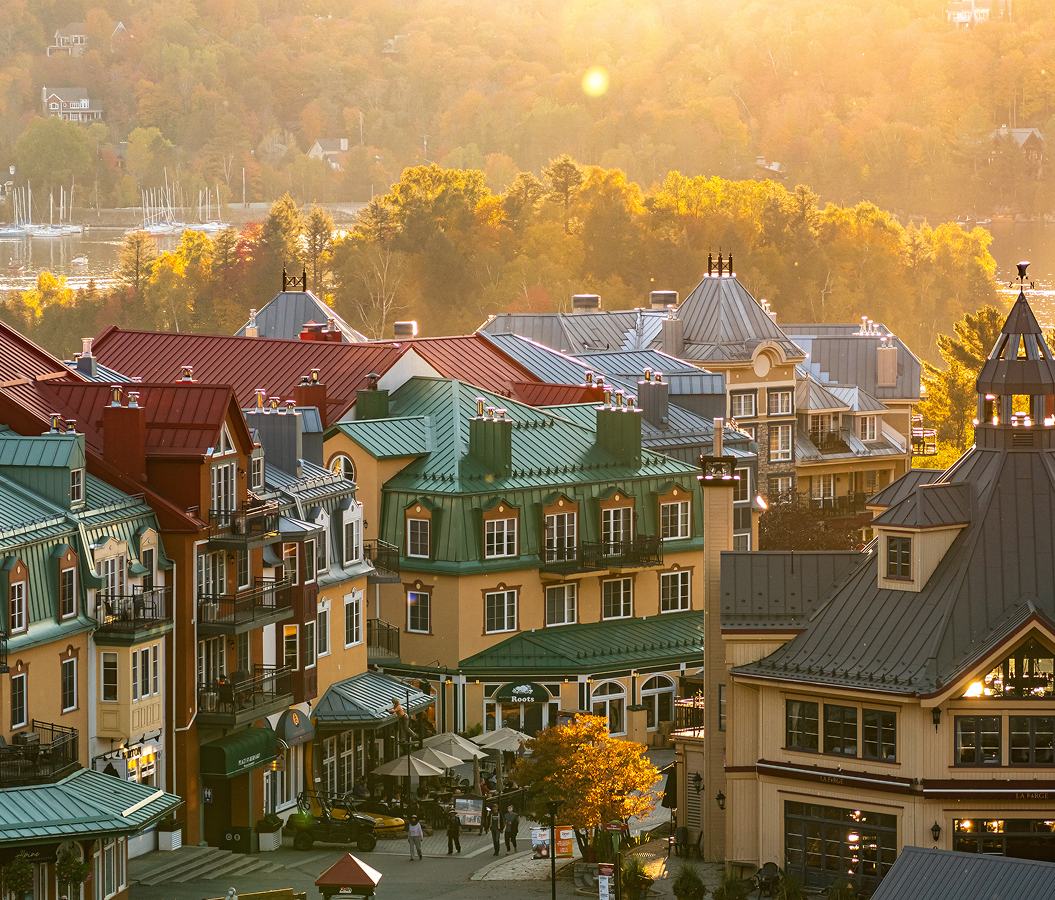
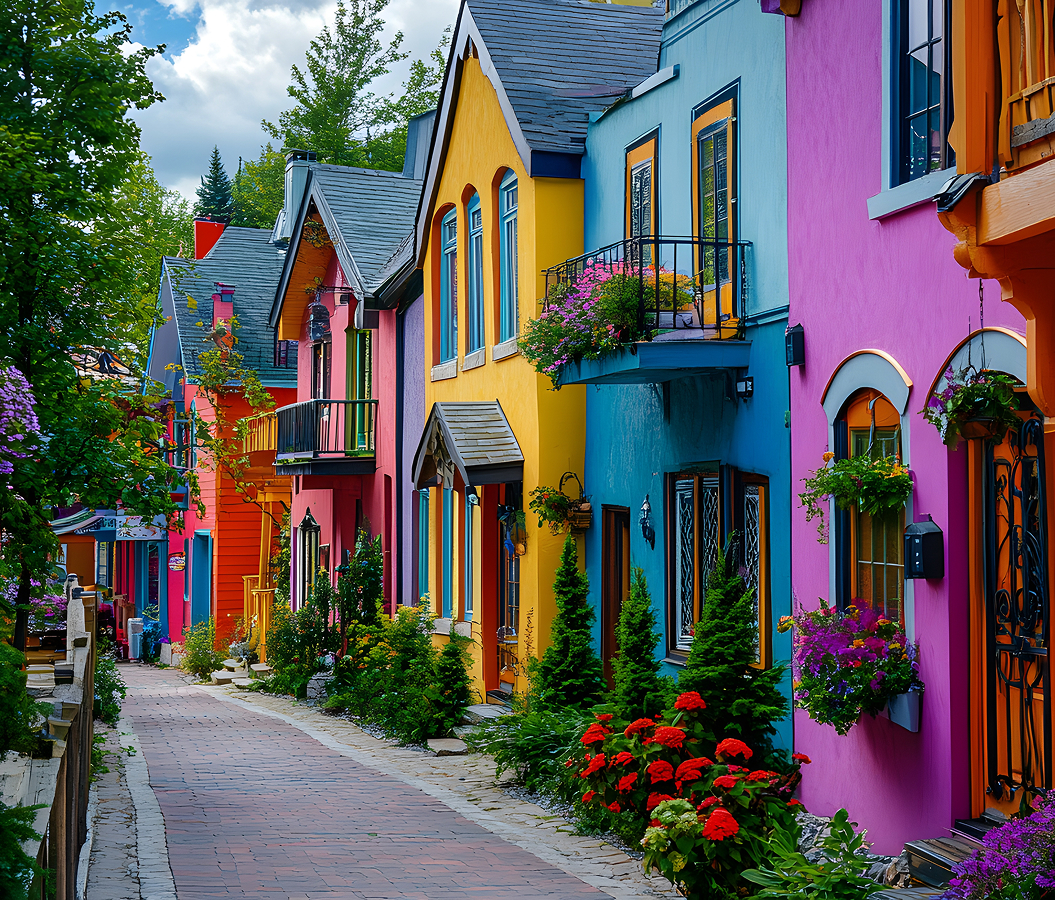
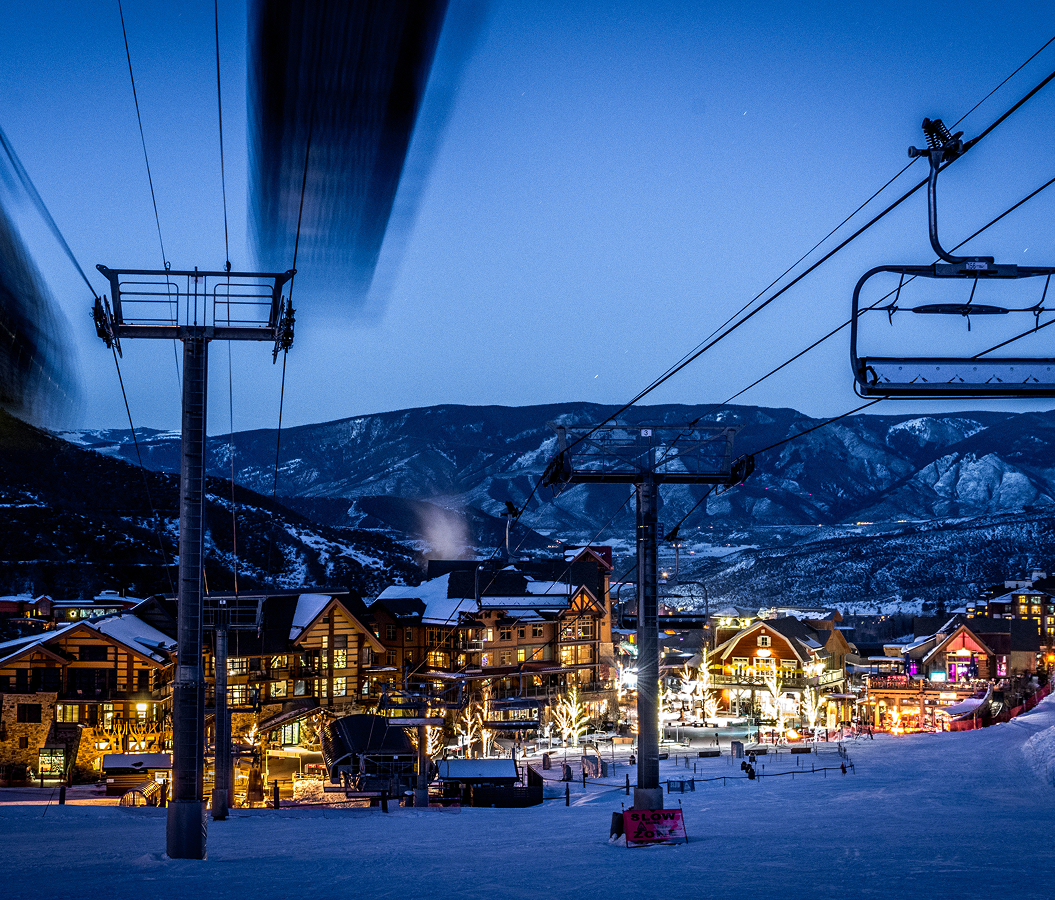
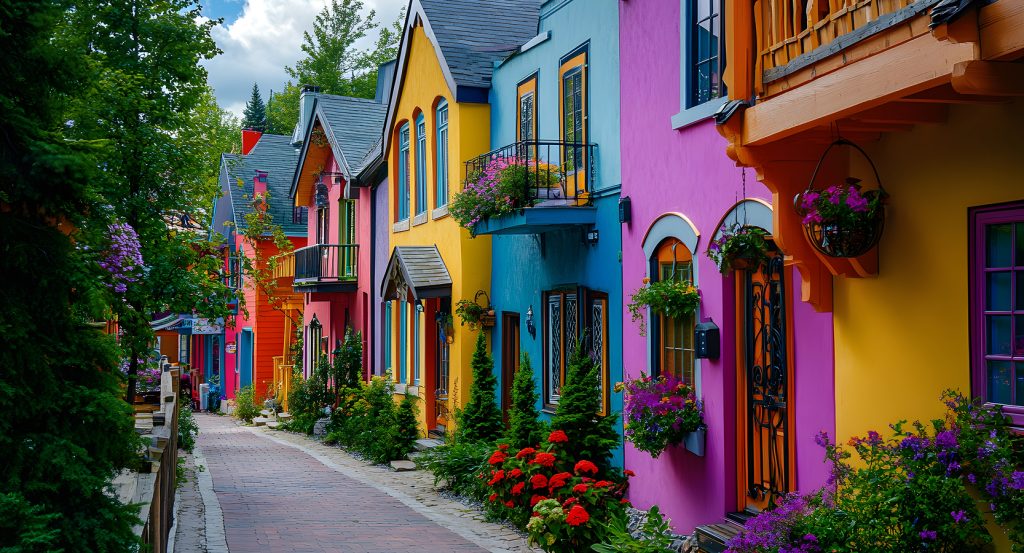
Ski Village is best known for concentrating the modern resort character of Tremblant at the foot of the mountain. Ski development began its decisive transformation in 1939 with the installation of the first chairlift, establishing the foundation for a destination that expanded far beyond its original winter infrastructure. The later pedestrian village organized lodging, restaurants, shops, public spaces, and lift access into a compact car-free resort center. The Cabriolet links its lower and upper levels before the mountain's larger lifts carry skiers and sightseers toward the summit. Colorful architecture gives the district a deliberately theatrical visual character distinct from the older settlement around Lac Mercier. Ski Village represents the commercial and recreational system that transformed Mont-Tremblant into a major North American mountain resort.
Day 3: sEb L'Artisan Culinaire
sEb L'artisan culinaire is best known for chef Sébastien Houle's intimate approach to contemporary Québécois cooking in Downtown Mont-Tremblant. The restaurant operates at a scale far removed from the large resort dining rooms, allowing the kitchen to concentrate on seasonal ingredients, carefully composed plates, and a distinctly chef-driven identity. Québec's French culinary inheritance provides the underlying structure, joined by products and flavors associated with the province's forests, farms, waterways, and changing seasons. Its Saint-Georges Street location places the final dinner in the historic Saint-Jovite commercial district, completing the itinerary beyond the mountain resort itself. The restaurant's combination of local authorship, regional character, and independent scale gives Mont-Tremblant a stronger closing meal than the original Aux Chantignoles.
Where your story begins.
Foresyte Travel reveals places that feel extraordinary long before you arrive.
Enjoy editorial crafted for luxury travelers.
Foresyte may earn a commission when you book.