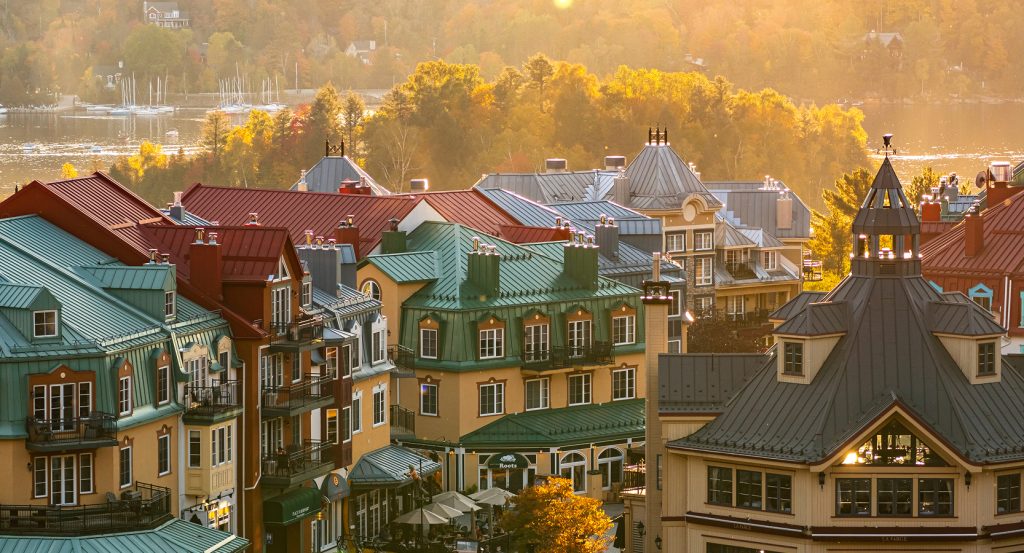
Why Tremblant Ski Resort matters.
Tremblant Ski Resort is a four-season alpine resort where Mont-Tremblant's Laurentian mountain heritage meets Joseph Bondurant Ryan's development of organized skiing in Quebec, the expansion of North American mountain tourism and the architectural transformation of a Canadian ski village.
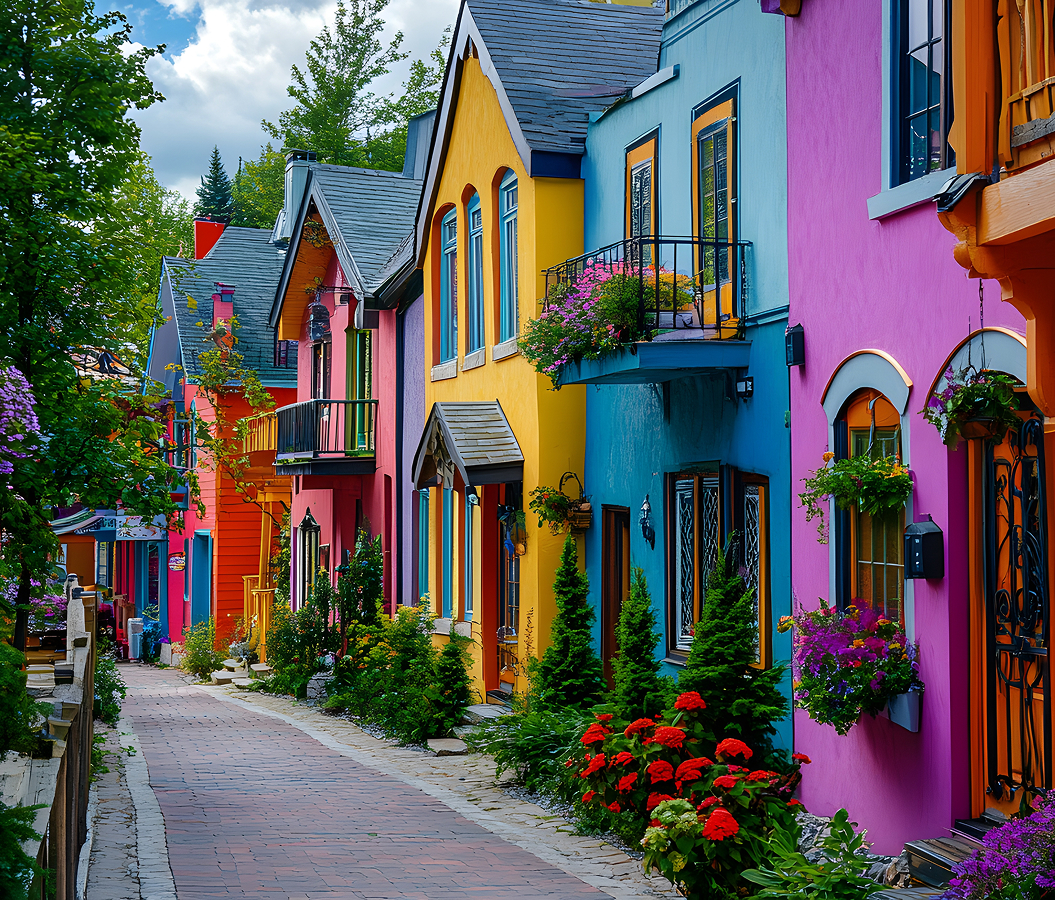
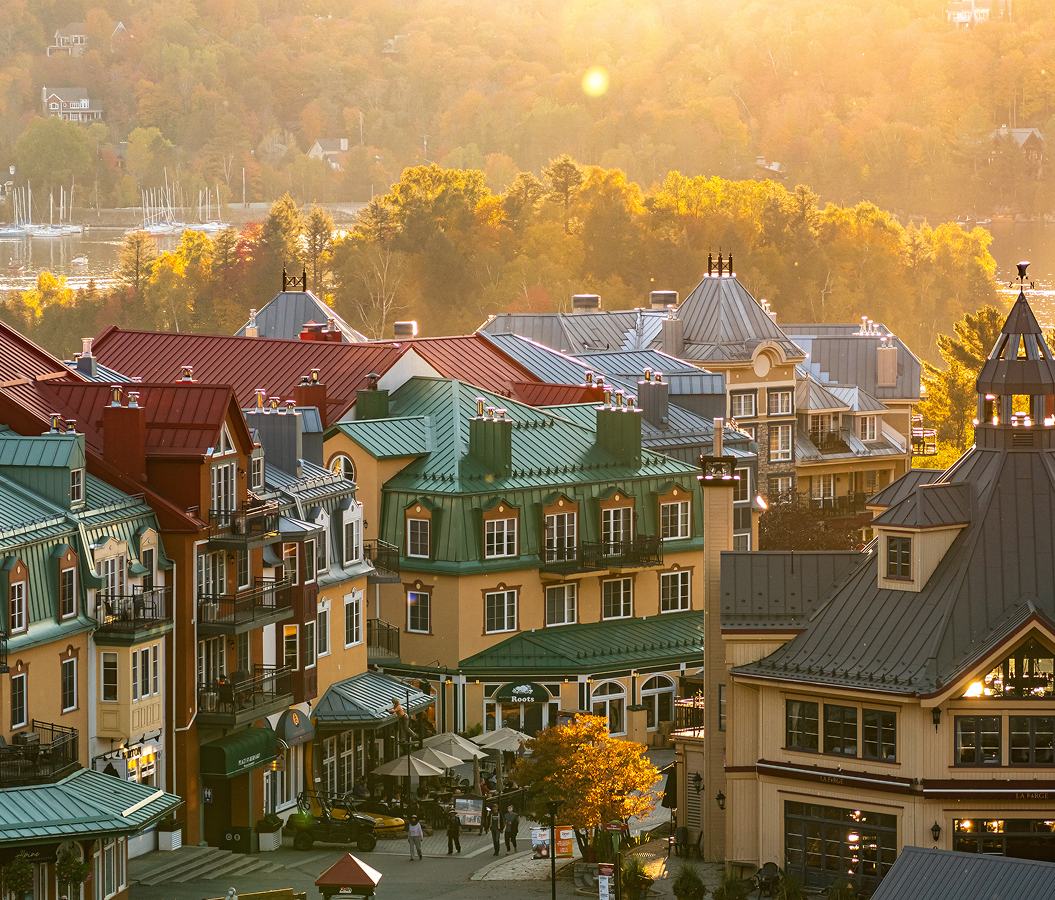
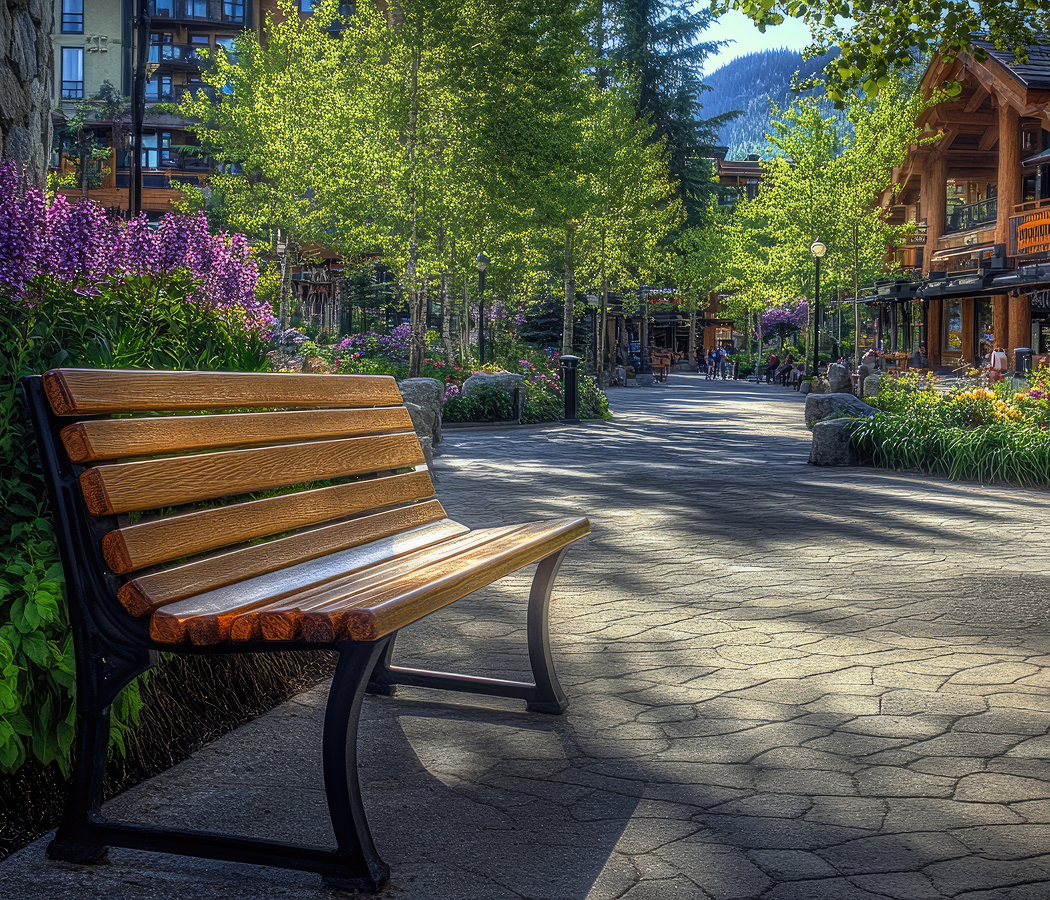
Set along Chemin des Voyageurs near Chemin Duplessis and just steps from Place Saint-Bernard, the resort occupies Mont Tremblant's southern base, where pedestrian streets climb toward the mountain's lower ski slopes above Lac Tremblant and the forested ridges surrounding the Rivière du Diable valley. Steeply pitched roofs and painted façades define the compact village streets. Public squares connect accommodation buildings, restaurants and mountain access facilities across several changes in elevation. A network of lifts extends from the developed base toward the upper slopes. The result is a mountain settlement organized around alpine transport, pedestrian circulation and the Laurentians' pronounced seasonal changes.
What defines Tremblant Ski Resort.
Tremblant Ski Resort is best known for its development under American entrepreneur Joseph Bondurant Ryan, its extensive alpine skiing terrain and its transformation into one of eastern North America's principal mountain recreation centers. Ryan first encountered Mont Tremblant during the 1930s, when skiing in the Laurentians was expanding through improved transportation and organized winter sports. The mountain's elevation, substantial snowfall and proximity to Montreal provided the foundations for a commercial ski operation. Ryan established the resort in 1939, introducing ski lifts, accommodation and facilities intended to attract recreational skiers. The original development included the Mont Tremblant Lodge, which became the center of the early resort settlement. The opening coincided with a period when alpine skiing was gaining popularity across Canada and the northeastern United States. Early operations depended on railway connections, road access and the growing availability of specialized skiing equipment. Ryan's resort helped establish the mountain as a destination for organized alpine recreation beyond the smaller skiing centers surrounding Montreal. The mountain's infrastructure expanded through the following decades as lift technology and recreational demand changed. Canadian skiing competitions and international sporting events strengthened Tremblant's association with competitive alpine skiing. The resort underwent a major transition in 1991 when Intrawest acquired the property and initiated a comprehensive redevelopment program. The investment introduced a purpose-built pedestrian village, expanded accommodation and substantial improvements to mountain infrastructure. The redesigned base incorporated Quebec-inspired architectural forms within a coordinated arrangement of streets, squares and commercial buildings. Subsequent development broadened the resort's recreational program to include golf, cycling, hiking and other seasonal activities. The mountain's continued operation preserves the relationship between Ryan's original skiing enterprise and the large-scale resort development that followed.
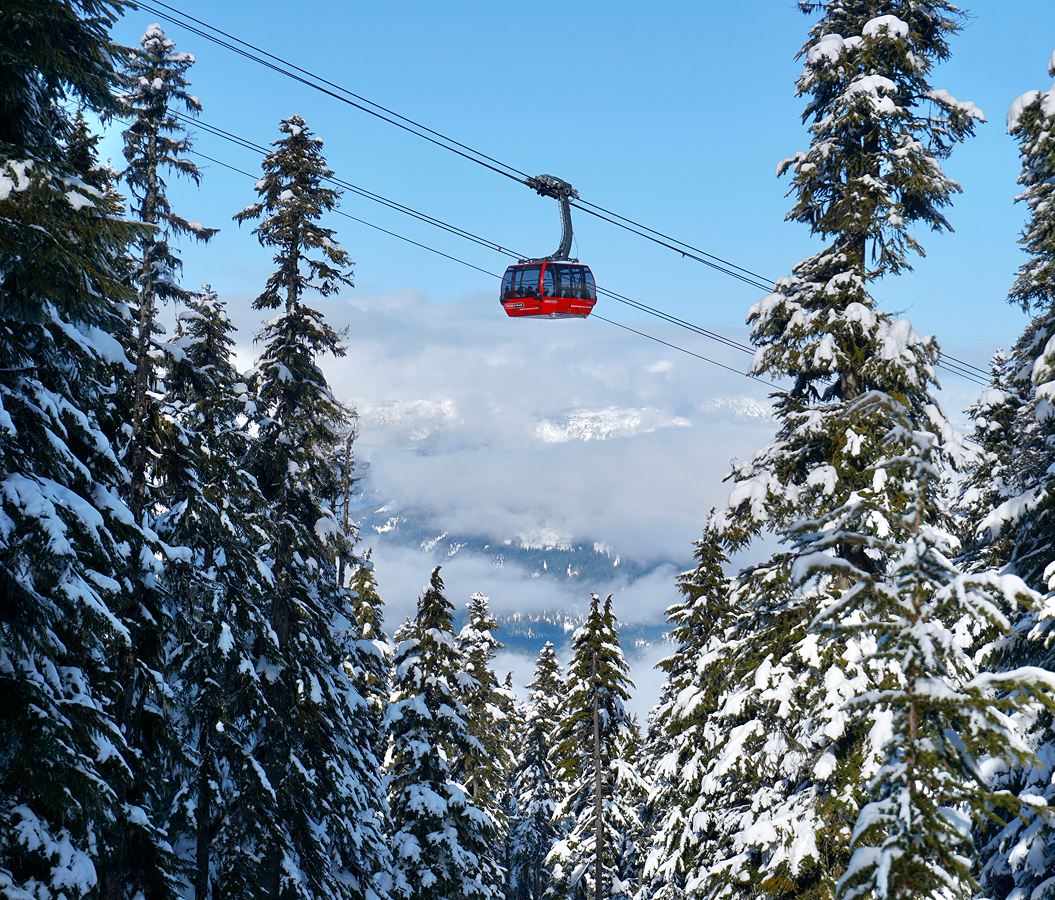
Joseph Bondurant Ryan's original conception of a mountain retreat remains central to the resort's organization around skiing, accommodation and access to the summit. Mont Tremblant rises to 875 meters above sea level, providing a substantial vertical descent across its developed slopes. The ski area extends across several mountain faces, including the South Side, North Side, Soleil Side and Edge sector. Their differing orientations create variations in terrain, sunlight and exposure to prevailing weather. The South Side connects directly with the pedestrian village, concentrating principal mountain access facilities near the resort's commercial center. The North Side contains additional downhill terrain reached through the interconnected lift network. The Soleil Side occupies a separate mountainside with its own sequence of ski runs and access routes. The Edge sector incorporates wooded terrain associated with the mountain's more demanding skiing areas. The Panoramic Gondola connects the pedestrian village with the summit through enclosed cabins traveling above forested slopes and cleared trails. Additional chairlifts distribute skiers across the mountain's upper and intermediate elevations. Snowmaking equipment supplements natural snowfall on designated runs, supporting the preparation of downhill terrain during the winter season. Grooming operations maintain selected trails for recreational skiing, and specialized areas accommodate more advanced techniques. The resort's ski school provides instruction across different ability levels, extending the mountain's function beyond competitive and experienced skiing. Summer operations use portions of the lift and trail infrastructure for sightseeing, hiking and mountain recreation. The mountain's changing seasonal conditions connect the engineered ski area with the forests, rock formations and steep valleys characteristic of the Laurentians.
How Tremblant Ski Resort fits.
Tremblant Ski Resort works as the alpine centerpiece for a Mont-Tremblant itinerary connecting the region's historic settlement, lakeside recreation and the protected mountain landscapes of Quebec's Laurentians.
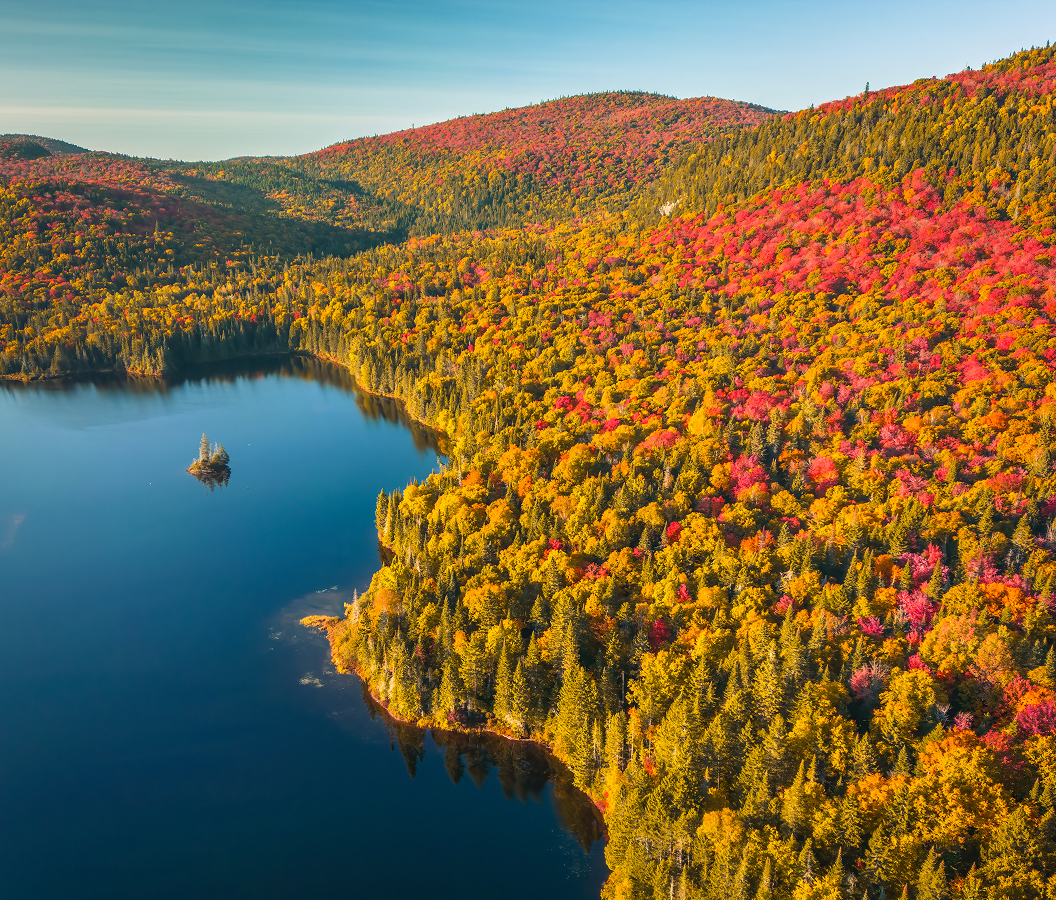
Begin at Mont-Tremblant Old Village, the former village settlement situated southwest of the resort near Lac Mercier. The community developed through nineteenth-century colonization and the expansion of railway transportation into the Laurentian Mountains. Its streets contain timber houses, cottages and small commercial properties associated with the region's residential and recreational history. The former railway corridor became part of P'tit Train du Nord, a recreational trail extending through the Laurentians. Parc Plage provides public access to Lac Mercier through a sandy beach and landscaped waterfront grounds. The settlement preserves the earlier scale of mountain tourism before the construction of Tremblant's purpose-built resort village. Continue to Lac Tremblant, the elongated mountain lake extending beneath the resort's southwestern slopes. The lake occupies a basin shaped by geological and glacial processes within the Canadian Shield. Forested hills descend toward its irregular shoreline, enclosing sheltered coves and wooded residential properties. Its waters support seasonal boating, swimming and other recreational activities associated with the region's summer tourism. The northeastern shore contains waterfront facilities connecting the mountain's recreational development with the lake. The surrounding terrain provides views of the Laurentian ridges and the mountain's descending ski runs. Conclude at Mont-Tremblant National Park, the protected landscape established in 1895 and recognized as Quebec's oldest provincial national park. Its extensive territory contains forests, lakes, rivers and mountain valleys extending across the Laurentides and Lanaudière regions. The park's establishment originated in efforts to protect natural resources and regulate land use within the Laurentian highlands. Its ecosystems support moose, black bears and numerous bird species. Recreational routes provide access to forested slopes, river corridors and mountain lakes. The progression moves from historic Laurentian settlement through lakeside recreation and culminates in a protected mountain landscape, connecting Tremblant Ski Resort with the region's transportation, tourism and environmental history.
Where your story begins.
Foresyte Travel reveals places that feel extraordinary long before you arrive.
Enjoy editorial crafted for luxury travelers.
Foresyte may earn a commission when you book.