Fun facts about Dubai, United Arab Emirates.
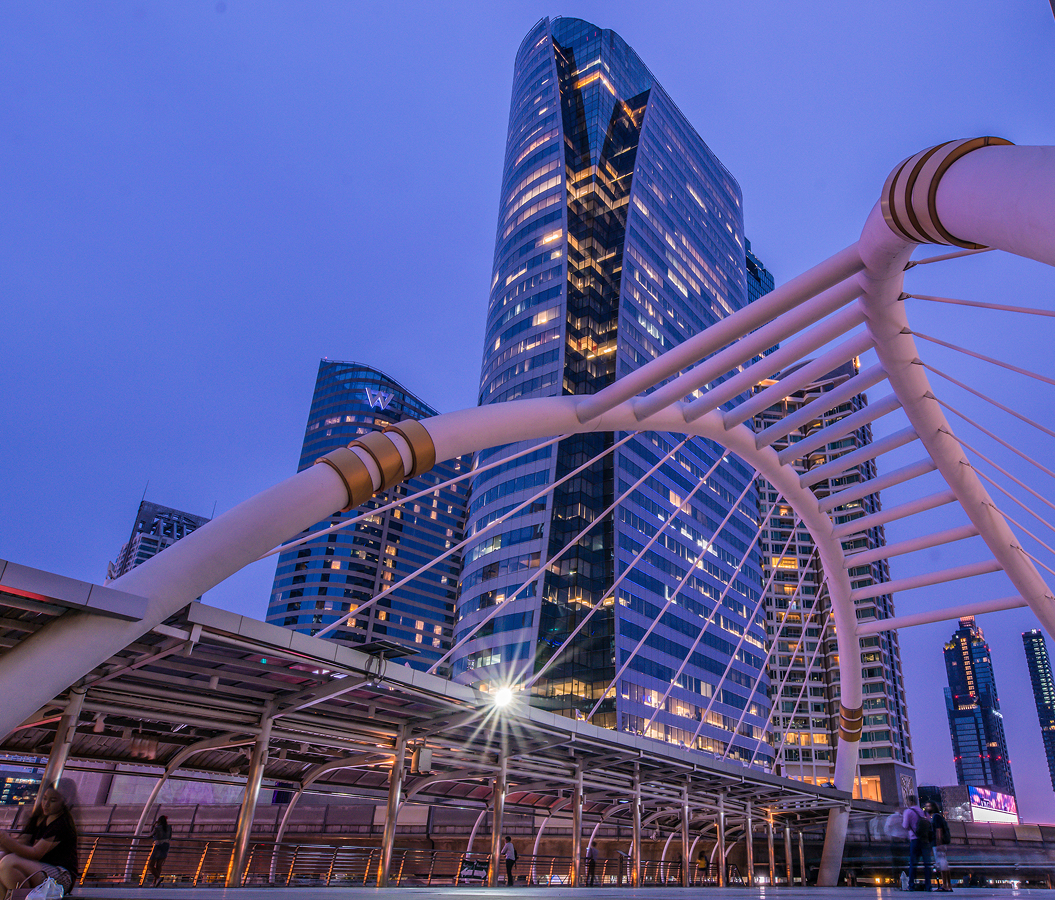
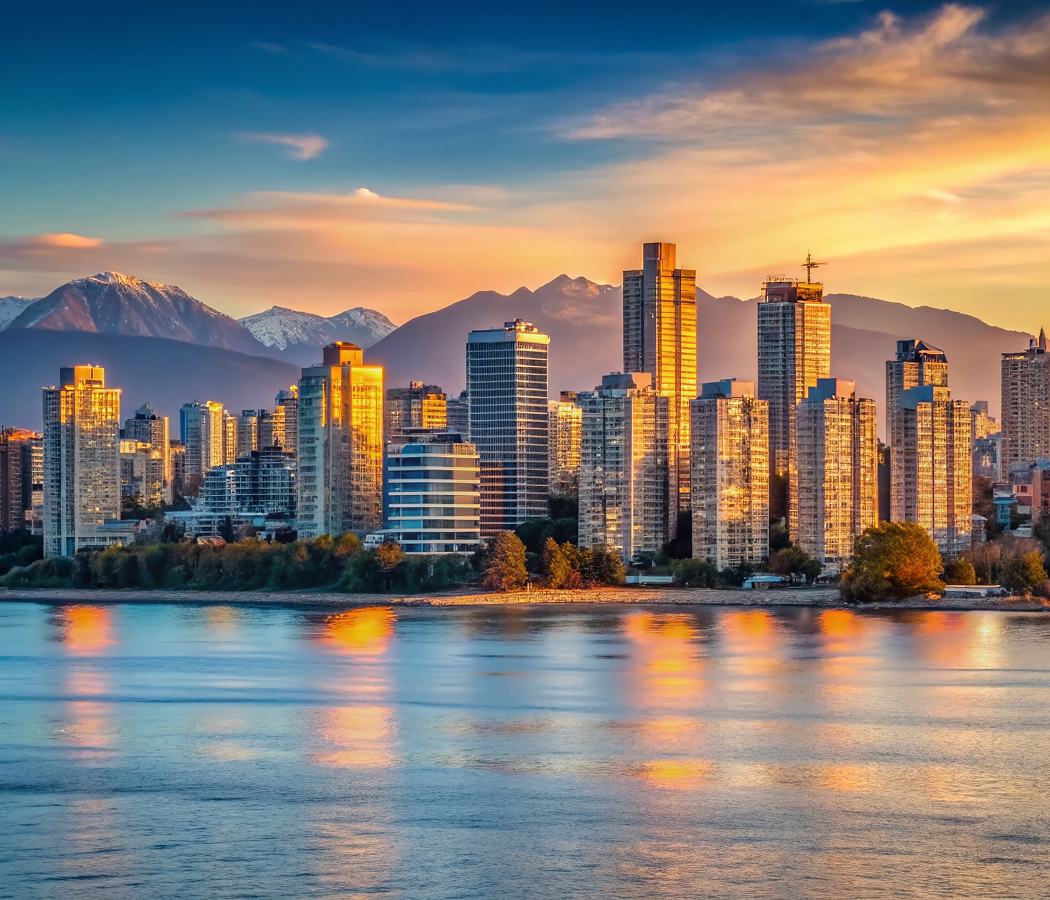
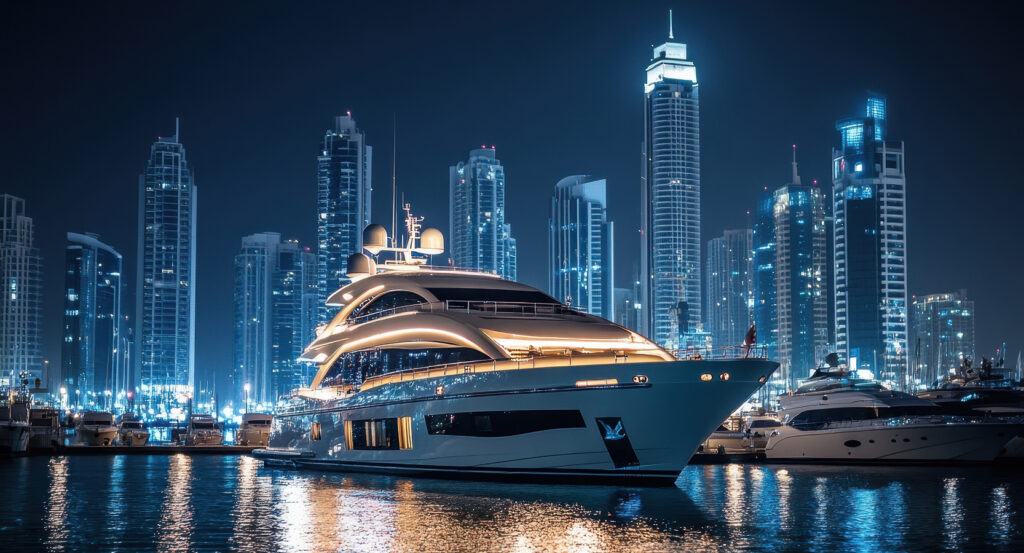
Dubai has transformed from a modest trading settlement on the shores of Dubai Creek into one of the world's most ambitious cities, where record-breaking architecture, luxury resorts, and innovative engineering have redefined the modern skyline. Landmarks including the Burj Khalifa, the Burj Al Arab, The Dubai Mall, and the striking Dubai Fountain have become internationally recognized symbols of the city, while districts such as Downtown Dubai, Dubai Marina, Deira, and Al Fahidi Historical Neighborhood reveal how centuries of heritage continue to exist alongside remarkable contemporary development. Every neighborhood contributes to a destination renowned for continually pushing the boundaries of what a city can become.
Beyond its famous skyline, Dubai fascinates through an extraordinary combination of culture, entertainment, and desert landscapes. Visitors can browse the traditional Gold Souk and Spice Souk, cross Dubai Creek aboard a historic abra, admire immersive art at Museum of the Future, or explore the expansive gardens and waterfront promenades surrounding Palm Jumeirah and Bluewaters Island, home to Ain Dubai. From indoor skiing at Ski Dubai and luxury shopping throughout the Mall of the Emirates to desert safaris across the surrounding dunes, Dubai continually surprises visitors with experiences that combine innovation, hospitality, and Arabian tradition.
Perhaps Dubai's greatest fascination is its remarkable ability to reinvent itself while preserving the cultural character that shaped its rise. Historic wind-tower buildings stand beside soaring skyscrapers, thriving traditional markets thrive alongside luxury shopping destinations, and peaceful beaches complement one of the world's fastest-evolving urban skylines. Whether watching the city from the observation decks of the Burj Khalifa, relaxing along Jumeirah Beach, exploring the energetic waterfront at Dubai Marina, or experiencing the performance of Global Village, visitors quickly discover that Dubai's enduring appeal lies in its relentless ambition and its ability to continually redefine the possibilities of modern travel.
Five fascinations.
5. Dubai once relied on pearl diving long before oil transformed its economy.
Before skyscrapers and global aviation reshaped Dubai, pearl diving formed a crucial part of life along the Gulf. Crews spent months at sea during the pearling season, with divers repeatedly descending to oyster beds using simple equipment and tremendous physical endurance. The industry supported merchants, sailors, boatbuilders, and trading networks connecting Dubai with markets abroad. Cultured pearls and the economic shocks of the early twentieth century devastated the trade, leaving pearling as an extraordinary reminder of the maritime economy that preceded modern Dubai.
4. The Burj Al Arab stands on an artificial island built specifically for the hotel.
The Burj Al Arab rises from its own artificial island 280 meters offshore, an engineering decision that allowed its sail-shaped silhouette to define the coastline without placing the enormous structure directly on the beach. Construction required engineers to secure the building in Gulf sands using deep foundation piles while protecting the reclaimed island from waves with specially designed concrete armor units. A private bridge connects the hotel to the mainland. The result transformed an ambitious piece of coastal engineering into one of the architectural symbols that first announced Dubai's global luxury aspirations.
3. Dubai created islands shaped like a palm tree using sand and rock.
Palm Jumeirah radically altered Dubai's coastline through one of the world's most recognizable land-reclamation projects. Engineers formed its trunk, 17 fronds, and surrounding crescent primarily from enormous quantities of sand and rock, creating new waterfront territory in the Persian Gulf. Satellite positioning technology helped place material with sufficient precision to produce the palm-shaped plan at immense scale. The development added miles of shoreline and became a physical expression of Dubai's distinctive approach to urban growth: when desirable coastal land was limited, the city manufactured more of it.
2. The Burj Khalifa's shape helps protect it from the wind.
At 828 meters, Burj Khalifa confronts wind forces that become increasingly powerful and complex at extreme height. Architect Adrian Smith and the engineering team developed a Y-shaped plan organized around a reinforced-concrete buttressed core, with the tower stepping inward as it rises. Those setbacks alter the building's profile repeatedly, disrupting the formation of organized wind vortices that might otherwise produce stronger structural movement. The result is more than a record-breaking silhouette. The architecture itself helps confuse the wind, making the world's tallest building an enormous aerodynamic machine.
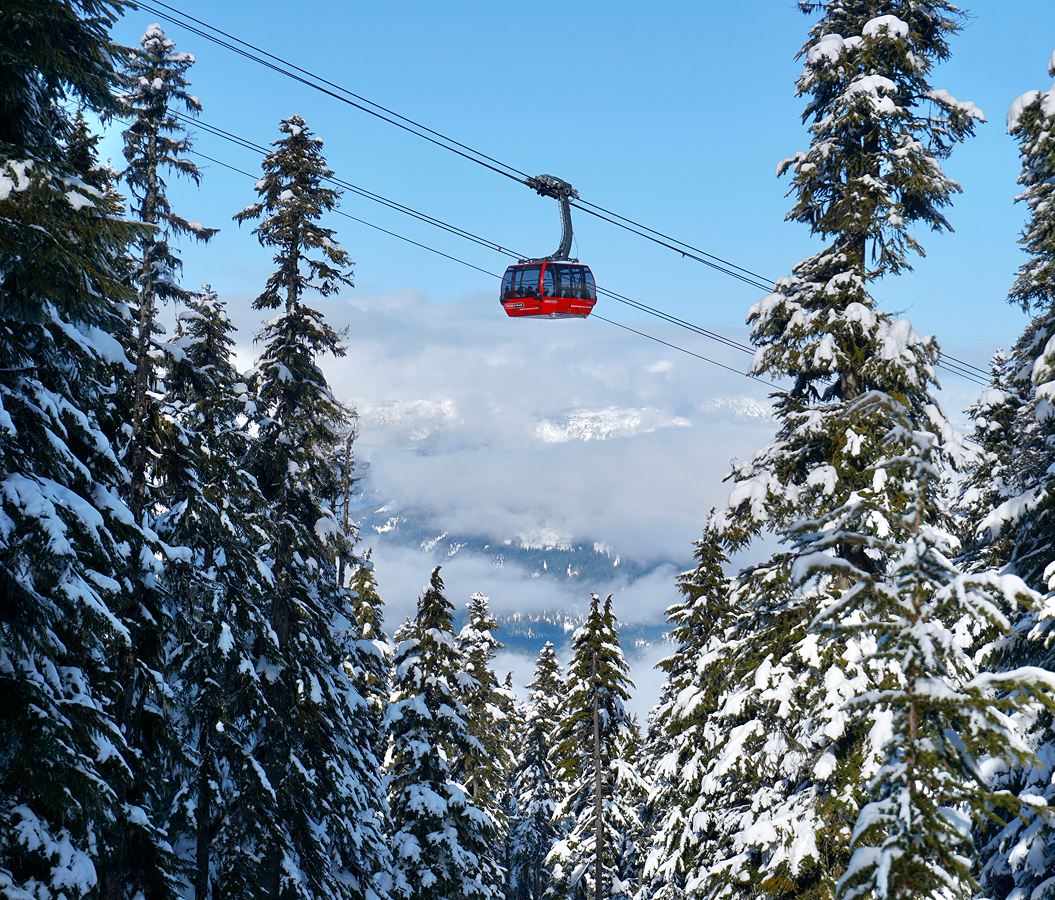
1. Dubai built a mountain and ski slope inside a shopping mall.
Ski Dubai opened inside Mall of the Emirates in 2005, creating an indoor winter environment in a desert city where summer temperatures routinely climb above 40 degrees Celsius. Its enormous insulated enclosure maintains subzero conditions across ski runs, lifts, snow-covered terrain, and other winter attractions while the surrounding city experiences extreme heat. Snow is produced within the controlled environment. The contrast captures something fundamental about modern Dubai: engineering, energy, architecture, and performance combine to create experiences that deliberately challenge the expectations imposed by the surrounding landscape.
Where your story begins.
Foresyte Travel reveals places that feel extraordinary long before you arrive.
Enjoy editorial crafted for luxury travelers.
Foresyte may earn a commission when you book.