Fun facts about San Francisco, California.
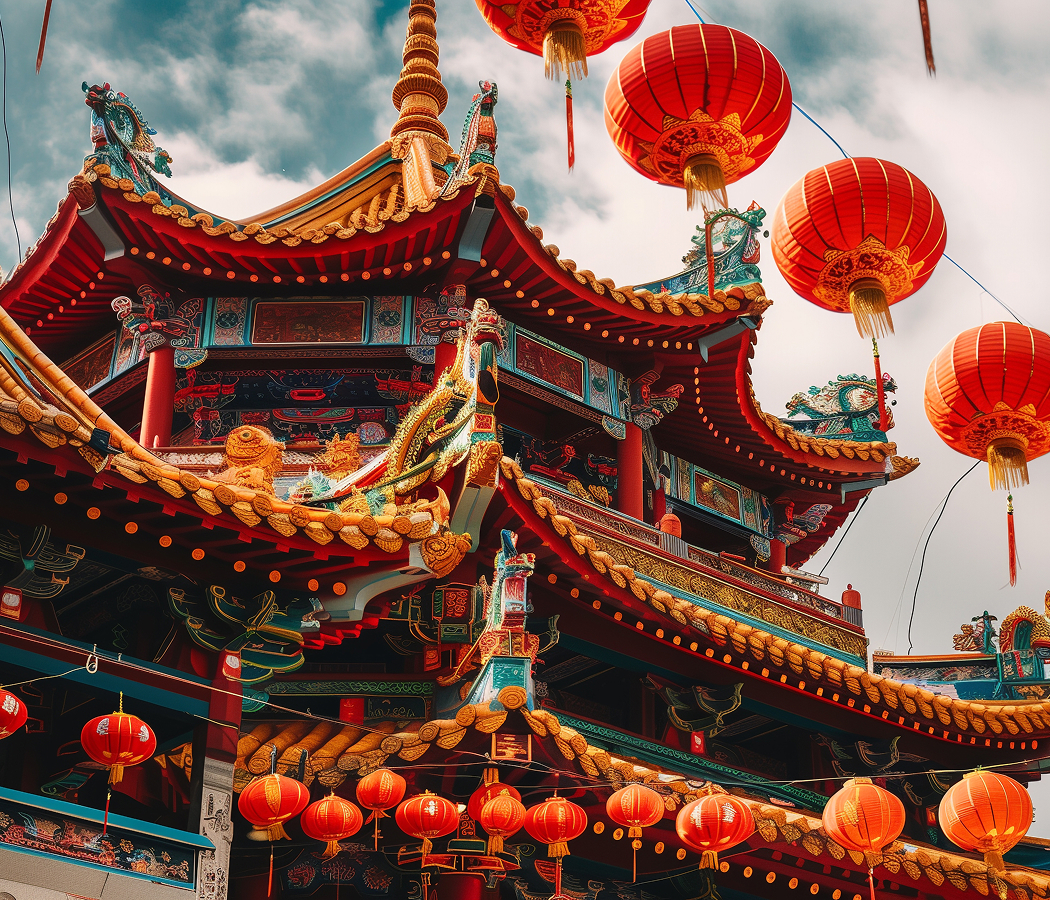
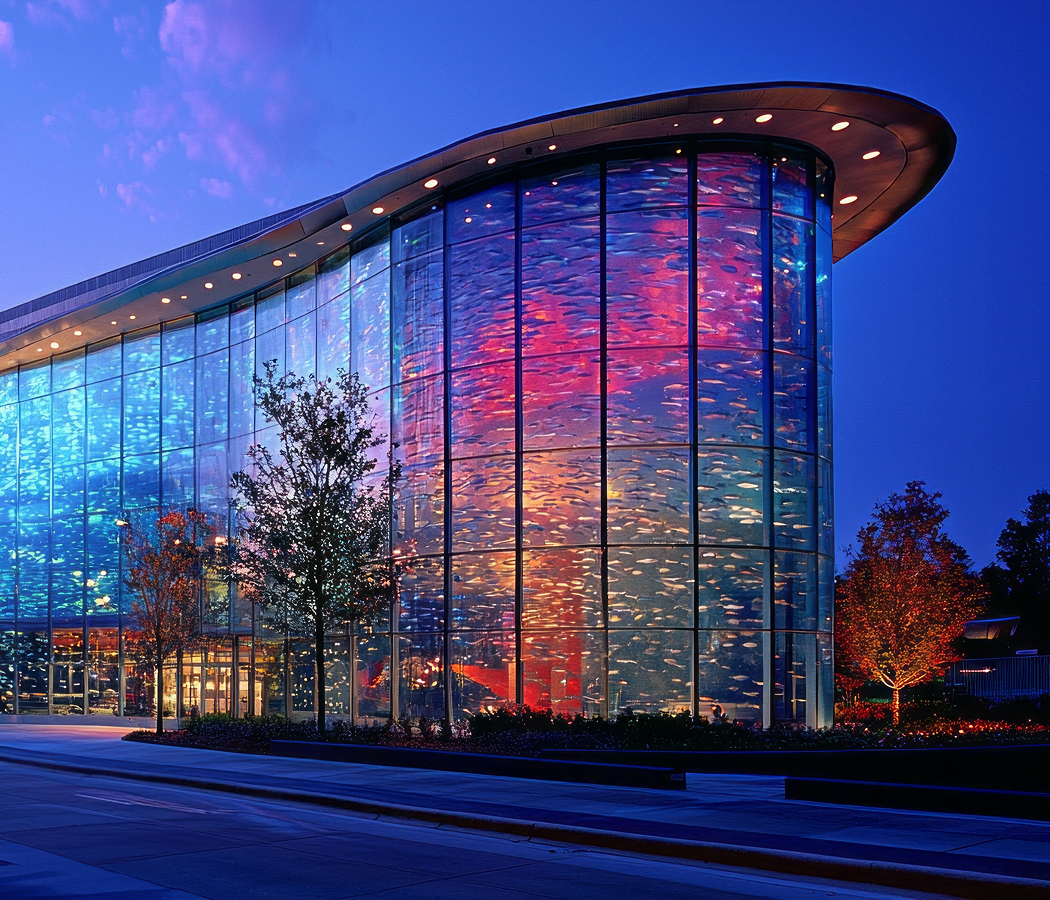
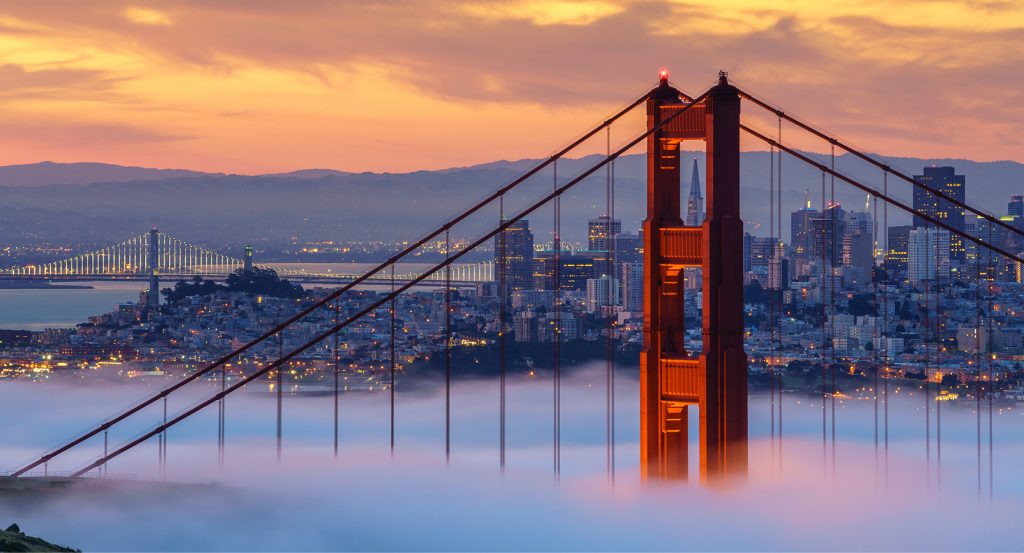
San Francisco rises across a narrow peninsula between the Pacific Ocean and San Francisco Bay, where steep hills, dramatic waterfronts, and densely developed neighborhoods create an urban landscape distinguished by remarkable topographic variation and successive generations of architectural innovation. The city's celebrated hills developed through complex geological processes associated with the California Coast Ranges, with resistant rock formations and extensive fault systems contributing to its distinctive physical setting. The historic downtown occupies the northeastern waterfront, where nineteenth-century commercial streets expanded through land reclamation and the construction of wharves, warehouses, and financial institutions. The Financial District preserves an imposing collection of commercial towers, including the Transamerica Pyramid, completed in 1972, whose sharply tapered silhouette became one of the city's defining modern landmarks. Nearby, the Ferry Building, opened in 1898, presents an elegant Beaux-Arts composition distinguished by its expansive clock tower and prominent position along the Embarcadero. The waterfront promenade extends northward toward Fisherman's Wharf, where historic maritime facilities, commercial piers, and former industrial structures preserve elements of the city's working harbor. Telegraph Hill rises above the northeastern neighborhoods, crowned by Coit Tower, completed in 1933 and celebrated for its interior murals depicting California life during the Great Depression. North Beach occupies the surrounding slopes through a compact network of cafés, historic residences, and commercial streets associated with Italian American settlement and twentieth-century literary culture. Chinatown extends westward from the Financial District, preserving one of North America's most recognizable historic immigrant neighborhoods through densely developed streets, traditional commercial institutions, and buildings incorporating Chinese-inspired decorative elements. Nob Hill presents another distinctive architectural environment through grand hotels, historic apartment buildings, and the expansive Grace Cathedral, whose Gothic Revival design reflects the ambitions of early twentieth-century San Francisco. The city's celebrated cable car system, introduced in 1873, developed as an engineering response to its steep terrain, preserving a distinctive form of urban transportation through surviving routes connecting downtown with the northern waterfront. Westward, the Painted Ladies of Alamo Square represent the city's extensive Victorian and Edwardian residential inheritance, with elaborately ornamented façades and colorful architectural details overlooking the downtown skyline. The surrounding neighborhoods preserve substantial collections of Italianate, Queen Anne, and Stick-style houses constructed during the nineteenth century. Golden Gate Park extends across the western portion of the peninsula through an immense landscaped corridor developed from former sand dunes, incorporating gardens, lakes, museums, and recreational grounds. The California Academy of Sciences, redesigned by Renzo Piano and reopened in 2008, introduces a contemporary architectural landmark distinguished by its living roof and environmentally responsive design. The de Young Museum, designed by Herzog & de Meuron, presents another striking composition through its copper-clad exterior and observation tower overlooking the park. At the northern entrance to the bay, the Golden Gate Bridge spans the strait between San Francisco and Marin County through an immense suspension structure completed in 1937. Designed under the leadership of chief engineer Joseph Strauss, with important contributions from Charles Alton Ellis and Leon Moisseiff, the bridge became an internationally celebrated achievement of twentieth-century engineering. The nearby Presidio preserves former military buildings, wooded landscapes, and coastal viewpoints within an extensive national park setting. Southward, the Mission District retains a varied collection of historic residential buildings, neighborhood commercial corridors, and public murals that reflect the city's Latino cultural inheritance. San Francisco's physical character arises from the interaction between its dramatic peninsula geography, historic residential architecture, expansive infrastructure, and the continuous adaptation of urban neighborhoods to changing economic and social conditions.
Californian cultural innovation acquired some of its most influential expressions in San Francisco, where immigrant communities, literary experimentation, independent music, visual arts, and movements for social liberation developed into a creative environment whose influence extended across the United States and beyond. The city's cultural inheritance reflects successive waves of migration, particularly through Chinese, Italian, Irish, Japanese, Mexican, and other communities whose institutions, religious traditions, and commercial enterprises transformed the social landscape of the Pacific Coast. Chinatown became a principal center of Chinese American cultural life, sustaining linguistic traditions, community organizations, religious institutions, and culinary practices through generations of political exclusion and demographic change. The city's Japanese American community established important cultural institutions in Japantown, although the forced incarceration of Japanese Americans during the Second World War profoundly disrupted neighborhood life. San Francisco's literary character acquired international prominence during the 1950s through the Beat Generation, whose writers challenged conventional approaches to morality, artistic expression, and American social values. Jack Kerouac, Allen Ginsberg, and Lawrence Ferlinghetti became closely associated with the city's literary environment, particularly through North Beach and City Lights Bookstore, established in 1953. Ginsberg's first public reading of Howl at the Six Gallery in 1955 became a defining event in postwar American poetry, introducing a dramatic literary voice that confronted sexuality, materialism, and political conformity. During the 1960s, the Haight-Ashbury neighborhood became an international symbol of the counterculture, attracting musicians, artists, and activists who experimented with communal living, psychedelic art, and alternative political philosophies. The Summer of Love in 1967 brought widespread attention to the neighborhood and its associated cultural movements. San Francisco's musical influence expanded through bands including the Grateful Dead, Jefferson Airplane, and Big Brother and the Holding Company, whose performances contributed to the development of psychedelic rock. The city's LGBTQ+ communities subsequently played a central role in the American movement for sexual liberation and equal rights, particularly through the Castro District and the political leadership of Harvey Milk, who became one of the first openly gay elected officials in California in 1977. The assassination of Milk and Mayor George Moscone in 1978 became a defining moment in the city's political history. San Francisco's visual arts institutions include the San Francisco Museum of Modern Art, whose collections encompass influential developments in modern painting, sculpture, photography, and contemporary media. The Asian Art Museum preserves another major cultural inheritance through extensive collections representing artistic traditions across Asia. The city's performing arts environment developed through the San Francisco Symphony, San Francisco Opera, and San Francisco Ballet, whose international reputations strengthened its position within American classical music and dance. San Francisco's culinary traditions reflect the abundance of Northern California agriculture and the influence of immigrant communities, with sourdough bread, Dungeness crab, and seafood preparations becoming enduring regional specialties. The city's restaurant culture contributed significantly to the development of modern American cooking through chefs and restaurateurs who emphasized seasonal ingredients, regional agriculture, and international culinary techniques. The Ferry Building Marketplace became an influential center for artisanal food production and local agricultural commerce, connecting the city's historic waterfront with contemporary food culture. San Francisco's technological environment introduced another powerful creative dimension through its relationship with Silicon Valley, digital entrepreneurship, and the development of internet-based services that transformed communication, commerce, and contemporary social life. The city's cultural significance reflects the convergence of immigrant enterprise, literary rebellion, musical experimentation, civil rights activism, and technological imagination within one of America's most influential urban communities.
Five fascinations.
5. San Francisco's cable cars survive because citizens fought to save them.
Cable cars once formed an extensive transportation network across San Francisco, using continuously moving underground cables to pull vehicles over the city's steep terrain. By the mid-twentieth century, buses threatened the remaining system with elimination. Preservationist Friedel Klussmann organized a successful public campaign beginning in 1947, helping secure the survival of key routes. San Francisco ultimately retained a functioning piece of nineteenth-century transportation technology long after comparable systems disappeared elsewhere. The surviving cable cars are more than nostalgic symbols: they represent a rare historic transit system preserved through organized civic action.
4. Golden Gate Park was created from windswept sand dunes.
Much of the land that became Golden Gate Park bore little resemblance to its present landscape of forests, lawns, gardens, lakes, and cultural institutions. During the nineteenth century, the western edge of San Francisco consisted largely of shifting coastal sand dunes. Engineer William Hammond Hall developed the park's initial plan, and horticulturalist John McLaren later guided decades of landscape development. Stabilizing the sand required carefully selected vegetation before more elaborate plantings could flourish. The resulting park transformed difficult coastal terrain into an immense constructed landscape stretching from the city's interior toward the Pacific Ocean.
3. San Francisco rebuilt much of its downtown after one of America's greatest urban disasters.
The earthquake of April 18, 1906 ruptured the San Andreas Fault and inflicted catastrophic damage across San Francisco. Fires subsequently burned for days, destroying vast sections of the city and leaving hundreds of thousands of residents displaced. Reconstruction proceeded with extraordinary speed as the commercial center, neighborhoods, transportation infrastructure, and civic buildings rose again. The disaster permanently altered building practices and intensified scientific study of earthquakes and fault systems. Much of the architectural San Francisco associated with the early twentieth century emerged from an immense reconstruction campaign following the destruction of its predecessor.
2. The Golden Gate Bridge's famous color began as a practical coating choice.
During construction of the Golden Gate Bridge in the 1930s, structural steel arrived coated with a reddish-orange primer. Consulting architect Irving Morrow recognized how effectively the warm hue complemented the surrounding hills, water, fog, and sky, and advocated a related permanent color. The resulting International Orange became inseparable from the bridge's identity. When the span opened in 1937, its 4,200-foot main suspension span was the longest in the world. A color associated globally with San Francisco emerged alongside an engineering project that simultaneously pushed suspension-bridge construction to unprecedented scale.
1. San Francisco's shoreline contains substantial amounts of land that did not originally exist.
The Gold Rush transformed San Francisco so rapidly that the city expanded directly into Yerba Buena Cove. Abandoned ships accumulated along the waterfront as crews departed for the goldfields, and some vessels were converted into warehouses, businesses, and lodging. Landfill progressively surrounded sections of this maritime landscape as streets and buildings extended eastward over the former bay. Portions of the Financial District and Embarcadero occupy created ground beyond the nineteenth-century shoreline. Beneath modern San Francisco lies a remarkable buried geography in which remnants of Gold Rush-era ships have been discovered far inland from today's waterfront.
Where your story begins.
Foresyte Travel reveals places that feel extraordinary long before you arrive.
Enjoy editorial crafted for luxury travelers.
Foresyte may earn a commission when you book.