Fun facts about Whistler, British Columbia.
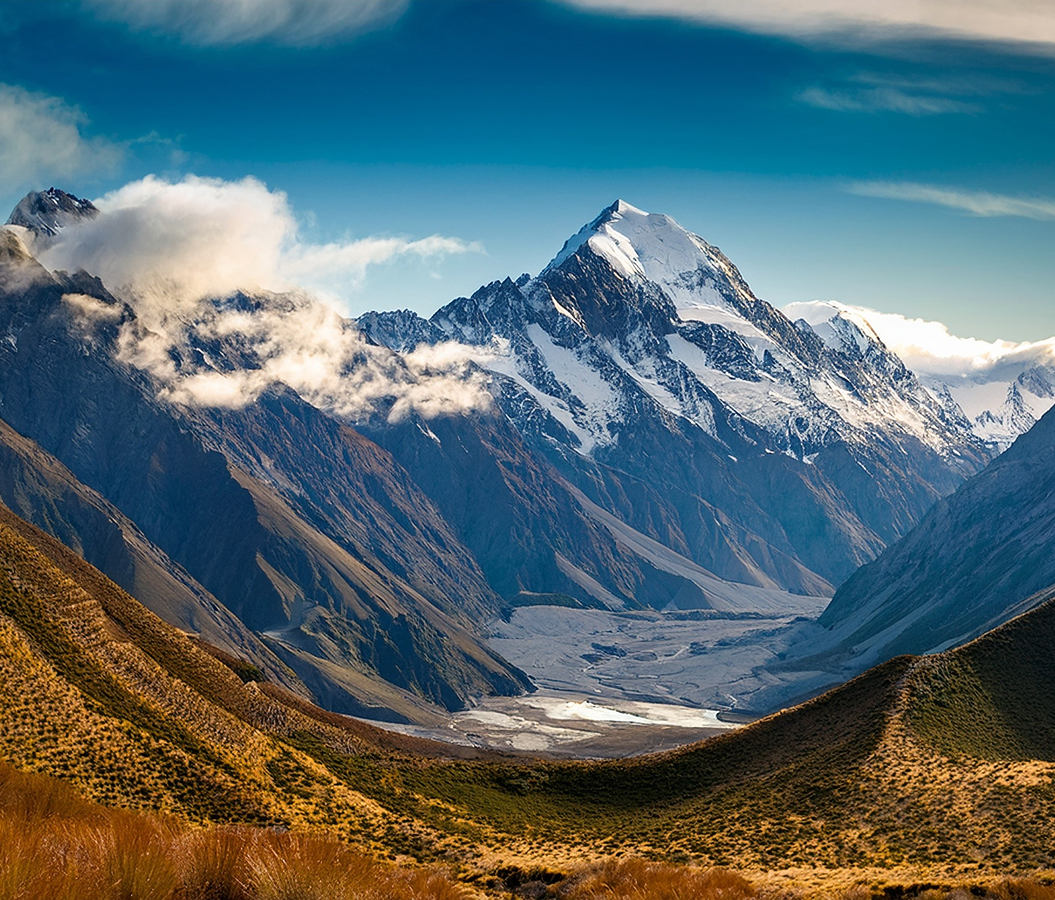
Whistler extends through a dramatic glacial valley surrounded by the Coast Mountains, where towering alpine peaks, extensive coniferous forests, turquoise lakes, and purpose-built pedestrian neighborhoods create a mountain environment defined by extraordinary vertical relief and carefully organized recreational infrastructure. The resort lies 120 kilometers north of Vancouver along the Sea-to-Sky Highway, a scenic transportation corridor connecting the coastal landscapes of Howe Sound with the mountainous interior of southwestern British Columbia. The valley occupies a landscape shaped by successive periods of glaciation, with steep mountain slopes, exposed rock faces, and interconnected waterways reflecting the erosive power of ancient ice sheets. Whistler Mountain rises to 2,182 meters above sea level, overlooking an extensive network of alpine bowls, forested ski runs, and high-elevation ridgelines. Blackcomb Mountain reaches 2,440 meters, introducing another immense alpine landscape immediately across the valley. The two mountains form the physical foundation of Whistler Blackcomb, whose extensive lift infrastructure connects broad ski terrain with the central resort village. The PEAK 2 PEAK Gondola, opened in 2008, spans the deep valley between Whistler and Blackcomb through a remarkable cable-supported structure, creating an elevated connection between the mountains. Its engineering introduced one of the world's most recognizable alpine transportation systems, with expansive views across glaciers, forested valleys, and surrounding mountain ranges. Whistler Village occupies the base of the mountains through a compact pedestrian environment of plazas, narrow streets, alpine-inspired buildings, and extensive commercial spaces. Village Stroll forms the principal pedestrian corridor, connecting accommodations, restaurants, shops, and public gathering areas through a carefully coordinated urban design. Whistler Olympic Plaza provides an important civic landscape within the village, incorporating open lawns, public art, and ceremonial spaces associated with the 2010 Winter Games. The neighboring Upper Village extends toward the base of Blackcomb Mountain, introducing another concentration of lodging, recreational facilities, and pedestrian connections. Farther south, Creekside preserves the location of Whistler Mountain's original ski base, with contemporary resort facilities developed around the historic access point. The surrounding valley contains several important freshwater lakes, including Alta Lake, whose shores supported the region's earliest recreational tourism, and Lost Lake, a smaller forest-framed lake connected to extensive walking and cycling trails. Green Lake extends north of the village through a broad glacial basin, its distinctive turquoise coloration reflecting suspended mineral particles carried by mountain streams. The River of Golden Dreams connects Alta Lake with Green Lake through a winding waterway bordered by wetlands, forests, and wildlife habitats. Whistler's extensive Valley Trail network links residential neighborhoods, parks, lakes, and recreational areas through paved pathways separated from much of the region's road traffic. The surrounding mountains also contain substantial protected landscapes, particularly through Garibaldi Provincial Park, whose alpine terrain encompasses glaciers, volcanic formations, and dramatic mountain lakes. The Black Tusk, a distinctive volcanic pinnacle rising above the surrounding ridgelines, forms one of the region's most recognizable natural landmarks. Nearby Garibaldi Lake presents an expansive turquoise basin surrounded by volcanic peaks and rugged alpine terrain. Whistler's physical character arises from the exceptional relationship between its glacial mountain landscape, interconnected freshwater systems, protected wilderness, and pedestrian resort infrastructure, creating a destination whose built environment remains closely integrated with the surrounding alpine terrain.
British Columbian cultural traditions find a distinctive alpine expression in Whistler, where Indigenous heritage, international winter sports, contemporary mountain art, and a deeply established outdoor recreation culture intersect within one of Canada's most prominent resort communities. The cultural foundations of the region remain closely connected to the Squamish and Lil'wat Nations, whose artistic traditions, oral histories, and relationships with the Coast Mountains continue to shape the valley's identity. The Squamish Lil'wat Cultural Centre, opened in 2008, provides a major institutional setting for the presentation of Indigenous history, language, craftsmanship, and contemporary cultural expression. Its exhibitions and educational programs explore the distinct traditions of both nations through carved objects, woven textiles, ceremonial materials, and interpretations of their ancestral territories. Indigenous woodcarving holds particular importance within the region's artistic inheritance, with expansive poles, masks, and sculptural works expressing cultural narratives and sophisticated technical traditions. The center's architectural design incorporates forms associated with traditional Squamish longhouses and Lil'wat pit houses, establishing a physical connection between contemporary cultural presentation and Indigenous building practices. Whistler's modern cultural character developed substantially through the growth of alpine skiing, whose competitive traditions and recreational communities helped transform the valley into an international gathering place. The resort's extensive terrain attracted professional athletes, ski instructors, filmmakers, and outdoor enthusiasts, supporting a mountain culture shaped by technical innovation and a strong relationship with the natural environment. The development of snowboarding during the late twentieth century introduced another influential community, contributing to the growth of terrain parks, freestyle competitions, and contemporary mountain sports. Whistler's international prominence expanded through the 2010 Winter Olympics, when athletes and spectators from around the world gathered for major alpine and Nordic competitions. The Whistler Sliding Centre and Whistler Olympic Park preserve important elements of this sporting legacy, supporting continuing athletic training and recreational activity. During warmer months, the Whistler Mountain Bike Park transforms the mountain's lift infrastructure into an extensive network of downhill cycling trails, establishing the destination as an influential center of mountain biking. The annual Crankworx festival brings professional riders and international audiences to Whistler through competitions, demonstrations, and events celebrating the sport's technical and creative development. The Whistler Film Festival contributes another dimension to the destination's cultural calendar, supporting Canadian and international cinema through screenings, industry programs, and filmmaker development. The Audain Art Museum, opened in 2016, introduces a major cultural institution through a collection emphasizing British Columbian art, including historic Indigenous works and paintings associated with the province's modern artistic traditions. Its building, designed by Patkau Architects, presents a restrained contemporary composition integrated into the surrounding forest landscape. Whistler's culinary culture reflects the agricultural and maritime resources of British Columbia, with regional restaurants incorporating Pacific seafood, locally raised meats, seasonal vegetables, and ingredients associated with the province's diverse food traditions. Wild salmon, Dungeness crab, mushrooms, berries, and regional wines contribute to a culinary environment shaped by the relationship between coastal abundance and mountain hospitality. The resort's international character also supports an extensive range of global cuisines, reflecting the influence of visitors and residents from across Canada and beyond. Après-ski gatherings form an important social tradition, connecting mountain recreation with restaurants, bars, and public spaces throughout the pedestrian village. Whistler's cultural significance lies in the interaction between Indigenous artistic inheritance, international athletic achievement, contemporary cultural institutions, and an outdoor lifestyle shaped by the remarkable natural environment of the Coast Mountains.
Five fascinations.
5. Whistler was named for the piercing whistle of the marmots living in its mountains.
Before the resort became internationally famous, the mountain now called Whistler was known to European settlers as London Mountain. The name carried little appeal for tourism promoters, and the mountain was renamed Whistler in the 1960s after the distinctive calls of the hoary marmots found throughout the surrounding alpine terrain. These large mountain rodents communicate with sharp whistles that carry across rocky slopes. One of the world's best-known ski destinations takes its character from a native animal whose call formed part of the landscape long before lifts, hotels, and ski runs transformed the valley.
4. Whistler began its transformation into a ski destination because Vancouver wanted the Winter Olympics.
During the early 1960s, a group of Vancouver businessmen formed the Garibaldi Olympic Development Association with ambitions to develop the Whistler area and pursue a Winter Olympic bid. Their plans accelerated the creation of lift infrastructure on Whistler Mountain, which opened for skiing in 1966. The Olympic dream initially remained unrealized, but the mountain continued developing into an international resort. More than four decades later, Whistler finally hosted Olympic competition during the 2010 Vancouver Winter Games. The destination's modern ski industry emerged from an Olympic ambition that required nearly half a century to reach its ultimate conclusion.
3. Whistler Village was deliberately built on former landfill land away from the original resort base.
The pedestrian center now synonymous with Whistler did not grow organically around the earliest ski lifts. During the 1970s, planners selected undeveloped land between Whistler and Blackcomb mountains for a new resort village, including terrain previously used as a municipal dump. The purpose-built center opened in the early 1980s with pedestrian streets, plazas, lodging, shops, restaurants, and direct connections toward both mountains. Its planning concentrated resort activity into a walkable core largely separated from automobile traffic. Whistler's celebrated village atmosphere is the product of an ambitious planning intervention that reorganized the destination around an entirely new center.
2. Whistler and Blackcomb spent decades as rival ski mountains before becoming one enormous resort.
Whistler Mountain began lift operations in 1966, but neighboring Blackcomb Mountain entered the market in 1980 as a separate competitor. The two operations competed through new lifts, terrain expansion, and improvements that helped accelerate the destination's growth. Their rivalry ended when Intrawest acquired Whistler Mountain in 1997 and combined it with Blackcomb under unified ownership. The integration created Whistler Blackcomb, linking two immense alpine areas within a single resort operation. A competitive relationship that had driven development for years ultimately produced the enormous two-mountain destination that defines modern Whistler.
1. Whistler built a gondola nearly three miles long between two mountaintops.
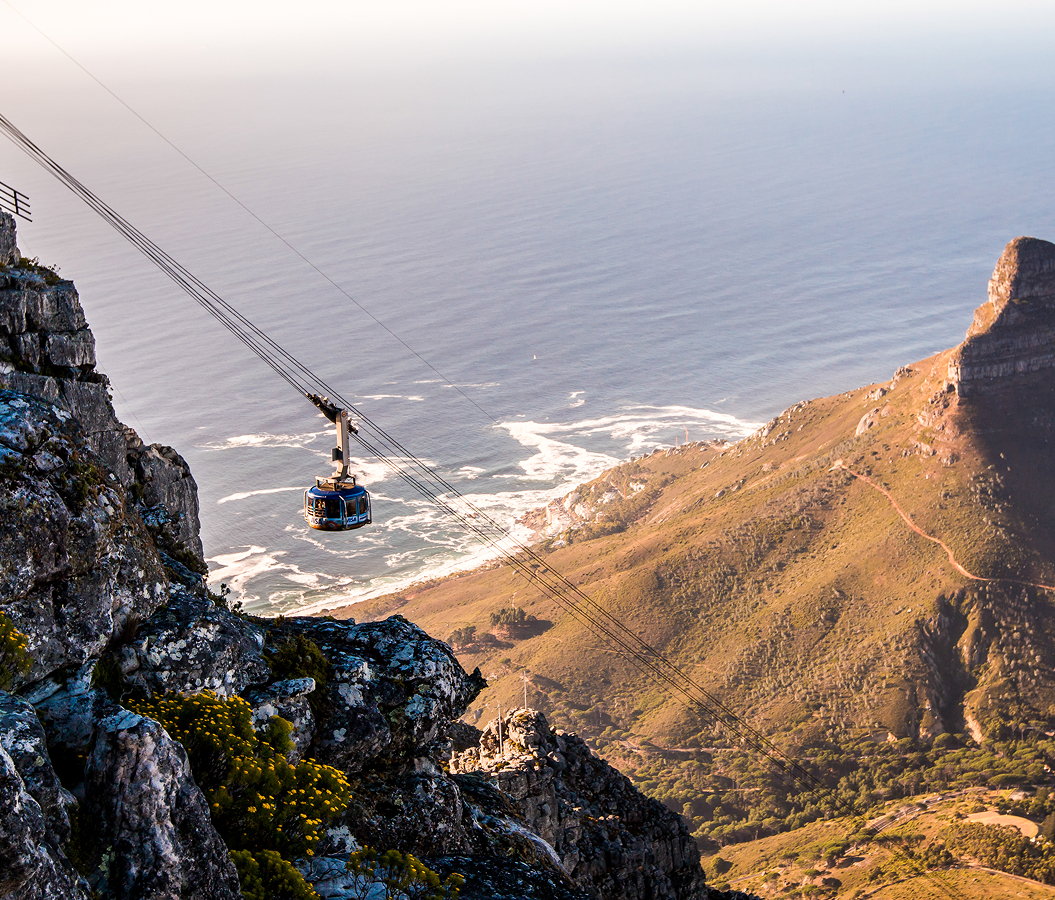
The PEAK 2 PEAK Gondola opened in 2008 to connect Whistler and Blackcomb mountains directly above the Fitzsimmons Creek valley. Its 4.4-kilometer route eliminated the need for skiers and visitors to descend to the village when moving between the two mountains. The system incorporated an exceptionally long unsupported span of more than three kilometers between towers and carried cabins hundreds of meters above the valley floor. Whistler effectively transformed two separate mountains into a more integrated alpine experience through an extraordinary piece of aerial engineering, creating a transportation link that became an attraction in its own right.
Where your story begins.
Foresyte Travel reveals places that feel extraordinary long before you arrive.
Enjoy editorial crafted for luxury travelers.
Foresyte may earn a commission when you book.