Fun facts about Mexico.
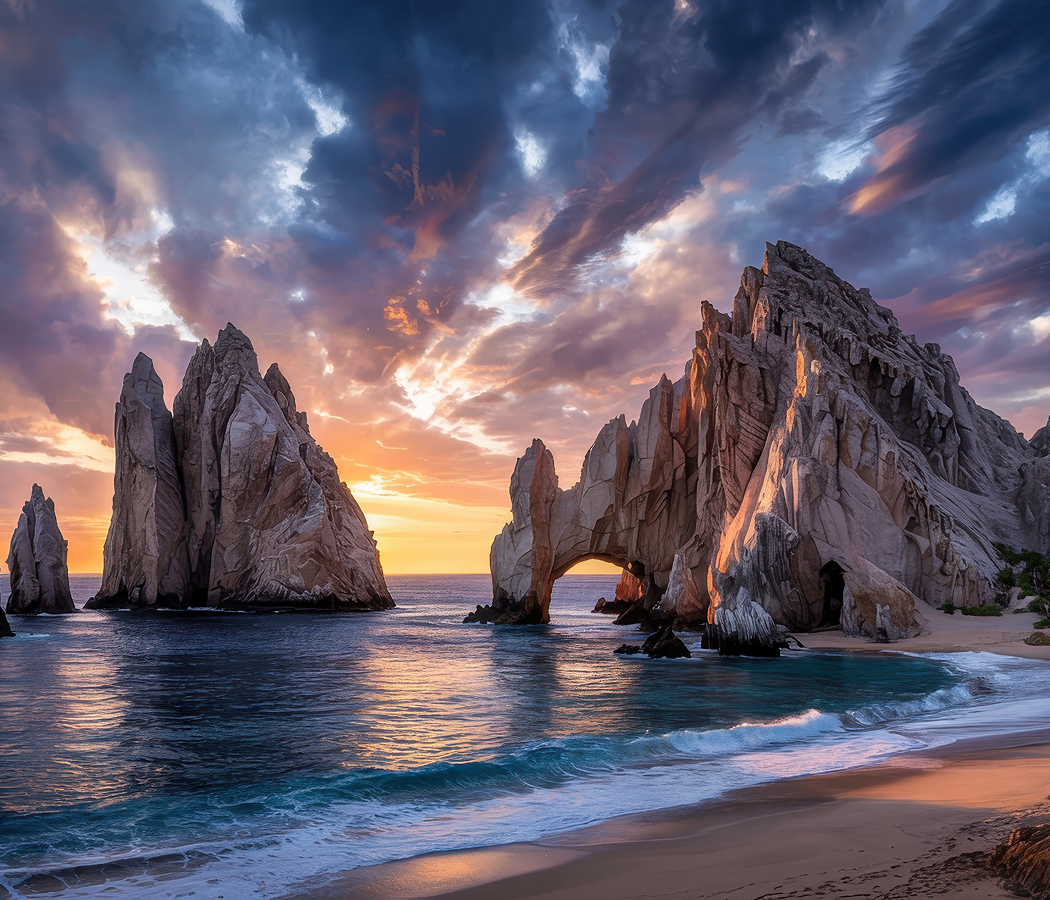
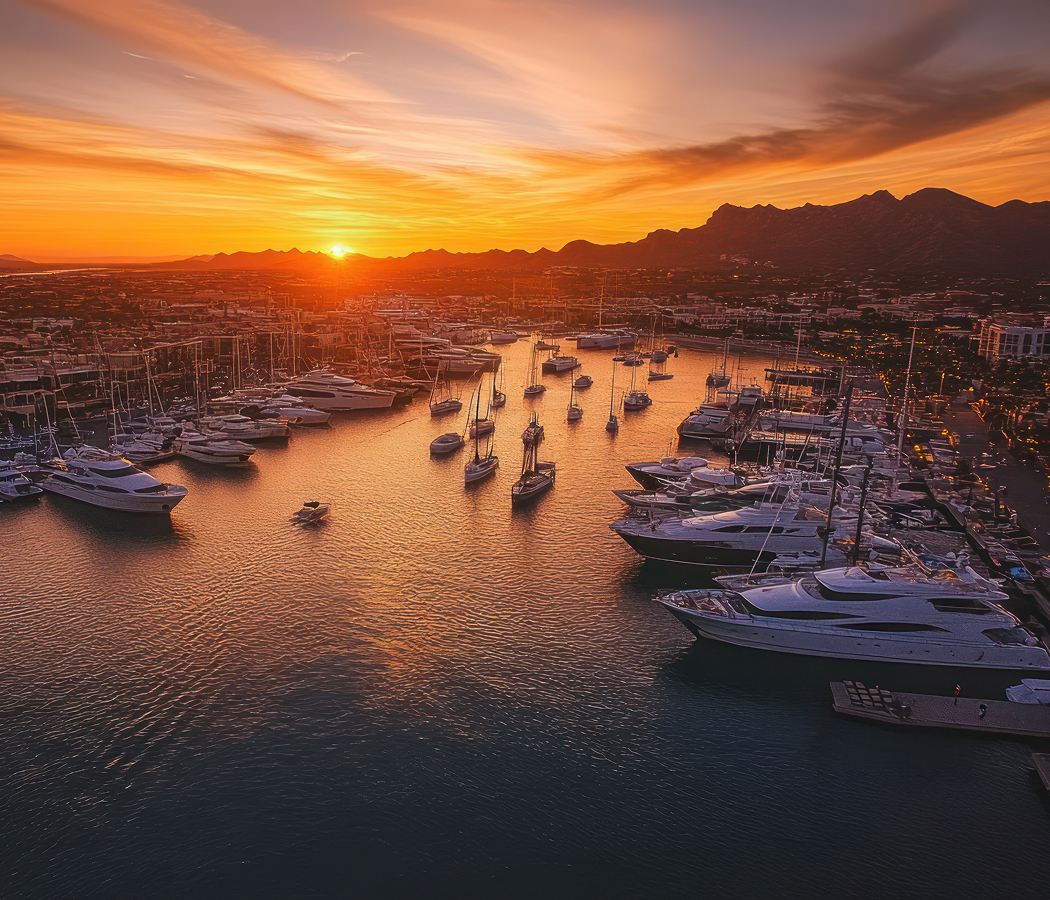
Cabo San Lucas occupies the dramatic southern extremity of the Baja California Peninsula, where the Pacific Ocean meets the Gulf of California beneath an immense landscape of granite headlands, desert mountains, sheltered coves, and turquoise coastal waters. The town lies in the Mexican state of Baja California Sur, thirty kilometers southwest of San José del Cabo, with the two communities connected by a developed coastal corridor overlooking the Gulf of California. The surrounding landscape belongs to the Cape Region, where ancient granitic formations rise above arid valleys and coastal plains, creating a distinctive contrast between rugged desert terrain and the deep blue waters of the peninsula's southern coastline. The Sierra de la Laguna mountains define the inland horizon, forming a substantial mountain system whose higher elevations support woodland environments that differ sharply from the surrounding desert. Cabo San Lucas's most recognizable natural landmark is El Arco, an expansive granite arch rising from the sea at Land's End, where waves and long-term coastal erosion have sculpted the peninsula's exposed rock formations. The arch forms part of a larger collection of headlands, offshore rocks, and narrow beaches that establish the dramatic southern boundary of the peninsula. Playa del Amor occupies a sheltered stretch of sand accessible primarily by boat, enclosed by towering granite formations near the arch. On the Pacific-facing side of the same headland, Playa del Divorcio presents a contrasting environment of powerful surf and exposed coastal conditions. The nearby rock formations support colonies of sea lions and seabirds, connecting the iconic coastal landscape with the rich marine ecology of the surrounding waters. East of Land's End, Médano Beach extends along a broad sheltered bay, forming the principal recreational waterfront of Cabo San Lucas. Its relatively protected waters support swimming, boating, and an extensive concentration of beachfront restaurants, hotels, and recreational facilities. The beach overlooks the anchored vessels and waterfront developments of Cabo San Lucas Bay, where the natural harbor provides a sheltered setting for maritime activity. The Cabo San Lucas Marina occupies the northern side of the bay, integrating extensive docking facilities with pedestrian promenades, commercial buildings, restaurants, and contemporary hospitality developments. Its basin supports sportfishing fleets, sailing vessels, and recreational boats, establishing an important connection between the town's commercial center and the surrounding marine environment. The historic downtown extends inland from the marina through a compact network of commercial streets, plazas, restaurants, and residential districts shaped by successive periods of coastal development. Plaza Amelia Wilkes forms a central civic space near the historic Church of San Lucas, preserving an important gathering place within the older urban settlement. The surrounding streets contain low-rise buildings, galleries, shops, and restaurants that contrast with the larger resort complexes occupying the waterfront. Northeast of the central district, the Tourist Corridor follows the coastline toward San José del Cabo, passing a succession of beaches, rocky coves, golf courses, and hillside residential developments. Playa Santa María occupies a sheltered horseshoe-shaped bay surrounded by rocky headlands, with clear waters and reef habitats supporting snorkeling and marine recreation. Nearby Chileno Bay introduces another protected coastal environment, distinguished by a sandy beach and underwater habitats inhabited by tropical fish. Farther inland, the desert landscape contains cardón cacti, thorny shrubs, dry streambeds, and exposed granite formations adapted to the region's limited rainfall. The waters offshore belong to a dynamic marine environment influenced by Pacific currents, seasonal upwelling, and the biological productivity of the Gulf of California. Humpback whales migrate through the surrounding waters during winter, adding a significant seasonal dimension to the coastal landscape. Cabo San Lucas's physical distinction lies in the concentration of expansive granite formations, desert mountains, protected marine habitats, and a compact harbor settlement at the southern edge of the Baja California Peninsula.
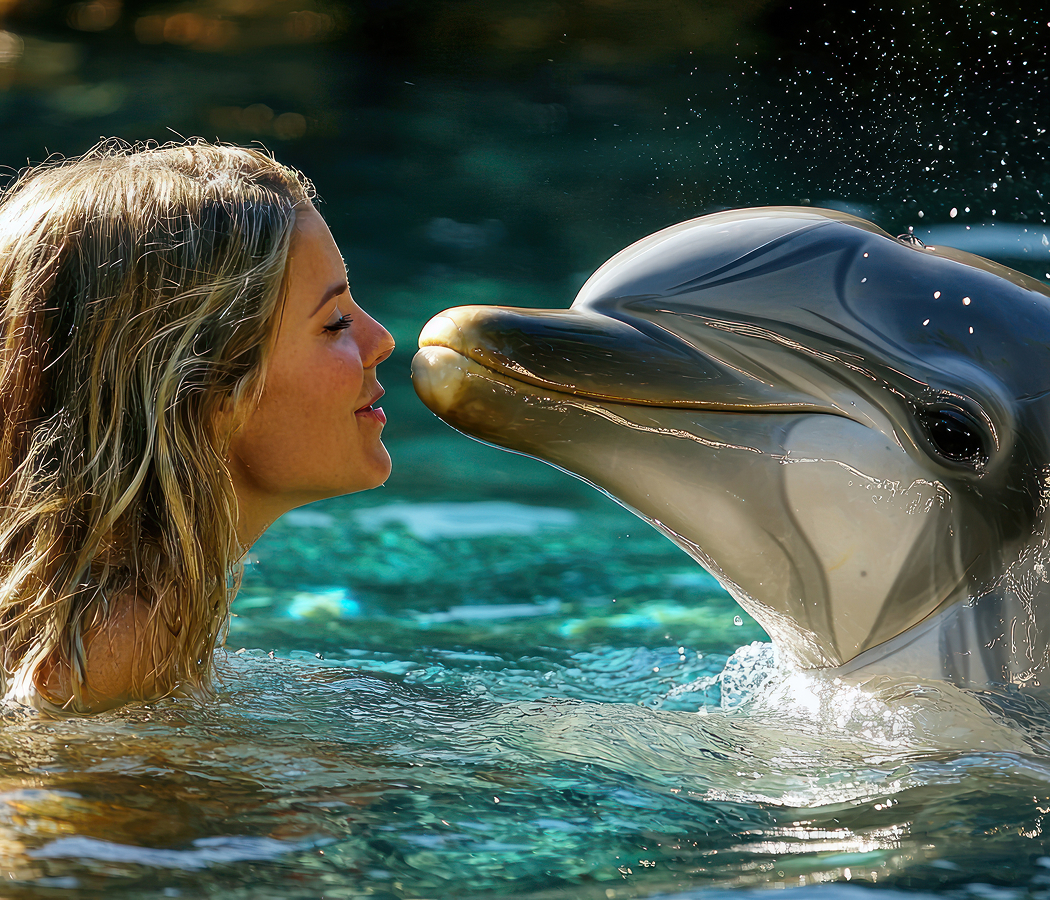
Mexican coastal culture finds a distinctive expression in Cabo San Lucas, where Baja California's maritime traditions, competitive sportfishing, contemporary hospitality, regional cuisine, and an international creative community have developed around the southern peninsula's remarkable marine environment. The cultural foundations of the region remain connected to the Indigenous history of the Pericú people, whose knowledge of coastal ecosystems and maritime resources shaped human settlement long before the arrival of European expeditions. The peninsula's later fishing communities established enduring traditions of boatbuilding, seafood preparation, and seasonal work associated with the Pacific and Gulf of California. Commercial fishing contributed to the development of local markets and waterfront businesses, with tuna, marlin, dorado, and other species connecting the town's economy to the productive waters surrounding Land's End. Sportfishing subsequently introduced an international competitive culture, attracting anglers, boat captains, and marine enthusiasts to tournaments centered on offshore game fish. Cabo San Lucas's reputation for marlin fishing became particularly influential, with annual competitions and charter operations supporting a specialized community of professional crews and visiting anglers. The destination's recreational culture expanded through scuba diving, snorkeling, sailing, and whale watching, connecting its contemporary character with the ecological richness of the surrounding seas. The Gulf of California supports a remarkable diversity of marine species, including dolphins, sea turtles, rays, and numerous varieties of tropical fish. Jacques Cousteau's exploration and popularization of the gulf's marine biodiversity helped bring international attention to the wider region's underwater ecosystems. Cabo San Lucas also developed a substantial nightlife and entertainment culture through the growth of tourism during the late twentieth century. The opening of Cabo Wabo Cantina in 1990, associated with musician Sammy Hagar, contributed to the town's reputation as a destination for live music and international entertainment. Contemporary galleries and artisan shops throughout the downtown area present Mexican painting, ceramics, jewelry, and decorative arts, reflecting connections with artistic communities across the country. Regional craftsmanship includes leatherwork, silver jewelry, woven textiles, and objects inspired by the desert and marine environments of Baja California. The broader Los Cabos region also supports cultural festivals, culinary events, and contemporary art initiatives that connect Cabo San Lucas with neighboring San José del Cabo. The Los Cabos International Film Festival, established in 2012, strengthened the region's association with North American cinema through screenings and industry programming. Cabo San Lucas's culinary traditions draw heavily upon the seafood resources of the Pacific coast and the Gulf of California, particularly through fresh fish, shrimp, clams, and other marine ingredients. Fish tacos occupy an important place in Baja California's food culture, combining lightly battered or grilled fish with cabbage, salsa, lime, and corn or flour tortillas. Smoked marlin contributes another distinctive regional specialty, reflecting the peninsula's fishing economy and longstanding methods of preserving seafood. Chocolate clams, named for the brown coloration of their shells, form part of the broader culinary traditions of Baja California Sur, commonly prepared roasted or with citrus and seasonings. Contemporary restaurants incorporate these ingredients into refined coastal Mexican cooking, often emphasizing local seafood, regional vegetables, and preparations influenced by the peninsula's agricultural communities. The wine industry of northern Baja California has also contributed to the region's dining culture, with wines from Valle de Guadalupe appearing alongside contemporary Mexican cuisine. Cabo San Lucas's international population and visitor economy support a broad range of restaurants, live music venues, and waterfront social spaces, particularly around the marina and Médano Beach. The town's cultural character reflects the continuing interaction between traditional maritime livelihoods, modern recreational industries, regional foodways, and the distinctive coastal environment that has shaped life at the southern end of the Baja California Peninsula.
Five fascinations.
5. Cabo San Lucas sits beside the point where the Baja California Peninsula gives way to open ocean.
Cabo San Lucas occupies the southern end of the Baja California Peninsula, where the waters around the Gulf of California meet the Pacific Ocean. Powerful waves, currents, wind, and erosion have sculpted the granite coastline into dramatic formations around Land's End. The geography creates an abrupt transition between sheltered bay waters and the exposed Pacific, concentrating beaches, cliffs, marine habitats, and navigation routes within a remarkably compact area. Cabo's international character begins with an extraordinary physical position: a resort city developed at the rocky terminus of an 1,200-kilometer peninsula extending south from California.
4. El Arco is the surviving product of millions of years of erosion.
The granite arch at Land's End became Cabo San Lucas' defining natural landmark through the gradual removal of surrounding rock. Waves, saltwater, wind, and weathering exploited fractures along the coastline, carving openings and isolated formations from the headland. El Arco now rises directly from the sea beside other formations at the peninsula's southern tip, creating the sculptural landscape visible from Cabo's harbor and nearby beaches. The arch is not an isolated geological curiosity but part of an actively evolving coastline where the Pacific Ocean and waters around the Gulf of California continuously reshape exposed granite.
3. Cabo San Lucas was once better known for tuna than luxury resorts.
Commercial fishing played a defining role in Cabo San Lucas long before hotels, golf courses, and yacht marinas transformed the coastline. A tuna cannery established during the early twentieth century became a major local employer and helped anchor a fishing economy connected to the extraordinarily productive waters surrounding the southern Baja Peninsula. Sportfishing later expanded as visitors arrived in pursuit of marlin, tuna, dorado, and other species. Cabo's celebrated relationship with the sea predates its modern resort era: an economy once built around harvesting and processing fish evolved into an international tourism industry that still treats offshore waters as one of its greatest attractions.
2. Cabo's desert landscape exists beside one of the planet's richest marine environments.
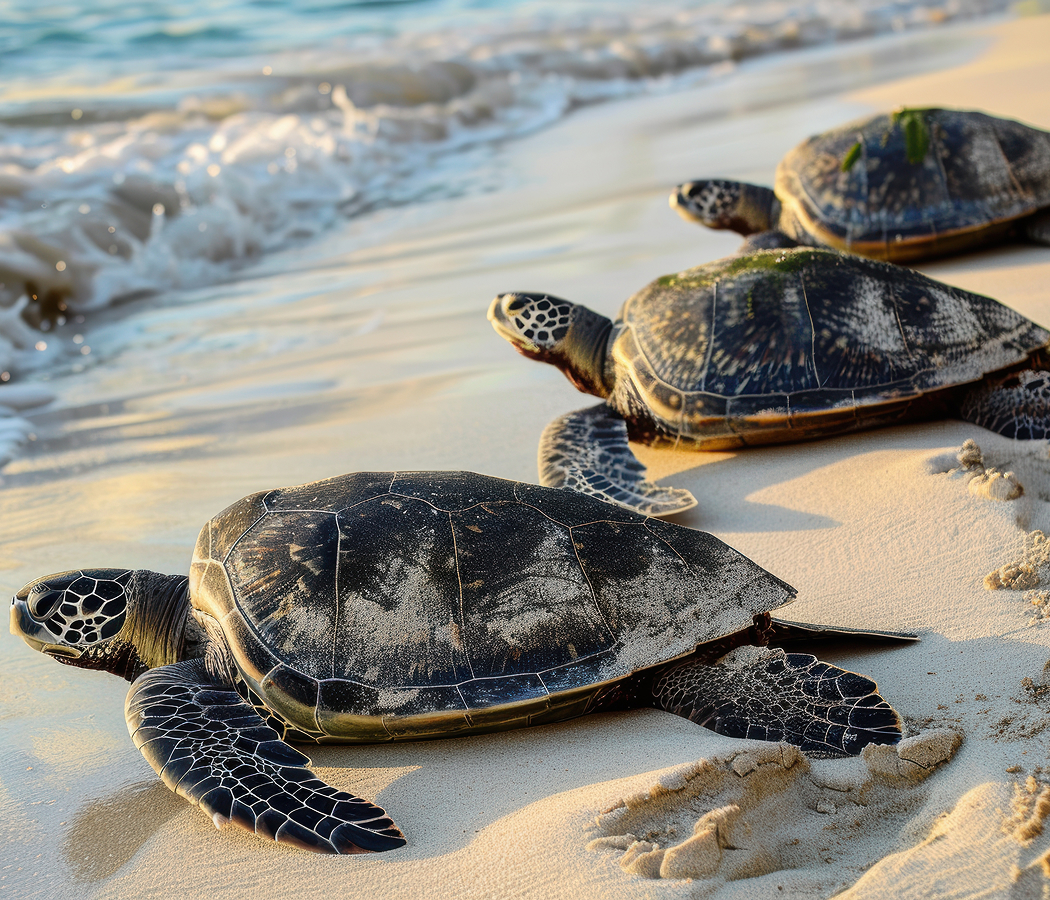
Southern Baja California presents an extraordinary ecological contrast between arid land and biologically productive water. Desert vegetation and dry mountains descend toward seas influenced by currents, seasonal changes, and complex marine food webs. The surrounding region supports dolphins, sea turtles, rays, sea lions, billfish, and numerous other species, with humpback whales arriving seasonally after migrations spanning thousands of kilometers. Cabo San Lucas places two dramatically different ecosystems against each other with almost no transition. Its familiar combination of cactus-covered terrain and wildlife-rich ocean is not simply scenic; it reflects the unusual environmental geography of the peninsula itself.
1. Cabo San Lucas changed dramatically after a highway connected the length of Baja California.
For much of its history, Cabo San Lucas remained geographically isolated from major population centers by the immense length and difficult terrain of the Baja California Peninsula. Completion of the Transpeninsular Highway in 1973 created a continuous road connection between the southern cape and the United States border, fundamentally improving access to communities throughout the peninsula. Resort development, real-estate investment, sportfishing tourism, and supporting infrastructure accelerated during the decades that followed. Modern Cabo emerged from more than beaches and climate: a single transportation corridor helped turn a remote fishing community at the end of the peninsula into an internationally recognized destination.
Where your story begins.
Foresyte Travel reveals places that feel extraordinary long before you arrive.
Enjoy editorial crafted for luxury travelers.
Foresyte may earn a commission when you book.