Fun facts about Denver, Colorado.
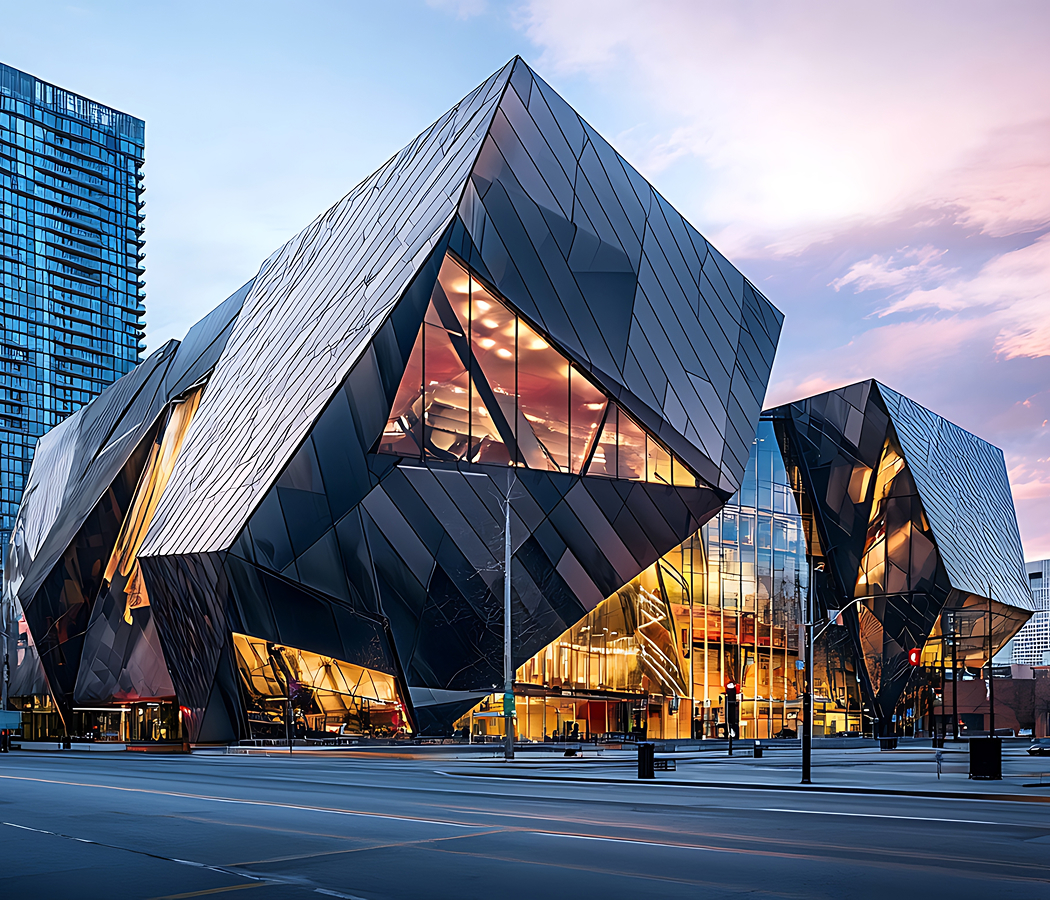
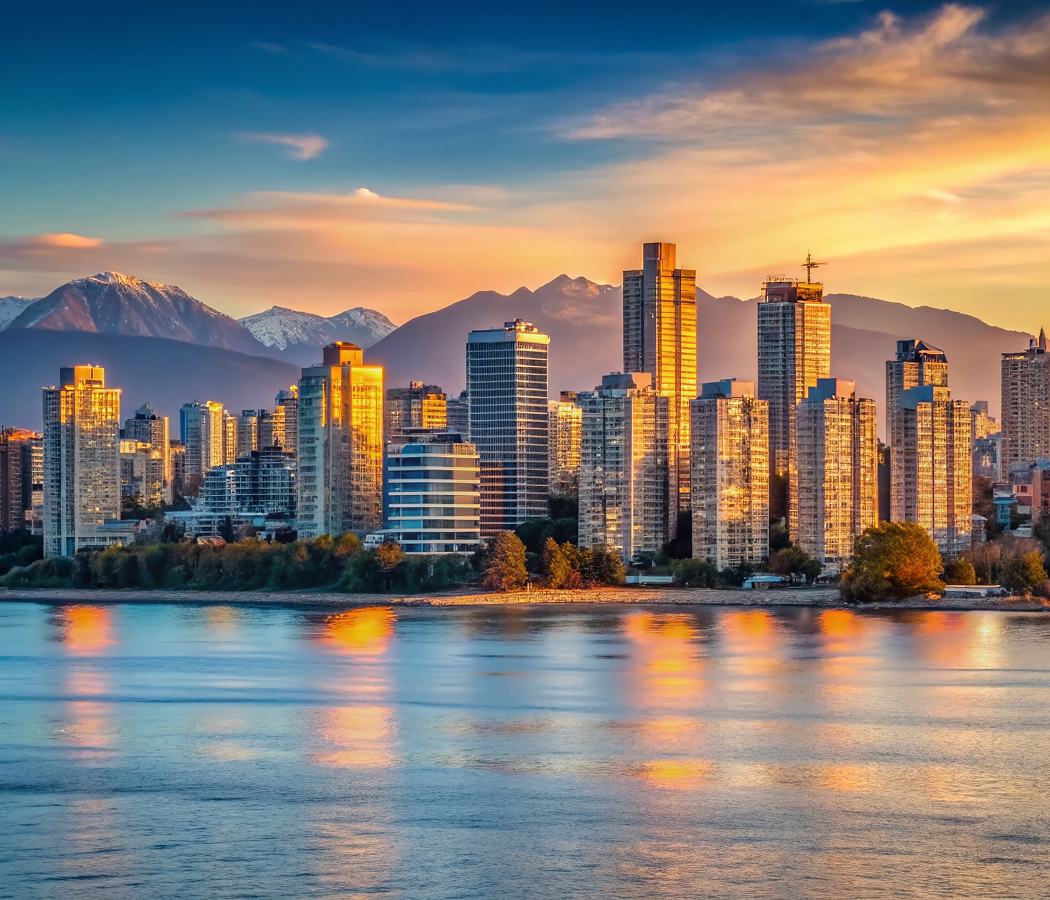
Denver stretches across the western edge of the Great Plains beneath the imposing eastern slopes of the Rocky Mountains, creating an urban landscape where historic commercial districts, grand civic institutions, tree-lined residential neighborhoods, and contemporary towers developed against a dramatic mountain horizon. The city's elevation of 5,280 feet above sea level established its enduring character as the Mile High City, reflecting its position on the elevated plains immediately east of the Front Range. Downtown occupies the historic settlement area near the South Platte River and Cherry Creek, where the original diagonal street grid preserves the geographic influence of the waterways. The LoDo district retains a substantial concentration of late nineteenth-century warehouses, commercial buildings, and railroad-era architecture, with redbrick façades and cast-iron details reflecting Denver's early mercantile prosperity. Union Station, completed in its present form in 1914, became the architectural centerpiece of the city's railroad network through its grand Beaux-Arts composition, expansive Great Hall, and prominent position at the western end of 17th Street. The station's modern redevelopment established a major multimodal transportation center connecting regional rail, buses, and pedestrian-oriented public spaces. Larimer Square preserves another important historic streetscape through its Victorian commercial buildings, whose restoration during the 1960s became an influential example of urban historic preservation. Eastward, the central business district developed through successive periods of commercial expansion, introducing office towers, hotels, and cultural institutions that transformed the downtown skyline. The Colorado State Capitol, completed during the 1890s, rises above Civic Center through a grand Neoclassical composition crowned by a gilded dome. Constructed using Colorado granite and marble, the building expresses the political ambitions of a state whose early prosperity depended heavily upon mineral extraction. Civic Center Park establishes a formal landscaped setting between the Capitol and the Denver City and County Building, with fountains, monuments, and ceremonial pathways reflecting early twentieth-century civic planning. The Denver Art Museum introduces a contrasting architectural environment through Gio Ponti's North Building, completed in 1971, and Daniel Libeskind's angular Hamilton Building, opened in 2006. Nearby, the Clyfford Still Museum, designed by Brad Cloepfil, presents a restrained composition of textured concrete and carefully controlled natural light. The surrounding Golden Triangle district concentrates museums, galleries, and cultural institutions within a historic neighborhood of civic and residential buildings. North of downtown, the RiNo Art District developed through the adaptation of former industrial warehouses and manufacturing properties into studios, galleries, restaurants, and contemporary commercial spaces. The Highlands neighborhoods occupy elevated terrain west of the South Platte, preserving Victorian houses, historic commercial corridors, and residential streets overlooking the downtown skyline. Capitol Hill presents another significant architectural landscape through nineteenth-century mansions, early apartment buildings, and the distinctive historic residences surrounding Cheesman Park. Farther east, City Park provides an expansive landscaped environment containing the Denver Museum of Nature & Science and the Denver Zoo, with views toward the Front Range across lawns, lakes, and mature tree canopies. The Denver Botanic Gardens occupies a prominent setting near Cheesman Park, combining formal horticultural displays with specialized plant collections and contemporary garden design. Denver's physical character reflects the intersection of frontier commercial planning, grand state architecture, residential expansion, and the geographic relationship between the high plains and the Rocky Mountains.
Rocky Mountain cultural traditions developed a distinctive metropolitan expression in Denver, where Western history, Indigenous artistic heritage, contemporary visual arts, independent music, and an influential outdoor recreation culture established a creative environment closely connected to the landscapes of Colorado. The city's artistic inheritance includes the traditions of Native American communities whose ancestral territories extend across the Great Plains and Rocky Mountain region, with contemporary Indigenous artists contributing to the preservation and reinterpretation of regional cultural practices. The Denver Art Museum developed one of the country's most significant collections of Indigenous North American art, encompassing works associated with numerous tribal nations and artistic traditions. The museum's broader collections connect European, Asian, Latin American, and contemporary American art, reflecting the city's increasingly international cultural environment. Denver's visual arts character also acquired exceptional importance through its association with Abstract Expressionist painter Clyfford Still, whose work explored grand color fields, dramatic forms, and the resonant possibilities of abstraction. The Clyfford Still Museum preserves the majority of the artist's surviving works, establishing Denver as a principal center for the study of one of twentieth-century America's most influential painters. The city's performing arts institutions developed through sustained civic investment, particularly through the Denver Performing Arts Complex, whose theaters and concert halls support the Colorado Symphony, Opera Colorado, and Denver Center for the Performing Arts. The complex became one of the country's largest performing arts centers, contributing to the development of professional theater, orchestral music, opera, and contemporary performance in the Mountain West. Denver's musical history includes influential contributions to jazz, folk, country, and rock, supported by venues and neighborhoods that developed distinct creative communities during the twentieth century. The Five Points neighborhood became an important center of African American cultural life, with jazz clubs attracting nationally recognized musicians including Duke Ellington, Billie Holiday, and Miles Davis. The district's musical institutions contributed to Denver's reputation as an important stop on the national jazz circuit, sustaining a spirited community of performers and audiences. Denver's contemporary music culture extends through independent venues, festivals, and recording communities associated with alternative rock, electronic music, and experimental performance. The city's literary traditions include the influence of the Beat Generation, particularly through Neal Cassady, whose life and experiences in Denver became central to the work of Jack Kerouac and other writers exploring postwar American identity. Denver's culinary environment reflects the agricultural traditions of Colorado and the broader American Southwest, incorporating regional beef, lamb, green chile, and ingredients associated with Mexican and Indigenous foodways. The Denver omelet became an enduring symbol of the city's popular food culture, although its precise origins remain contested within the broader history of Western American cooking. Colorado's craft beer movement contributed another important dimension to Denver's contemporary identity, with the establishment of the Great American Beer Festival in 1982 strengthening the city's national association with independent brewing. The city's restaurant culture subsequently expanded through innovative chefs, neighborhood dining districts, and international communities whose culinary traditions introduced increasingly diverse approaches to regional ingredients. Denver's professional sports institutions also became central to its civic identity, particularly through the Denver Broncos, whose championship victories established a powerful regional following across the Rocky Mountain states. The Colorado Rockies, Denver Nuggets, and Colorado Avalanche further strengthened the city's reputation as a major American sports center, connecting professional athletics with the broader culture of outdoor recreation. The city's proximity to the Rocky Mountains encouraged the development of skiing, hiking, climbing, cycling, and other recreational traditions that became influential elements of local character and the regional economy. Denver's cultural significance reflects the convergence of Western historical inheritance, African American musical innovation, major artistic institutions, and the contemporary creative energy of a city whose character remains closely connected to the landscapes and possibilities of the American Rockies.
Five fascinations.
5. Denver has a street grid that visibly changes direction near downtown.
Central Denver contains two overlapping street orientations created during different phases of the city's development. The oldest downtown streets were laid out parallel and perpendicular to Cherry Creek, producing the diagonal grid visible around Lower Downtown today. Later development adopted streets aligned more closely with the cardinal directions. Where the systems meet, they create triangular blocks, angled intersections, and abrupt changes in orientation. A feature that appears irregular on a modern map is a physical record of Denver's rapid expansion from a nineteenth-century settlement into a much larger city.
4. The Colorado State Capitol marks exactly one mile above sea level.
Denver's “Mile High City” character has a literal architectural expression at the Colorado State Capitol. Elevation measurements have changed as surveying technology and reference systems improved, producing multiple markers on the building's western steps associated with the 5,280-foot elevation. The Capitol itself was completed during the 1890s and crowned with a dome later covered in gold leaf, commemorating Colorado's mining history. Denver's famous nickname is embedded directly into one of its principal civic landmarks, where visitors encounter the relationship between the city and its high-elevation geography in physical form.
3. Denver's Union Station survived an enormous fire before becoming the centerpiece of a revived neighborhood.
Denver's first Union Station opened in 1881 to consolidate competing railroad services into a single passenger terminal. A major fire damaged its central portion in 1894, leading to reconstruction and eventually the Beaux-Arts building completed in 1914. As passenger rail declined during the twentieth century, the surrounding district lost much of its earlier transportation intensity. A major twenty-first-century redevelopment transformed the station and adjacent rail yards into a multimodal transportation hub surrounded by new streets, buildings, and public spaces. The project made a nineteenth-century railroad site an organizing force in modern Downtown once again.
2. Denver created an enormous park system in the mountains far beyond the city itself.
Beginning in the early twentieth century, Denver assembled a network of mountain parks outside its municipal boundaries to give city residents access to the foothills and surrounding landscapes. The system eventually incorporated thousands of acres connected by scenic roads and included places such as Lookout Mountain, Genesee Park, and Red Rocks. Frederick Law Olmsted Jr. contributed planning ideas that helped shape the network. Denver extended its conception of municipal parkland deep into the Rocky Mountain foothills, creating an unusual relationship between an urban government and recreational landscapes many miles beyond its downtown core.
1. Red Rocks became a concert venue because ancient geology created a natural acoustic environment.
Red Rocks Amphitheatre occupies a dramatic geological formation where enormous sandstone monoliths rise from the eastern edge of the Rocky Mountain foothills. The site hosted performances before the present amphitheater existed, but Denver developed it into a grand public venue during the New Deal era. Architect Burnham Hoyt designed seating and stage elements to work within the existing rock formations, and Civilian Conservation Corps labor helped construct the amphitheater. Completed in 1941, Red Rocks transformed geological formations created over immense spans of time into one of the world's most distinctive performance environments.
Where your story begins.
Foresyte Travel reveals places that feel extraordinary long before you arrive.
Enjoy editorial crafted for luxury travelers.
Foresyte may earn a commission when you book.