Fun facts about Mexico.
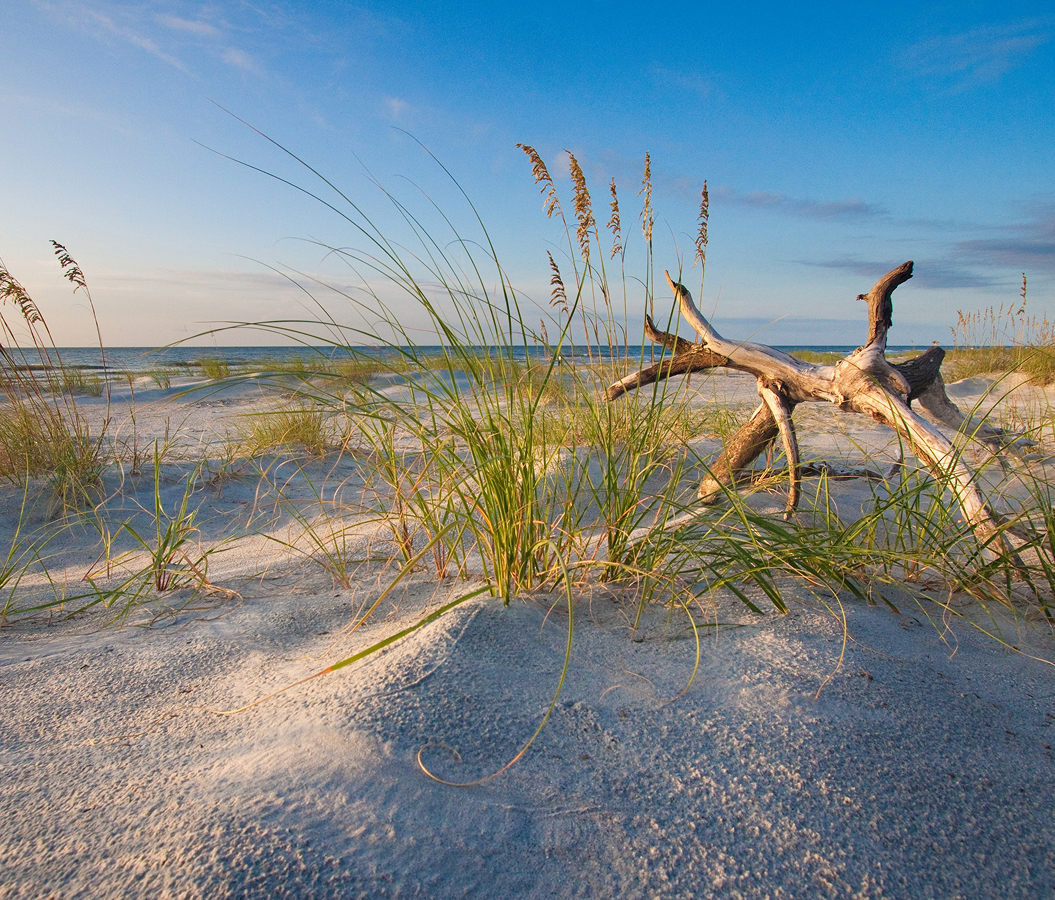
Cancún occupies the northeastern corner of the Yucatán Peninsula, where the Caribbean Sea meets a low limestone coastline characterized by white-sand beaches, shallow lagoons, mangrove wetlands, and extensive marine ecosystems. The destination consists of two principal urban environments: the mainland city, where most permanent residents live, and the Zona Hotelera, a narrow coastal strip extending twenty-three kilometers between the Caribbean and the Nichupté Lagoon system. The Hotel Zone follows a distinctive curved alignment, with its northern section facing relatively sheltered waters and its eastern shoreline exposed to the open Caribbean. Beaches along the northern coast, including Playa Langosta and Playa Tortugas, occupy calmer waterfront settings associated with ferry terminals, marinas, and recreational activities. Farther east, Playa Forum and Playa Chac Mool front the more energetic waters near Punta Cancún, where hotels, restaurants, and entertainment complexes form one of the destination's most concentrated commercial districts. The coastline continues southward through Playa Marlín, Playa Ballenas, and Playa Delfines, where broad stretches of pale sand meet intensely turquoise water. Playa Delfines occupies an elevated coastal setting with expansive views across the Caribbean and relatively limited beachfront construction. The Nichupté Lagoon system extends along the western side of the Hotel Zone through interconnected lagoons, tidal channels, and mangrove habitats supporting fish, birds, and other coastal wildlife. Its waterways provide a sheltered environment for boating and marine recreation, although the ecosystem faces substantial pressure from surrounding urban development. The Hotel Zone's architecture reflects several generations of resort construction, ranging from early beachfront hotels to contemporary high-rise properties, large all-inclusive complexes, and luxury developments incorporating expansive pools, landscaped grounds, and direct beach access. Kukulcán Boulevard forms the principal transportation corridor, linking the coastal districts with the mainland city through bridges and causeways. Inland, Downtown Cancún follows a planned urban structure organized around major avenues and residential districts known as supermanzanas. Avenida Tulum serves as an important commercial artery, connecting government offices, businesses, markets, and public spaces. Parque de las Palapas forms a central gathering place for local residents, surrounded by food vendors, restaurants, and cultural activities. Mercado 28 occupies a commercial district associated with handicrafts, souvenirs, and traditional Mexican goods. The city's expanding residential neighborhoods extend westward and northward toward the airport corridor and surrounding municipalities, reflecting decades of population growth. South of the principal urban area, the landscape transitions toward Puerto Morelos and the coastal communities of the Riviera Maya. Offshore, Isla Mujeres lies across a narrow channel of Caribbean water, with ferry services connecting its beaches, fishing neighborhoods, and recreational areas to Cancún. The nearby Mesoamerican Barrier Reef System supports coral formations, seagrass habitats, and substantial marine biodiversity, making snorkeling and diving important components of the regional visitor economy. Farther inland, the limestone geology of the Yucatán creates an extensive underground drainage system containing caves, subterranean rivers, and cenotes, natural sinkholes that provide access to freshwater. Cancún's physical character arises from the contrast between its highly planned beachfront resort corridor, the growing mainland city, and the fragile coastal ecosystems that make its location so distinctive.
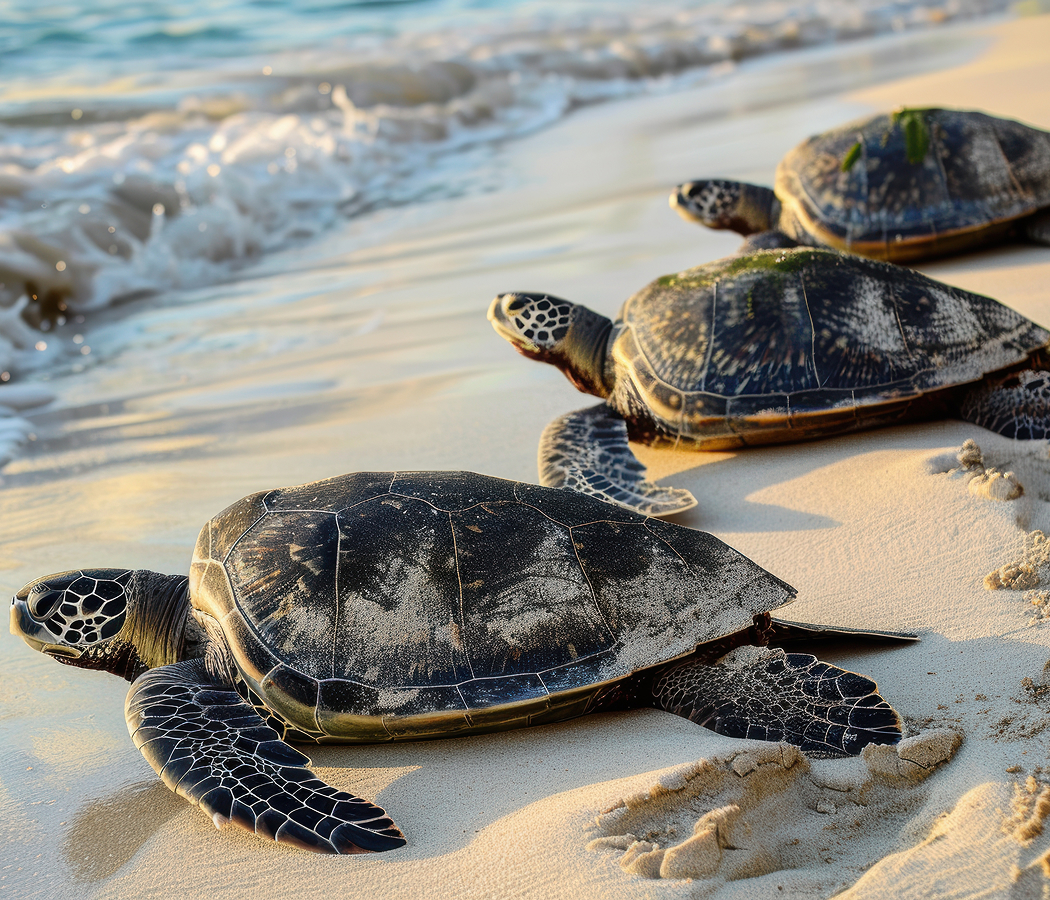
Mexican Caribbean culture in Cancún reflects the interaction of Maya heritage, migration from across Mexico, and the international hospitality economy that brought the modern city into existence. Unlike older cities of the Yucatán Peninsula, Cancún acquired much of its contemporary population during the late twentieth century, attracting workers, entrepreneurs, and families from neighboring states and distant regions of the country. This migration created a diverse urban community whose food, music, festivals, and everyday customs draw upon traditions from across Mexico. The surrounding region retains an important Maya cultural presence, with Yucatec Maya language, religious observances, agricultural knowledge, and artisanal practices continuing in communities throughout Quintana Roo and neighboring Yucatán. The Museo Maya de Cancún presents archaeological collections devoted to Maya civilization, with exhibitions exploring regional history, ceremonial objects, sculpture, and the development of ancient settlements. Its grounds incorporate the San Miguelito archaeological site, where surviving structures stand within a wooded landscape inside the Hotel Zone. The nearby El Rey archaeological zone preserves additional remains of a Postclassic Maya coastal settlement, connecting the modern resort district with the peninsula's earlier maritime history. Cancún's cultural institutions include the Teatro de Cancún, which hosts theatrical productions, musical performances, and touring entertainment. Public celebrations throughout the year incorporate Mexican national holidays, regional festivals, and religious observances, with downtown gathering spaces serving as important venues for community participation. Día de Muertos brings altars, floral decorations, and commemorative activities reflecting Mexican traditions of remembrance. The annual Carnaval de Cancún contributes music, dance, costumes, and public festivities to the city's cultural calendar. Contemporary nightlife forms another substantial part of Cancún's international reputation, particularly around Punta Cancún, where clubs, live music venues, and large entertainment complexes serve visitors from around the world. The destination's culinary landscape draws upon the seafood traditions of the Caribbean coast and the distinctive cooking of the Yucatán Peninsula. Cochinita pibil, pork marinated with achiote and sour orange before slow cooking, represents one of the region's most recognizable dishes. Panuchos and salbutes, prepared with fried corn tortillas and savory toppings, remain staples of Yucatecan street food. Sopa de lima combines chicken broth, citrus, tortilla strips, and aromatic seasonings, reflecting the peninsula's characteristic use of local ingredients. Tikin xic, fish marinated in achiote and citrus before grilling, connects coastal seafood with Maya-influenced cooking techniques. Fresh ceviche, grilled fish, shrimp, and octopus feature prominently in restaurants throughout the destination, supported by the fishing communities of the surrounding Caribbean coast. Cancún's contemporary dining scene also includes regional Mexican restaurants, international hotel kitchens, and upscale establishments interpreting traditional ingredients through modern culinary techniques. Local markets and neighborhood restaurants provide an important counterpoint to the Hotel Zone's resort dining, sustaining everyday food traditions among the city's permanent population. Marine recreation contributes another defining dimension to the destination, with diving, snorkeling, sailing, and fishing connected to the surrounding reef and island environments. Conservation initiatives focused on coral restoration, sea turtle protection, and mangrove preservation reflect the importance of maintaining these ecosystems. Cancún's cultural character ultimately reflects a modern Mexican city shaped by migration, rooted in the historical landscape of the Maya world, and closely connected to the Caribbean environment that sustains its international appeal.
Five fascinations.
5. Cancún was deliberately created as a tourism city.
Modern Cancún barely existed as an urban destination before the Mexican government selected the area for large-scale tourism development around the beginning of the 1970s. Planners identified the narrow barrier island and surrounding Caribbean coastline as the foundation for a purpose-built resort center, then developed hotels, roads, utilities, an airport, and an accompanying mainland city. The Hotel Zone subsequently stretched along the distinctive strip between the Caribbean Sea and Nichupté Lagoon. Cancún differs fundamentally from resort cities that evolved gradually around older settlements: much of its modern character originated in a coordinated national development project that transformed a sparsely populated coastline into an international tourism center.
4. Cancún's Hotel Zone occupies a narrow barrier island between two radically different bodies of water.
The Zona Hotelera extends along a slender, curved landform with the Caribbean Sea on one side and the Nichupté Lagoon system on the other. This unusual geography produces dramatically different environments within a short distance: turquoise surf and broad beaches face east, while mangroves, wetlands, channels, and sheltered lagoon waters define the opposite shore. Bridges connect the strip with mainland Cancún at its northern and southern ends, helping create the recognizable shape often compared with the number seven. Cancún's famous resort corridor is not simply beachfront development; it occupies a narrow coastal landform suspended between open sea and an ecologically complex lagoon.
3. The turquoise water surrounding Cancún owes much of its color to an extraordinary combination of geology and light.
The Yucatán Peninsula is dominated by pale limestone, while the Caribbean waters around Cancún contain extensive shallow areas with light-colored carbonate sand beneath exceptionally clear tropical water. Sunlight penetrates these waters and interacts with the bright seafloor, intensifying the blue and turquoise wavelengths visible from above. Fine pale sand similarly gives Cancún's beaches their luminous appearance. The celebrated color palette associated with the destination emerges from physical conditions extending beneath the surface: limestone geology, carbonate sediments, shallow coastal bathymetry, clear water, and intense subtropical sunlight combine to create the brilliant marine landscape.
2. Cancún sits beside one of the world's most extraordinary underground water landscapes.
The Yucatán Peninsula contains highly permeable limestone through which rainfall moves underground. Over immense periods, dissolution created caves, flooded passages, and sinkholes known as cenotes. These subterranean systems form vast groundwater networks beneath the peninsula, with some cave systems extending for extraordinary distances near the Caribbean coast. Cenotes held profound significance for the ancient Maya as water sources and sacred places, and they remain defining features of the region surrounding Cancún. The destination's tropical landscape conceals an enormous hydrological world beneath the ground, shaped by the same limestone geology visible throughout the Yucatán.
1. Cancún stands at the gateway to a coastline shaped by one of the great civilizations of the ancient Americas.
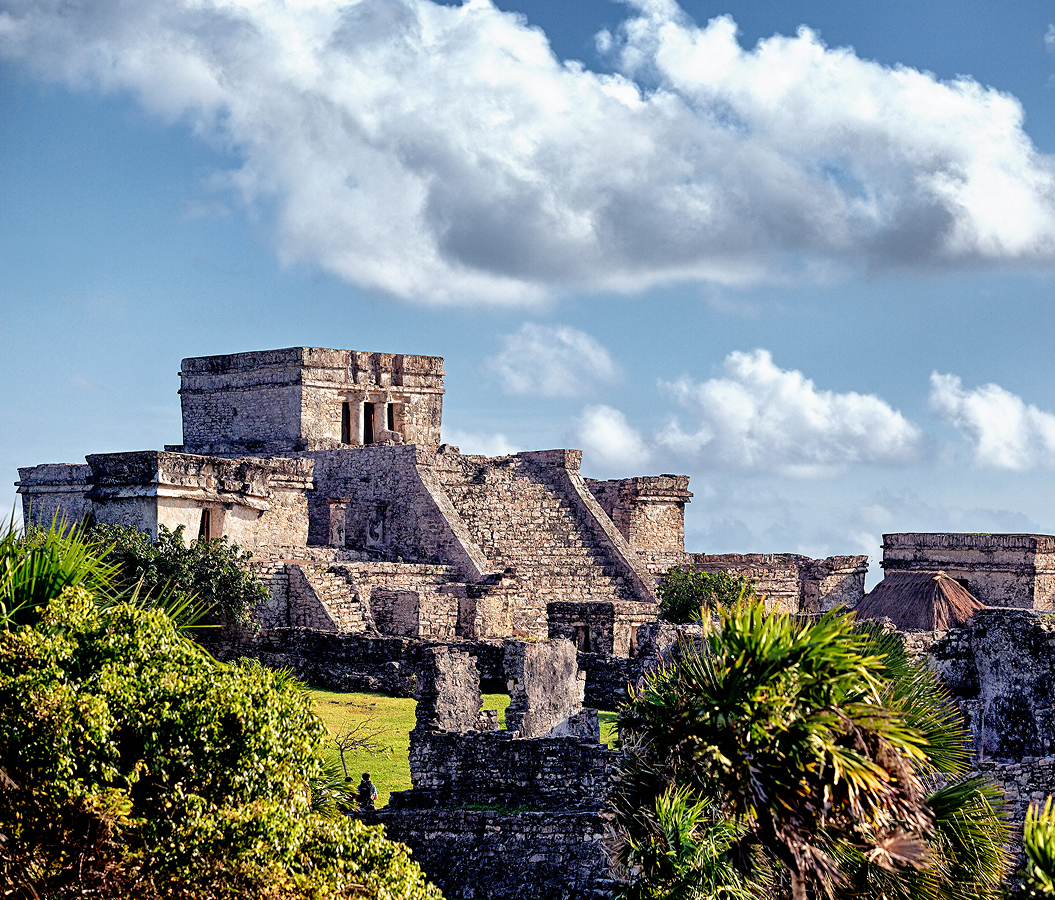
Long before the modern resort existed, Maya communities occupied the surrounding Yucatán Peninsula and Caribbean coast. El Meco developed near present-day Cancún, while the archaeological site of El Rey survives directly within the Hotel Zone, where stone structures stand amid contemporary resort development. Farther along the coast, Tulum became a fortified Maya settlement overlooking the Caribbean from limestone cliffs and participated in regional maritime trade. Cancún occupies a landscape whose international connections predate modern aviation and tourism by centuries: the same Caribbean shoreline now lined with resorts once connected Maya communities through sophisticated political, religious, and commercial networks.
Where your story begins.
Foresyte Travel reveals places that feel extraordinary long before you arrive.
Enjoy editorial crafted for luxury travelers.
Foresyte may earn a commission when you book.