Why El Rey Archaeological Zone matters.
El Rey Archaeological Zone isn't just a cluster of weathered stone, it's the quiet heart of Cancún before the high-rises, a whisper of an ancient world still humming beneath the Caribbean sun.
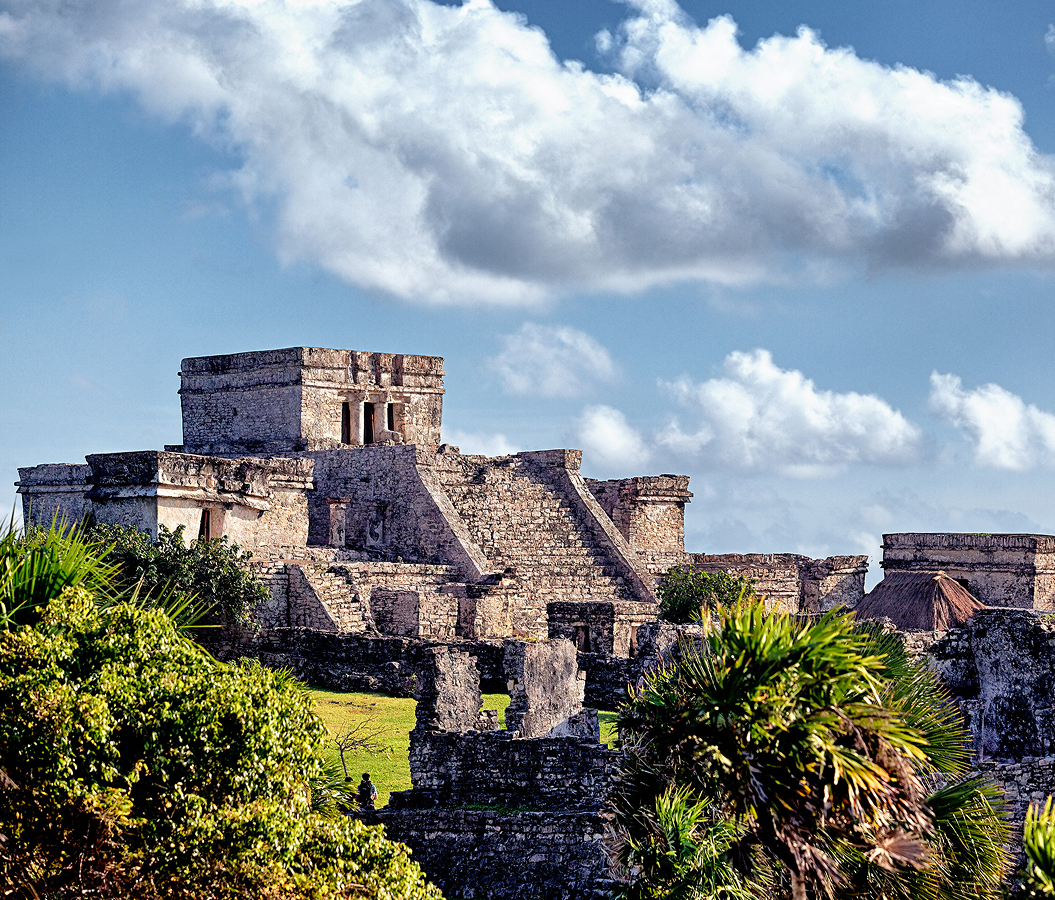
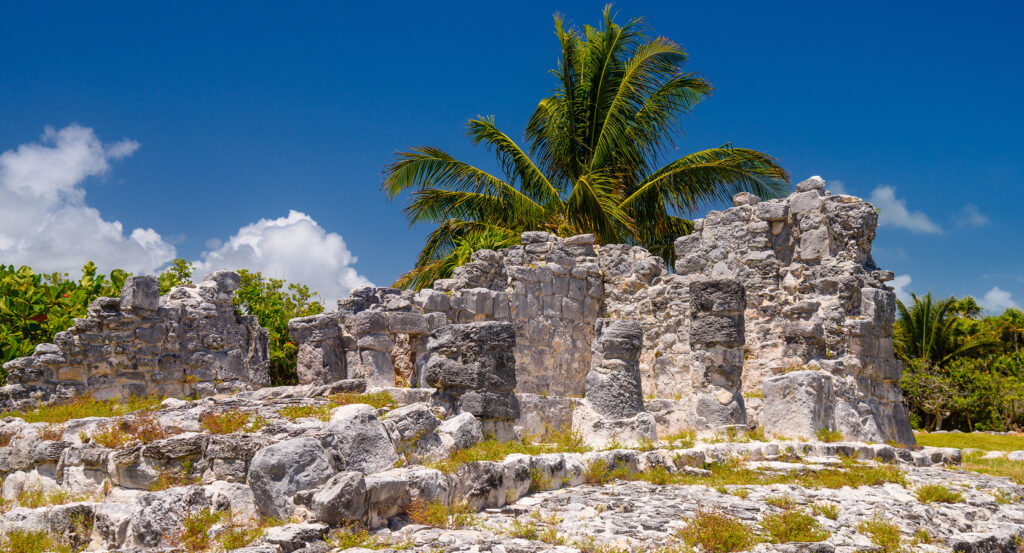
Tucked between the resort corridor and the turquoise coastline, El Rey feels almost hidden in plain sight. Once a thriving Maya trading post and ceremonial center, it dates back more than 1,500 years, serving as a crucial link between inland cities and the coastal routes that carried salt, obsidian, and jade across the Yucatán. Today, the ruins remain remarkably accessible, a tranquil, open-air escape from the city's pulse. You'll wander among crumbling temples, low-lying pyramids, and shaded courtyards where iguanas bask lazily on sun-warmed stones. There's no glass barrier, no velvet rope, just the soft rustle of palms and the distant crash of waves. The tallest structure, Temple 2, still commands a panoramic view of the lagoon and sea beyond, echoing the watchtowers that once kept vigilant eyes on maritime trade. Unlike the grandeur of Chichén Itzá or Tulum, El Rey invites intimacy: here, history doesn't shout, it murmurs. Every weathered carving and moss-covered stair feels like an invitation to listen closer, to sense the pulse of a civilization that once moved with both reverence and rhythm.
What defines El Rey Archaeological Zone.
Beneath its calm surface, El Rey holds stories of commerce, conquest, and quiet endurance that mirror the Maya's ingenuity.
Archaeologists believe the site reached its peak between the 13th and 16th centuries CE, functioning as both a spiritual and economic hub connected to the wider network of coastal Maya settlements. Its name, El Rey (“The King”), comes from a sculpted mask discovered on the site, believed to represent Kinich Ahau, the sun god who symbolized rulership and divine power. Excavations have revealed residential complexes, burial chambers, and ceremonial platforms aligned with solar and lunar cycles, subtle architectural expressions of cosmic balance. Long after its zenith, El Rey continued to play a role during early Spanish contact; conquistadors documented remnants of Maya leadership still residing near the coast. Over the centuries, hurricanes, erosion, and modern development threatened to erase its memory, but restoration efforts in the 1970s preserved the core ruins as Cancún's skyline began to rise around them. What makes El Rey truly remarkable is its contrast, a sacred Maya site framed by hotels and boulevards, where pre-Columbian silence meets contemporary bustle. Stand among the columns and you'll see iguanas resting atop altars once used for offerings, the animals now the unofficial guardians of this forgotten kingdom. Interpretive signs reveal that some structures once housed priests and astronomers who mapped the heavens from this ground. Even today, archaeologists continue to find pottery shards and obsidian fragments that speak of everyday lives, traders, farmers, and artisans whose world stretched far beyond these stones. El Rey endures as proof that the past is never buried, it simply waits for those who care to look closely enough.
How El Rey Archaeological Zone fits.
A visit to El Rey Ruins is the perfect counterbalance to Cancún's modern rhythm, a pause between the resort's glitter and the region's ancient soul.
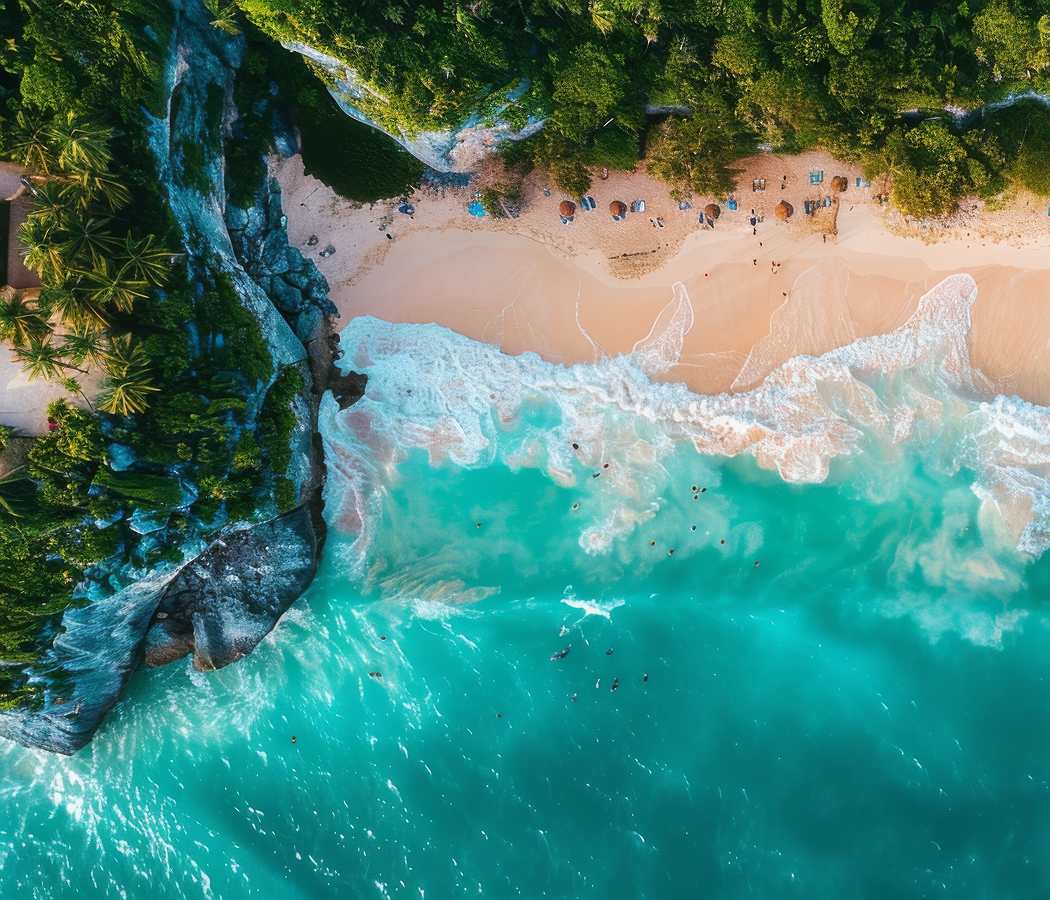
Start the morning early, before the Caribbean heat climbs, when the site is quiet and the light softens the limestone walls in hues of honey and gold. Located at Km 18 on Boulevard Kukulkán, the entrance is easy to miss, a humble gate that opens into an entirely different era. Wander the footpaths slowly, taking time to study the low temples and the central plaza where rituals once greeted the sun. Bring water, sunscreen, and curiosity; you'll find shade beneath ceiba trees, sacred to the Maya as the link between worlds. Guides are available at the entrance, and their storytelling brings the ruins alive, tales of astronomy, trade, and the migration of people who moved with the tide. Pause often to appreciate the stillness; the iguanas that dot the site seem to perform their own unhurried choreography. If you have a camera, focus less on grandeur and more on texture, the grain of the stone, the blend of shadow and light, the delicate wildflowers reclaiming the ground. Afterward, walk or ride a short distance north to Playa Delfines, among Cancún's most scenic beaches, where the turquoise horizon feels like a continuation of El Rey's cosmic design. For a deeper historical context, pair your visit with a trip to the Museo Maya de Cancún, which houses artifacts excavated directly from the site. If you visit at sunset, you'll find El Rey transformed, the stones glowing amber, the ocean breeze threading through the palms, the city's noise fading into reverent quiet. El Rey Archaeological Zone isn't a relic trapped in time, it's a living reminder that Cancún's foundation was spiritual long before it was touristic. To walk here is to feel the meeting point of worlds, where the ancient sun god still warms the stones, and the pulse of the Maya still beats beneath your feet.
Where your story begins.
Foresyte Travel reveals places that feel extraordinary long before you arrive.
Enjoy editorial crafted for luxury travelers.
Foresyte may earn a commission when you book.