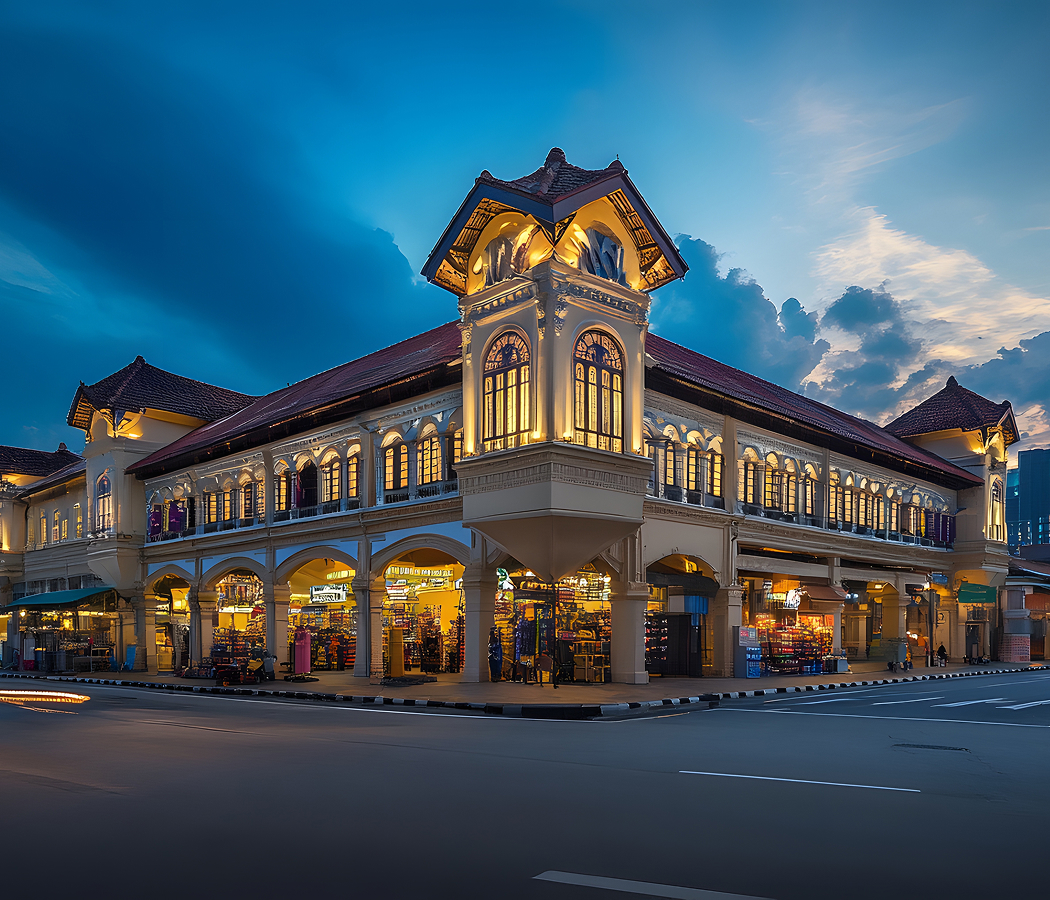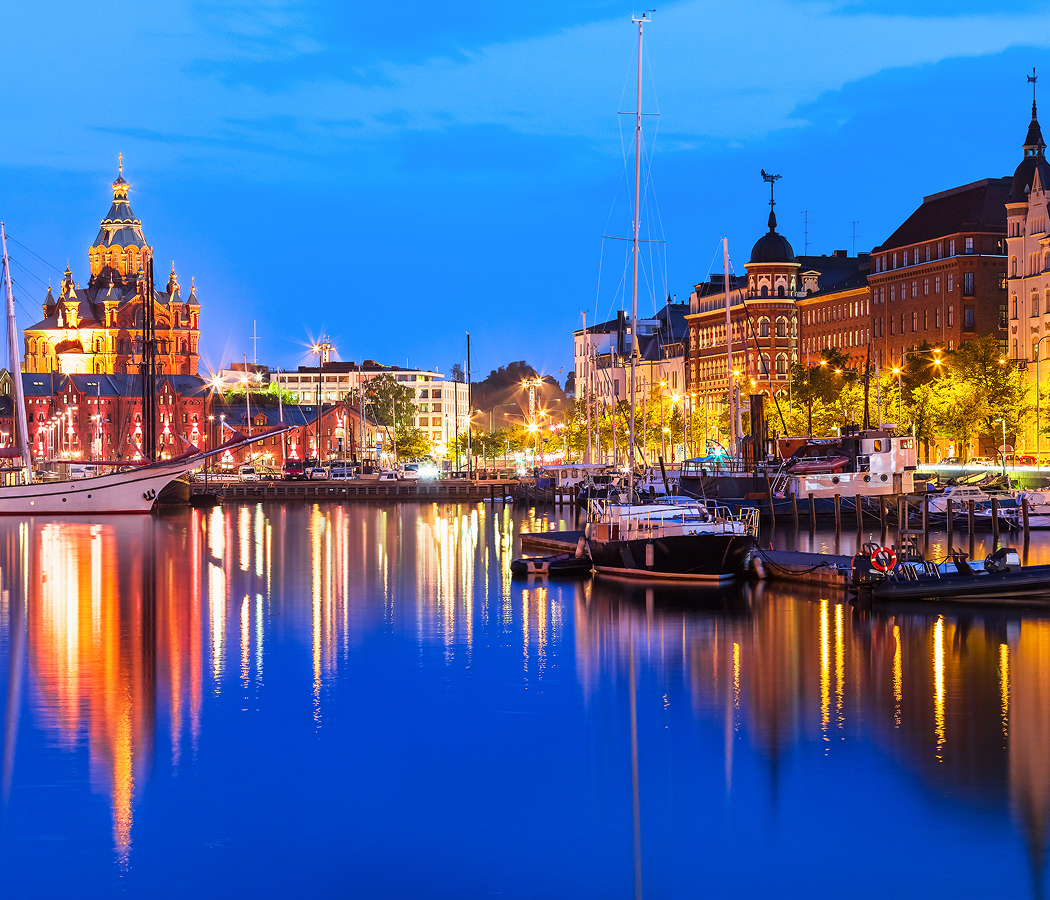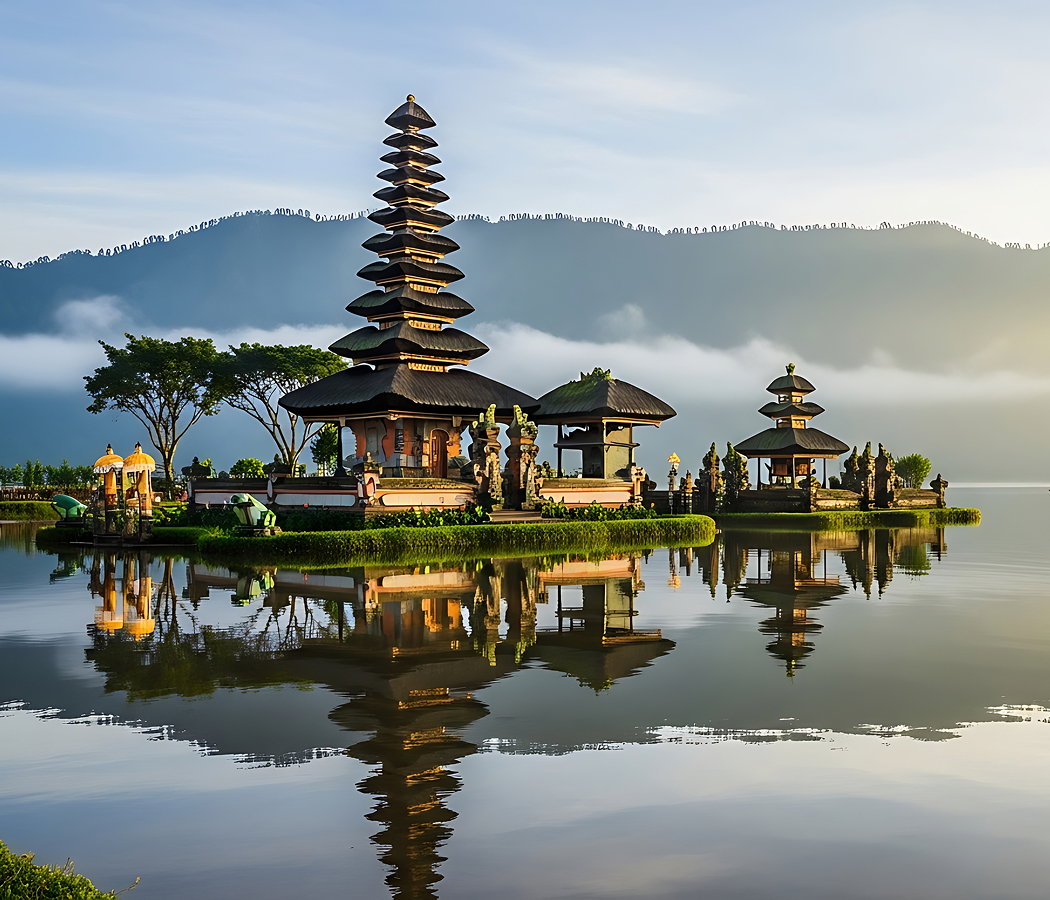
Top places to stay in Istanbul, Türkiye.
Istanbul carries the hospitality legacy of two great imperial capitals, Constantinople and Ottoman Istanbul, where commerce between Europe and Asia, royal patronage, and the movement of merchants and pilgrims fostered a tradition of caravanserais, waterfront palaces, and cosmopolitan urban life. Founded as Byzantium by Greek settlers in the seventh century BCE, the settlement occupied a commanding position between the Black Sea and the Sea of Marmara, where maritime traffic connected Mediterranean commerce with the eastern Mediterranean and the wider Black Sea region. Constantine I refounded the city as Constantinople in 330 CE, establishing a new imperial capital whose palaces, churches, markets, and ceremonial avenues attracted visitors from across the Roman world. The Byzantine Empire sustained an elaborate infrastructure of commercial lodging and religious hospitality, with merchants occupying inns near the principal markets and travelers finding accommodation through monasteries and charitable institutions. Following the Ottoman conquest of 1453, Mehmed II transformed Constantinople into the capital of an expanding empire, encouraging population growth and the development of commercial institutions serving merchants from Europe, Asia, and the Middle East. The construction of substantial caravanserais and hans established a sophisticated network of accommodation, storage, and commercial exchange, particularly around the Grand Bazaar and the principal trading districts near the Golden Horn. Ottoman court culture introduced an equally influential tradition of ceremonial reception, with imperial palaces and aristocratic waterfront residences providing elaborate settings for diplomatic encounters and distinguished guests. During the nineteenth century, the Tanzimat reforms encouraged modernization and strengthened commercial relationships with European capitals, bringing foreign diplomats, financiers, and international travelers into an increasingly cosmopolitan metropolis. The opening of the Pera Palace Hotel in 1895 established a landmark of European-style luxury hospitality, closely associated with passengers arriving aboard the Orient Express. Its elaborate interiors and modern conveniences reflected the ambitions of a city positioned between Ottoman imperial traditions and the commercial culture of industrial Europe. The opening of the Tokatlıyan Hotel in the late nineteenth century introduced another prestigious establishment in Pera, reinforcing the district's reputation for international society and sophisticated metropolitan accommodation. The dissolution of the Ottoman Empire and the establishment of the Turkish Republic in 1923 transformed Istanbul's political position, although its commercial institutions and cultural influence continued to shape the country's international relationships. The expansion of maritime transportation and commercial aviation during the twentieth century encouraged the development of contemporary hotels along the Bosphorus and within the principal business districts. The opening of the Istanbul Hilton in 1955 introduced a major expression of international modernist hospitality, with its prominent hillside position overlooking the Bosphorus symbolizing the city's expanding connections with Western commerce and tourism. The restoration of Ottoman palaces and historic waterfront mansions subsequently introduced an influential model of luxury accommodation grounded in architectural preservation. The opening of Çırağan Palace Kempinski in 1991 transformed a former imperial residence into one of Istanbul's most distinguished hospitality landmarks, connecting the ceremonial architecture of the Ottoman court with contemporary international luxury. The expansion of Istanbul's financial institutions, cultural festivals, and international transportation infrastructure encouraged further investment in sophisticated hotels across both sides of the Bosphorus. Istanbul's hospitality history expresses the extraordinary continuity between Byzantine commerce, Ottoman imperial ceremony, European grand hotel culture, and the contemporary international significance of a city occupying two continents.
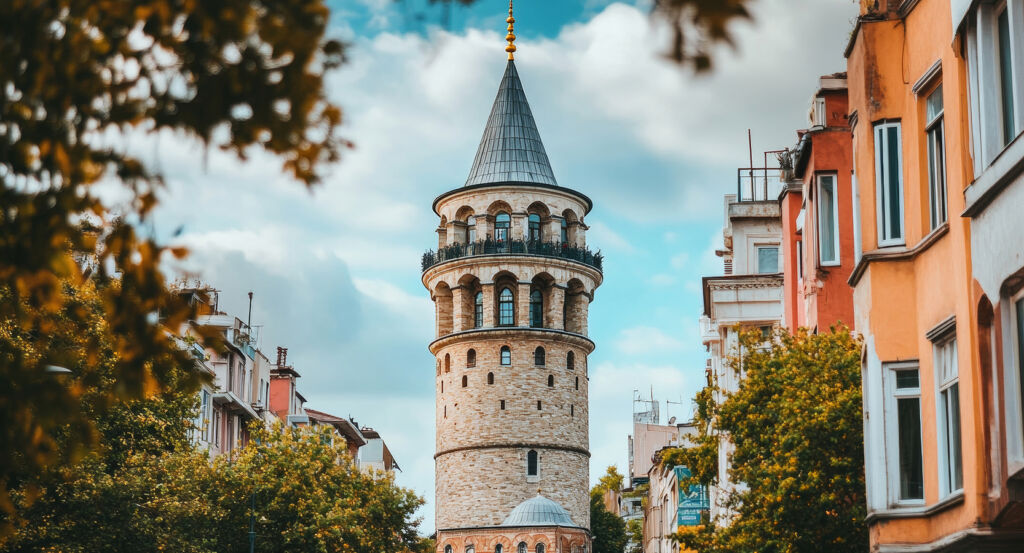
Istanbul's most distinguished places to stay occupy a dramatic maritime landscape where the Bosphorus divides Europe and Asia, the Golden Horn penetrates the historic peninsula, and grand hills rise above centuries of imperial architecture. Sultanahmet forms the ceremonial heart of historic Istanbul, with intimate hotels occupying restored Ottoman residences and substantial historic buildings near Hagia Sophia, the Blue Mosque, and the ancient Hippodrome. The district's narrow streets and enclosed courtyards preserve an intimate architectural environment, with rooftop terraces overlooking the domes and minarets of the historic peninsula. The adjoining streets of Sirkeci occupy a strategic position between the former imperial center and the Golden Horn, where substantial commercial buildings and restored historic properties support accommodation near the principal ferry terminals and transportation connections. Westward, the neighborhoods surrounding the Grand Bazaar retain a dense commercial environment shaped by historic hans, covered markets, and grand religious institutions, offering a distinctive setting for visitors interested in the city's traditional mercantile culture. Across the Golden Horn, Galata rises through steep streets surrounding its medieval tower, with restored commercial buildings, substantial nineteenth-century residences, and intimate boutique hotels overlooking the historic waterfront. The neighborhood's architectural character reflects the influence of European merchants and financial institutions, whose substantial stone buildings contributed to the development of a cosmopolitan commercial district. Farther uphill, Beyoğlu extends along İstiklal Avenue through an architectural landscape of elaborate apartment buildings, historic passages, and prestigious cultural institutions. The streets surrounding Pera preserve distinguished examples of nineteenth-century European-influenced architecture, with grand hotels occupying prominent positions near galleries, theaters, and established restaurants. Taksim Square introduces a more contemporary metropolitan environment through substantial hotels, commercial towers, and major transportation connections, establishing an important center for business and international visitors. Northeast along the Bosphorus, Beşiktaş occupies a lively waterfront district where historic commercial streets and substantial contemporary buildings extend toward the former imperial palace precincts. The adjoining neighborhoods of Dolmabahçe and Çırağan preserve a grand architectural landscape through elaborate palace façades, landscaped gardens, and prestigious waterfront properties overlooking the strait. Farther north, Ortaköy offers a more intimate setting through its historic village streets, substantial waterfront residences, and celebrated mosque positioned near the Bosphorus Bridge. The neighboring districts of Kuruçeşme and Arnavutköy preserve an exceptional concentration of Ottoman waterfront mansions, with timber façades, enclosed gardens, and narrow streets reflecting the residential traditions of the imperial elite. Bebek introduces a particularly distinguished residential environment through its sheltered bay, substantial hillside estates, and prestigious waterfront restaurants, supporting intimate luxury accommodation within one of the city's most desirable Bosphorus neighborhoods. Across the strait, Üsküdar occupies a historic Asian waterfront district distinguished by grand mosques, traditional commercial streets, and panoramic views toward the European skyline. The neighboring Kuzguncuk district preserves an intimate residential environment through colorful timber houses, historic religious institutions, and established neighborhood cafés. Farther south, Kadıköy developed into a substantial commercial and cultural center, with contemporary hotels occupying prominent positions near the ferry terminals, shopping streets, and the residential neighborhoods extending toward Moda. The district's waterfront promenades and established restaurant culture create a distinctive alternative to the grand architecture of the European historic center. North of the Central Bosphorus corridor, the hills surrounding Levent and Maslak contain Istanbul's principal contemporary business districts, where substantial office towers and sophisticated metropolitan hotels reflect the expansion of international finance and corporate activity. These contrasting environments establish an extraordinary hospitality geography extending from intimate Ottoman courtyard residences and grand European grand hotels to restored imperial palaces, prestigious Bosphorus mansions, and contemporary metropolitan towers overlooking the waterways that define Istanbul. Foresyte may earn a commission when you book.
Foresyte Travel's top five choices.
5. Four Seasons Hotel Istanbul at Sultanahmet
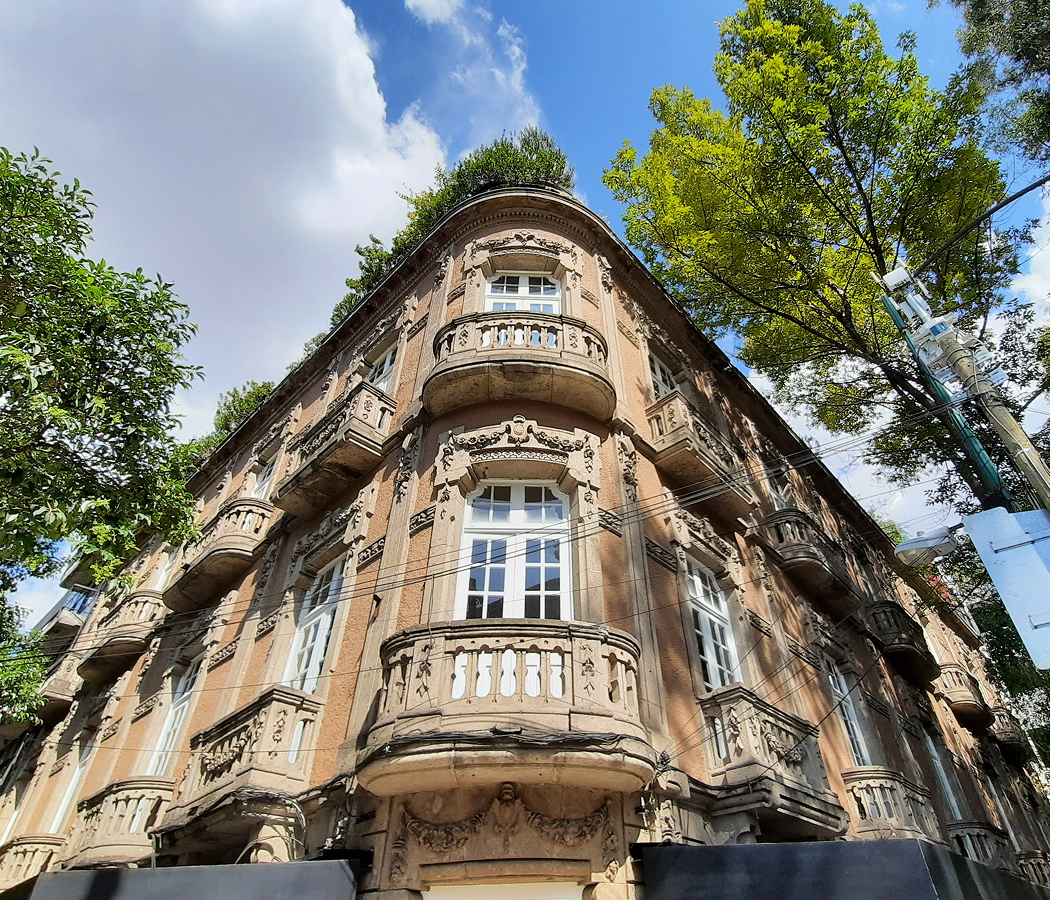
Four Seasons Hotel Istanbul at Sultanahmet occupies a neoclassical building constructed during the final decades of the Ottoman Empire and originally used as a prison within the historic peninsula. Political dissidents, writers and intellectuals passed through the institution, including poet Nâzım Hikmet, giving the building a direct connection with the turbulent political history of twentieth-century Turkey. Architect Sinan Kafadar led its transformation into a hotel, preserving the courtyard-centered plan and neoclassical exterior within a district dominated by Hagia Sophia, the Blue Mosque and Topkapı Palace. The conversion turned a structure created for confinement into one of Istanbul's most distinctive adaptive-reuse projects, embedding contemporary hospitality inside the administrative and political fabric of the late Ottoman capital.
4. Shangri-La Bosphorus, Istanbul
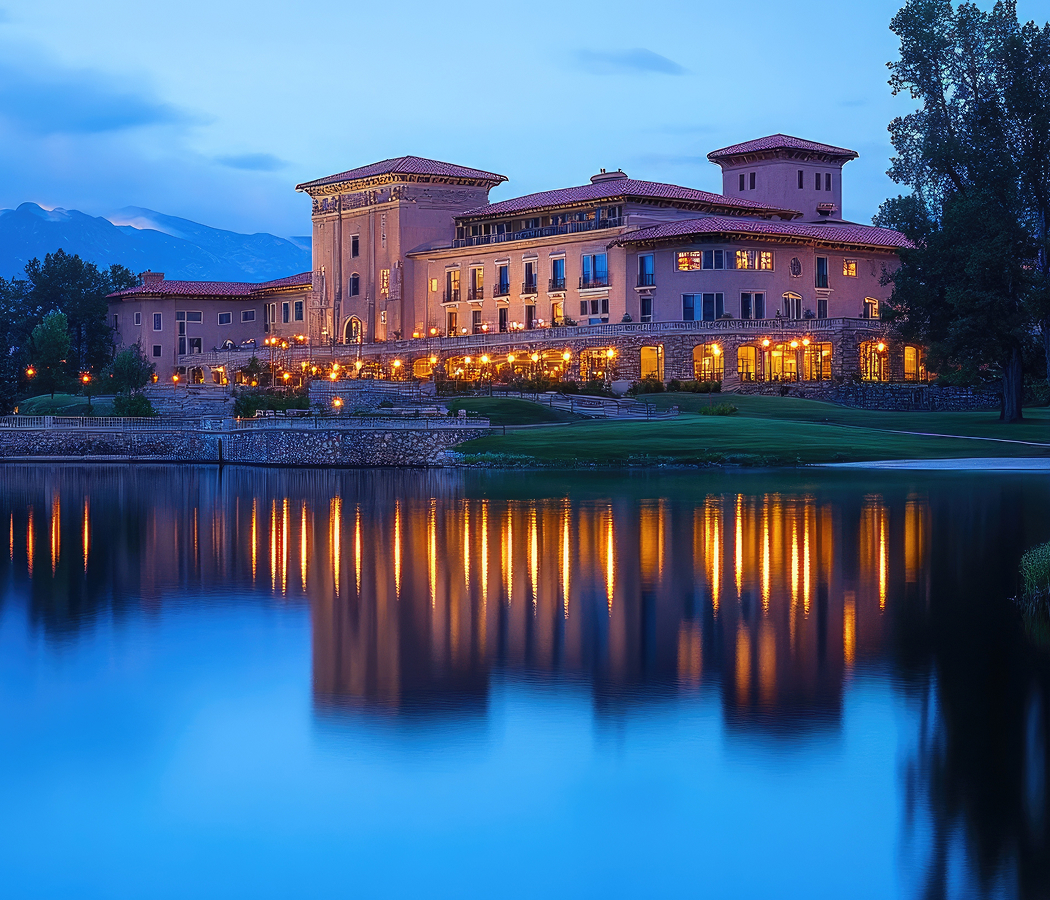
Shangri-La Bosphorus, Istanbul occupies a waterfront complex in Beşiktaş whose principal historic building originated as a tobacco warehouse during the early twentieth century. The property stands beside the Naval Museum and near Dolmabahçe Palace, placing it within a Bosphorus district transformed by Ottoman palaces, maritime institutions and later commercial development. Architect Tanju Özelgin participated in the conversion, which retained the protected exterior and extended substantial portions of the hotel below ground to preserve the historic building's relationship with the waterfront. Its 2013 opening gave Shangri-La its first property in Turkey and joined an Asian luxury-hotel group to a restored industrial structure on one of Istanbul's most historically consequential shorelines.
3. Raffles Istanbul
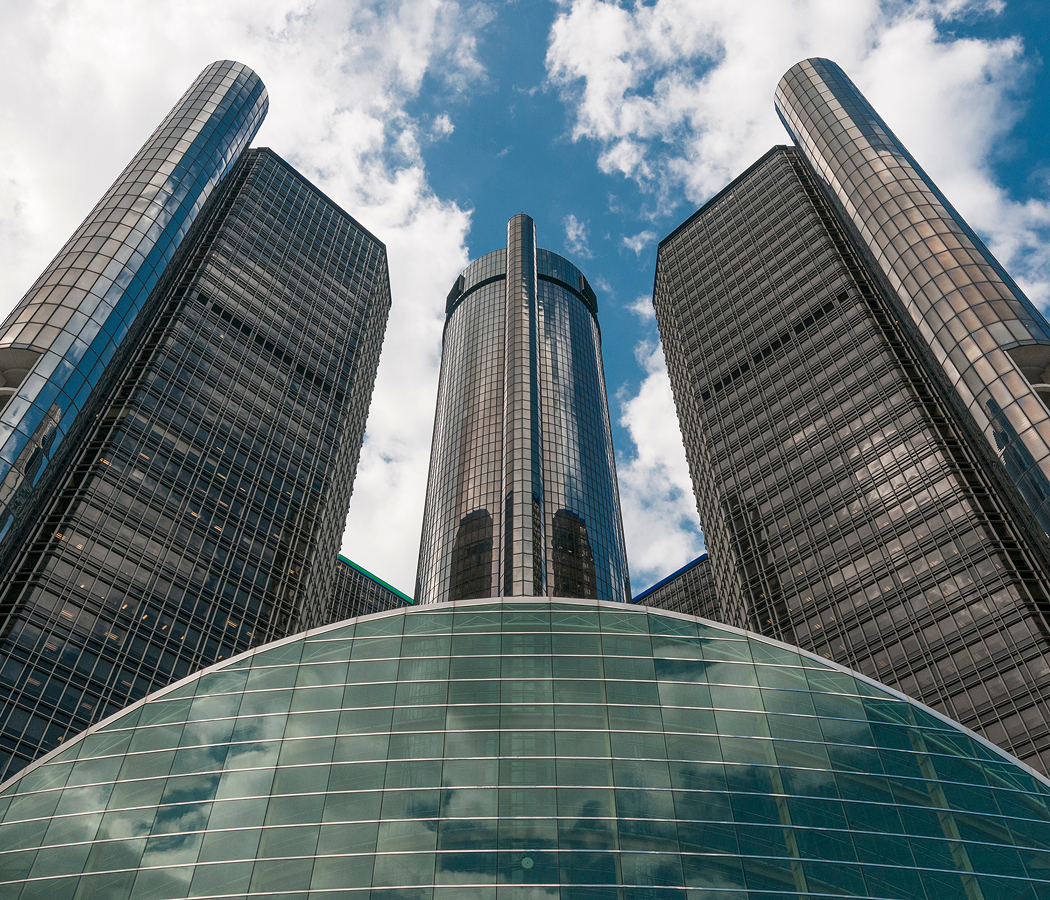
Raffles Istanbul forms part of Zorlu Center, the enormous mixed-use development that introduced a new concentration of architecture, retail, culture, offices and residences to the Zincirlikuyu district. Emre Arolat Architects and Tabanlıoğlu Architects developed the complex after an international design competition, organizing its buildings around a large public plaza and extensive landscaped spaces above a major transportation junction. Raffles opened there in 2014 as the hotel component of the development, with interiors and a substantial contemporary art program drawing upon Istanbul's position between Europe and Asia. The property represents a distinctly twenty-first-century chapter of the city, tied to the northward expansion of Istanbul's commercial center and the emergence of large mixed-use developments beyond the historic peninsula.
2. Four Seasons Hotel Istanbul at the Bosphorus
Four Seasons Hotel Istanbul at the Bosphorus occupies the nineteenth-century Atik Pasha Palace on the European shore in Beşiktaş, part of the extraordinary sequence of Ottoman waterfront residences that reshaped the Bosphorus during the empire's final century. The palace was associated with Atik Pasha and later passed through institutional uses that substantially altered the property before its conversion into a hotel. Architect Sinan Kafadar directed a restoration that recovered the waterfront palace as the centerpiece of a larger complex arranged around gardens and the Bosphorus shoreline. Its 2008 opening gave Four Seasons a second Istanbul property whose significance derives directly from the Ottoman tradition of constructing imperial and aristocratic residences along the strait.
1. Ciragan Palace Kempinski
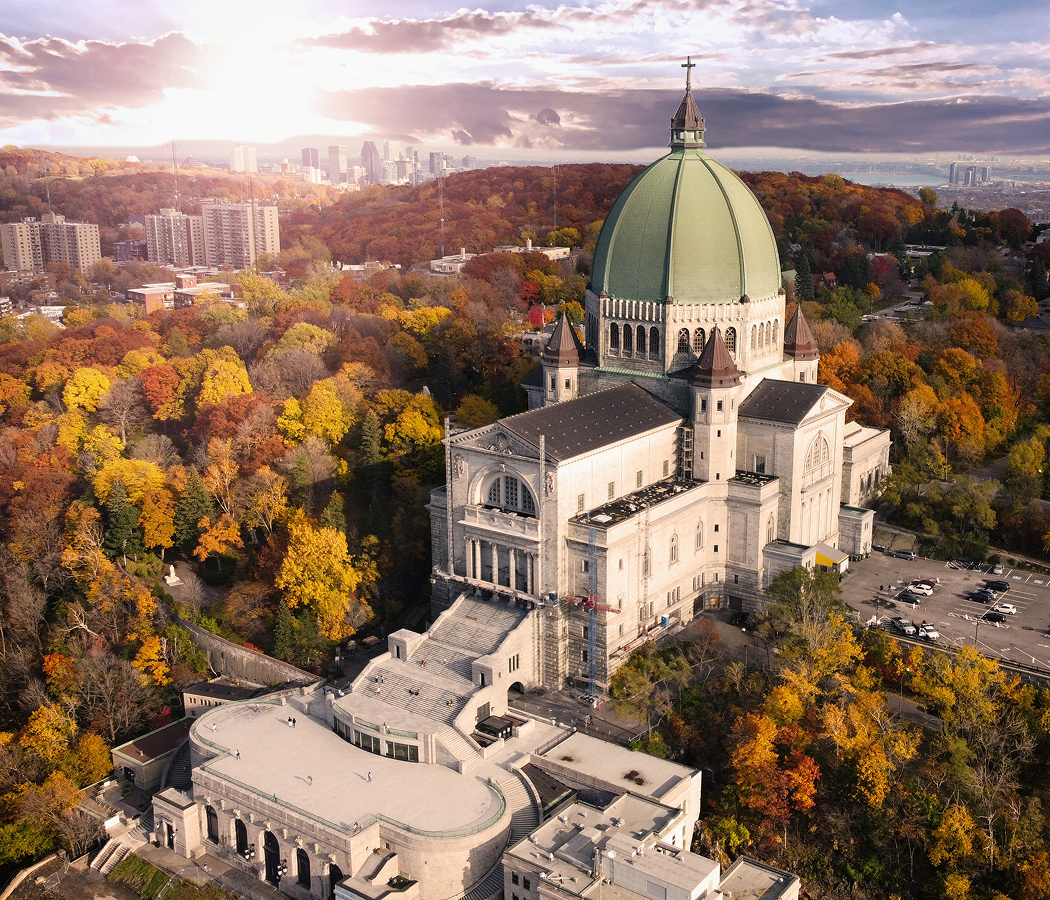
Çırağan Palace Kempinski occupies the site of an Ottoman imperial residence whose present palace was commissioned by Sultan Abdülaziz and completed in 1871 under the Balyan architectural dynasty. Its carved stone façade formed part of the nineteenth-century sequence of imperial buildings that transformed the European Bosphorus shoreline as Ottoman rulers adopted increasingly elaborate architectural expressions of dynastic power. Sultan Murad V lived under confinement at Çırağan after his deposition in 1876, and a devastating 1910 fire subsequently reduced the palace interiors to a shell that stood for decades. Restoration returned the surviving palace to use alongside a modern hotel wing in the early 1990s, preserving one of the Bosphorus's great imperial compositions at the intersection of Ottoman architecture, dynastic history and Istanbul's modern hospitality era.
Where your story begins.
Foresyte Travel reveals places that feel extraordinary long before you arrive.
Enjoy editorial crafted for luxury travelers.
Foresyte may earn a commission when you book.