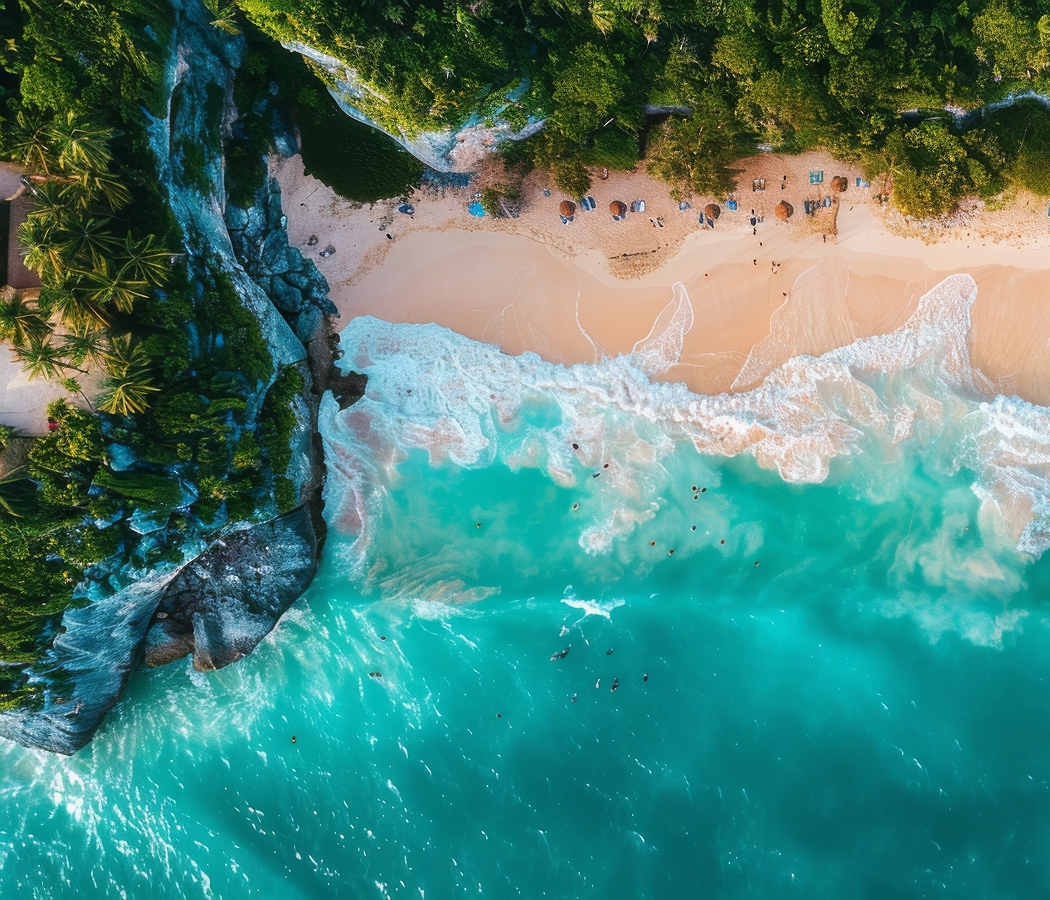
Top places to stay in San Francisco, California.
San Francisco owes its celebrated hospitality heritage to the California Gold Rush, the maritime wealth of its Pacific harbor, and the fortunes of the transcontinental railroad, with the rebuilding that followed the 1906 earthquake ushering in an era of grand urban luxury, architectural innovation, and international travel. The discovery of gold at Sutter's Mill in 1848 brought an unprecedented influx of newcomers, creating immediate demand for boardinghouses, commercial inns, and increasingly substantial hotels near the developing waterfront. The completion of the transcontinental railroad in 1869 strengthened connections with the eastern United States, encouraging investment in prestigious accommodation for wealthy visitors and business travelers. Financier William Chapman Ralston commissioned the original Palace Hotel, which opened in 1875 with an immense central court and elaborate facilities that established a new standard of metropolitan luxury. The fortunes accumulated through mining, banking, and railroad construction also supported the development of Nob Hill, where prominent industrialists built imposing residences overlooking the commercial center. The opening of the St. Francis Hotel on Union Square in 1904 introduced another distinguished hospitality institution, connecting grand hotel culture with the city's emerging luxury shopping district. The earthquake and fires of 1906 devastated much of San Francisco's commercial center, destroying numerous hotels and accelerating an extraordinary period of architectural reconstruction. The Fairmont San Francisco opened in 1907 following the restoration of its fire-damaged interiors, establishing a prestigious hilltop institution associated with international society and ceremonial entertaining. The rebuilt Palace Hotel opened in 1909, introducing its grand Garden Court as a celebrated setting for formal dining and public gatherings. The Panama-Pacific International Exposition of 1915 attracted international visitors and celebrated the city's recovery, strengthening its reputation as a sophisticated Pacific metropolis. The opening of the Mark Hopkins Hotel in 1926 introduced another landmark associated with the former estates of the railroad elite. The completion of the Golden Gate Bridge in 1937 subsequently expanded the city's international recognition and encouraged automobile tourism throughout Northern California. During the postwar decades, expanding aviation networks and international commerce supported substantial metropolitan hotels serving corporate travelers and convention visitors. The opening of the Hyatt Regency San Francisco in 1973 introduced an expansive modern hotel along the Embarcadero, reflecting renewed investment in the waterfront. The inauguration of the Moscone Center in 1981 strengthened the city's convention economy, encouraging further development of prestigious accommodation around the commercial center. The subsequent expansion of Silicon Valley and the technology industry introduced another influential source of international business travel. Historic preservation and adaptive reuse brought new hospitality investment into former commercial buildings, reinforcing San Francisco's reputation for accommodation distinguished by architectural character. The city's hotel industry expresses the relationship between Gold Rush prosperity, Pacific commerce, architectural reinvention, and the international cultural influence of Northern California.
San Francisco's accommodation geography follows the dramatic relationship between its steep central hills, historic commercial districts, and sheltered waterfront, creating distinctive settings for grand hotels and intimate boutique properties. Union Square occupies the traditional heart of metropolitan hospitality, where substantial early twentieth-century buildings and contemporary towers surround a landscaped public square associated with luxury retail and theater. The adjoining streets preserve elaborate commercial façades, prominent department stores, and substantial masonry buildings whose architectural character reflects the city's emergence as a major Pacific financial center. Northeast of the square, Nob Hill rises steeply above Downtown, establishing an elevated residential environment distinguished by expansive stone buildings, prestigious hotels, and panoramic views across San Francisco Bay. Grace Cathedral and Huntington Park anchor the hilltop landscape, with surrounding accommodation occupying prominent positions along California and Mason streets. The neighborhood's steep approaches and substantial historic architecture create a particularly distinguished setting for traditional luxury hospitality. Eastward, the Financial District extends through a dense concentration of historic banking buildings and contemporary skyscrapers, with prestigious hotels occupying positions near the Transamerica Pyramid and the principal commercial institutions of the metropolitan center. The neighboring Jackson Square district preserves a more intimate architectural environment through nineteenth-century brick buildings, former warehouses, and carefully restored commercial properties. Along the Embarcadero, substantial waterfront hotels overlook the Bay Bridge, historic piers, and the broad waters of San Francisco Bay. The Ferry Building establishes an expansive landmark through its clock tower and restored market halls, connecting the historic maritime district with contemporary restaurants and public waterfront spaces. Northward, the streets surrounding Fisherman's Wharf introduce a recreational hospitality environment near the city's historic fishing harbor, with substantial hotels providing convenient access to waterfront attractions and ferry excursions. The adjoining North Beach neighborhood preserves an intimate residential and commercial character through substantial historic buildings, established cafés, and narrow streets extending toward Telegraph Hill. South of Market Street, SoMa presents a contrasting metropolitan landscape through former industrial warehouses, substantial office towers, and contemporary hotels near major convention facilities. Restored brick structures and modern commercial developments establish an architectural environment associated with technology enterprises, cultural institutions, and international business travel. Westward, Hayes Valley occupies a compact neighborhood of Victorian residences, independent boutiques, and sophisticated restaurants, supporting intimate accommodation near the city's principal performing arts institutions. The neighboring Civic Center district introduces expansive public architecture through City Hall and the surrounding cultural buildings, establishing a distinguished setting for visitors interested in theater, opera, and civic history. Farther northwest, Pacific Heights preserves an exceptional residential landscape of substantial Victorian and Edwardian mansions, landscaped streets, and elevated views across the northern waterfront. Boutique properties within the surrounding neighborhoods offer a quieter environment connected to established restaurants and prestigious residential architecture. The nearby Marina District introduces a complementary setting through low-rise buildings, broad residential streets, and landscaped waterfront spaces overlooking the Golden Gate. These environments establish a coherent accommodation landscape extending from expansive hilltop hotels and historic commercial landmarks to sophisticated waterfront properties and intimate residential retreats, each shaped by San Francisco's extraordinary topography and architectural inheritance. Foresyte may earn a commission when you book.
Foresyte Travel's top five choices.
5. 1 Hotel San Francisco
1 Hotel San Francisco occupies the Embarcadero building that opened as Hotel Vitale in 2005 directly across from the Ferry Building, placing the property within the waterfront district reshaped after removal of the Embarcadero Freeway. Pebblebrook Hotel Trust undertook a $25 million transformation before the property reopened under the 1 Hotels brand in 2022, establishing the company's first Bay Area location. The redesign incorporated reclaimed redwood, salvaged barn wood and flooring fabricated from timber recovered from the former eastern span of the San Francisco-Oakland Bay Bridge, making regional material reuse integral to the interior architecture. Its LEED Gold certification and extensive adaptive reuse connect the hotel's environmental program directly with San Francisco's broader reinvention of its post-freeway waterfront.
4. Hotel Drisco Pacific Heights
Hotel Drisco Pacific Heights occupies a 1903 Edwardian building at Pacific Avenue and Broderick Street, embedded within the residential neighborhood created as San Francisco's affluent households expanded westward from the older enclaves of Nob Hill. The hotel's hilltop setting places it among the substantial Edwardian and revival-style residences that define Pacific Heights and survived the catastrophic destruction concentrated farther east after the 1906 earthquake. Its architecture belongs to the period when streetcar expansion and intensive residential construction transformed the city's western hills into established urban neighborhoods. More than a century later, the property preserves the scale and architectural character of that residential development through a hotel whose physical character remains inseparable from Pacific Heights.
3. Fairmont San Francisco
Fairmont San Francisco is best known for emerging from the destruction of the 1906 earthquake and fire as one of the defining architectural statements of the city's reconstruction. Theresa Fair Oelrichs and Virginia Fair Vanderbilt developed the hotel on Nob Hill and named it for their father, mining magnate and United States Senator James Graham Fair, with brothers James and Merritt Reid responsible for the original design. Fire gutted the nearly completed building after the earthquake, leading architect Julia Morgan to engineer its reconstruction with reinforced concrete before the hotel opened in 1907. The property subsequently gave its name to the international Fairmont hotel organization and became intertwined with major episodes of San Francisco history, including the 1945 meetings surrounding creation of the United Nations.
2. The Ritz-Carlton, San Francisco
The Ritz-Carlton, San Francisco occupies the former Pacific Coast headquarters of Metropolitan Life Insurance Company, completed in 1909 during the rebuilding that followed the earthquake and fire three years earlier. Napoleon LeBrun & Sons, the New York architectural firm responsible for Metropolitan Life's expansive Manhattan headquarters, designed the steel-and-concrete structure with a neoclassical granite exterior and expansive columned frontage. Five subsequent expansions enlarged the building substantially before a four-year conversion adapted the former insurance headquarters into The Ritz-Carlton, which opened there in 1991. The property preserves a major piece of San Francisco's post-earthquake commercial architecture through one of the city's most substantial transformations of an early-twentieth-century institutional building.
1. The St. Regis San Francisco
The St. Regis San Francisco occupies a 40-story tower in the South of Market district, adjoining the San Francisco Museum of Modern Art and the Yerba Buena cultural district. Developed by Millennium Partners and designed by Skidmore, Owings & Merrill, the property combines contemporary glass architecture with luxury residences and interiors originally conceived by Yabu Pushelberg. The hotel opened in 2005, bringing the St. Regis brand to San Francisco during a period of major residential and cultural development south of Market Street. A comprehensive renovation completed in 2022 introduced redesigned guestrooms, public spaces, and dining venues, reinforcing the property's position among the city's leading contemporary luxury hotels. Its location beside SFMOMA and the Moscone Center connects international hospitality with San Francisco's concentration of museums, cultural institutions, and major convention facilities.
Where your story begins.
Foresyte Travel reveals places that feel extraordinary long before you arrive.
Enjoy editorial crafted for luxury travelers.
Foresyte may earn a commission when you book.