Top places to stay in Philadelphia, Pennsylvania.
Philadelphia is positioned as the commercial and political center of colonial Pennsylvania, where Atlantic trade, revolutionary politics, and industrial wealth created successive generations of travelers. William Penn founded the city in 1682, establishing a planned settlement between the Delaware and Schuylkill rivers whose orderly streets encouraged commerce and urban expansion. Inns and taverns developed around the waterfront, markets, and government buildings, accommodating merchants, legislators, and visitors arriving by carriage or ship. The City Tavern became an important gathering place for members of the Continental Congress during the American Revolution, connecting early hospitality with the political life of the emerging republic. Philadelphia served as the national capital from 1790 to 1800, sustaining demand for lodging among diplomats, federal officials, and prominent visitors. Nineteenth-century manufacturing prosperity and expanding railroad connections transformed the city into a major industrial metropolis. The Continental Hotel opened at Ninth and Chestnut Streets in 1860, introducing a grand establishment associated with political leaders and international travelers. The Centennial International Exhibition of 1876 brought millions of visitors to Fairmount Park, demonstrating the importance of large-scale events to the city's accommodation economy. The Bellevue-Stratford Hotel opened on South Broad Street in 1904, developed by hotelier George C. Boldt and designed by G. W. and W. D. Hewitt. Its elaborate public rooms and prestigious guest accommodations established an enduring symbol of Philadelphia society. The Benjamin Franklin Hotel followed in 1925, reflecting the prosperity and architectural ambitions of the interwar city. Economic disruption during the Great Depression and changing patterns of suburban development subsequently altered downtown hospitality. Postwar urban renewal and the expansion of the Pennsylvania Convention Center encouraged investment in modern business hotels. The conversion of the former Philadelphia Savings Fund Society skyscraper into the Loews Philadelphia Hotel in 2000 introduced a landmark example of architectural preservation through adaptive reuse. The opening of the Comcast Center in 2008 strengthened the surrounding corporate district, and the later completion of the Comcast Technology Center brought a new concentration of luxury hospitality to the skyline. Philadelphia's contemporary hotel industry combines historic landmark properties, sophisticated contemporary towers, and intimate boutique establishments, reflecting the city's evolution from revolutionary capital to a major center of American commerce, culture, and international travel.
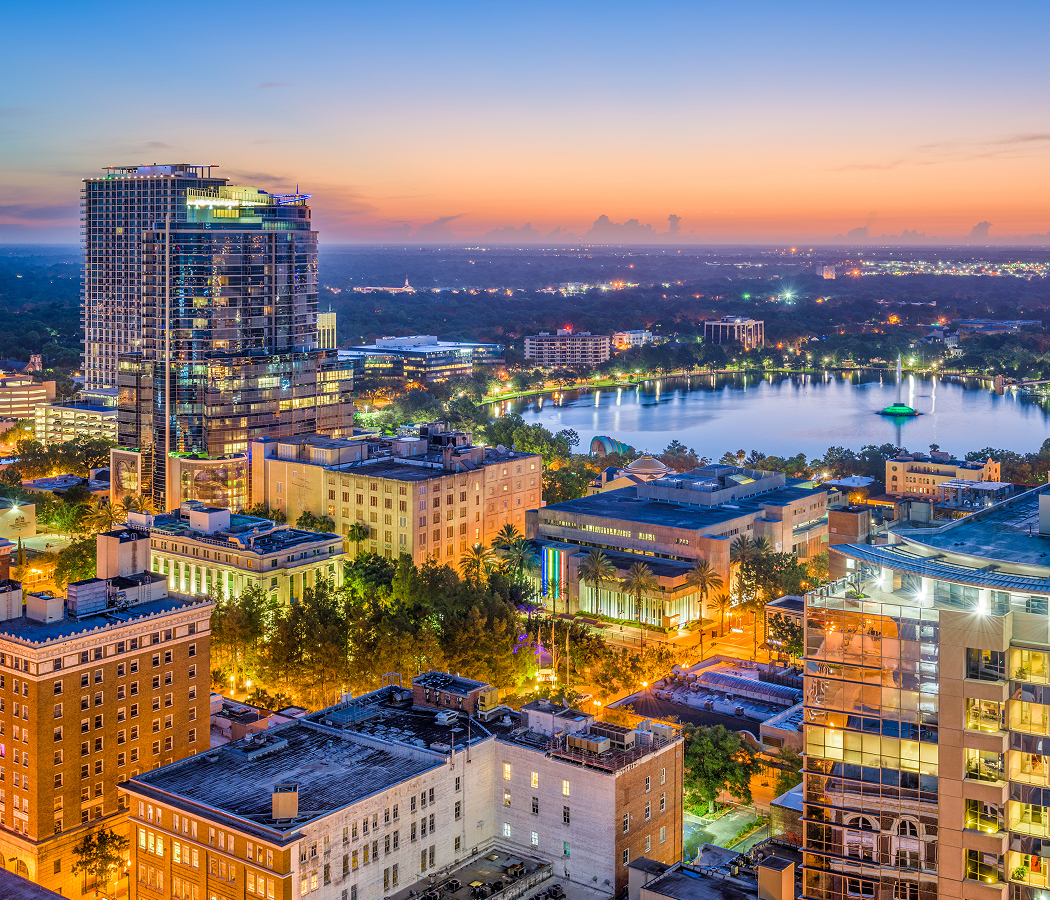
Philadelphia's accommodation landscape unfolds across a compact historic center and an extensive collection of residential neighborhoods, with hotels occupying settings shaped by colonial street patterns, grand civic architecture, and contemporary commercial development. Center City forms the principal hospitality district, extending between the Delaware and Schuylkill rivers through substantial office towers, historic commercial buildings, and established cultural institutions. Rittenhouse Square provides one of the city's most prestigious settings, with luxury hotels occupying elegant properties near the landscaped park and surrounding streets. The neighborhood's substantial nineteenth-century residences, refined restaurants, and luxury boutiques create an atmosphere of established urban sophistication. Eastward, the Avenue of the Arts follows South Broad Street through a grand corridor of theaters, performance venues, and substantial commercial buildings. Hotels near City Hall provide convenient access to major cultural institutions and the surrounding business districts. North of the civic center, the Parkway Museums District introduces a grand architectural landscape along the Benjamin Franklin Parkway, whose broad boulevard and landscaped public spaces connect major museums and cultural landmarks. Accommodation here benefits from proximity to the city's principal artistic institutions and the residential streets surrounding Logan Square. Eastward, the Market East district contains substantial contemporary hotels and commercial developments near major transportation connections and the Pennsylvania Convention Center. Its urban character combines historic department store buildings with modern towers and pedestrian shopping corridors. Farther east, Old City preserves an exceptionally atmospheric collection of eighteenth- and nineteenth-century buildings, narrow streets, and restored commercial properties near Independence National Historical Park. Boutique hotels occupy adapted historic structures, offering immediate access to galleries, restaurants, and significant landmarks of American history. The adjoining Society Hill neighborhood introduces a quieter residential environment through carefully preserved Georgian and Federal architecture, intimate brick streets, and landscaped courtyards. Southward, Queen Village and Bella Vista present distinctive neighborhood settings through traditional rowhouses, established markets, and lively commercial corridors. Smaller independent accommodations provide access to intimate restaurants and a more residential experience. West of the Schuylkill, University City forms a major academic and medical district surrounding the University of Pennsylvania and Drexel University. Contemporary hotels occupy substantial buildings near university campuses, research institutions, and cultural venues. The neighborhood combines collegiate architecture with modern research facilities and established residential streets. Northwest of Center City, Fairmount offers a quieter environment through historic rowhouses, neighborhood restaurants, and proximity to the expansive parklands along the river. Across these districts, Philadelphia provides accommodation ranging from prestigious luxury hotels and sophisticated business properties to intimate historic inns and contemporary boutique establishments, each reflecting a different dimension of the city's architectural and cultural identity. Foresyte may earn a commission when you book.
Foresyte Travel's top five choices.
5. The Bellevue Hotel – The Unbound Collection by Hyatt
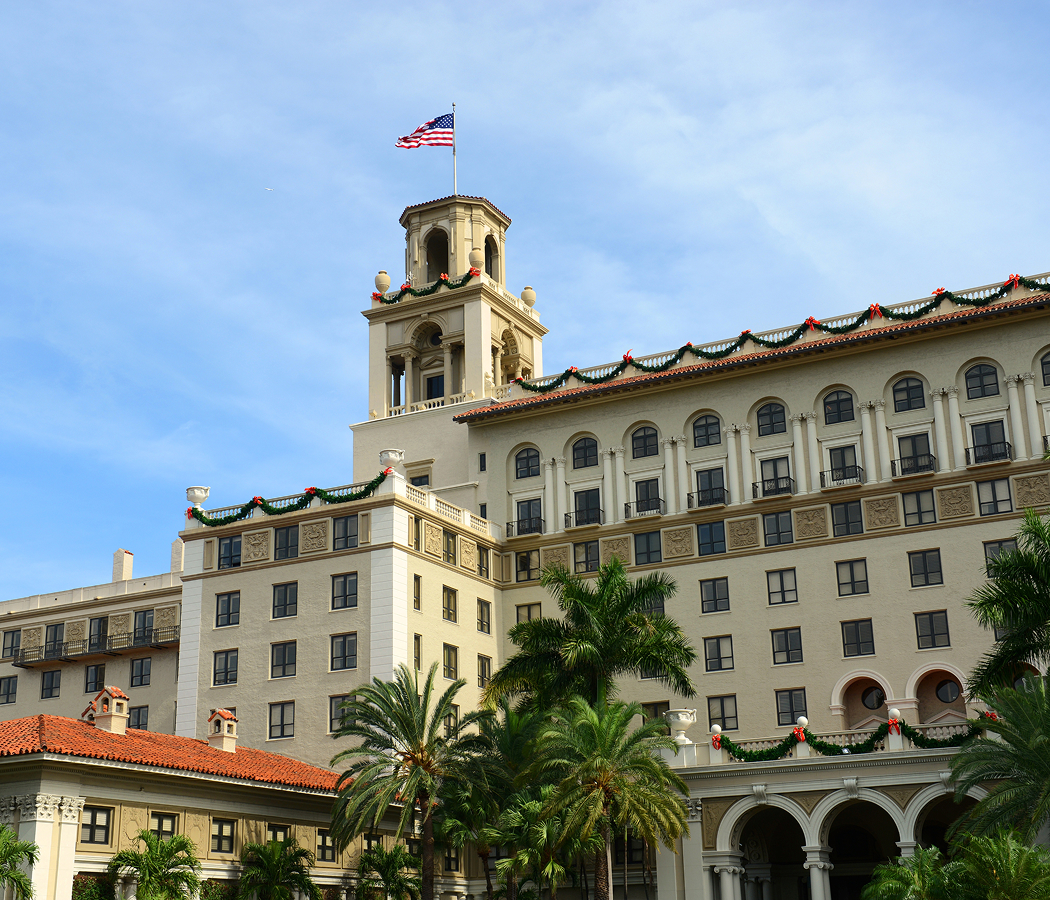
The Bellevue Hotel occupies the Bellevue-Stratford, the grand Broad Street hotel opened in 1904 by George and Oscar Boldt. Architects G.W. and W.D. Hewitt designed the French Renaissance building at the height of Philadelphia's transformation along Broad Street, giving the emerging civic corridor one of its defining grand hotels. The Bellevue became a setting for presidential visits, political conventions, society gatherings, and major civic occasions before closing in 1976 and later returning as part of a mixed-use redevelopment. Hyatt subsequently established a hotel within the restored structure, with a major twenty-first-century transformation bringing the property into the Unbound Collection. The Bellevue carries Philadelphia's grand-hotel tradition through a building intertwined with more than a century of the city's political, commercial, and social history.
4. The Ritz-Carlton, Philadelphia
The Ritz-Carlton, Philadelphia occupies the former Girard Trust Company complex beside City Hall, giving the hotel one of the most architecturally consequential banking interiors in the city. McKim, Mead & White designed the grand domed structure completed in 1908, drawing directly from the Pantheon in Rome for a financial institution intended to project permanence and civic authority. Its vast rotunda, marble surfaces, classical columns, and soaring dome survive as the architectural center of the hotel following the building's conversion at the turn of the twenty-first century. The project transferred a major artifact of Philadelphia's Gilded Age financial power from banking into hospitality without surrendering the ceremonial scale of the original institution. The Ritz-Carlton places contemporary hotel life inside an extraordinary surviving expression of the wealth and architectural ambition that reshaped Central Philadelphia.
3. The Logan Philadelphia, Curio Collection by Hilton
The Logan Philadelphia occupies Logan Square along the Benjamin Franklin Parkway, the grand boulevard developed from early twentieth-century plans to create a grand cultural axis northwest of City Hall. The site previously housed the Four Seasons Philadelphia, which opened in 1983 and established a major hotel beside the Parkway's growing concentration of museums and civic institutions. A substantial redevelopment produced The Logan in 2015, repositioning the property around Philadelphia art, craftsmanship, and references to the surrounding city. Hundreds of works by artists with regional connections extend the cultural character of the Parkway into the building itself. The Logan ties contemporary hospitality to the century-long transformation of Logan Square into the gateway for one of America's most concentrated urban museum districts.
2. Four Seasons Hotel Philadelphia at Comcast Center
Four Seasons Hotel Philadelphia at Comcast Center occupies the upper floors of the Comcast Technology Center, the 342-meter tower completed in 2018 as the tallest building in Philadelphia. Foster + Partners designed the skyscraper for Comcast and Liberty Property Trust, extending Center City's vertical core through a project conceived around technology, media, offices, public space, and hospitality. Four Seasons opened in 2019 near the summit of the tower, with Yabu Pushelberg shaping interiors whose organization exploits the extraordinary elevation above the surrounding city. The building forms the second major component of Comcast's headquarters campus and materially altered Philadelphia's skyline through its height and distinctive illuminated crown. Four Seasons embeds one of the city's premier hotels within the corporate and engineering project that most dramatically changed Philadelphia's twenty-first-century vertical profile.
1. The Rittenhouse Hotel
The Rittenhouse Hotel occupies the southern edge of Rittenhouse Square, the public space William Penn designated as Southwest Square in his seventeenth-century plan for Philadelphia. The surrounding neighborhood evolved into one of the city's most prestigious residential districts during the nineteenth and early twentieth centuries as substantial townhouses and apartment buildings concentrated around the square. The hotel opened in 1989 within a mixed-use development overlooking the park, translating that established residential geography into a high-end hospitality address. Its position directly on the square embeds the property within the urban planning legacy that has structured Central Philadelphia since Penn and surveyor Thomas Holme laid out the city grid in 1682. The Rittenhouse derives its significance from occupying one of the original public squares around which Philadelphia's elite residential life developed for generations.
Where your story begins.
Foresyte Travel reveals places that feel extraordinary long before you arrive.
Enjoy editorial crafted for luxury travelers.
Foresyte may earn a commission when you book.