Top places to stay in Berlin, Germany.
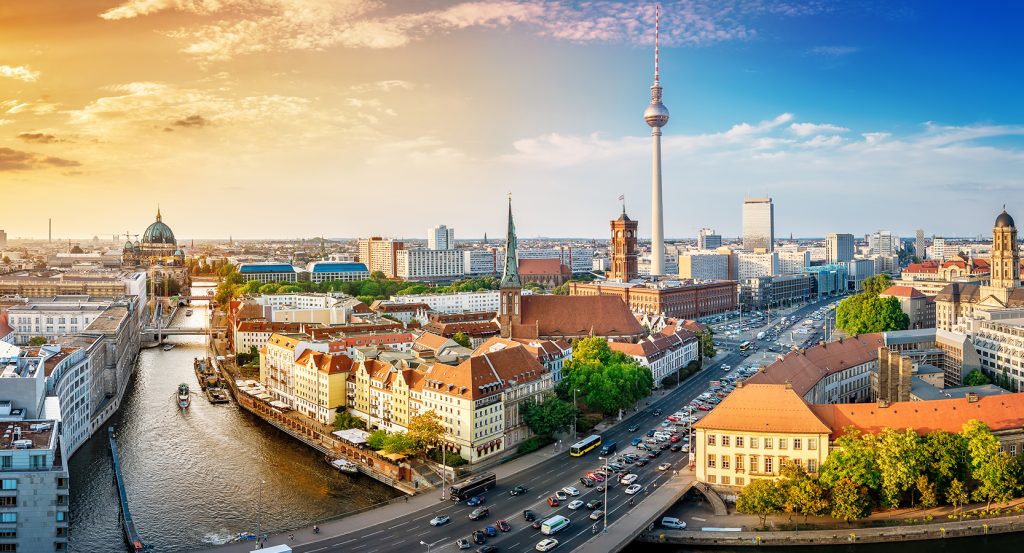
Berlin offers accommodations that range from grand historic hotels and contemporary luxury towers to boutique design properties and restored industrial lofts, placing visitors within easy reach of world-renowned museums, energetic nightlife, historic landmarks, and one of Europe's most influential creative capitals. Each neighborhood reveals a different perspective on the city, where Prussian history, Cold War landmarks, and modern cultural life come together across a remarkably diverse urban landscape.
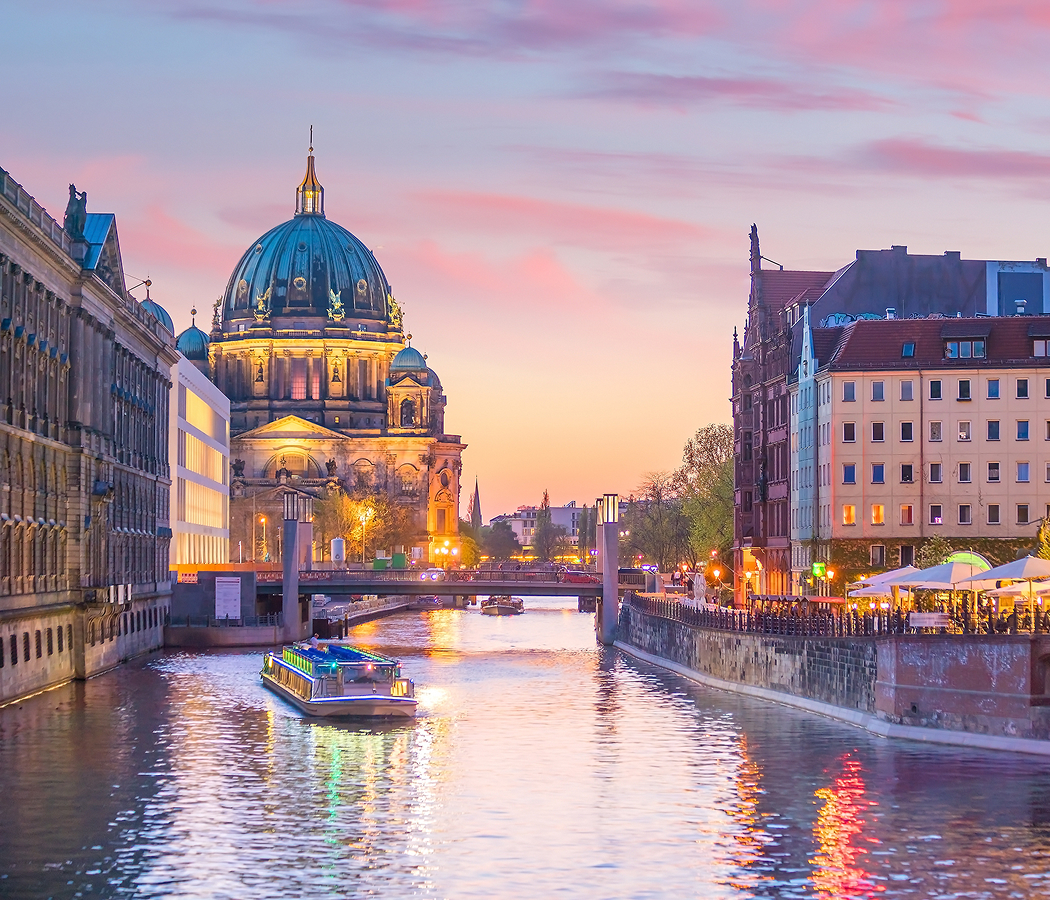
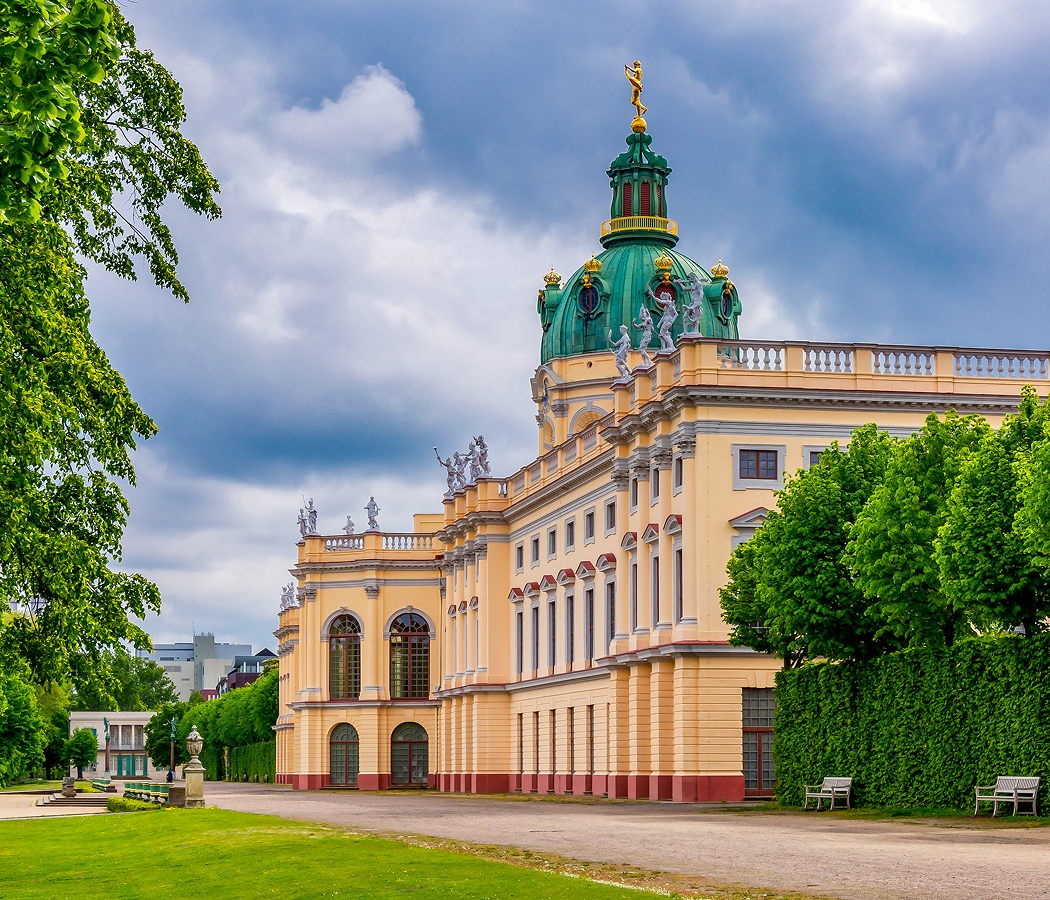
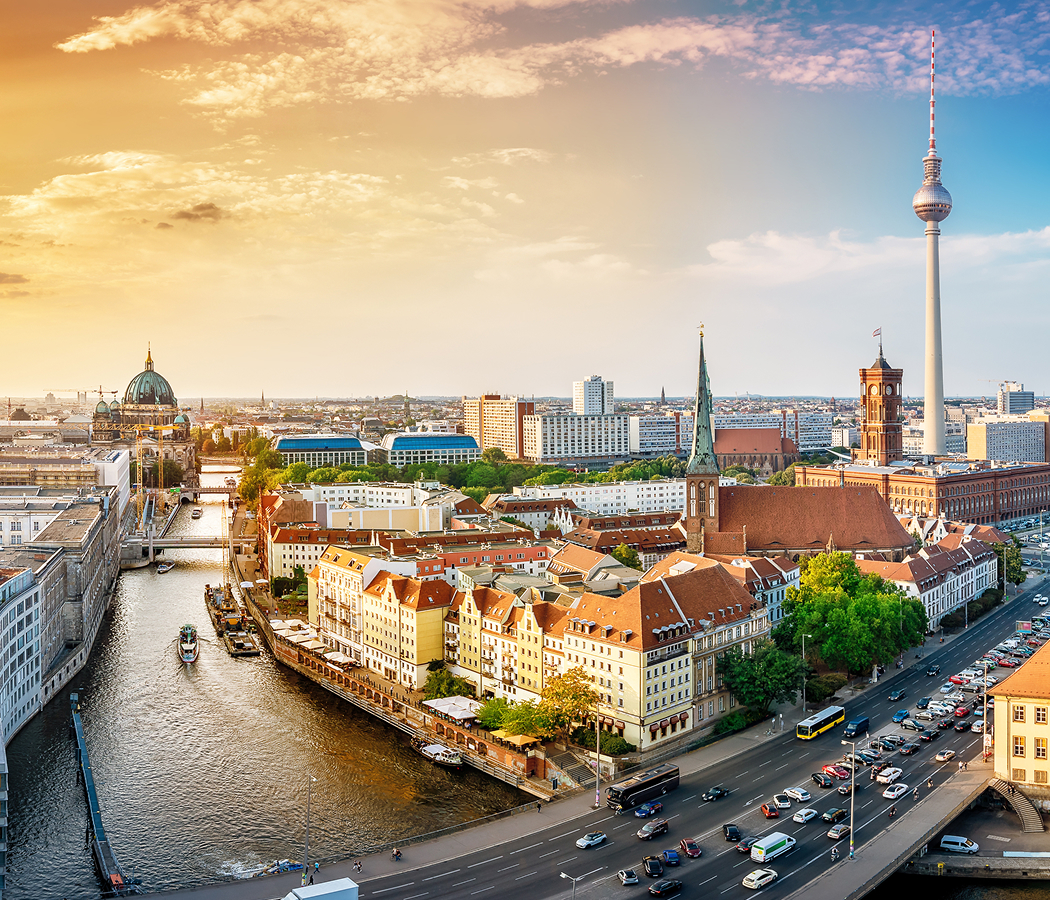
Mitte remains Berlin's defining hospitality district, where the Brandenburg Gate, Museum Island, Unter den Linden, Berlin Cathedral, and the Reichstag Building create an exceptional base for exploring on foot. Landmark accommodations including Hotel Adlon Kempinski Berlin, The Ritz-Carlton, Berlin, The Westin Grand Berlin, SO/ Berlin Das Stue, and Telegraphenamt surround visitors with historic boulevards, acclaimed restaurants, and many of the city's most celebrated landmarks, while neighboring Potsdamer Platz combines contemporary architecture, theaters, shopping, and luxury hotels including Grand Hyatt Berlin, The Mandala Hotel, and Berlin Marriott Hotel. Beyond the historic center, Charlottenburg surrounds visitors with elegant shopping along Kurfürstendamm, the grandeur of Charlottenburg Palace, and refined accommodations including Waldorf Astoria Berlin, Hotel Zoo Berlin, and Dorint Kurfürstendamm Berlin, revealing another side of the German capital's sophistication.
As Berlin extends beyond its historic core, Kreuzberg blends independent cafés, contemporary galleries, multicultural dining, and energetic nightlife with stylish boutique hotels, while Prenzlauer Berg reveals another perspective through leafy streets, restored Altbau buildings, neighborhood beer gardens, and intimate design-forward accommodations. Across Friedrichshain, Schöneberg, and the banks of the Spree River, contemporary luxury hotels, creative boutique properties, and restored heritage buildings provide distinctive perspectives on Germany's capital. Between landmark grand hotels, innovative design accommodations, and refined neighborhood stays, Berlin offers lodging that complements every style of travel while showcasing the remarkable diversity and enduring character of one of Europe's most dynamic cities. Foresyte may earn a commission when you book.
Foresyte Travel's top five choices.
5. Waldorf Astoria Berlin
Waldorf Astoria Berlin occupies the Zoofenster tower beside Zoologischer Garten station, embedding the hotel within the commercial heart of western Berlin around Kurfürstendamm and Breitscheidplatz. Architect Christoph Mäckler designed the limestone-clad tower as part of the area's renewed vertical development decades after division left City West functioning as West Berlin's principal center. The hotel opened in 2013 as the first Waldorf Astoria in Germany, bringing the Hilton marque descended from New York's Waldorf-Astoria tradition into the German capital. Its position beside the Kaiser Wilhelm Memorial Church connects contemporary high-rise development with one of Berlin's most powerful architectural remnants of the Second World War. Waldorf Astoria Berlin represents the twenty-first-century reinvestment that reinforced City West as a major commercial and hospitality district after reunification.
4. Das Stue
Das Stue occupies the former Royal Danish Legation on the edge of Tiergarten, a diplomatic building designed by Johann Emil Schaudt and completed in 1940. Schaudt had previously designed Berlin's KaDeWe department store, linking the property to an architect whose work helped shape the city's twentieth-century commercial and institutional architecture. A contemporary addition by Axthelm Rolvien Architekten expanded the historic structure, with Patricia Urquiola developing interiors that combine sculptural furniture, art, and preserved architectural elements. The hotel opened in 2012 beside Berlin Zoological Garden, whose grounds form an unusual visual extension of the property's Tiergarten setting. Das Stue transforms a former diplomatic building into an intimate hotel while preserving a direct architectural connection with Berlin's prewar embassy district.
3. Hotel de Rome
Hotel de Rome occupies the former headquarters of Dresdner Bank on Bebelplatz, placing the property within Berlin's grand nineteenth-century center along Unter den Linden. Ludwig Heim designed the bank complex in the late nineteenth century, creating an imposing institution around courtyards, stone facades, and richly finished banking interiors. After the Second World War, the building stood within East Berlin and served institutions of the German Democratic Republic before reunification opened a new chapter for the property. Rocco Forte Hotels converted the complex into Hotel de Rome, which opened in 2006 with surviving bank architecture incorporated throughout the new use, including the former jewel vault transformed into part of the spa. The hotel gives Berlin's financial, political, and reunification history a physical presence within one of the capital's most consequential urban squares.
2. The Ritz-Carlton, Berlin
The Ritz-Carlton, Berlin opened in 2004 at Potsdamer Platz, occupying a district almost completely erased by wartime destruction and subsequently divided by the Berlin Wall. Daimler-Benz became a principal force in the area's post-reunification redevelopment, commissioning an enormous mixed-use district that brought offices, residences, entertainment, retail, and international hospitality back to the former wasteland. Hilmer & Sattler und Albrecht designed the hotel building with stone facades and architectural proportions intended to restore the urban density that characterized prewar Potsdamer Platz. Ritz-Carlton became part of the district as Berlin consolidated its restored role as the capital of a reunified Germany. The property stands as a hospitality component of one of Europe's most consequential late twentieth-century urban reconstruction projects.
1. Hotel Adlon Kempinski Berlin
Hotel Adlon Kempinski Berlin traces its origins to Lorenz Adlon, who opened his grand hotel beside the Brandenburg Gate in 1907 with the support of Kaiser Wilhelm II. The original Adlon became a center of Berlin's diplomatic and social life, receiving monarchs, political leaders, industrialists, artists, and cultural figures during the final years of the German Empire and the Weimar Republic. Much of the building survived wartime bombing before a fire in May 1945 devastated the principal structure, leaving a surviving wing that continued in altered use during the East German period. A reconstructed Adlon opened in 1997 on the historic site after German reunification, restoring a major hotel presence to Pariser Platz as the surrounding district was rebuilt. Hotel Adlon's history binds imperial Berlin, the Weimar era, wartime destruction, division, reunification, and the reconstruction of the capital around the Brandenburg Gate.
Where your story begins.
Foresyte Travel reveals places that feel extraordinary long before you arrive.
Enjoy editorial crafted for luxury travelers.
Foresyte may earn a commission when you book.