Top places to stay in New Orleans, Louisiana.
New Orleans offers accommodations that range from grand historic hotels overlooking storied squares to boutique properties tucked within centuries-old neighborhoods and elegant riverfront towers, placing visitors within easy reach of celebrated jazz clubs, Creole restaurants, historic architecture, and one of America's most distinctive cultural landscapes. Each neighborhood reveals a different expression of the Crescent City, where French, Spanish, African, and Caribbean influences continue to shape the character of every street.
The French Quarter remains New Orleans' defining hospitality district, where Jackson Square, Bourbon Street, Royal Street, and the Mississippi River place visitors at the center of the city's history, nightlife, and architectural heritage. Landmark accommodations including Hotel Monteleone, The Ritz-Carlton, New Orleans, Bourbon Orleans Hotel, Omni Royal Orleans, and W New Orleans - French Quarter surround guests with wrought-iron balconies, historic courtyards, acclaimed restaurants, and live music venues, while neighboring Central Business District combines contemporary hotels, rooftop bars, casinos, and direct access to the Caesars Superdome with distinguished properties including The Roosevelt New Orleans, A Waldorf Astoria Hotel, Four Seasons Hotel New Orleans, Loews New Orleans Hotel, and The Windsor Court. Beyond downtown, the Warehouse District blends world-class museums, art galleries, and chef-driven dining with converted warehouse hotels that reflect another side of the city's evolving character.
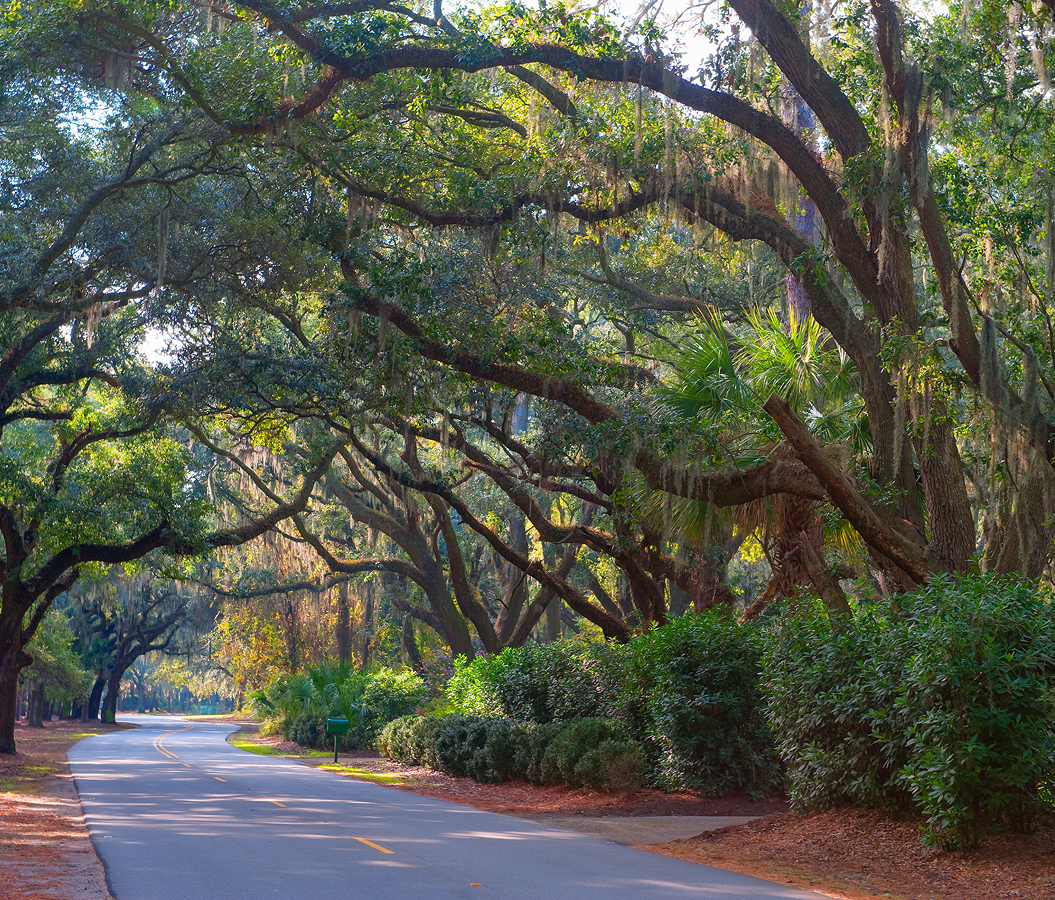
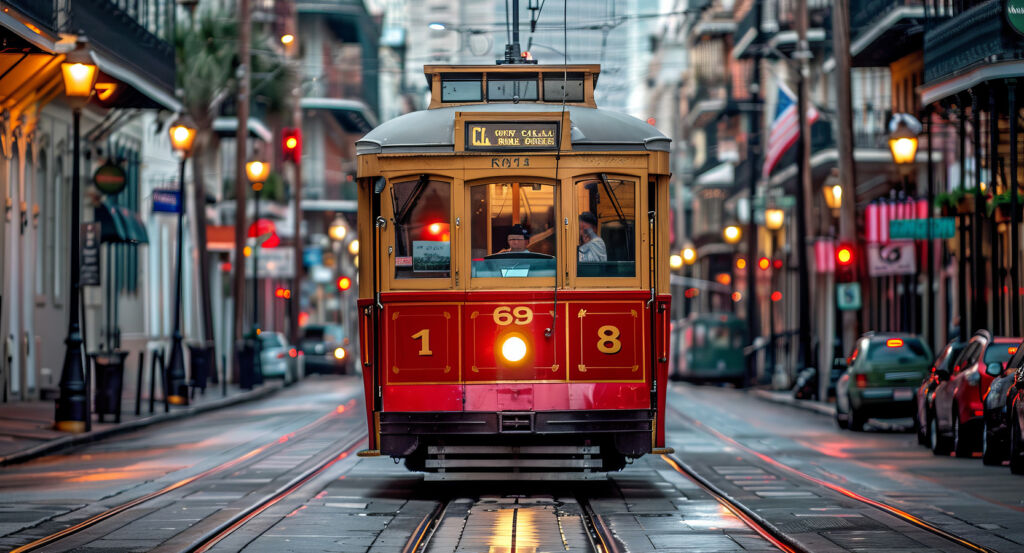
As New Orleans extends beyond its historic core, the Garden District surrounds visitors with oak-lined avenues, antebellum mansions, and the St. Charles Avenue Streetcar, where boutique hotels and elegant inns provide a quieter perspective on the city, while Marigny and Bywater combine colorful cottages, neighborhood cafés, jazz clubs, and independent galleries just beyond the French Quarter. Between historic luxury hotels, contemporary riverfront properties, intimate boutique accommodations, and neighborhood guesthouses, New Orleans offers stays that complement every style of travel while showcasing the unmistakable culture and enduring spirit of one of America's most iconic destinations. Foresyte may earn a commission when you book.
Foresyte Travel's top five choices.
5. The Roosevelt New Orleans, A Waldorf Astoria Hotel
The Roosevelt New Orleans traces its history to the Hotel Grunewald, opened in 1893 by German immigrant Louis Grunewald and expanded into an immense Canal Street complex during the city's early-twentieth-century hotel boom. Seymour Weiss later acquired the property and renamed it The Roosevelt in 1923 for Theodore Roosevelt, developing a hotel whose Blue Room became a major performance venue and whose Sazerac Bar entered New Orleans cocktail culture. The building became the Fairmont Roosevelt in 1965 before Hurricane Katrina forced its closure four decades later, initiating a restoration that returned the Roosevelt name and revived the hotel's historic public spaces. Its 2009 reopening under Waldorf Astoria carried more than a century of New Orleans hotel history into a new institutional chapter centered on one of the city's great Canal Street properties.
4. Hotel Monteleone
Hotel Monteleone began in 1886 when Sicilian immigrant Antonio Monteleone purchased a small hotel on Royal Street, establishing a family enterprise that successive generations expanded into one of the French Quarter's enduring independent hotels. Major additions in 1903, 1908, 1928 and 1954 transformed the original property into the substantial Beaux-Arts-influenced building that occupies the block near Iberville Street. Ernest Hemingway, Tennessee Williams, William Faulkner, Truman Capote and Eudora Welty became associated with the hotel, embedding it within the literary culture that made New Orleans a recurring setting in twentieth-century American writing. The Monteleone family continues to own the property more than a century after Antonio's acquisition, giving the hotel an exceptional continuity of family stewardship within the French Quarter.
3. Four Seasons Hotel New Orleans
Four Seasons Hotel New Orleans occupies the former World Trade Center, the 1960s riverfront tower designed by Edward Durell Stone at the foot of Canal Street as New Orleans strengthened its role in international commerce. Stone gave the building a distinctive cruciform plan and repetitive exterior grid, creating a modernist marker beside the Mississippi River that served commercial and diplomatic functions for decades before falling vacant. Carpenter & Company led a redevelopment exceeding $500 million, with CambridgeSeven, HKS and interior designers including Bill Rooney Studio and Meyer Davis transforming the protected structure into a hotel and residences. The 2021 opening preserved a major work of postwar New Orleans architecture and returned one of the city's most prominent riverfront buildings to active use through an extensive adaptive-reuse project.
2. The Windsor Court
The Windsor Court opened in 1984 as developer James J. Coleman's interpretation of an English country estate translated into a purpose-built hotel beside New Orleans' Central Business District. Coleman assembled an extensive collection of British paintings, portraits and decorative arts for the property, giving the interiors a curatorial program centered on subjects including Windsor Castle, British royalty and equestrian culture. The hotel subsequently became associated with the development of modern luxury hospitality beyond the French Quarter at a moment when the surrounding downtown district was undergoing substantial commercial reinvestment. Its English architectural references and privately assembled art collection established a deliberately specific character within a city whose historic hotels had traditionally drawn their visual language from French, Spanish and American traditions.
1. The Ritz-Carlton, New Orleans
The Ritz-Carlton, New Orleans occupies the 1908 Maison Blanche department store and neighboring structures on Canal Street, adapting a building created for one of the city's defining retail institutions. Chicago architect Daniel Burnham designed the Maison Blanche building in the Beaux-Arts tradition during the period when Canal Street functioned as the commercial center of New Orleans and its great department stores shaped metropolitan shopping culture. The Ritz-Carlton conversion joined the former store with the historic Kress building and Maison Blanche annex, preserving substantial architectural fabric across an unusually large adaptive-reuse project when the hotel opened in 2000. The property carries the history of Canal Street's department-store era into contemporary hospitality, occupying architecture created by one of the most consequential figures in American urban design.
Where your story begins.
Foresyte Travel reveals places that feel extraordinary long before you arrive.
Enjoy editorial crafted for luxury travelers.
Foresyte may earn a commission when you book.