Top places to stay in Colorado.
Aspen traces its hospitality heritage to the silver boom of the Colorado Rockies, where nineteenth-century mining wealth, the revival of the mountain town as a ski resort, and the cultural vision of Walter and Elizabeth Paepcke fostered an exceptional tradition of alpine luxury, intellectual exchange, and year-round recreation. The Ute people inhabited and traveled through the Roaring Fork Valley for generations before prospectors entered the region during the nineteenth century. Silver discoveries brought settlers to the area in 1879, establishing a mining camp initially known as Ute City. Renamed Aspen in 1880, the settlement expanded rapidly as mining investment financed commercial buildings, boardinghouses, and substantial hotels. The Hotel Jerome opened in 1889 under the patronage of mining entrepreneur Jerome B. Wheeler, introducing an ambitious luxury establishment with modern conveniences and elaborate public rooms. Aspen's prosperity collapsed after the repeal of the Sherman Silver Purchase Act in 1893, initiating decades of economic decline and population loss. The town's transformation began during the 1930s, when skiing enthusiasts recognized the surrounding mountains' recreational potential. The construction of early ski facilities and the arrival of European-trained instructors established the foundations of a winter sports community. Industrialist Walter Paepcke and his wife, Elizabeth, became central figures in Aspen's postwar revival, envisioning a destination where outdoor recreation would coexist with intellectual inquiry and artistic achievement. The Aspen Skiing Corporation was established in 1946, and the opening of the Aspen Mountain chairlift system that winter introduced a new era of organized resort development. The Aspen Music Festival began in 1949, followed by the creation of the Aspen Institute in 1950, establishing cultural institutions that would distinguish the town from other American ski destinations. Aspen hosted the FIS Alpine World Ski Championships in 1950, bringing international attention to its slopes and accelerating investment in visitor accommodation. The opening of the Little Nell in 1989 introduced a new standard of contemporary luxury at the base of Aspen Mountain. Subsequent decades brought extensive renovation of historic properties, sophisticated residential development, and the expansion of year-round tourism. The growth of international skiing, summer festivals, and prestigious cultural events transformed Aspen into a destination whose hospitality economy extends well beyond winter recreation. Its hotel history reflects the remarkable reinvention of a nineteenth-century mining settlement into a globally recognized alpine community shaped by ambitious cultural patronage and exceptional mountain scenery.
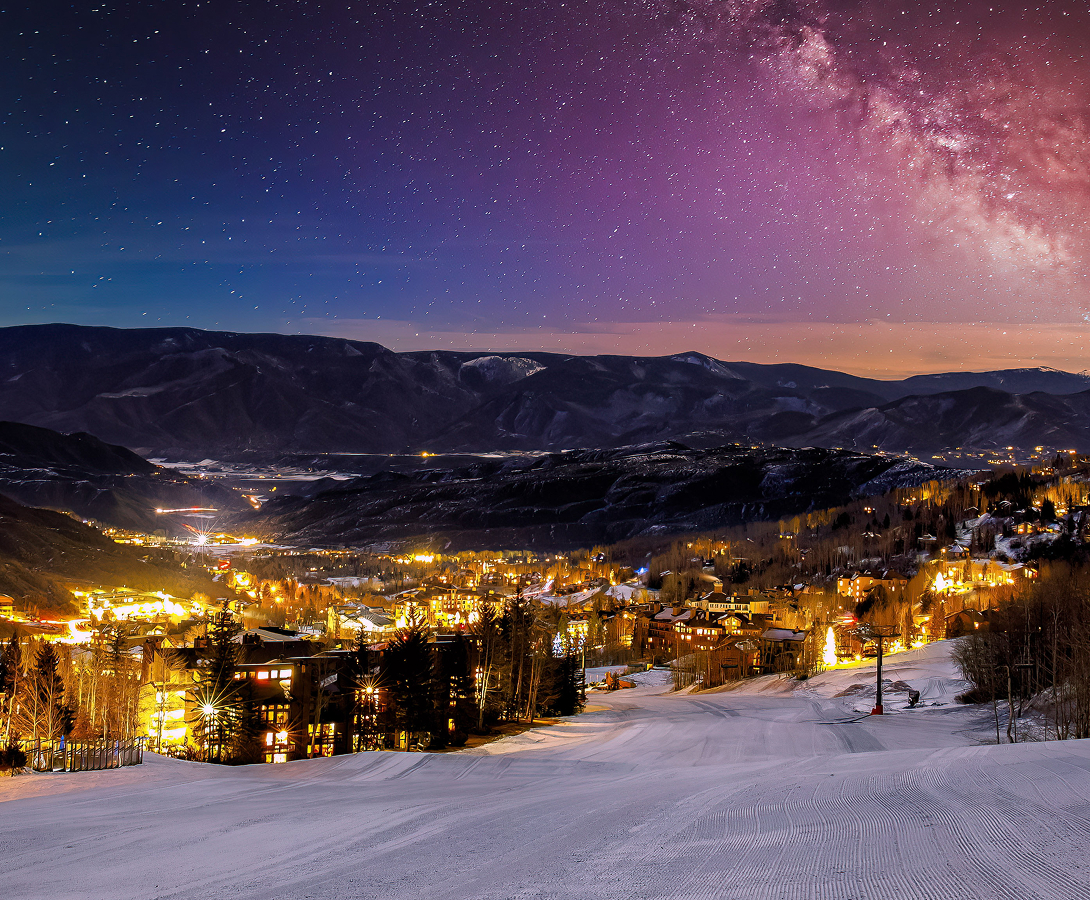
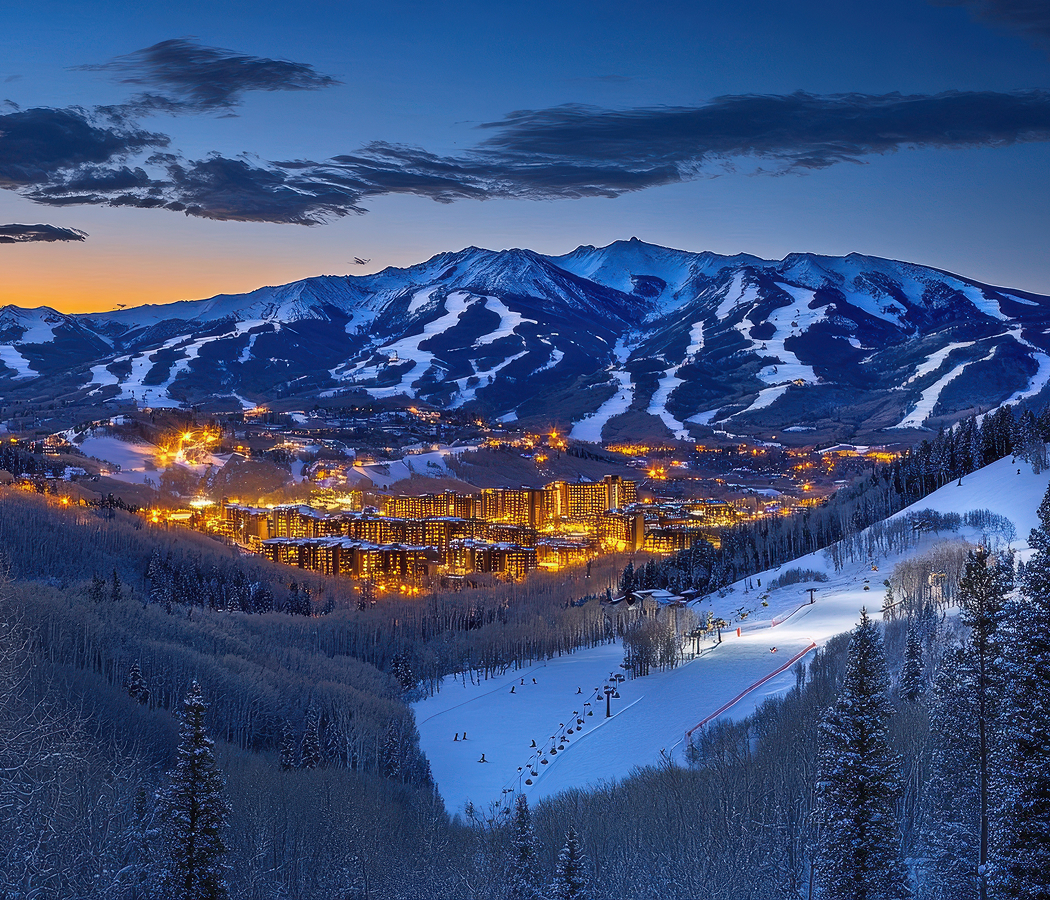
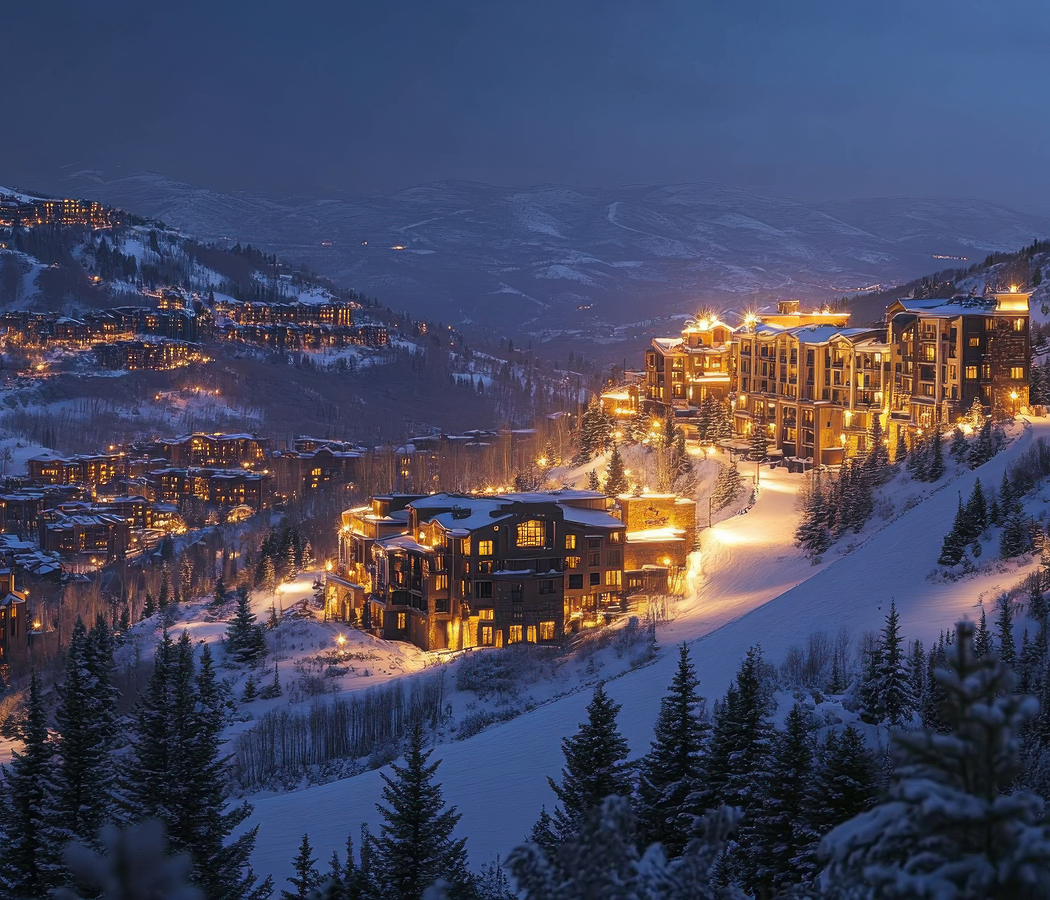
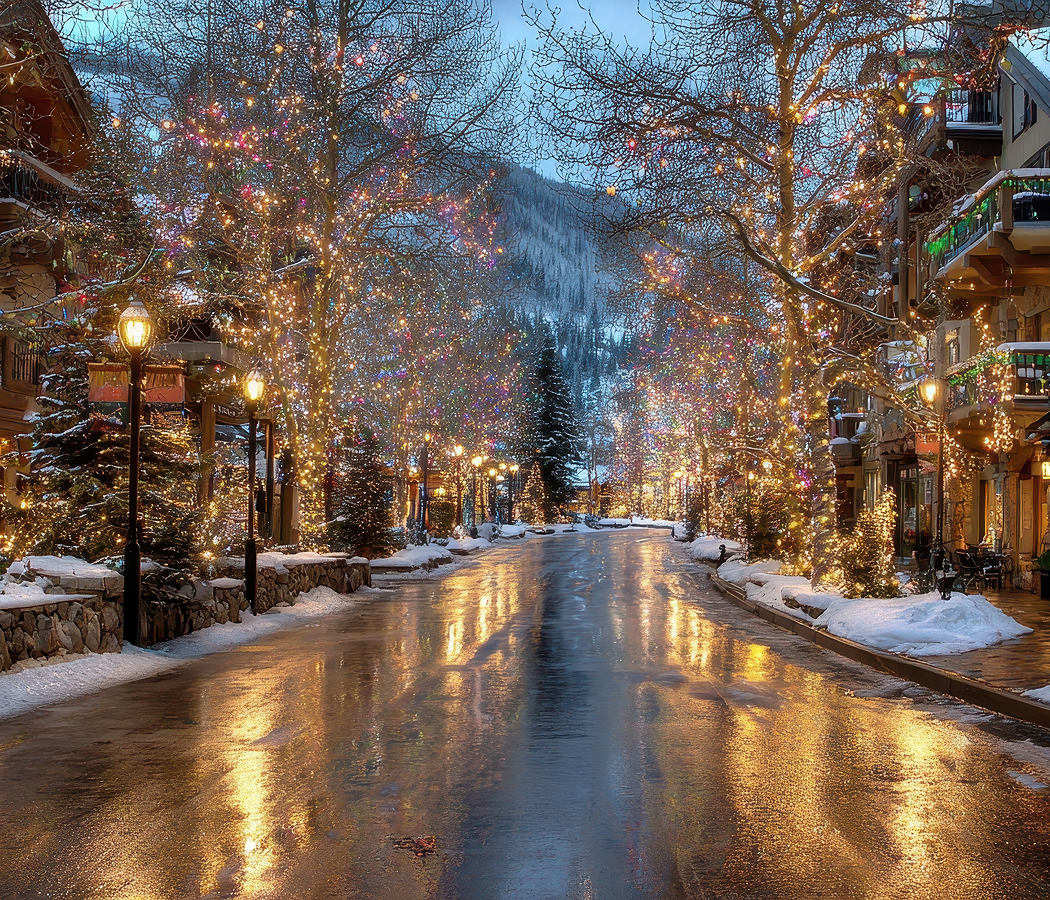
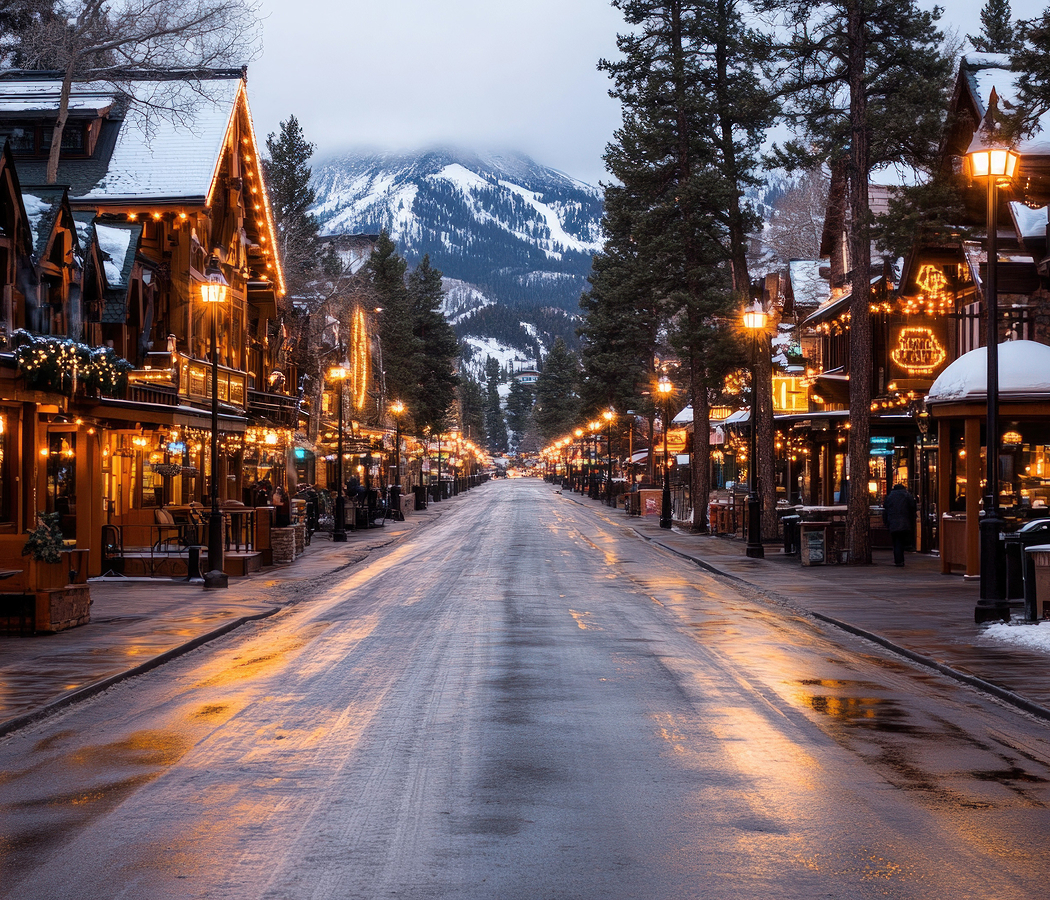
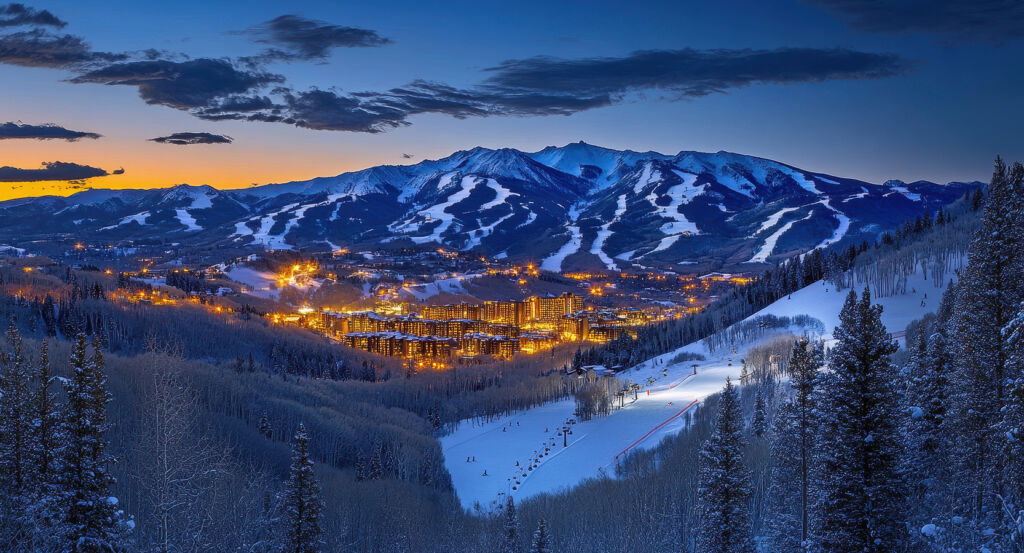
Aspen occupies a compact mountain valley at the upper reaches of the Roaring Fork River, with accommodation concentrated around its historic downtown and extending into residential neighborhoods beneath the surrounding peaks. The central commercial district preserves an unusually coherent collection of Victorian-era buildings, with brick storefronts, ornate façades, and intimate pedestrian streets establishing a distinctive architectural character. Hotels surrounding East Main Street occupy prominent positions near historic commercial buildings, independent boutiques, and established restaurants. The adjoining streets around Wagner Park introduce a more open setting through landscaped public spaces and direct views toward Aspen Mountain. Properties near the Silver Queen Gondola provide particularly convenient access to the slopes, with sophisticated contemporary hotels and luxury residences arranged around the mountain base. The surrounding pedestrian streets connect accommodation with restaurants, galleries, and the town's principal shopping corridors. Eastward, the residential neighborhoods approaching the Roaring Fork River contain substantial historic houses, intimate lodging properties, and contemporary residences among mature trees. Their quieter streets offer a more secluded atmosphere within walking distance of the central commercial district. South of downtown, the lower slopes of Aspen Mountain support prestigious residential enclaves and substantial vacation properties positioned among forested terrain. Elevated sites provide expansive views across the valley, with mountain architecture emphasizing natural stone, timber, and broad windows overlooking the surrounding peaks. West of the central district, the West End preserves one of Aspen's most distinguished residential environments through historic Victorian houses, landscaped gardens, and substantial properties occupying established tree-lined streets. Boutique accommodation and private residences offer an intimate setting near the town's major cultural institutions. Farther west, the area surrounding the Aspen Meadows Resort introduces a more spacious architectural landscape along the Roaring Fork River. Its modernist buildings occupy landscaped grounds beneath mature cottonwoods, creating a distinctive relationship between accommodation, sculpture, and the surrounding mountain environment. Northward, the Red Mountain neighborhood rises steeply above the valley through secluded residential roads and substantial luxury estates. Its elevated positions command panoramic views across Aspen Mountain, the town center, and the surrounding Elk Mountains. East of Aspen, the Independence Pass corridor follows the Upper Roaring Fork through increasingly rugged alpine terrain, with secluded residences and small lodging properties occupying wooded settings near hiking routes and mountain recreation. Beyond the immediate town, Snowmass Village provides a complementary resort environment nine miles to the west. Its accommodation extends across a mountainside landscape of substantial ski-in, ski-out hotels, condominium residences, and contemporary resort developments. The Snowmass Base Village concentrates restaurants, public spaces, and modern luxury properties around the principal lift facilities, creating a pedestrian-oriented mountain center. Higher residential areas offer secluded accommodation among aspen groves and forested slopes. Together, these settings provide experiences ranging from intimate historic downtown hotels and sophisticated mountain-base properties to secluded residential retreats and expansive resort accommodation surrounded by the extraordinary landscapes of the Roaring Fork Valley. Foresyte may earn a commission when you book.
Foresyte Travel's top five choices.
5. Residences at The Little Nell
Residences at The Little Nell occupy the base of Aspen Mountain beside the Silver Queen Gondola, placing the property within the compact district that grew around Aspen's transformation from mining town to international ski destination. Aspen Skiing Company developed the residences as a companion to The Little Nell, extending the hotel's hospitality model into privately owned condominium residences with direct mountain access. The project opened in 2009 with architecture by Charles Cunniffe Architects, the Aspen firm responsible for numerous major projects across the Roaring Fork Valley. Stone, timber, broad glazing, and substantial terraces connect the building to both its alpine setting and the architectural style of contemporary Aspen. The residences represent the convergence of private real estate, ski infrastructure, and luxury hospitality that reshaped the base of Aspen Mountain during the resort's modern development.
4. W Aspen
W Aspen occupies the base of Aspen Mountain on South Spring Street, introducing Marriott's W brand into a district historically dominated by smaller hotels and private residences. The property opened in 2019 on the former Sky Hotel site, replacing an earlier hospitality building with a substantially reworked contemporary resort complex. Rowland+Broughton shaped the architecture, and Nemaworkshop developed interiors drawing on Aspen's mining history, ski culture, and countercultural period. References to silver mining, 1970s glamour, and the town's unconventional cultural history appear throughout a building conceived around the social character of the W brand. W Aspen represents a distinctly twenty-first-century interpretation of a mountain town whose architecture has continually changed alongside successive mining, skiing, cultural, and real-estate booms.
3. The St. Regis Aspen Resort
The St. Regis Aspen Resort stands near the base of Aspen Mountain on the site of the former Hotel Jerome Annex, connecting the property with the expansion of hospitality around the town's historic core. Architect David Finholm designed the present resort, which opened in 1992 as the Ritz-Carlton Aspen during a period of substantial investment in the city's luxury tourism infrastructure. St. Regis assumed the property in 1998, bringing the hotel tradition established by John Jacob Astor IV in New York in 1904 to the Colorado Rockies. Subsequent transformations preserved the building's red-brick exterior and mountain-resort massing while reworking its interiors for successive generations of Aspen visitors. The property reflects Aspen's late twentieth-century evolution from celebrated ski town into a year-round international luxury destination.
2. The Little Nell
The Little Nell occupies the foot of Aspen Mountain beside the Silver Queen Gondola, giving the hotel a direct physical relationship with the ski terrain that drove Aspen's postwar reinvention. Aspen Skiing Company opened the property in 1989 and named it for a former mining claim, tying a modern luxury hotel to the silver-mining era from which the town emerged. Chicago architect Harry Weese designed the original building, bringing the work of a major American modernist to one of the most consequential sites in Aspen's resort geography. The property subsequently became a flagship of Aspen One, the company whose roots reach to the Aspen Skiing Corporation established by Walter Paepcke and Friedl Pfeifer in 1946. The Little Nell unites Aspen's mining history, postwar ski development, modern architecture, and locally controlled hospitality enterprise at the base of the mountain.
1. Hotel Jerome, Auberge Collection
Hotel Jerome opened in 1889 during Aspen's silver boom, when entrepreneur Jerome B. Wheeler invested heavily in the rapidly expanding mining town after building his fortune alongside the Macy family in New York. The imposing brick hotel introduced electric lighting, indoor plumbing, and other advanced systems to a community experiencing extraordinary mineral-driven growth. Aspen's economy collapsed after the silver crisis of 1893, yet the Jerome survived the long period of contraction before skiing and Walter Paepcke's cultural initiatives transformed the town after the Second World War. The property later underwent major restorations and became part of Auberge Resorts Collection, preserving its nineteenth-century architecture within Aspen's modern hospitality economy. Hotel Jerome physically connects the city's silver rush, decades of decline, postwar cultural revival, and emergence as one of America's most consequential mountain resorts.
Where your story begins.
Foresyte Travel reveals places that feel extraordinary long before you arrive.
Enjoy editorial crafted for luxury travelers.
Foresyte may earn a commission when you book.