Top places to stay in Hawaii.
Wailea grew from the transformation of Maui's leeward southern coastline into a carefully planned resort community. Long before modern tourism, Native Hawaiians cultivated crops, harvested marine resources, and maintained settlements across the slopes descending from Haleakalā toward the Pacific. The region formed part of the traditional land divisions of South Maui, where seasonal rainfall, coastal fishing grounds, and access to upland resources shaped everyday life. During the nineteenth century, expanding ranching and agricultural enterprises altered land use across the island, and substantial portions of the southern coast became associated with cattle grazing. Maui's visitor economy developed gradually through the twentieth century as improved transportation connected the island with Honolulu and the continental United States. The opening of Kahului Airport to commercial aviation strengthened those connections, and the expansion of resort development around Kāʻanapali established a model for large-scale coastal tourism. Wailea's transformation accelerated during the 1970s under Alexander & Baldwin and its development partners, who envisioned an integrated resort community combining luxury hotels, residential neighborhoods, golf courses, and preserved coastal access. The Wailea Beach Hotel opened in 1976, establishing an early landmark in the emerging destination. The opening of the InterContinental Maui in 1979 introduced another substantial beachfront property, subsequently transformed into the Wailea Beach Resort. The Grand Wailea opened in 1991, bringing an ambitious expression of large-scale tropical luxury through elaborate gardens, expansive pools, and extensive recreational facilities. The Four Seasons Resort Maui at Wailea followed in 1990, establishing an internationally recognized standard of sophisticated oceanfront hospitality. The opening of the Fairmont Kea Lani in 1991 introduced an all-suite luxury resort distinguished by its Mediterranean-inspired architectural character. During the following decades, the community expanded through prestigious residential developments, championship golf facilities, and additional luxury accommodation. The opening of Andaz Maui at Wailea Resort in 2013 introduced a contemporary design perspective through minimalist architecture and sophisticated interpretations of Hawaiian cultural traditions. Wailea's hospitality industry now occupies a distinctive position within the Hawaiian Islands, combining substantial resort infrastructure with a carefully maintained coastal landscape. Its development reflects the broader evolution of Maui tourism from regional seaside recreation into an internationally recognized luxury destination, with hospitality closely connected to the island's natural beauty and the enduring cultural inheritance of Hawaiʻi.
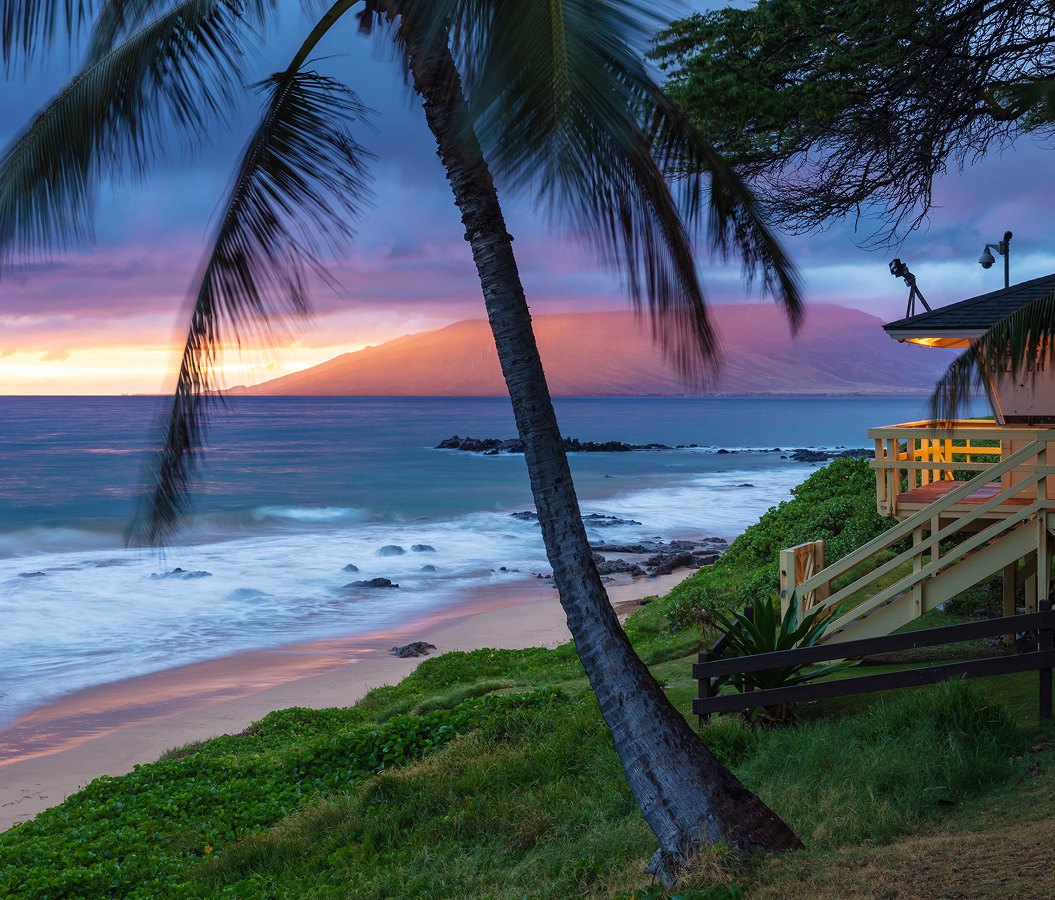
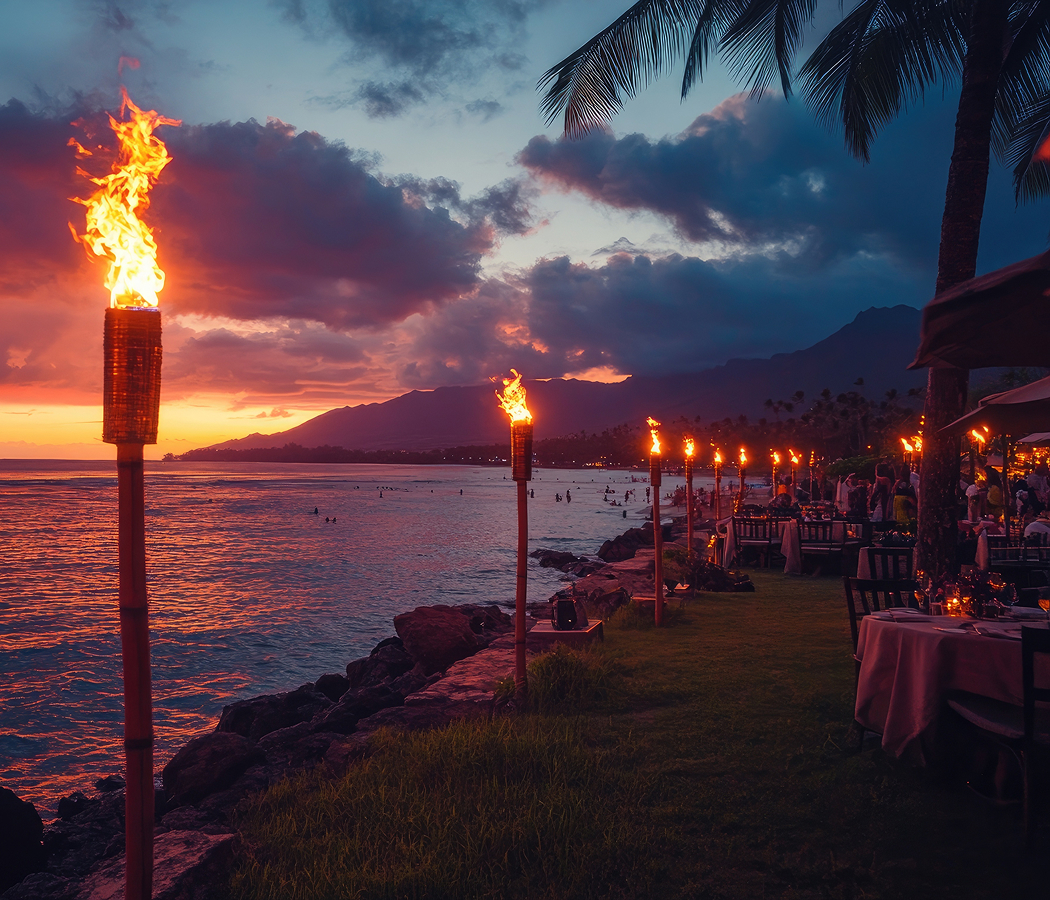
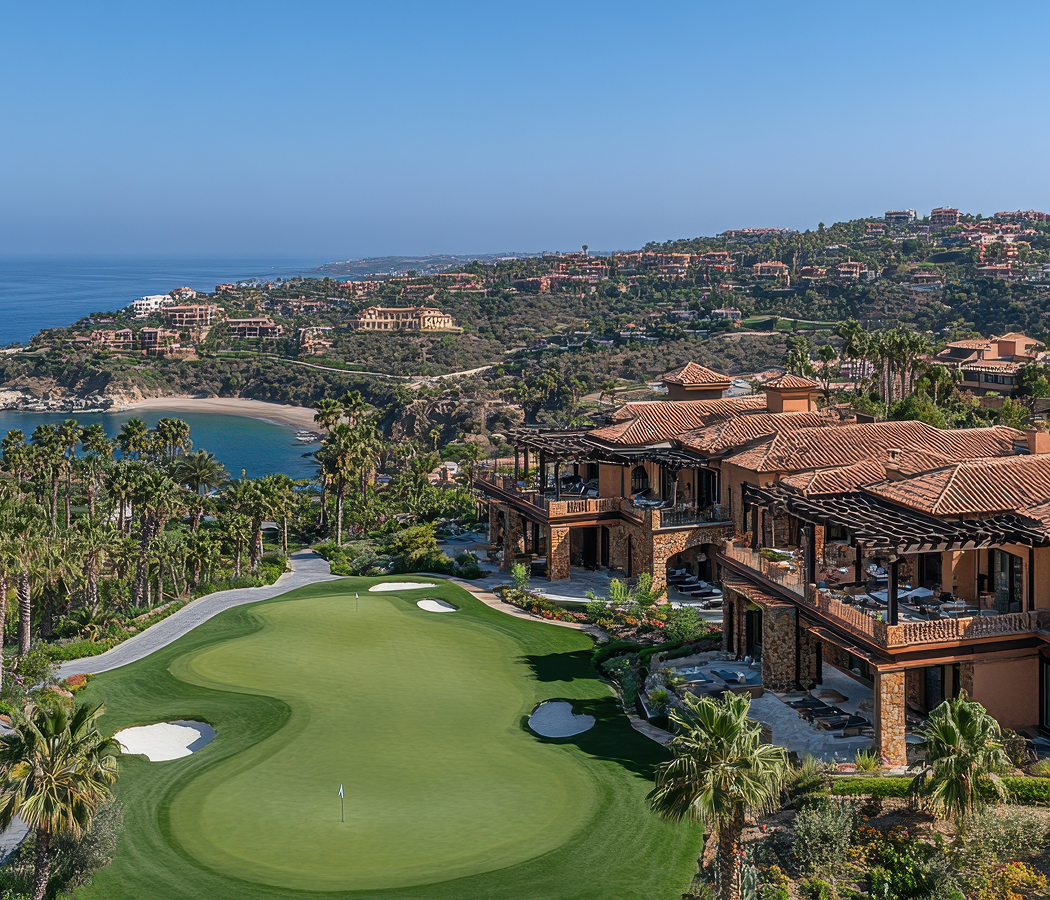
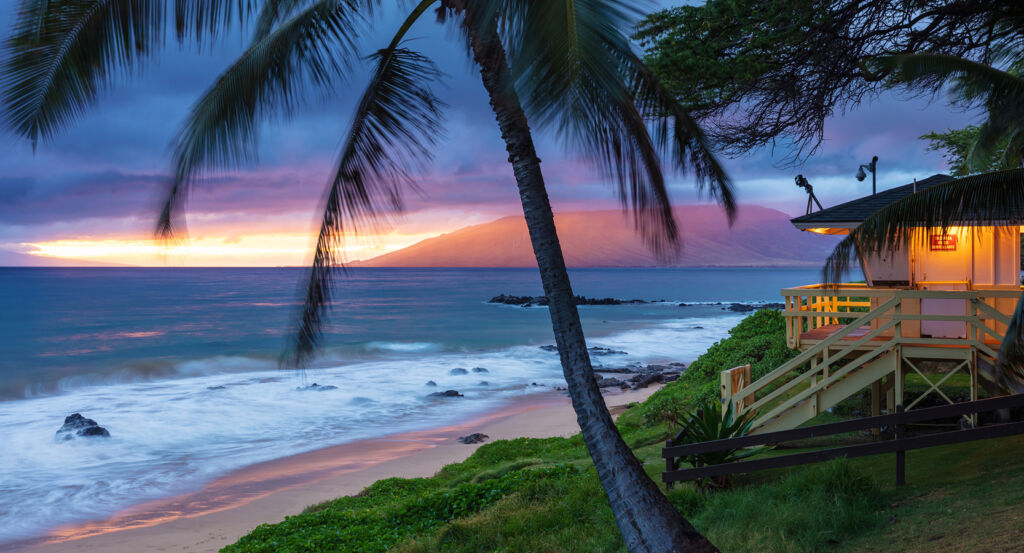
Wailea occupies a striking section of Maui's southwestern shoreline, where the lower slopes of Haleakalā descend toward a succession of sheltered beaches, rocky headlands, and expansive Pacific views. The resort community extends along a carefully landscaped coastal corridor, with major hotels occupying substantial oceanfront properties separated by tropical gardens and pedestrian pathways. Wailea Beach forms one of the principal luxury accommodation settings, with prestigious resorts arranged above a broad crescent of golden sand. The surrounding architecture emphasizes open-air lobbies, expansive terraces, and low-rise wings designed to frame ocean views. Landscaped grounds incorporate palms, flowering tropical plants, and water features, creating a distinctive environment of tropical sophistication. Northward, Ulua Beach and Mokapu Beach provide another important hospitality setting through sheltered sandy coves and rocky shoreline formations. Contemporary resort buildings occupy elevated positions overlooking the water, with terraces and landscaped pools oriented toward the islands visible across the channel. The Wailea Coastal Walk connects these beachfront environments through a scenic pedestrian route passing gardens, lava-rock formations, and uninterrupted ocean vistas. Southward, Polo Beach introduces a quieter atmosphere through substantial luxury properties and residential accommodation overlooking a broad sandy shoreline. The surrounding hotels emphasize spacious suites, landscaped courtyards, and direct access to coastal recreation. Farther south, Palauea Beach occupies a more secluded stretch of coastline through an established residential landscape of substantial private homes and intimate beach access points. The area offers a quieter alternative to the principal resort corridor, with accommodation concentrated in private residences and luxury vacation properties. Inland from the shoreline, Wailea's residential communities extend across gently rising hillsides through landscaped streets, condominium developments, and substantial private estates. These elevated settings provide panoramic perspectives across the Pacific and toward the neighboring islands of Kahoʻolawe and Lānaʻi. The Wailea Golf Club contributes an important organizing element to the inland landscape through championship courses integrated among rolling terrain, tropical vegetation, and volcanic landforms. Residential accommodation near the fairways provides a more secluded environment, with private terraces and gardens overlooking the surrounding slopes. The Shops at Wailea form the principal commercial center, bringing luxury boutiques, restaurants, and pedestrian gathering spaces into the heart of the resort community. North of Wailea, Kīhei presents a more informal coastal environment through condominium complexes, small hotels, and established commercial streets near a succession of accessible beaches. Its accommodation offers convenient access to restaurants, recreational businesses, and the broader South Maui coastline. Southward, Mākena introduces a less densely developed landscape through extensive lava fields, secluded coves, and broad stretches of sand beneath the slopes of Haleakalā. Luxury residences and exclusive resort properties occupy selected coastal sites within a setting defined by open terrain and expansive ocean views. Across Wailea, accommodation ranges from prestigious beachfront resorts and sophisticated contemporary hotels to private villas and elevated residential retreats, with the surrounding landscape providing an exceptional combination of volcanic scenery, sheltered beaches, and carefully planned tropical gardens. Foresyte may earn a commission when you book.
Foresyte Travel's top five choices.
5. Hotel Wailea
Hotel Wailea occupies fifteen hillside acres above Maui's southern coast, physically separating the property from the large beachfront resorts that shaped the surrounding Wailea district. The hotel originated as the Diamond Resort Hawaii, built in 1992 for members of a Japanese private club during the island's late twentieth-century resort-development boom. Its architecture disperses low-rise residential structures through tropical gardens on elevated terrain overlooking the Pacific and neighboring islands. Private owners acquired the property in 2008 and subsequently transformed it into Hotel Wailea, establishing an independent adults-only hotel within a destination dominated by major international hospitality companies. Hotel Wailea represents a distinctive second life for a private-club development created during the formative expansion of modern Wailea.
4. Fairmont Kea Lani, Maui
Fairmont Kea Lani opened in 1991 on Polo Beach during the major expansion that transformed Wailea into one of Hawaii's principal resort communities. Architect Jose Luis Ezquerra conceived the property through broad white stucco forms, arches, domes, courtyards, and extensive gardens arranged along the southern Maui coastline. The development emerged within Wailea's master-planned landscape, whose origins trace to Alexander & Baldwin and Northwestern Mutual's transformation of former ranchland into resorts, golf courses, residential enclaves, and protected shoreline access. Fairmont assumed management in 2001, connecting the property with the Canadian hotel company descended from the country's historic railway-hotel tradition. Kea Lani captures the ambitious resort construction that established Wailea's architectural and hospitality character during the closing decades of the twentieth century.
3. Andaz Maui at Wailea Resort, by Hyatt
Andaz Maui at Wailea Resort opened in 2013 on the former site of the Renaissance Wailea Beach Resort, replacing an earlier generation of development with one of Wailea's most significant twenty-first-century hotel projects. Rockwell Group shaped the interiors around basalt, timber, woven materials, and open spaces that draw the Pacific and surrounding landscape directly into the architectural composition. Tiered terraces descend toward Mokapu Beach, using the site's natural slope to organize pools, gardens, gathering spaces, and ocean views across successive elevations. The property became the first Andaz resort and an important expansion of Hyatt's design-focused brand beyond dense urban settings. Andaz Maui marks Wailea's transition from its original resort-building era into a new cycle of architectural redevelopment on already established coastal sites.
2. Grand Wailea, A Waldorf Astoria Resort
Grand Wailea opened in 1991 as the Grand Hyatt Wailea, created by Japanese developer Takeshi Sekiguchi during an extraordinary period of investment in Maui's resort economy. Architect Joel Bergman designed a vast oceanfront complex organized around expansive public spaces, extensive gardens, water features, and an elaborate network of pools descending toward Wailea Beach. The property later operated under the Grand Wailea name before joining Hilton's Waldorf Astoria portfolio, carrying its original scale into successive eras of ownership and management. A major twenty-first-century transformation reworked substantial portions of the resort while preserving the physical structure established during Wailea's formative expansion. Grand Wailea captures the scale and capital intensity of the late twentieth-century development boom that permanently changed Maui's southern shoreline.
1. Four Seasons Resort Maui at Wailea
Four Seasons Resort Maui at Wailea opened in 1990 as the first Four Seasons resort, establishing a format that became central to the company's subsequent expansion into leisure destinations around the world. The property emerged during the defining development phase of Wailea, the master-planned community created across former ranchland on Maui's dry southwestern coast. Its low-rise buildings curve around landscaped grounds descending toward Wailea Beach, integrating the hotel into a coastal plan governed by setbacks, public shoreline access, and extensive open space. The resort's success helped demonstrate that Four Seasons' urban service model could translate to large destination properties, preceding the company's later resort expansion across Hawaii, the Caribbean, Mexico, and Asia. Four Seasons Maui occupies a pivotal place in both Wailea's development and the international evolution of the Four Seasons brand.
Where your story begins.
Foresyte Travel reveals places that feel extraordinary long before you arrive.
Enjoy editorial crafted for luxury travelers.
Foresyte may earn a commission when you book.