Why Four Seasons Resort Maui matters.
Four Seasons Resort Maui at Wailea is a pioneering Hawaiian luxury resort where Wailea's planned coastal development meets the architectural ambitions of the island's late-twentieth-century hospitality expansion and the international cultural influence of HBO's The White Lotus.
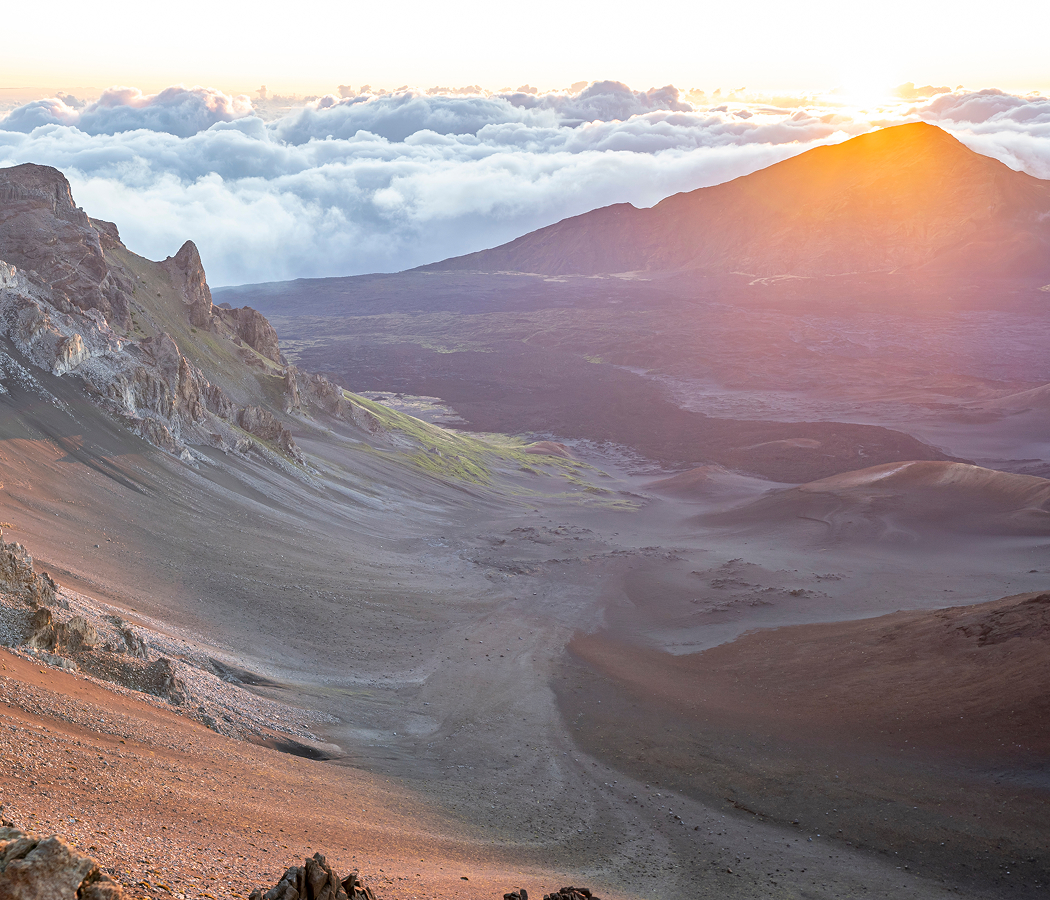
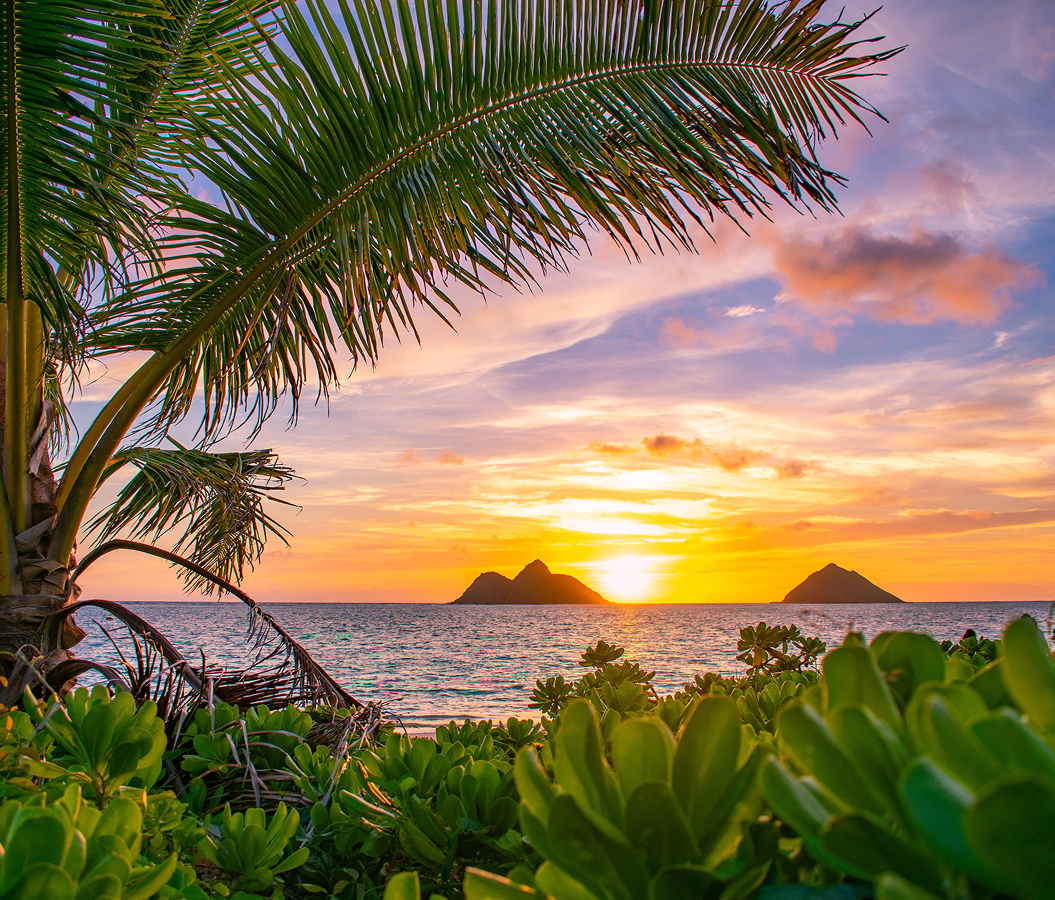
Occupying 15 oceanfront acres above Wailea Beach on Maui's southwestern coast, Four Seasons Resort Maui at Wailea stands between the landscaped resort corridor and the Pacific Ocean, with the volcanic slopes of Haleakalā rising inland and Kahoʻolawe visible across the water. Wimberly, Allison, Tong & Goo organized the eight-story building around a broad U-shaped plan that opens toward the coastline. The arrangement places a formal courtyard at the center of the property, directing views through the architecture toward the ocean. Classical columns, shouldered arches, blue-tiled roofs and coffered ceilings give the building a distinctive architectural character. Marble flooring connects the principal public spaces with the surrounding terraces. Urn fountains and formal garden beds organize the central courtyard, where royal palms reinforce the symmetry of the original composition. The architects angled the building's accommodation wings to maximize ocean exposure, producing coastal views from 85 percent of the original accommodations. Cross-ventilation, shaded outdoor spaces and protected circulation routes respond to Maui's tropical climate through architectural design. The building's substantial scale is moderated by the surrounding gardens and the open coastal orientation of its principal gathering spaces. The result is a large oceanfront resort whose classical architecture and carefully calculated orientation connect the ceremonial character of an international luxury hotel with the physical geography of Wailea.
What defines Four Seasons Resort Maui at Wailea.
Four Seasons Resort Maui at Wailea is best known for becoming the first full-service Four Seasons resort and subsequently gaining international recognition as the principal filming location for the first season of HBO's The White Lotus. Its origins belong to the expansion of Wailea during the 1980s, when Hawaiian developer Christopher Hemmeter and Japanese investor Takeshi Sekiguchi pursued major hospitality developments along Maui's southwestern coastline. Sekiguchi's TSA International and Japan's Shimizu Corporation joined Four Seasons in developing the property, creating a $180 million project during a period of substantial Japanese investment in Hawaiian real estate. The development became Four Seasons' first Hawaiian property and its third resort when it opened in February 1990. Its scale and architectural ambition marked an important departure from the company's earlier concentration on urban luxury hotels. Shimizu subsequently consolidated ownership through SCP (Maui 5), retaining the property as Japanese investment in Hawaii encountered changing economic conditions during the following decade. An attempted sale in 2000 failed to produce a transaction, leaving the resort under Shimizu's control. Michael Dell's investment firm MSD Capital entered the property's history in April 2004 through an agreement to acquire it from the Japanese ownership company. The transaction transferred a major Hawaiian hospitality asset into the investment portfolio associated with the founder of Dell Technologies, marking a consequential shift from its original development partnership. A $50 million renovation followed in 2007, extending the building's established architectural character into another period of international luxury hospitality. The resort entered a further design chapter in December 2014 when its leadership commissioned competing proposals for a comprehensive interior transformation. Wimberly Interiors, associated with the practice responsible for the original architecture, received the commission and completed the redevelopment in 2016. The project incorporated Hawaiian artistic references, textiles by Eskayel and a revised collection of artworks, reconnecting the interiors with the surrounding island landscape. International recognition continued through the Forbes Travel Guide Five-Star distinction, placing the property among Hawaii's most highly rated luxury hotels. These successive periods of development, ownership change and architectural renewal preserved the resort's position within Wailea's luxury hospitality economy across more than three decades.
How Four Seasons Resort Maui at Wailea fits.
Four Seasons Resort Maui at Wailea works as the starting point for a coastal outing connecting the surviving traces of Hawaiian settlement, the nineteenth-century maritime economy of southern Maui and the religious community that developed around Mākena.
Begin at Wailea Point, a coastal promontory preserving physical traces of Hawaiian habitation along the southwestern shoreline. Stone foundations associated with traditional hale structures occupy the elevated coastal landscape, providing evidence of domestic settlement before the construction of the surrounding resort district. Hawaiian households historically organized coastal living around access to fishing grounds, cultivated land and freshwater resources, connecting shoreline settlements with agricultural activity farther inland. The surviving structural remains preserve a relationship between domestic architecture and the volcanic coastal terrain, where locally available stone provided foundations for traditional dwellings. The incorporation of the site into the public coastal pathway preserved a visible fragment of the area's earlier settlement history amid the development of modern Wailea. Continue to Mākena Landing, a former coastal shipping point whose commercial importance grew through the cattle industry established on the slopes of Haleakalā. Captain James Makee developed the ʻUlupalakua ranching enterprise during the nineteenth century, transforming upland agricultural land into a substantial cattle-producing district. Mākena provided access to maritime transport for livestock moving from the ranch toward Honolulu and other Hawaiian markets. The operation handled shipments reaching 1,000 cattle annually, connecting the southern Maui coastline with the expanding interisland livestock trade. By the 1920s, Mākena Bay had developed into one of Maui's important coastal landings, supporting a community of more than 100 families. The former port preserves a chapter of regional economic history in which ranching and coastal shipping connected otherwise isolated agricultural settlements with Hawaii's principal commercial centers. Conclude at Keawalaʻi Congregational Church, founded in 1832 as the Church of Honuaʻula during the expansion of Protestant Christianity across the Hawaiian Islands. The original congregation worshipped in a structure built from pili grass before constructing a permanent church of stone and timber in 1855. Members gathered coral rock for the mortar and transported lumber from the uplands, creating a building through the collective labor of the surrounding community. Carpenter K. Ke Kamana directed construction, and the congregation subsequently raised $70 in 1856 to purchase a bell from the United States. The bell arrived in January 1860 and was installed in the belfry in February 1862. In 1864, members purchased the church land for $80 and elected local trustees, retaining control of the property through an important decision concerning the congregation's institutional independence. The building's original belfry collapsed in 1962, prompting repairs that preserved the nineteenth-century stone structure. The progression moves from the physical remains of Hawaiian coastal settlement through Mākena's cattle-shipping economy and culminates in Keawalaʻi Congregational Church's preservation of nineteenth-century community organization, connecting three consequential chapters in the development of southern Maui.
Where your story begins.
Foresyte Travel reveals places that feel extraordinary long before you arrive.
Enjoy editorial crafted for luxury travelers.