Why Wailea Beach matters.
Wailea Beach is a golden-sand beach where Wailea's volcanic coastal landscape meets the maritime heritage of South Maui, the transformation of former ranchlands into an internationally recognized resort destination and the preservation of public shoreline access along one of Hawaiʻi's most celebrated oceanfront settings.
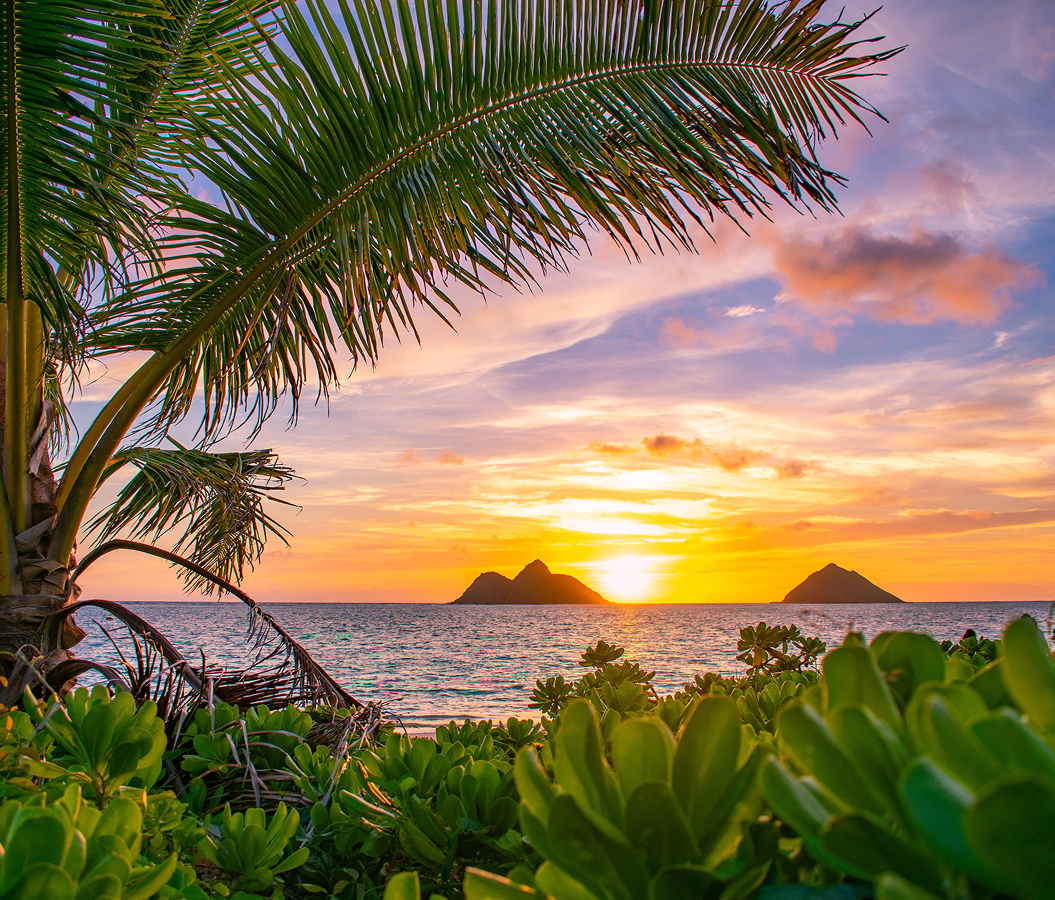
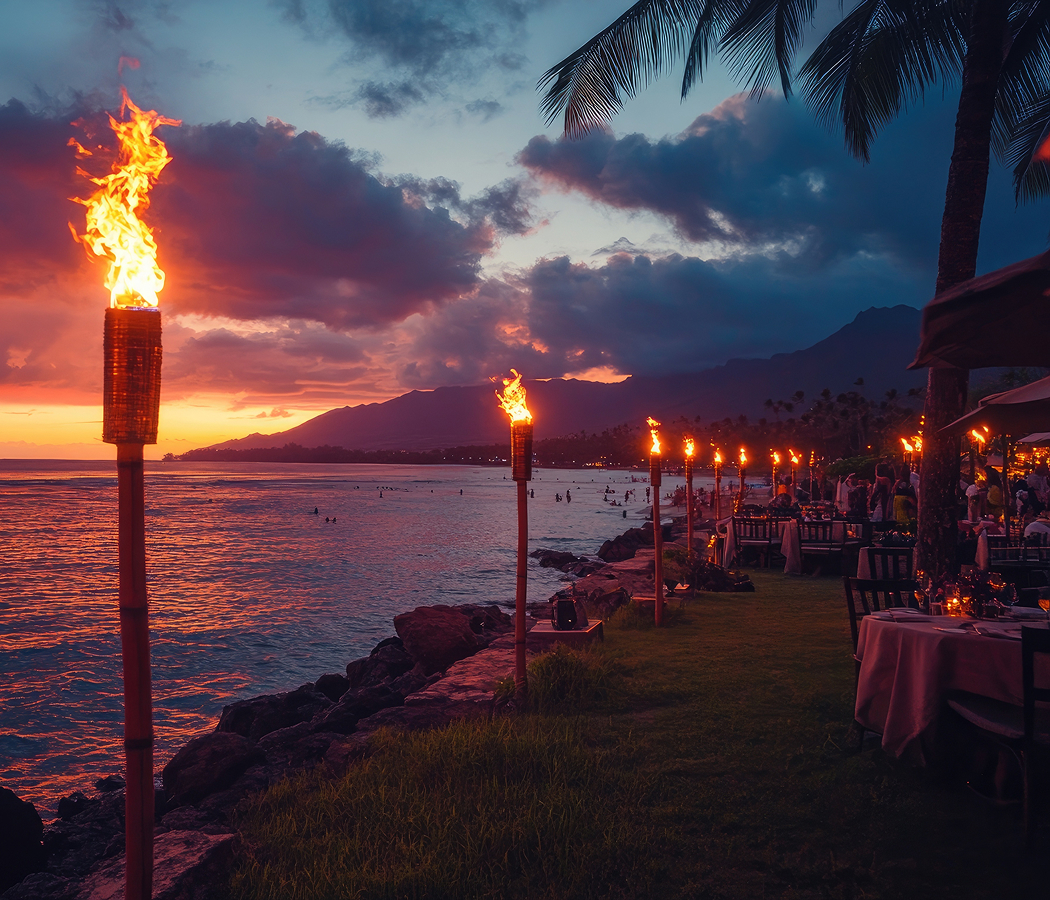
Stretching along Maui's southwestern shore between Grand Wailea and Four Seasons Resort Maui, Wailea Beach occupies a broad crescent west of Wailea Alanui Drive, with Wailea Point to the south, Ulua Beach to the north and Kahoʻolawe across the ʻAlalākeiki Channel. Its pale sand slopes toward clear Pacific waters, with dark basalt headlands enclosing the bay and offshore reef formations interrupting the sandy seafloor near its northern and southern margins. Landscaped resort grounds rise behind the shoreline, where palms, lawns and tropical planting establish a green boundary between the beach and the surrounding buildings. A paved coastal walkway follows the oceanfront above the sand, connecting public access points, landscaped overlooks and neighboring coves. The western horizon encompasses Kahoʻolawe, Molokini and the distant West Maui coastline, creating an expansive marine panorama. The result is a broad public beach whose sheltered geography, volcanic shoreline and landscaped resort frontage establish one of South Maui's most distinctive coastal environments.
What defines Wailea Beach.
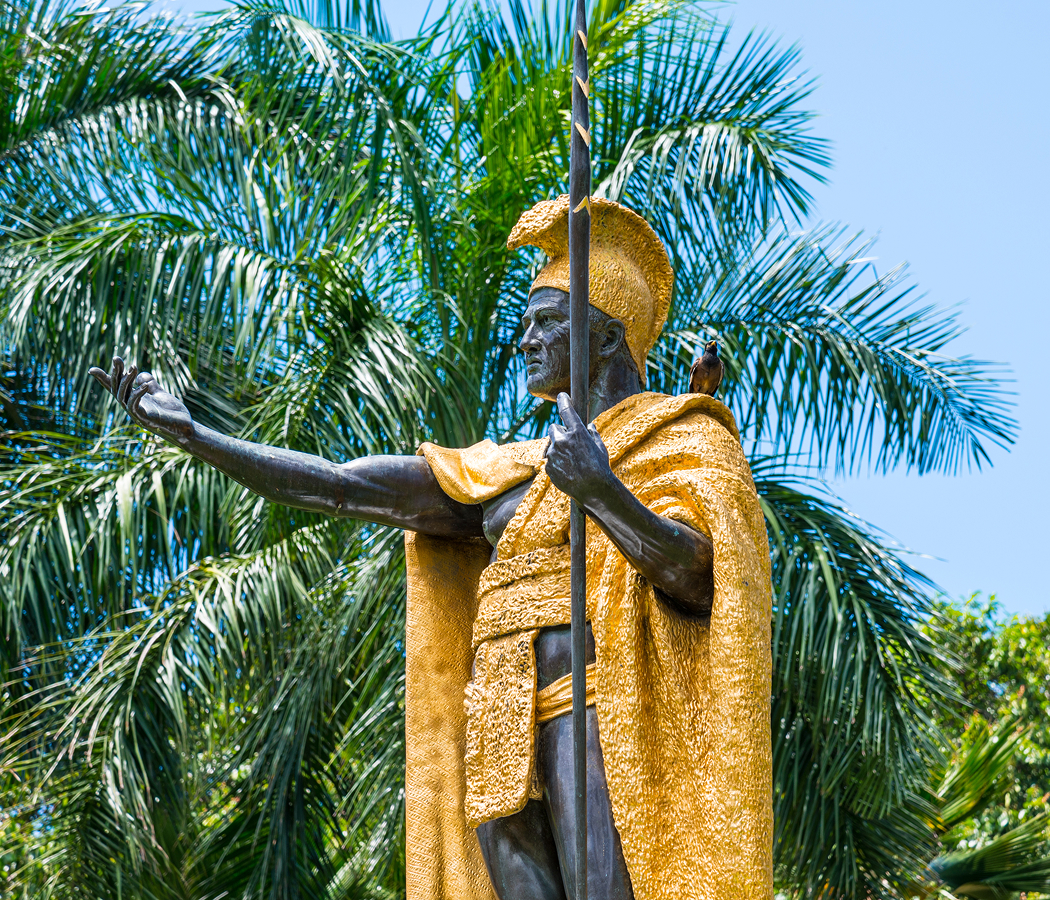
Wailea Beach is best known for occupying the central shoreline of Wailea, a coastal district whose transformation from Hawaiian fishing grounds and cattle ranchland into a master-planned resort community reshaped South Maui during the twentieth century. The name Wailea is traditionally associated with Lea, the Hawaiian goddess connected to canoe building, whose presence in local tradition gave the area the meaning Waters of Lea. Ancient Hawaiian communities occupied the slopes of Haleakalā above the coast, cultivating sweet potatoes in the uplands and establishing seasonal fishing shelters near the shoreline. The coastal settlements formed part of the broader Honuaʻula district, where access to marine resources and freshwater shaped patterns of habitation across the dry southwestern slopes of Maui. King Kamehameha III's Great Māhele of 1848 transformed Hawaiian land tenure, contributing to the expansion of cattle ranching across lands previously used for traditional agriculture. The surrounding coastal plain subsequently became associated with ʻUlupalakua Ranch, whose grazing lands extended across substantial portions of South Maui. During the Second World War, the United States Marine Corps used sections of the Wailea coastline for amphibious training, with nearby Ulua Beach acquiring the military nickname Little Tarawa. The transition toward resort development began in 1957, when Matson Navigation Company purchased 1,500 acres of coastal land with ambitions to establish a major hospitality destination. Alexander & Baldwin gained control of the property through its corporate relationship with Matson, eventually assuming ownership before initiating development planning during the early 1970s. In 1971, Alexander & Baldwin partnered with Northwestern Mutual Life Insurance Company to establish Wailea Development Company, creating a comprehensive plan for residential neighborhoods, hotels, recreation and commercial facilities. The development represented an important stage in Maui's economic diversification as tourism expanded alongside the island's longstanding agricultural industries. Construction began in 1972, accompanied by the development of roads, utilities and recreational infrastructure across the former ranchlands. Wailea's first golf course opened that year, establishing a recreational attraction that helped define the emerging resort community. The first hotel and condominium developments opened in 1976, introducing the coastal accommodations that would gradually reshape the land overlooking Wailea Beach. Wailea Shopping Village followed in 1977, establishing a commercial center within the developing resort district. The original master plan preserved an oceanfront open-space corridor, providing public pedestrian access along the shoreline and separating the principal resort buildings from the water. This arrangement became central to the beach's relationship with the surrounding development, ensuring that the coastal landscape remained accessible beyond individual hotel properties. Alexander & Baldwin sold Wailea Development Company to Japan's Shinwa Golf Group for $197.5 million in 1989, introducing a new period of international investment. The subsequent expansion brought Four Seasons Resort Maui in 1990 and Grand Wailea in 1991, placing two major luxury hotels directly beside the beach. Their construction established the architectural setting that came to define the Central Wailea waterfront, combining substantial landscaped properties with a continuous public shoreline. The wider resort continued developing through residential construction, commercial expansion and improvements to its recreational facilities. Alexander & Baldwin reacquired 270 acres of undeveloped Wailea property from Shinwa in 2003 for $67.1 million, returning to a portion of the community it had originally planned. Wailea Beach occupies a central position in the history of South Maui's transition from traditional Hawaiian coastal settlement and ranching to large-scale tourism, international hospitality investment and planned oceanfront development.
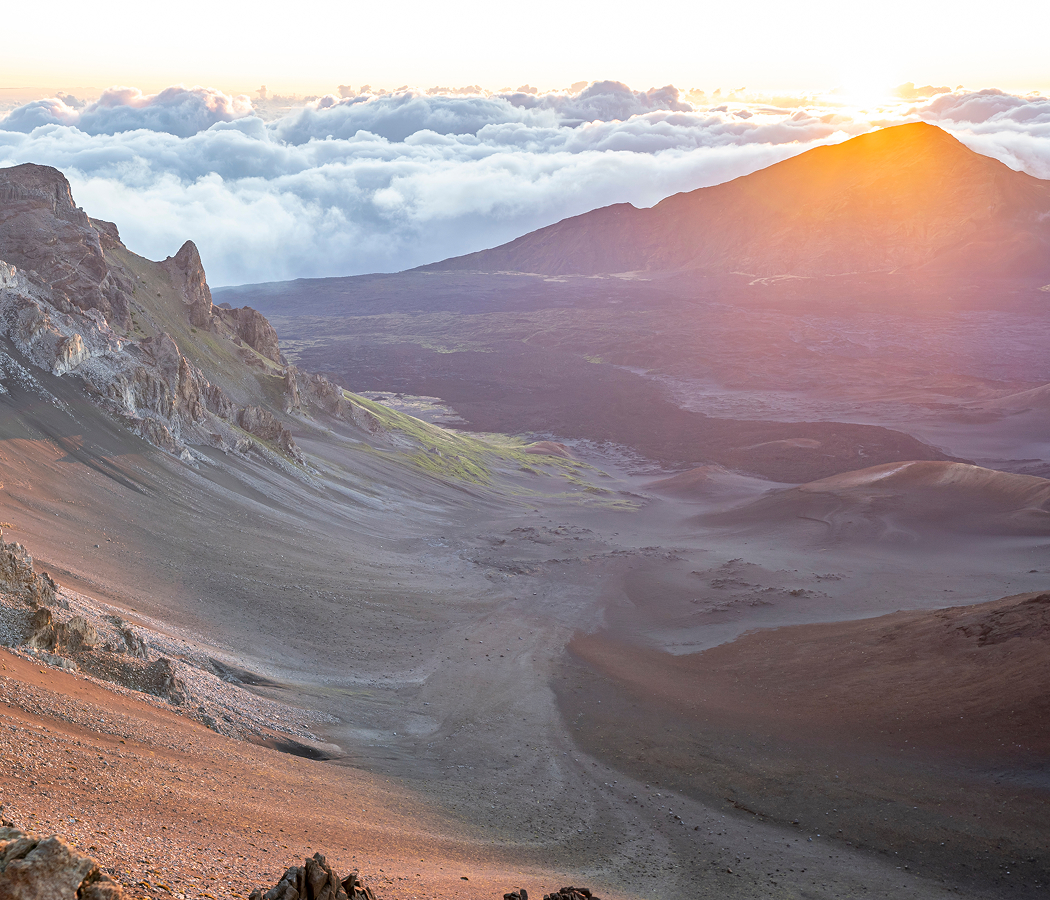
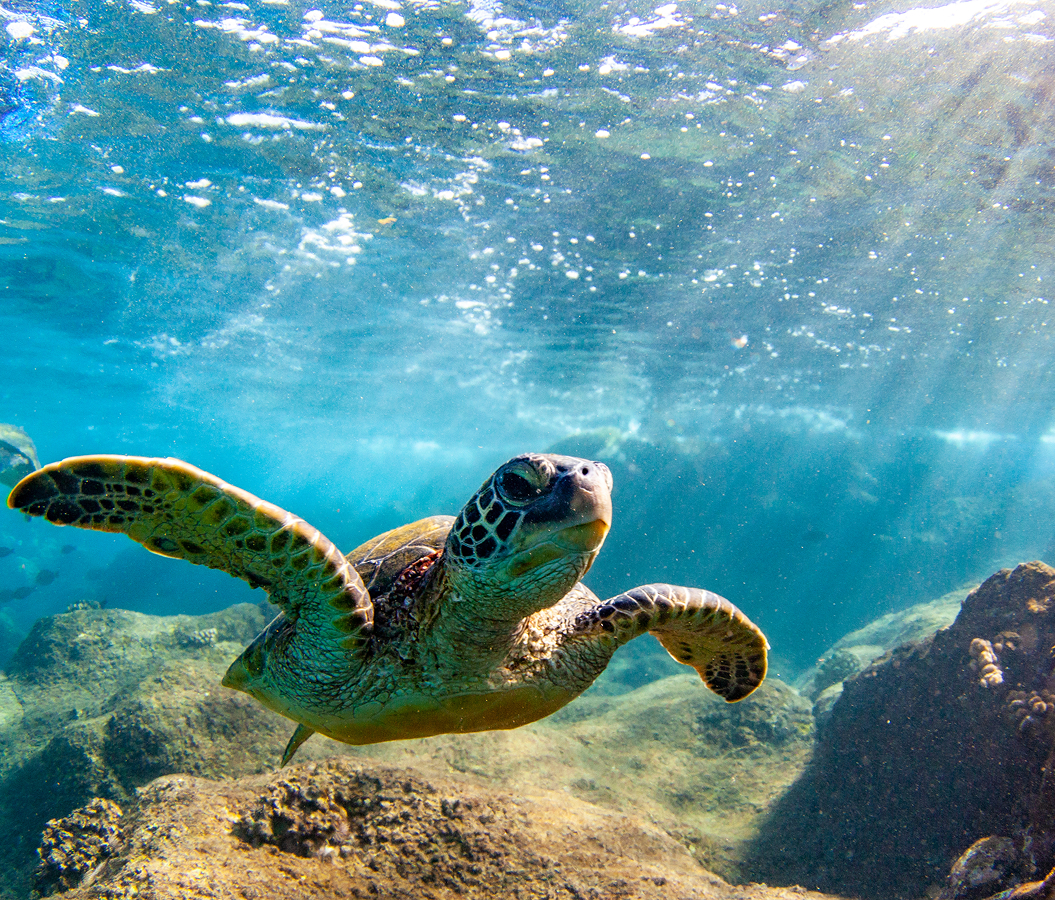
Haleakalā's southwestern volcanic slopes establish the geological foundation of Wailea Beach, descending toward a shoreline shaped by ancient lava flows, marine erosion and the accumulation of carbonate sand. The beach's pale sediment contains fragments of coral, shells and other marine organisms, contrasting with the dark basalt exposed along its rocky boundaries. These headlands define the crescent-shaped bay and influence the movement of waves entering from the open Pacific. During periods of gentle surf, the sandy central section provides a gradual transition into the water, with clear shallows extending toward deeper blue conditions offshore. Seasonal south swells introduce larger breaking waves, changing the character of the shoreline and producing stronger currents near the rocky points. The surrounding ocean also responds to winter northwest swells and southerly Kona storms, creating substantial variation in wave direction and nearshore conditions. Offshore reef formations support marine communities that include reef fish, sea urchins and Hawaiian green sea turtles, known as honu. The rocky margins provide habitat distinct from the open sandy center, concentrating reef organisms around submerged lava formations and coral growth. Hawaiian green sea turtles use coastal reef environments for feeding and resting, and their presence connects the beach to the wider marine ecology of Maui's southwestern shoreline. The clear water and sandy entry support swimming during favorable conditions, and snorkeling near the headlands reveals the transition between volcanic rock, coral habitat and deeper ocean. Marine visibility changes with wave activity, sediment movement and seasonal weather, making the underwater environment different across successive visits. The bay's western orientation establishes another important geographical relationship through its exposure to the setting sun and the offshore islands. Kahoʻolawe forms the principal island mass across the channel, and Molokini rises as a partially submerged volcanic crater beyond the southern coastal approaches. The crater originated through volcanic activity and subsequent marine erosion, creating a distinctive crescent-shaped feature within the surrounding ocean. During the winter breeding season, humpback whales migrate into Hawaiian waters, and the channels surrounding Maui become important areas for mating, calving and nursing. Their offshore movements are visible from the Wailea coastline, connecting the beach to one of the Pacific's major seasonal marine migrations. The shoreline itself continues changing through the movement of sand between the beach and nearshore waters. University of Hawaiʻi coastal research examining historical shoreline positions since 1912 has measured low to moderate accretion along Wailea Beach Park, with an average shoreline advance of 0.1 feet annually. The findings distinguish this section from neighboring northern Wailea beaches that have experienced more substantial long-term erosion. Public beach facilities include restrooms, outdoor showers and access paths, supporting the use of the shoreline independently of the surrounding hotels. The absence of a lifeguard station makes changing surf and current conditions an important consideration for swimming and snorkeling. Wailea Beach's enduring appeal emerges from the relationship between its protected sandy crescent, biologically diverse rocky margins, seasonal marine activity and uninterrupted western ocean views, preserving the physical character of South Maui's volcanic coast within a developed resort environment.
How Wailea Beach fits.
Wailea Beach works as the starting point for an exploration connecting South Maui's volcanic coastal formations, the traditional Hawaiian settlement landscape and the preservation of public access along the island's southwestern shoreline.
Begin at Wailea Point, the rocky coastal promontory separating Wailea Beach from the coves extending south toward Polo Beach. Its exposed basalt formations preserve the volcanic foundation of the shoreline, with dark lava rock descending toward shallow marine waters and small pockets of coastal vegetation occupying the higher ground. The public coastal walkway crosses the headland, providing elevated views toward Kahoʻolawe and Molokini across the ʻAlalākeiki Channel. The promontory also preserves evidence of traditional Hawaiian coastal occupation through archaeological features associated with former habitation and fishing activities. Its position between adjoining sandy bays demonstrates the influence of volcanic headlands on the shape and separation of South Maui's beaches. Continue to Polo Beach, the sheltered sandy cove fronting Fairmont Kea Lani at the southern end of Wailea's principal resort shoreline. The beach consists of adjoining sandy sections separated by a small rocky formation, with lava outcrops enclosing its northern and southern approaches. Its Hawaiian name, Ke One o Polo, connects the shoreline to local geographical traditions predating modern resort development. Public access includes a dedicated parking area, restrooms, showers and picnic facilities, preserving its function as a community beach within the surrounding hospitality district. The sandy entry supports swimming during calm conditions, and the rocky margins provide habitat for reef fish and other marine organisms. Conclude at Palauea Cultural Preserve, a protected Hawaiian archaeological landscape occupying twenty-one acres near the coast south of Wailea. The property lies within the traditional ahupuaʻa of Palauea, part of the larger Honuaʻula district, and contains significant evidence of precontact Hawaiian settlement. Archaeological features include heiau, residential foundations and agricultural structures associated with communities that occupied the region before extensive ranching and resort development. The Office of Hawaiian Affairs acquired the preserve in December 2012 to protect its surviving cultural resources and support their long-term stewardship. The property contains twelve significant archaeological sites and represents one of the last concentrated surviving cultural landscapes in the Wailea-Mākena area. Preservation planning has involved the University of Hawaiʻi Maui College and Native Hawaiian community partners, connecting archaeological conservation with cultural education and traditional stewardship. The preserve is a protected cultural property, and access is governed by its stewardship arrangements. The progression moves from Wailea Point's volcanic coastal formations through Polo Beach's public shoreline and culminates in Palauea Cultural Preserve's surviving Hawaiian settlement landscape, connecting South Maui's geological foundations, recreational coast and indigenous cultural heritage.
Where your story begins.
Foresyte Travel reveals places that feel extraordinary long before you arrive.
Enjoy editorial crafted for luxury travelers.
Foresyte may earn a commission when you book.