Why Fairmont Kea Lani, Maui matters.
Fairmont Kea Lani, Maui is an oceanfront luxury resort where Wailea's planned coastal development meets the architectural ambitions of Mexican designer José Luis Ezquerra and the preservation of Hawaiian culture within an international hospitality institution.
Occupying 22 acres above Polo Beach on Maui's southwestern coastline, Fairmont Kea Lani, Maui extends between the Pacific Ocean and Wailea Alanui Drive, with Kaukahi Street approaching its southern boundary and the volcanic slopes of Haleakalā rising across the inland landscape. The resort's white buildings form a Mediterranean-inspired composition of towers, arches, domes and terraces arranged around landscaped courtyards. José Luis Ezquerra developed the architecture through a combination of Mexican coastal design and Hawaiian cultural references, giving the property a distinctive silhouette within Wailea's resort district. The central building rises above an open-air entrance, where broad archways frame views across the gardens toward the ocean. White plaster surfaces emphasize the geometric relationship between the building's rounded towers and its stepped exterior elevations. Balconies follow the curved and angular contours of the principal wings, establishing a layered facade across the coastal slope. Landscaped pathways descend between ornamental gardens, water features and swimming pools toward the shoreline. Tropical planting softens the substantial scale of the architecture, with palms and flowering vegetation distributed throughout the courtyards. The grounds extend toward a sandy coastal frontage bordered by volcanic rock, connecting the formal building composition with the surrounding marine environment. The result is a resort whose white Mediterranean-inspired architecture and terraced coastal landscape establish a distinctive architectural presence along Wailea's southern shoreline.
What defines Fairmont Kea Lani, Maui.
Fairmont Kea Lani, Maui is best known for becoming Fairmont Hotels & Resorts' first Hawaiian property after emerging from the financial restructuring of a major luxury resort developed during Hawaii's late-1980s hospitality expansion. Developer Charles M. Sweeney conceived the project through Landmark Hotels, establishing an independent luxury property within the growing Wailea resort district. Architectural planning began in 1986 under José Luis Ezquerra, whose earlier work included Las Hadas in Manzanillo, Mexico. Ezquerra developed the building's distinctive white architectural character through extensive consideration of Hawaiian building traditions and the island's natural environment. The hotel opened in December 1991 as the Kea Lani, introducing a substantial independent hospitality investment during a period of extensive Japanese financing in Hawaiian real estate. Landmark Hotels operated the property under Sweeney's leadership, maintaining the original development organization's involvement after construction. The resort's financial structure underwent a consequential change in July 1998 when Kea Lani Limited Partnership acquired $175 million in mortgage debt from Mitsui and ten other Japanese lenders. The transaction included a $130 million first mortgage and a $45 million second mortgage, transferring the debt during a period when Japanese financial institutions were reducing their exposure to Hawaiian resort investments. Kea Lani Limited Partnership brought together Sweeney's Trinity Investment Trust, Goldman Sachs' Whitehall Street investment organization and Apollo Real Estate Advisors, connecting the property with major American institutional investors. Canadian Pacific Hotels acquired a controlling interest in February 2001 through a transaction valued at $250 million, introducing the Fairmont brand to Hawaii for the first time. The acquisition also connected the resort with an international hotel organization whose investors included Saudi Prince Alwaleed bin Talal. Fairmont assumed management during the second quarter of 2001, ending Landmark Hotels' original operating role. A further ownership transition followed in July 2004 when Fairmont Hotels & Resorts sold its real estate interest to Host Marriott Corporation for $355 million. The transaction preserved Fairmont's management relationship through a long-term agreement, separating the ownership of the physical property from the operation of its hospitality business. The resort subsequently underwent a $70 million redevelopment completed in 2015, extending its original architectural investment through substantial improvements to its public facilities. A further multiyear transformation completed in January 2024 introduced a redesigned central lobby and a cultural program developed in consultation with Hawaiian practitioners. The redevelopment earned LEED Silver certification in June 2025, connecting the property's latest construction program with recognized environmental standards. Its institutional history traces the movement of a major Hawaiian resort through independent development, Japanese financing, American investment partnerships, Canadian hospitality management and successive periods of architectural renewal.
Kamahiwa Kawaʻa helped establish the cultural direction of the resort's most recent transformation through the creation of Hale Kukuna, a permanent institution devoted to Hawaiian knowledge and traditional practices. The center opened in December 2023 through an investment supported by Host Hotels & Resorts, establishing a dedicated cultural gathering place within the property's principal public area. Its name was developed by the resort's cultural advisory board and lineal descendants of Palauea, the traditional Hawaiian district encompassing the land occupied by the hotel. Kukuna refers to rays of sunlight, connecting the institution's purpose with the Hawaiian understanding of sunlight as a source of nourishment for the ʻāina. The center's position within the lobby follows the concept of piko, the central point associated with origins and ancestral connection. Hawaiian cultural practitioners developed displays and educational activities around traditional crafts, language, agriculture and the transmission of knowledge between generations. The collection includes objects associated with lei making, featherwork and other practices requiring specialized techniques passed through families and communities. The program also incorporates the significance of canoe plants, species transported across the Pacific by Polynesian voyagers and cultivated for food, medicine and practical use. Cultural instruction extends into ceremonial practices, including the E Ala Ē sunrise chant conducted along the shoreline and the traditional blowing of the pū at sunset. The resort's observance of Lā Hoʻihoʻi Ea in July 2025 further connected the institution with Hawaiian political history through a public commemoration of the restoration of Hawaiian sovereignty in 1843. Participating practitioners included lauhala weaver Gayle Miyaguchi, kapa maker Lei Ishikawa and traditional woodworker Kenneth Hiraoka, whose instruction connected specialized craftsmanship with the continuing preservation of Hawaiian cultural knowledge. Hale Kukuna gives the property's redevelopment a purpose extending beyond architectural renewal, creating a permanent setting for cultural education under the guidance of Hawaiian practitioners and descendants of the surrounding land.
How Fairmont Kea Lani, Maui fits.
Fairmont Kea Lani, Maui works as the starting point for a southern Maui outing connecting ancient Hawaiian coastal settlement, the volcanic history of Haleakalā and the preservation of fragile marine and terrestrial environments.
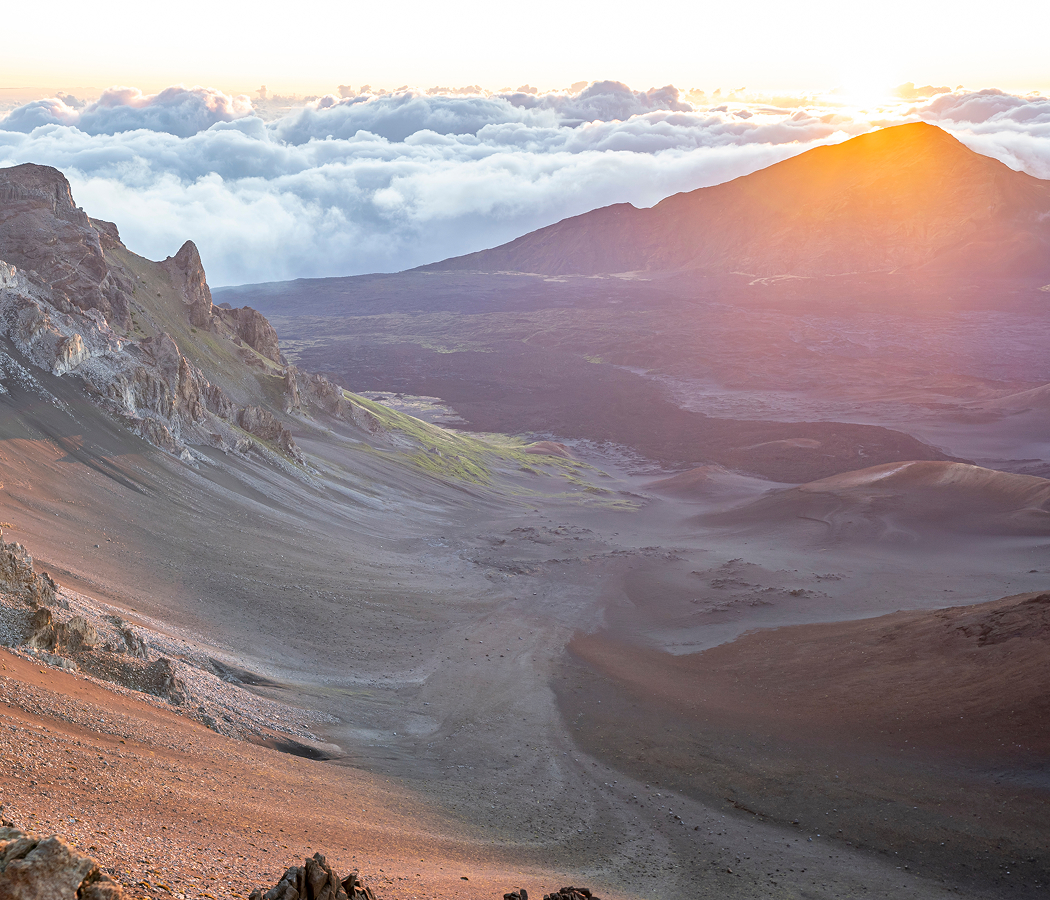
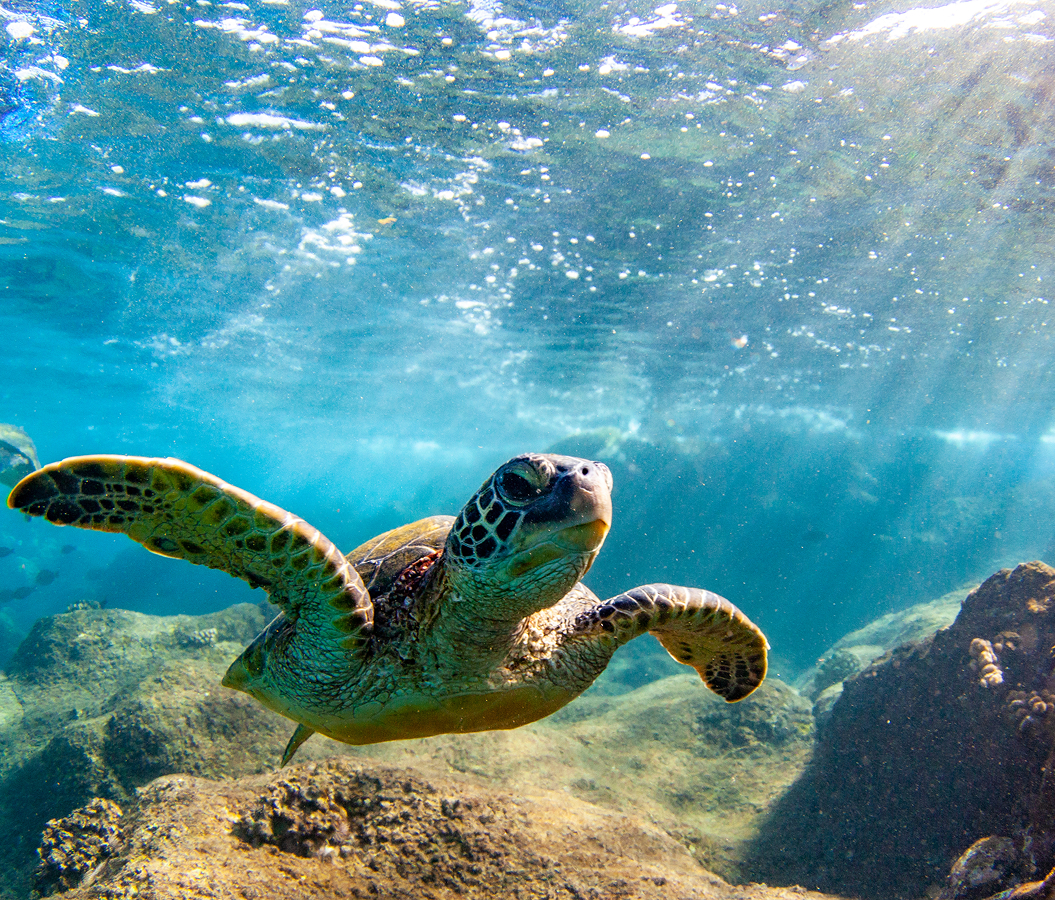
Begin at Palauea Cultural Preserve, a protected archaeological landscape containing one of the most significant surviving concentrations of Hawaiian settlement features in the Wailea-Mākena district. The 20.7-acre preserve protects the remains of an ancient fishing community, including house foundations, agricultural structures and religious sites associated with traditional coastal occupation. Archaeologist Patrick Kirch investigated the surrounding area in 1969 and 1970, establishing the significance of the Palauea Landing and heiau complexes during the early planning of Wailea's resort development. The Kīhei-Mākena Community Plan designated the area for preservation in 1998, protecting cultural sites amid expanding residential construction. The Office of Hawaiian Affairs acquired the property in December 2012, securing its long-term protection through a partnership involving Hawaiian cultural practitioners and the University of Hawaiʻi Maui College. Continue to Mākena State Park, where the volcanic cone of Puʻu Olaʻi rises between the broad sandy shoreline of Oneloa and the dark volcanic sands of Oneʻuli Beach. The cone belongs to the Hāna Volcanics, the geological formation associated with Haleakalā's later eruptive history. Volcanic activity between 13,000 and 30,000 years ago produced Puʻu Olaʻi, creating a coastal feature whose steep slopes define the surrounding shoreline. Oneloa developed through the accumulation of marine sediments along a broad coastal embayment, forming one of Maui's longest uninterrupted sandy beaches. Oneʻuli's darker sediments contain volcanic fragments derived from the surrounding lava formations, giving the adjoining shoreline a different geological character. The park preserves these contrasting coastal environments within a protected public landscape. Conclude at ʻĀhihi-Kīnaʻu Natural Area Reserve, established in 1973 as Hawaii's first designated natural area reserve. The protected district encompasses 1,238 acres of terrestrial habitat and 807 acres of marine habitat along Maui's southwestern volcanic coast. Lava fields associated with Haleakalā's later eruptions extend through the reserve, creating a landscape containing anchialine pools connected to underground seawater circulation. These pools support specialized organisms adapted to fluctuating salinity and limited connections with the open ocean. Isolated pockets of vegetation preserve native species including wiliwili, naio and Hawaiian cotton, whose survival depends on protection from invasive plants and grazing animals. Offshore coral communities support marine species within a protected coastal environment, connecting the reserve's terrestrial conservation priorities with the preservation of reef habitats. The progression moves from Palauea's surviving Hawaiian settlement structures through Mākena's volcanic coastal formations and culminates in ʻĀhihi-Kīnaʻu's protected marine and terrestrial habitats, connecting human occupation, geological development and environmental conservation across southern Maui.
Where your story begins.
Foresyte Travel reveals places that feel extraordinary long before you arrive.
Enjoy editorial crafted for luxury travelers.
Foresyte may earn a commission when you book.