Perfect weekend in Los Angeles, California.
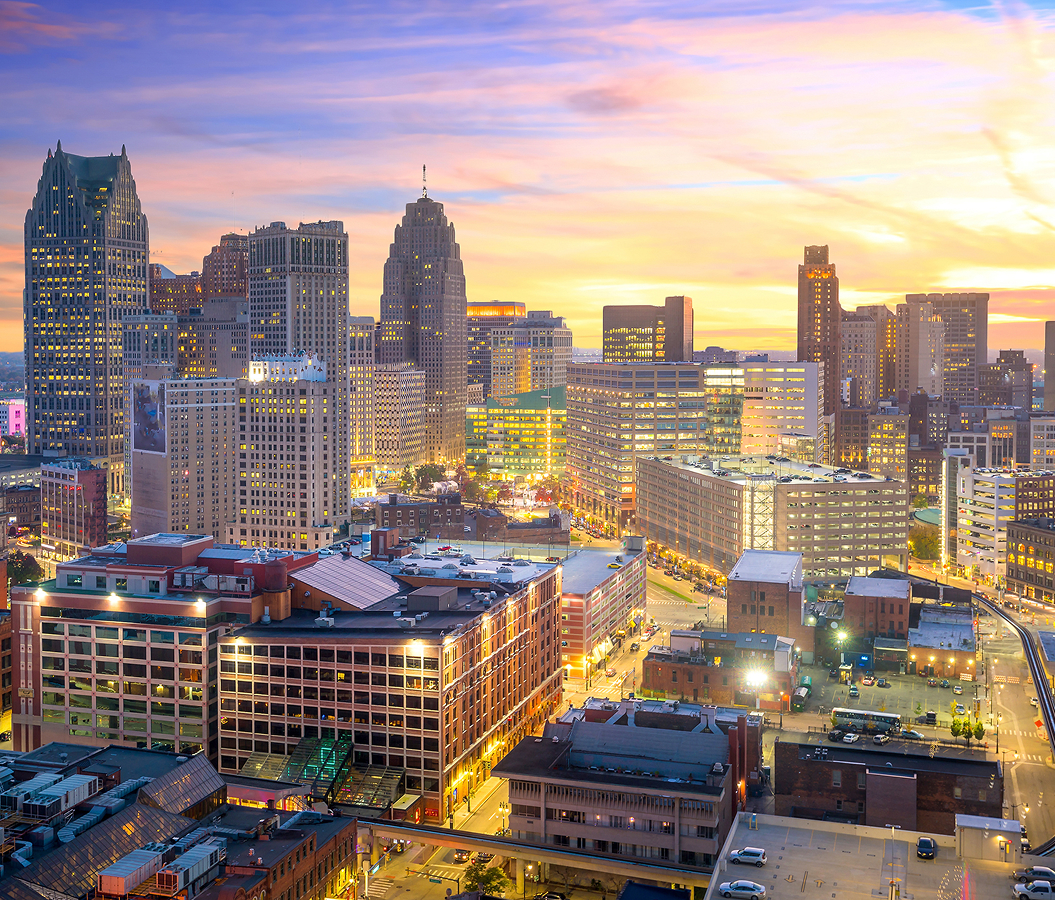
Los Angeles developed from a small Spanish colonial settlement into the largest city in California, shaped by Indigenous civilization, Mexican governance, American expansion, and the extraordinary growth of the motion picture industry. Situated within a broad coastal basin between the Pacific Ocean and the San Gabriel Mountains, the region encompasses river valleys, coastal plains, foothills, and mountain communities whose geography influenced successive patterns of settlement. The Tongva people inhabited the Los Angeles Basin for thousands of years before European colonization, establishing villages connected through extensive trading networks and sophisticated relationships with the surrounding land and waterways. Spanish colonization began with the establishment of Mission San Gabriel Arcángel in 1771, followed by the founding of El Pueblo de Nuestra Señora la Reina de los Ángeles in 1781 under Governor Felipe de Neve. The settlement developed through agriculture, livestock production, and trade, subsequently becoming part of independent Mexico in 1821. Following the Mexican-American War, California passed to the United States in 1848, and Los Angeles incorporated as an American city in 1850. The arrival of the Southern Pacific Railroad in 1876 and the Santa Fe Railway in 1885 accelerated population growth, attracting migrants through expanded commercial connections and promotional campaigns emphasizing Southern California's climate. The discovery of substantial petroleum deposits during the 1890s transformed the regional economy, supporting industrial development and the expansion of residential communities. During the early twentieth century, filmmakers established production facilities across Los Angeles, drawn by varied landscapes, abundant sunlight, and access to inexpensive land. The completion of the Los Angeles Aqueduct in 1913 brought water from the Owens Valley, enabling further metropolitan expansion amid lasting disputes over regional water resources. The aerospace and defense industries grew during the Second World War, attracting workers from across the United States and contributing to the city's industrial prominence. Los Angeles subsequently developed into a global center of entertainment, international commerce, architecture, and cultural production, with its metropolitan landscape extending across one of North America's most geographically varied urban regions.
Californian modernism acquired international influence in Los Angeles, where architects, filmmakers, artists, and musicians developed creative movements closely associated with the city's expanding metropolitan landscape. Richard Neutra and Rudolph Schindler introduced innovative residential architecture during the early twentieth century, adapting European modernist principles to Southern California's climate and patterns of domestic life. The Case Study House program, initiated by Arts & Architecture magazine in 1945, subsequently encouraged experimental residential design through projects by architects including Charles and Ray Eames, Pierre Koenig, and Craig Ellwood. Los Angeles also became a center of American filmmaking as studios developed increasingly sophisticated production techniques, sound stages, and distribution networks. Directors including Billy Wilder, John Ford, and Howard Hawks contributed works that shaped the development of classical Hollywood cinema. The city's visual arts community gained international prominence during the postwar period through artists associated with the Ferus Gallery, including Ed Ruscha, Edward Kienholz, and Robert Irwin. The Getty Center, designed by Richard Meier and opened in 1997, brought major collections of European painting, sculpture, decorative arts, and photography to a hilltop campus overlooking the metropolitan basin. Los Angeles's musical history encompasses jazz, rock, hip-hop, and experimental composition, with artists including Charles Mingus, Joni Mitchell, Dr. Dre, and Kendrick Lamar contributing to its creative influence across successive generations. The city's culinary character developed through the agricultural resources of Southern California and the cooking traditions of immigrant communities from Mexico, East Asia, Central America, and the Mediterranean. Mexican American food culture established enduring regional specialties including tacos, tamales, birria, and carne asada, supported by neighborhood markets, family restaurants, and street vendors. Japanese immigration contributed sushi restaurants, noodle shops, and specialist bakeries, and Korean communities developed substantial culinary institutions around barbecue, fermented vegetables, and regional Korean preparations. The San Gabriel Valley became an important center of Chinese regional cooking, with restaurants specializing in Cantonese, Sichuan, Taiwanese, and other culinary traditions. California's agricultural production supplies citrus, avocados, seasonal vegetables, seafood, and wines that contribute to the region's contemporary restaurant culture. Los Angeles rewards a weekend devoted to the extraordinary creative achievements of Southern California, from experimental architecture and American cinema to immigrant food traditions and the artistic communities that continue to shape the Pacific coast.
Three day itinerary.
Day 1: Griffith Observatory
Griffith Observatory is best known for transforming Griffith J. Griffith's vision of public astronomy into one of Los Angeles's defining scientific institutions. Griffith donated 3,015 acres of Rancho Los Feliz to the city in 1896 and later left funds for an observatory intended to make astronomical knowledge accessible to the public. The 1933 Long Beach earthquake prompted substantial strengthening of the building during construction, and Depression-era public works funding produced the Astronomers Monument outside its entrance. The observatory opened in 1935 and subsequently trained military pilots in celestial navigation during World War II. Its planetarium, telescopes, commanding position above the Los Angeles Basin, and extensive history as a filming location joined scientific education to the visual culture of Hollywood.
Day 1: Providence
Providence is best known for Michael Cimarusti's sustained elevation of American seafood through classical technique and rigorous marine sourcing. Cimarusti opened the Melrose Avenue restaurant in 2005 after a career that included formative work in New York and Los Angeles, building Providence around wild seafood from American waters and a close relationship with fisheries. The kitchen developed signatures around Santa Barbara spot prawns, sea urchin, shellfish, and lesser-used finfish as Cimarusti increasingly connected fine dining with marine conservation. Providence retained two MICHELIN stars for more than fifteen consecutive years before ascending to three stars in the 2025 California guide. Its longevity and progression established Cimarusti as one of the central figures in the development of contemporary seafood cooking on the West Coast.
Day 2: Rodeo Drive
Rodeo Drive is best known for transforming a Beverly Hills commercial street into an international center of luxury retail. The decisive change began in 1967 when Fred Hayman established Giorgio Beverly Hills and developed a model of highly personalized hospitality that attracted celebrities and affluent shoppers to the street. Luxury houses subsequently concentrated around Rodeo Drive as Beverly Hills evolved into an increasingly powerful center of fashion, entertainment wealth, and international tourism. The development of Two Rodeo Drive added a European-inspired pedestrian environment to the district near Wilshire Boulevard, reinforcing the street's architectural theatricality. Rodeo Drive ultimately became inseparable from Beverly Hills itself, translating the city's concentration of entertainment-industry wealth into a globally recognized retail address.
Day 2: Guelaguetza
Guelaguetza Restaurant is best known for its celebrated Oaxacan cuisine and its foundational role in establishing Los Angeles as one of the world's most important centers of Mexican regional gastronomy. Founded in 1994 by Fernando Lopez and Maria Monterrubio, the restaurant emerged from the family's migration from Oaxaca to California, introducing traditional recipes and culinary techniques associated with southern Mexico to the city's growing Oaxacan community. The Lopez family's commitment to preserving regional cooking traditions transformed Guelaguetza into an influential cultural institution, earning the James Beard Foundation's America's Classics Award in 2015. Their children, including restaurateur and cookbook author Bricia Lopez, expanded the family's culinary influence through publishing, entrepreneurship, and the promotion of Oaxacan food traditions across the United States. The kitchen specializes in traditional mole preparations, particularly mole negro, mole rojo, and mole coloradito, whose complex flavors develop through carefully balanced combinations of dried chiles, spices, seeds, and other regional ingredients. Tlayudas, memelas, and traditional Oaxacan chocolate further express the agricultural and culinary heritage of southern Mexico. The restaurant's extensive mezcal selection reinforces its connection to Oaxaca's celebrated agave-growing traditions. Guelaguetza represents one of Los Angeles's most consequential Mexican restaurants through its preservation of Oaxacan culinary heritage and its profound influence on the city's multicultural food culture.
Day 2: Exposition Park
Exposition Park is best known for transforming a nineteenth-century agricultural fairground into one of Los Angeles's great concentrations of scientific, cultural, and sporting institutions. The site originated as Agricultural Park in 1872, when horse racing, fairs, and later automobile racing occupied the grounds. William Miller Bowen led the campaign to redirect the property toward education and culture, and the site became Exposition Park in 1910. The Los Angeles County Museum of History, Science, and Art opened there in 1913, eventually producing separate institutions devoted to natural history and art. The LA Memorial Coliseum followed in 1923 and hosted Olympic competition in 1932 and 1984. The California Science Center, California African American Museum, Rose Garden, and subsequent cultural development extended that transformation across more than a century.
Day 2: Holbox
Holbox is best known for Gilberto Cetina's transformation of Mexican coastal seafood into one of Los Angeles's most consequential contemporary culinary expressions. Cetina developed his cooking beside his father at Chichen Itza inside Mercado La Paloma before establishing Holbox in the same South Los Angeles marketplace. The restaurant draws its name from the Caribbean island off the Yucatán Peninsula and builds its cooking around Mexican coastal traditions, exceptionally fresh seafood, house-made heirloom corn tortillas, ceviches, aguachiles, and live-fire preparations. MICHELIN awarded Holbox a star, placing an informal market counter among California's elite restaurants. Its rise also reinforced Mercado La Paloma's importance as an incubator for independent immigrant and Latino food businesses in South Los Angeles.
Day 3: République
République is best known for carrying several generations of Los Angeles restaurant history through a single La Brea Avenue building. Charlie Chaplin commissioned the structure in 1928, with architect Roy Seldon Price arranging shops and offices around its tiled courtyard. Mark Peel and Nancy Silverton transformed the property in 1989 through La Brea Bakery and Campanile, institutions that profoundly influenced California baking and cooking. Walter and Margarita Manzke subsequently stripped later alterations from the building and opened République, preserving its brick, tile, ironwork, and communal spatial character. Margarita Manzke's pastry program culminated in the 2023 James Beard Award for Outstanding Pastry Chef or Baker, extending the building's extraordinary culinary lineage into another generation.
Day 3: Dodger Stadium
Dodger Stadium is best known for giving Walter O'Malley's transplanted Brooklyn Dodgers a permanent architectural character in Los Angeles. O'Malley moved the franchise west after failing to secure the Brooklyn stadium he sought, and the Dodgers spent four seasons at the LA Memorial Coliseum before their new ballpark opened in 1962. Vinnell Constructors erected the concrete stadium in only 19 months, using an on-site casting yard and specialized crane to handle thousands of structural members. Its terraced parking system placed automobiles at multiple seating levels, integrating the ballpark into the transportation patterns of postwar Los Angeles. Sandy Koufax, Don Drysdale, Maury Wills, and subsequent generations of Dodgers transformed the hillside stadium into one of American baseball's most enduring civic stages.
Day 3: Osteria Mozza
Osteria Mozza is best known for extending Nancy Silverton's influence on American baking into a distinctive Los Angeles interpretation of Italian cooking. Silverton had already reshaped the city's culinary culture through Campanile and La Brea Bakery before opening Osteria Mozza in 2007. The restaurant placed a Carrara-marble Mozzarella Bar at its center, making fresh mozzarella, ricotta, and burrata the foundation of an unusually focused antipasti program alongside handmade pasta and regional Italian preparations. MICHELIN awarded the restaurant a star, and Silverton received the James Beard Foundation's Outstanding Chef award in 2014. Osteria Mozza occupies a central position in a culinary career that helped establish Los Angeles as a major American center for artisan bread and contemporary Italian cooking.
Day 3: Hollywood Bowl
Hollywood Bowl is best known for turning the natural acoustical setting of a Hollywood Hills canyon into one of America's defining outdoor performance spaces. Artie Mason Carter and her collaborators developed the former Daisy Dell site for public music, and the Bowl's first season took shape in 1922. Its architecture became an evolving experiment in outdoor acoustics: Lloyd Wright designed dramatic temporary shells in 1927 and 1928, followed by the Allied Architects semicircular shell of 1929 that defined the venue's appearance for 74 years. Frank Gehry later contributed acoustical modifications to that structure, and a new shell replaced it in 2004. Across classical music, jazz, film music, rock, and popular performance, the Bowl fused Southern California landscape with Los Angeles's extraordinary concentration of musical production.
Where your story begins.
Foresyte Travel reveals places that feel extraordinary long before you arrive.
Enjoy editorial crafted for luxury travelers.
Foresyte may earn a commission when you book.