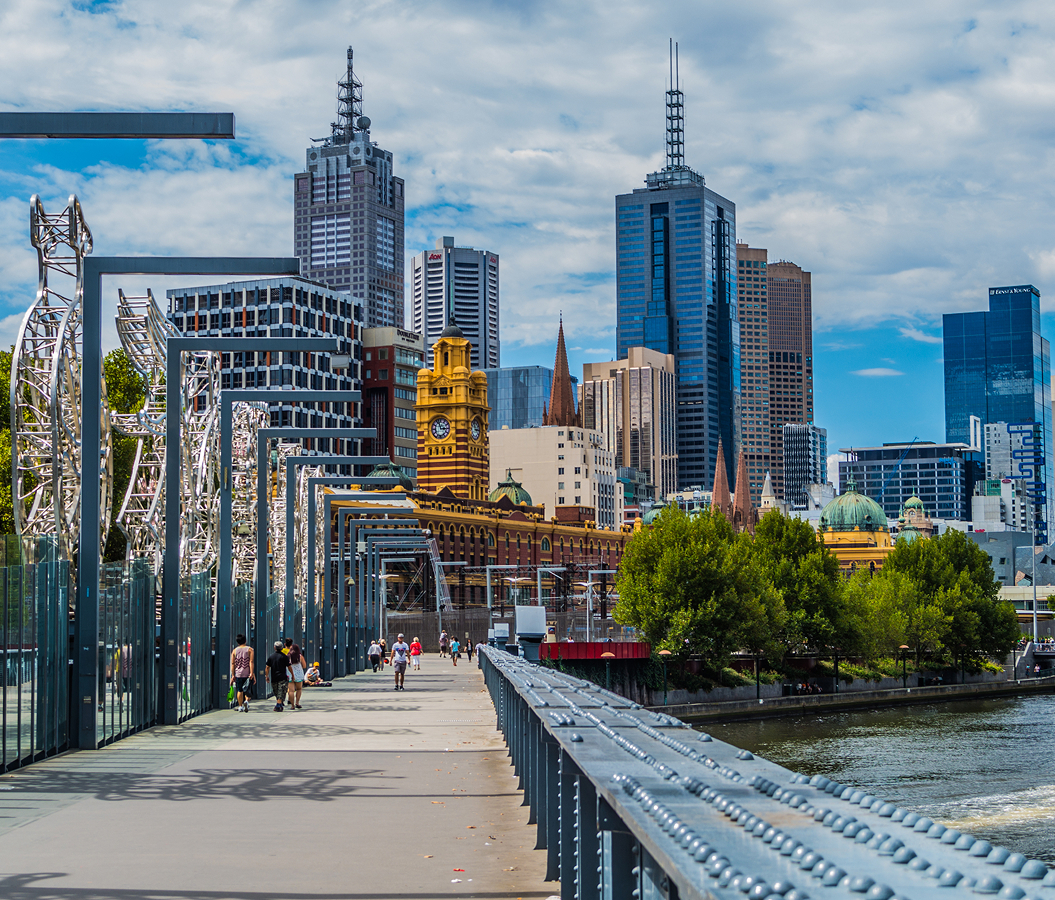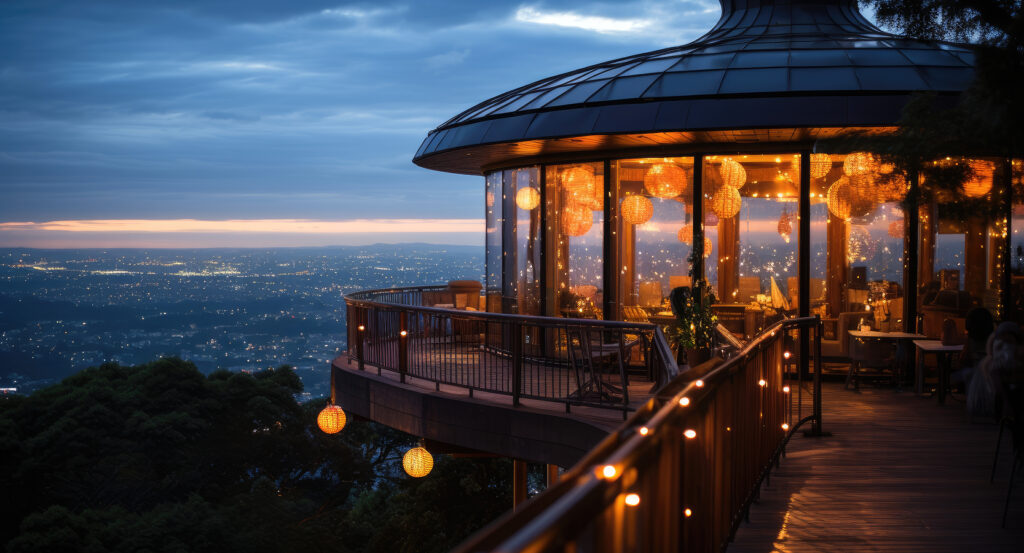
Perfect weekend in Brisbane, Australia.
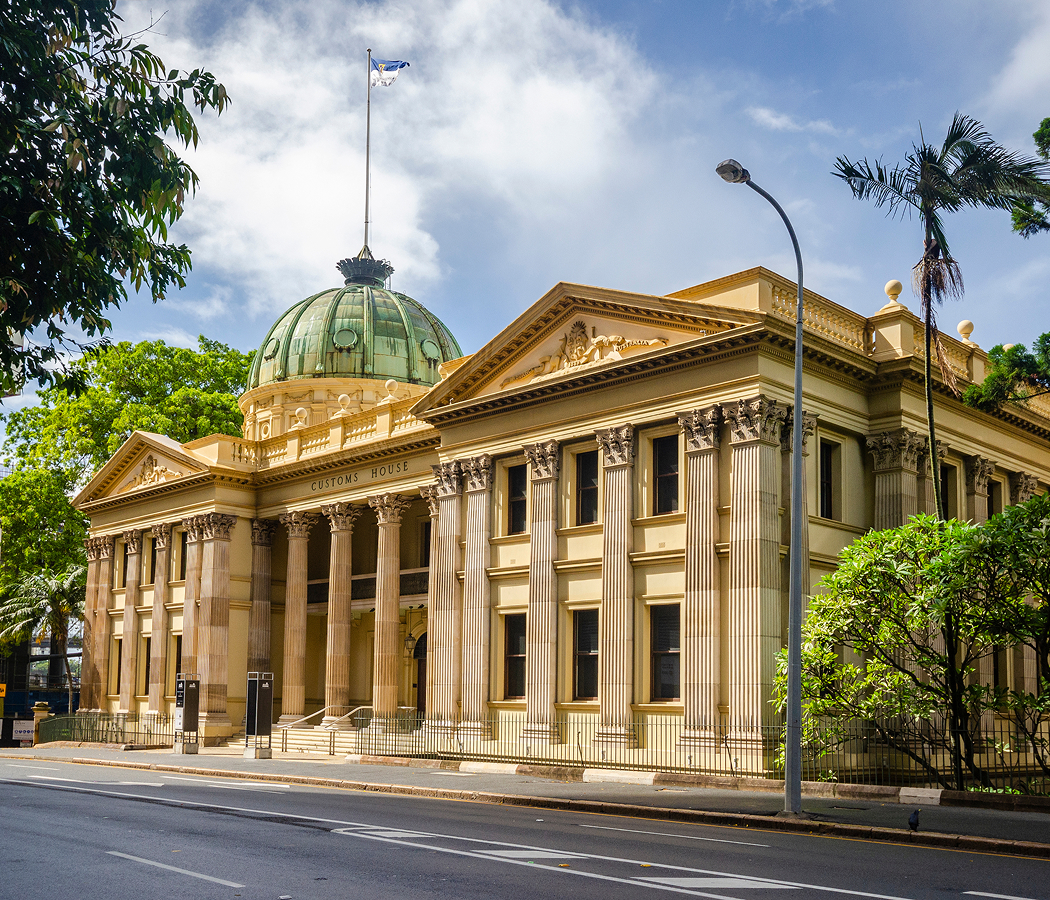
Brisbane's emergence as Queensland's capital unfolded along the winding Brisbane River, where thousands of years of Aboriginal occupation preceded British penal colonization, nineteenth-century agricultural expansion, and the development of one of Australia's largest metropolitan economies. Situated in southeastern Queensland between the Great Dividing Range and Moreton Bay, the city occupies a subtropical landscape of river valleys, sandstone ridges, coastal wetlands, and forested hills. The Turrbal and Jagera peoples maintained longstanding connections to the surrounding territory, sustaining communities through fishing, hunting, gathering, and established relationships with the region's waterways and seasonal resources. European exploration intensified during the early nineteenth century, with John Oxley surveying the Brisbane River in 1823 and identifying its potential for colonial settlement. British authorities established the Moreton Bay penal settlement at Redcliffe in 1824 before relocating it to the Brisbane River in 1825, where convict labor supported the construction of administrative buildings, roads, and agricultural facilities. The settlement opened to free colonists in 1842, encouraging commercial expansion and the development of pastoral enterprises throughout the surrounding region. Queensland separated from New South Wales in 1859, establishing Brisbane as the capital of the newly formed colony under Governor George Bowen. The subsequent expansion of wool production, agriculture, shipping, and railway transportation strengthened the city's economic position during the late nineteenth century. Brisbane became an important Allied military headquarters during the Second World War, with General Douglas MacArthur directing operations in the Southwest Pacific from the city. The 1982 Commonwealth Games and World Expo 88 subsequently accelerated investment in public infrastructure, international commerce, and the redevelopment of former industrial waterfronts. Brisbane's selection as host of the 2032 Summer Olympic and Paralympic Games represents another significant chapter in the city's relationship with international sport and metropolitan investment.
Brisbane's artistic institutions, performing arts traditions, and culinary communities have developed through Queensland's regional history and the city's expanding connections with Asia and the Pacific. The Queensland Art Gallery, established in 1895, maintains substantial collections of Australian, Indigenous, Asian, and international art, contributing to the development of visual arts scholarship and public exhibitions throughout the state. The Gallery of Modern Art, opened in 2006, expanded Brisbane's institutional capacity for contemporary exhibitions and became closely associated with the Asia Pacific Triennial of Contemporary Art, an exhibition series established in 1993. The Queensland Museum traces its origins to 1862 and preserves extensive collections devoted to natural history, archaeology, science, and the diverse environments of northeastern Australia. Brisbane's performing arts history includes the Queensland Symphony Orchestra, founded in 1947, and Queensland Ballet, established in 1960, both of which contributed to the development of professional artistic performance within the state. The city also played an influential role in Australian popular music, producing internationally successful groups including the Bee Gees, whose early careers developed in Queensland, and The Go-Betweens, whose recordings became influential within Australian independent rock. Brisbane's culinary traditions draw upon subtropical agriculture, Queensland beef production, coastal seafood, and the cooking practices introduced by communities from Europe, Asia, and the Pacific Islands. Moreton Bay bugs, mud crabs, prawns, tropical fruits, and locally cultivated vegetables contribute to regional menus, accompanied by longstanding traditions of outdoor dining and neighborhood cafés. Greek, Vietnamese, Chinese, Japanese, and contemporary Australian restaurants have contributed substantially to the city's expanding dining culture, supporting culinary approaches grounded in regional ingredients and international techniques. Brisbane rewards a weekend of exploration with riverside neighborhoods, Queensland's architectural traditions, influential artistic institutions, and the subtropical landscapes that distinguish Australia's northeastern capital.
Three day itinerary.
Day 1: Mount Coot-Tha Summit Lookout
Mount Coot-Tha Summit Lookout is best known for revealing Brisbane's physical structure from the highest prominent point immediately west of the central city. The mountain rises from the Taylor Range, giving the summit broad sightlines across the Brisbane River, metropolitan basin, Moreton Bay, and distant coastal ranges. Aboriginal history reaches far beyond the city that subsequently developed below, and the name Coot-tha derives from an Indigenous term associated with honey gathered in the area. European settlement transformed portions of the mountain through timber extraction before public reservation protected substantial areas for recreation and water infrastructure. Roads, walking tracks, forest, and the summit lookout subsequently made the mountain one of Brisbane's principal points of orientation. Mount Coot-tha establishes the geographic relationship among river, city, forested ranges, and coastal plain that defines Brisbane.
Day 1: Agnes Restaurant
Agnes Restaurant is best known for transforming wood fire into the governing mechanism of one of Brisbane's most accomplished contemporary kitchens. Ben Williamson, Tyron Simon, Frank Li, and Bianca Marchi developed the Fortitude Valley restaurant around a kitchen built with no conventional gas or electric cooking equipment at its core. Wood, flame, smoke, embers, and residual heat determine how vegetables, seafood, meat, bread, and sauces develop across the menu. Fermentation and preservation extend that elemental approach by controlling ingredients through time as well as heat. The heritage brick building reinforces the restaurant's physical concentration on fire through an open kitchen centered on its hearth. Agnes established a distinctly Brisbane expression of contemporary Australian cooking through technique, exceptional produce, and an unusually uncompromising culinary mechanism.
Day 2: South Bank Parklands
South Bank Parklands is best known for converting Brisbane's former industrial riverfront and the grounds of World Expo 88 into a major civic landscape. Wharves, warehouses, factories, and transportation infrastructure historically occupied substantial portions of the southern bank opposite the central city. Expo 88 radically altered the precinct through an international exposition that attracted millions of visits and accelerated Brisbane's transition toward a more outward-facing metropolitan identity. Redevelopment after the exposition retained the riverfront for public use through gardens, promenades, cultural facilities, recreation spaces, and Streets Beach. The Queensland Cultural Centre extends the precinct's institutional importance through museums, galleries, performance venues, and the State Library. South Bank represents one of Brisbane's defining acts of postindustrial urban transformation.
Day 2: Exhibition Restaurant
Exhibition Restaurant is best known for chef Tim Scott's intimate tasting-menu restaurant in Fortitude Valley, where Australian ingredients drive a highly controlled sequence prepared for a small dining room. Scott developed the restaurant around close interaction between kitchen and diners, concentrating preparation, service, and explanation within a compact space. Seafood, meat, vegetables, native ingredients, fermentation, preservation, and precise sauces give the menu a contemporary Australian foundation. The limited scale allows individual courses to respond closely to seasonal availability and the qualities of specific products. Exhibition belongs to the small group of Brisbane restaurants built around a fully authored multicourse experience. Its culinary ambition and ingredient focus make it a decisive elevation over Mr. Wabi.
Day 2: Lone Pine Koala Sanctuary
Lone Pine Koala Sanctuary is best known for establishing the world's first dedicated koala sanctuary in Brisbane in 1927. The institution began with a small population of koalas during a period when hunting and habitat loss had placed immense pressure on the species across Australia. Its mission subsequently expanded to encompass a broad collection of native fauna, including kangaroos, wombats, platypuses, dingoes, reptiles, and numerous Australian birds. The sanctuary occupies a wooded site beside the Brisbane River at Fig Tree Pocket, giving its animal collections a landscape connected with southeastern Queensland's natural environment. Conservation, wildlife care, breeding, and public education developed alongside its original protective purpose. Lone Pine links Brisbane directly with the history of Australian wildlife conservation through an institution approaching a century of continuous operation.
Day 2: Essa Restaurant & Wine Bar
Essa Restaurant & Wine Bar is best known for chef-owner Phil Marchant's sophisticated interpretation of contemporary Australian gastronomy through wood-fire cooking, seasonal ingredients, and close relationships with regional agricultural producers. Located on Robertson Street in Brisbane's Fortitude Valley, near the fashionable James Street precinct, the restaurant has developed a distinctive culinary character centered on the expressive possibilities of cooking over an open flame. Marchant's philosophy emphasizes direct collaboration with farmers, hunters, and specialist providores, connecting the restaurant's evolving menus with Queensland's agricultural landscapes and the broader diversity of Australian produce. The kitchen employs a central wood-fired hearth to introduce controlled smoke, caramelization, and delicate char across preparations incorporating vegetables, seafood, meats, and desserts. Its cooking also integrates raw, pickled, and preserved ingredients, establishing contrasts between natural acidity, concentrated flavors, and the elemental character of live-fire techniques. Essa received Gourmet Traveller's Queensland Restaurant of the Year distinction in 2023 and again in 2025, establishing its position among the state's most accomplished contemporary dining establishments. The restaurant's interior features restrained materials and an intimate atmosphere that complement the directness of Marchant's culinary approach. An extensive wine program emphasizes distinctive vineyard terroirs, including organic and biodynamic producers, extending the kitchen's agricultural philosophy into the dining experience. Essa represents an important expression of Brisbane's evolving gastronomic character through its combination of technical refinement, regional sourcing, and contemporary Australian fire-based cuisine.
Day 3: Morning After
Morning After is best known for treating breakfast and brunch with the technical attention usually reserved for Brisbane's evening restaurants. The West End café was developed around a dedicated daytime format that moves between eggs, grains, breads, vegetables, fruit, coffee, and more substantial composed dishes. Its location in West End places the meal within one of Brisbane's most culturally diverse inner-city districts, where successive communities have shaped a dense restaurant and café landscape south of the river. Australian café culture supplies the broader foundation, with specialty coffee and ambitious breakfast cooking functioning as integral components of contemporary urban dining. Morning After gives the brunch position a genuine Brisbane character and substantially greater daytime specificity than Olive & Angelo.
Day 3: City Botanic Gardens
City Botanic Gardens is best known for preserving Brisbane's earliest major cultivated landscape along a bend of the Brisbane River beside the central business district. Colonial authorities established gardens on the site during the nineteenth century, initially using portions for food production before botanical experimentation and ornamental planting became increasingly important. Walter Hill, the first curator of the Brisbane Botanic Gardens, expanded collections and experimented extensively with tropical and subtropical economic plants. Sugar cane, fruit trees, ornamental species, and plants gathered through international exchange contributed to Queensland's developing agricultural knowledge. Mature palms, figs, bamboo, and riverside vegetation subsequently gave the grounds their distinctive subtropical character. City Botanic Gardens joins colonial experimentation, horticultural science, public recreation, and Brisbane's river geography within the historic center.
Day 3: Kangaroo Point Cliffs Park
Kangaroo Point Cliffs Park is best known for exposing the volcanic rock underlying one of Brisbane's most dramatic inner-city river landscapes. Quarrying during the nineteenth century cut deeply into the Kangaroo Point peninsula, creating the sheer faces that now rise above the Brisbane River opposite the central city. Stone extracted from the site contributed to early construction across Brisbane, turning the cliffs into a physical record of the city's building history. The abandoned quarry subsequently became a recreational landscape used for climbing, walking, cycling, picnicking, and river access. Their elevated position provides direct views across the water toward the central business district and Story Bridge. Kangaroo Point Cliffs convert former industrial extraction into a public landscape whose geology remains visibly embedded within metropolitan Brisbane.
Day 3: Joy Restaurant
Joy Restaurant is best known for Sarah Scott and Tim Scott's intensely intimate approach to contemporary Australian dining. The restaurant operates with only a handful of seats arranged around the kitchen, collapsing the conventional separation between cooking and dining into a single compact room. A changing multicourse menu develops from seasonal produce, seafood, meat, vegetables, fermentation, and ingredients selected for the specific service. The tiny capacity gives preparation and hospitality unusual immediacy, with the chefs controlling virtually every stage of the meal directly in front of diners. Joy became one of Brisbane's most coveted reservations through this combination of scale and culinary precision. Its distinctive format gives the final dinner considerably greater destination value than Tai Tai.
Where your story begins.
Foresyte Travel reveals places that feel extraordinary long before you arrive.
Enjoy editorial crafted for luxury travelers.
Foresyte may earn a commission when you book.