Why the Lone Pine Koala Sanctuary matters.
Lone Pine Koala Sanctuary is a storied wildlife conservation institution where Fig Tree Pocket's Brisbane River landscape meets the protection of Australia's native marsupials, the development of Queensland's wildlife rehabilitation practices and the public presentation of the continent's distinctive animal species.
Set along Jesmond Road near its junction with Fig Tree Pocket Road and a short drive from the Brisbane River's western bends, the sanctuary occupies a wooded riverside property in Fig Tree Pocket, southwest of Central Brisbane, with native vegetation surrounding its animal habitats and visitor pathways. Eucalyptus trees provide foliage and shelter throughout the grounds. Open enclosures and landscaped habitats accommodate native mammals, birds and reptiles. Pedestrian routes connect wildlife exhibits with educational facilities and shaded gathering areas. The result is a zoological institution whose riverside setting supports the care, conservation and public interpretation of Australian wildlife.
What defines the Lone Pine Koala Sanctuary.
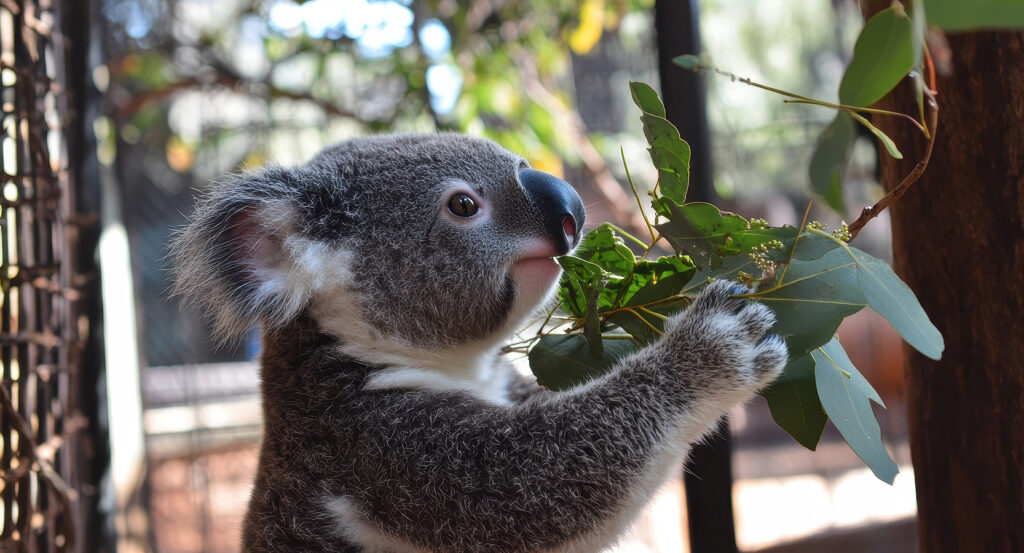
Lone Pine Koala Sanctuary is best known for its koala conservation history, extensive collection of Australian native animals and position as the world's oldest koala sanctuary. The institution was founded in 1927 by Claude Reid, who established a refuge for koalas during a period of widespread hunting and habitat destruction in Queensland. Koala populations had declined substantially through the commercial fur trade, which supplied pelts for domestic and international markets. The sanctuary began with two koalas, Jack and Jill, establishing a small protected population within a landscape previously affected by wildlife exploitation. Reid's initiative developed during a period of growing public concern over the conservation of Australia's native mammals. The Queensland government introduced stronger protections for koalas during the early twentieth century, contributing to the gradual decline of commercial hunting. Lone Pine expanded its facilities as interest in Australian wildlife conservation increased. The sanctuary developed programs devoted to the care and breeding of koalas, strengthening public understanding of their biological requirements. Its animal collection expanded to include kangaroos, wallabies, wombats, dingoes and other native species. During the twentieth century, the institution became an important destination for international visitors seeking direct encounters with Australian wildlife. Its educational programs developed through presentations addressing animal behavior, habitat conservation and the ecological pressures affecting native species. The sanctuary also became associated with veterinary care and wildlife rehabilitation, supporting the treatment of animals requiring specialized assistance. Changes in Queensland's wildlife management regulations influenced the development of animal handling and public interaction practices. The institution expanded its conservation messaging to address habitat fragmentation, disease and other threats affecting koala populations. Its continuing operations connect the history of Australian wildlife protection with contemporary zoological management and environmental education.
Claude Reid's original conservation initiative established the sanctuary's central emphasis on koalas and their specialized ecological requirements. Koalas occupy habitats containing eucalyptus trees, whose foliage provides the principal component of their diet. Their digestive systems are adapted to process eucalyptus leaves, which contain compounds unsuitable for many other mammals. The sanctuary maintains koala habitats designed to support climbing, resting and feeding behaviors. Animal care programs incorporate veterinary supervision, dietary management and environmental enrichment suited to the species' biological needs. The sanctuary's kangaroo reserve contains open areas where kangaroos and wallabies move through grassy spaces and shaded vegetation. These habitats demonstrate the locomotion and social behavior of Australia's macropod marsupials. Wombat exhibits contain sheltered spaces and substrates associated with the burrowing habits of these powerful terrestrial marsupials. Dingo habitats support educational presentations addressing the species' ecological role and relationship with Australian environments. The sanctuary also houses Tasmanian devils, whose conservation importance increased following the emergence of devil facial tumor disease in wild populations. Bird exhibits include Australian parrots, cockatoos and other species associated with the continent's varied habitats. Raptor presentations examine the hunting adaptations and flight behavior of birds of prey. Reptile exhibits contain snakes and other native species, supporting education concerning Australia's reptile diversity. The sanctuary's landscaped grounds incorporate native trees and vegetation that connect animal habitats with the surrounding Brisbane environment. Interpretive programs address habitat protection, wildlife rescue and the ecological relationships between native animals and Australian landscapes. The institution's zoological arrangements combine animal care, public education and conservation programs within a riverside setting.
How the Lone Pine Koala Sanctuary fits.
Lone Pine Koala Sanctuary works as the wildlife centerpiece for a western Brisbane itinerary connecting native animal conservation, riverine forest environments and the preservation of Queensland's natural landscapes.
Begin at Brisbane Botanic Gardens Mount Coot-tha, the botanical institution situated northeast of Fig Tree Pocket on the lower slopes of Mount Coot-tha. Opened in 1976, the gardens were developed to accommodate expanding botanical collections beyond Brisbane's historic City Botanic Gardens. Their landscape incorporates specialized collections devoted to Australian native plants, tropical flora and arid-region vegetation. The Japanese Garden contains ornamental water features, stone arrangements and carefully maintained plantings. The Tropical Display Dome supports the cultivation of plants requiring humid environmental conditions. The gardens' development established a major center for botanical education and plant conservation within Brisbane's western parklands. Continue to Walkabout Creek Discovery Centre, the environmental education facility situated within D'Aguilar National Park near Enoggera Reservoir. The center provides exhibitions and educational programs devoted to Queensland's native wildlife and natural environments. Its wildlife facilities contain species associated with southeastern Queensland, supporting interpretation of their behavior and ecological requirements. The surrounding forest landscape includes walking trails and recreational areas near the reservoir. The institution's educational activities connect native animal conservation with the management of protected landscapes. Its location provides access to the forest environments of the D'Aguilar Range, a substantial protected area adjoining metropolitan Brisbane. Conclude at Enoggera Reservoir, the historic water supply reservoir situated within the forested western outskirts of Brisbane. Completed in 1866, the reservoir formed part of Queensland's early municipal water infrastructure and became an important component of Brisbane's developing water supply system. Its construction created a substantial artificial lake within a forested catchment. The surrounding landscape supports bushwalking, swimming and other recreational activities in designated areas. Native vegetation extends along the reservoir's shoreline, providing habitat for birds and other wildlife associated with southeastern Queensland's forest environments. The reservoir's history connects urban water management with the conservation of natural landscapes around Brisbane. The progression moves from botanical conservation through native wildlife education and culminates in a historic forested water catchment, connecting Lone Pine Koala Sanctuary with the ecological and environmental history of western Brisbane.
Where your story begins.
Foresyte Travel reveals places that feel extraordinary long before you arrive.
Enjoy editorial crafted for luxury travelers.
Foresyte may earn a commission when you book.