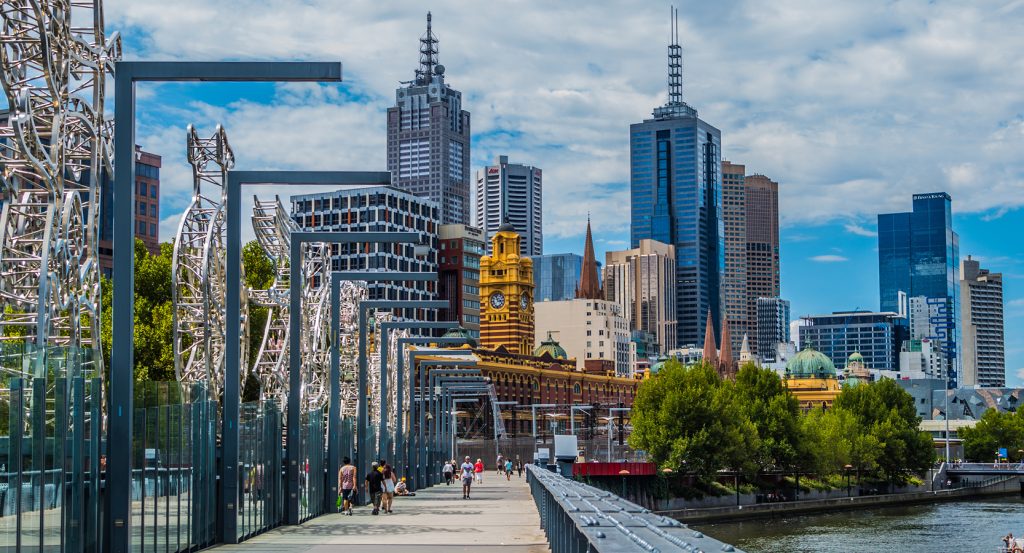
Perfect weekend in Melbourne, Australia.
Melbourne's history spans thousands of years of Aboriginal occupation, nineteenth-century colonial expansion, the extraordinary wealth of the Victorian gold rush, and the development of one of the Southern Hemisphere's foremost commercial and intellectual centers. Situated at the northern end of Port Phillip Bay, the city extends along the Lower Yarra River and across the volcanic plains and coastal landscapes of southeastern Australia. The region forms part of the traditional lands of the Wurundjeri and Bunurong peoples of the Kulin Nation, whose communities maintained sophisticated relationships with its waterways, grasslands, forests, and seasonal resources. European exploration of Port Phillip began in the early nineteenth century, followed by an unsuccessful British settlement at Sullivan Bay in 1803. John Batman and John Pascoe Fawkner became prominent figures in the establishment of a permanent European settlement on the Yarra in 1835, initiating rapid colonization and the dispossession of Aboriginal communities. The settlement received the name Melbourne in 1837 in honor of British Prime Minister William Lamb, Viscount Melbourne. The discovery of gold in Victoria in 1851 transformed the young colonial capital, attracting migrants from Britain, Ireland, China, continental Europe, and North America. Wealth generated through gold mining financed substantial banks, theaters, public institutions, and commercial buildings, making Melbourne one of the wealthiest cities in the British Empire during the late nineteenth century. The land boom of the 1880s accelerated construction before a severe financial depression brought widespread bank failures and economic contraction during the following decade. Following Australian Federation in 1901, Melbourne served as the temporary seat of the national Parliament until its relocation to Canberra in 1927. The city's manufacturing economy expanded during the twentieth century, supported by immigration from southern and eastern Europe after the Second World War. The 1956 Summer Olympics strengthened Melbourne's international prominence, preceding decades of investment in higher education, financial services, architecture, and the creative industries.
Australian modernism found a particularly influential home in Melbourne, where architects, painters, writers, and performers challenged established conventions during the twentieth century. The Heide Circle, associated with art patrons John and Sunday Reed, brought together artists including Sidney Nolan, Albert Tucker, and Joy Hester, whose work contributed to the development of modern Australian painting. Nolan's celebrated Ned Kelly series, produced in 1946-1947, transformed the nineteenth-century bushranger into a powerful subject of Australian visual art. The Heide Museum of Modern Art preserves the former Reeds' property and its association with this influential artistic community. Melbourne's literary history includes novelist Helen Garner, whose Monkey Grip explored the social relationships and countercultural communities of inner-city Melbourne during the 1970s. The State Library Victoria, established in 1854, became one of Australia's principal public research institutions, with its domed reading room representing an ambitious achievement of early twentieth-century civic architecture. The Melbourne Theatre Company, founded in 1953, contributed to the development of professional Australian drama, presenting works by local playwrights alongside international productions. The city's musical history extends from classical performance through the Melbourne Symphony Orchestra to internationally prominent popular musicians, including Nick Cave, whose early career developed within Melbourne's post-punk music community. Melbourne's culinary character reflects the agricultural resources of Victoria and the profound contributions of immigrant communities. Italian migration strengthened the city's espresso culture, with neighborhood cafés becoming enduring institutions of Melbourne's social and commercial life. Greek communities established restaurants and bakeries that introduced regional Mediterranean specialties, and subsequent migration from Vietnam, China, India, and the Middle East expanded the city's culinary range. Victorian producers supply seafood from Port Phillip Bay, beef and lamb from regional farms, artisan cheeses, seasonal vegetables, and wines from the Yarra Valley and Mornington Peninsula. Contemporary chefs have developed these foundations through ambitious tasting menus, regional Australian ingredients, and culinary techniques drawn from across the world. A weekend in Melbourne reveals a city whose gold-rush architecture, modernist experimentation, immigrant communities, and exceptional food culture have shaped one of Australia's most compelling urban destinations.
Three day itinerary.
Day 1: Fed Square
Fed Square is best known for its groundbreaking contemporary architecture, major cultural institutions, and central role in Melbourne's transformation into an internationally celebrated city of public art and urban design. Occupying a prominent site opposite Flinders Street Station, the complex emerged from an ambitious redevelopment project intended to reconnect Melbourne's central business district with the Yarra River. An international architectural competition selected the design of LAB Architecture Studio, led by Peter Davidson and Donald Bates, working in association with Bates Smart. Completed in 2002, the development introduced an unconventional architectural composition distinguished by angular geometries, interlocking volumes, and an intricate system of triangular facade panels. Its principal buildings incorporate sandstone, zinc, and glass arranged through a sophisticated geometric structure that challenges the conventions of traditional civic architecture. The complex houses the Ian Potter Centre: NGV Australia, whose galleries contain significant collections of Australian painting, sculpture, photography, and Indigenous art. ACMI, Australia's national museum of screen culture, occupies another major section of the precinct, exploring the development of film, television, video games, and digital media. The central public square accommodates major festivals, cultural celebrations, and civic gatherings, establishing an important connection between architectural experimentation and Melbourne's public life. Federation Square represents one of Australia's most consequential contemporary urban developments through its innovative architecture, cultural institutions, and transformation of the city's central public realm.
Day 1: Gimlet
Gimlet is best known for its sophisticated European-inspired cuisine and its transformation of a historic Melbourne building into one of the city's most distinguished contemporary dining rooms. Established by chef Andrew McConnell in 2020, the restaurant occupies Cavendish House, a prominent 1920s building whose architectural character reflects the commercial prosperity of Melbourne during the interwar period. Its interior incorporates soaring ceilings, elegant marble surfaces, intimate banquette seating, and carefully restored decorative elements that evoke the atmosphere of grand European restaurants. McConnell developed his culinary reputation through influential Melbourne establishments including Cutler & Co., establishing a distinctive approach centered on premium ingredients, precise technique, and refined contemporary cooking. Gimlet's menu emphasizes fresh seafood, carefully prepared meats, seasonal vegetables, and classical preparations associated with French and Italian gastronomy. Its celebrated wood-fired cooking introduces distinctive roasted flavors and textures, connecting traditional European techniques with contemporary Australian ingredients. The restaurant's cocktail program reflects the sophistication of Melbourne's established bar culture through carefully composed drinks and an extensive selection of international spirits. Gimlet at Cavendish House represents an influential achievement in contemporary Australian hospitality through its combination of accomplished culinary leadership, historic architectural restoration, and refined European dining traditions.
Day 2: Royal Botanic Gardens Victoria
Royal Botanic Gardens Victoria is best known for its extraordinary botanical collections, expansive landscaped grounds, and exceptional contribution to the scientific and cultural development of Melbourne. Established in 1846, the Melbourne Gardens occupy a substantial site along the southern bank of the Yarra River, forming one of Australia's most distinguished nineteenth-century public landscapes. The gardens underwent significant development under the direction of botanist Ferdinand von Mueller, whose scientific investigations contributed to the systematic study of Australia's native flora. Landscape designer William Guilfoyle subsequently transformed the grounds through an ambitious program of scenic landscape design, introducing sweeping lawns, ornamental lakes, carefully arranged planting collections, and dramatic botanical vistas. His work established a distinctive composition influenced by European landscape traditions and adapted to the environmental conditions of southeastern Australia. The gardens preserve extensive collections of native and international plants, including significant examples of Australian eucalypts, cycads, palms, and tropical species. Their scientific programs support botanical research, plant conservation, and the preservation of threatened species associated with Australia's diverse ecosystems. Ornamental water features and mature tree collections establish an exceptional relationship between botanical scholarship and the recreational traditions of Melbourne's public parks. Royal Botanic Gardens Victoria represents one of Australia's most consequential horticultural institutions through its historic landscape design, scientific collections, and longstanding contribution to botanical conservation.
Day 2: Supernormal
Supernormal is best known for its inventive interpretation of contemporary Asian cuisine and its influential position within Melbourne's internationally celebrated restaurant culture. Established by chef Andrew McConnell, the restaurant draws inspiration from the culinary traditions of Japan, China, Korea, and other regions of East Asia, combining established preparations with contemporary Australian ingredients. Its kitchen emphasizes carefully prepared seafood, dumplings, noodles, vegetables, and dishes designed for communal dining. The restaurant's celebrated New England lobster roll incorporates a rich seafood filling within a soft bread roll, reflecting the kitchen's willingness to combine Asian culinary influences with established international preparations. Other specialties incorporate fermented seasonings, aromatic broths, and carefully balanced sauces that reflect the complexity of contemporary East Asian cooking. Its interior draws inspiration from modern Japanese dining environments, incorporating restrained architectural elements, communal seating, and carefully controlled lighting. Supernormal represents an important institution in Melbourne's contemporary gastronomy through its creative interpretation of Asian culinary traditions and its contribution to the city's distinctive multicultural dining culture.
Day 2: National Gallery of Victoria
National Gallery of Victoria is best known for its extraordinary international art collections and its position as Australia's oldest and most visited major art museum. Founded in 1861, the institution developed through substantial public and private patronage, assembling collections encompassing European painting, Asian art, decorative arts, contemporary sculpture, and works associated with major international artistic movements. Its principal international collections occupy NGV International on St. Kilda Road, an expansive modernist building designed by architect Roy Grounds and opened in 1968. The building's distinctive bluestone exterior incorporates a dramatic arched entrance and celebrated water wall, establishing one of Melbourne's most recognizable architectural compositions. Its Great Hall features an extraordinary stained-glass ceiling designed by Australian artist Leonard French, whose geometric colored panels transform the interior through carefully arranged natural light. The museum's collections include major works by artists such as Rembrandt, Claude Monet, Pablo Picasso, and Salvador Dalí, reflecting its extensive engagement with European artistic traditions. The NGV also preserves significant collections of Asian art and international decorative objects, establishing connections between Melbourne's cultural development and broader global artistic histories. Major temporary exhibitions have reinforced the institution's international standing through ambitious presentations of historical and contemporary art. National Gallery of Victoria represents one of the Southern Hemisphere's most consequential cultural institutions through its exceptional collections, influential exhibition program, and distinguished modernist architecture.
Day 2: Attica
Attica is best known for chef Ben Shewry's pioneering interpretation of contemporary Australian cuisine through native ingredients, Indigenous food traditions, and highly inventive culinary technique. Located in the Melbourne suburb of Ripponlea, the restaurant developed into one of Australia's most internationally celebrated dining institutions under Shewry's leadership. Born in New Zealand, Shewry developed a culinary philosophy shaped by his rural upbringing, professional experience, and extensive engagement with the natural environments of Australia. His cooking incorporates native Australian ingredients including finger lime, wattleseed, saltbush, and other plants associated with the continent's distinctive ecological diversity. The restaurant's tasting menus explore the relationship between regional ingredients, traditional food knowledge, and contemporary culinary experimentation through carefully composed dishes that emphasize texture, aroma, and seasonal variation. Shewry's approach contributed to a broader transformation of Australian fine dining by elevating native ingredients and developing new expressions of the country's culinary heritage. Attica achieved international recognition through the World's 50 Best Restaurants rankings, reinforcing Melbourne's reputation as a major destination for contemporary gastronomy. Attica represents one of Australia's most influential culinary institutions through its innovative use of native ingredients and its ambitious exploration of modern Australian food culture.
Day 3: Higher Ground
Higher Ground is best known for its sophisticated interpretation of contemporary Melbourne brunch culture and its transformation of a former industrial building into a dramatic café and dining environment. Established by the hospitality group behind celebrated Melbourne cafés including Top Paddock and The Kettle Black, the restaurant occupies a substantial heritage-listed former power station near Southern Cross Station. Its interior incorporates soaring ceilings, exposed brickwork, industrial steel structures, and carefully integrated mezzanine levels that preserve the architectural character of the original building. The kitchen emphasizes seasonal Australian ingredients, carefully prepared eggs, artisanal breads, specialty coffee, and inventive breakfast dishes shaped by Melbourne's influential café traditions. Its culinary approach reflects the city's development into an internationally recognized center of specialty coffee and contemporary brunch culture. The restaurant's spatial design combines industrial heritage with modern hospitality architecture, establishing an exceptional relationship between adaptive reuse and contemporary dining. Higher Ground represents an influential institution in Melbourne's café culture through its ambitious culinary program, historic industrial setting, and contribution to the city's distinctive brunch traditions.
Day 3: Melbourne Museum
Melbourne Museum is best known for its extraordinary natural history collections, comprehensive exploration of Victoria's cultural heritage, and expansive contemporary architecture within Carlton Gardens. Opened in 2000, the museum occupies a substantial site adjacent to the Royal Exhibition Building, establishing an important relationship between Melbourne's nineteenth-century exhibition heritage and contemporary cultural institutions. Its building was designed by Denton Corker Marshall, incorporating extensive glass surfaces, geometric architectural volumes, and carefully arranged exhibition spaces that reflect the principles of modern museum design. The museum's natural history collections include significant dinosaur fossils, zoological specimens, geological materials, and exhibitions exploring the evolution of life on Earth. Its celebrated Forest Gallery incorporates a living temperate forest environment, introducing native vegetation and ecological systems associated with southeastern Australia into the museum's interior. The Bunjilaka Aboriginal Cultural Centre presents the history, artistic traditions, and continuing cultural significance of Victoria's First Peoples through exhibitions developed in collaboration with Aboriginal communities. The museum also preserves significant objects associated with Melbourne's urban development, immigration history, and scientific achievements. Melbourne Museum represents one of Australia's most important cultural and scientific institutions through its integration of natural history, Indigenous heritage, and contemporary exhibition architecture.
Day 3: Queen Victoria Market
Queen Victoria Market is best known for its historic market halls, extraordinary food culture, and longstanding role in Melbourne's commercial and social development. Established in 1878, the market occupies a substantial site on the northern edge of Melbourne's central business district, preserving one of the Southern Hemisphere's most significant nineteenth-century market complexes. Its development reflected the city's rapid expansion during the Victorian gold rush era, when substantial population growth and commercial prosperity transformed Melbourne into a major international trading center. The market's historic architecture incorporates open-sided sheds, brick commercial buildings, decorative ironwork, and carefully arranged trading spaces that preserve the character of traditional urban marketplaces. Its food halls contain specialist butchers, fishmongers, delicatessens, cheese merchants, and produce vendors representing the diverse culinary traditions of Melbourne's multicultural communities. The market's relationship with European immigration contributed to the development of its celebrated delicatessen culture, incorporating Italian, Greek, and other Mediterranean food traditions into the city's everyday commercial life. The surrounding precinct has undergone substantial urban regeneration while preserving the market's historic commercial functions. Queen Victoria Market represents one of Melbourne's most consequential urban institutions through its preservation of nineteenth-century market architecture and its enduring contribution to the city's multicultural food culture.
Day 3: Vue de Monde
Vue de Monde is best known for its exceptional interpretation of contemporary Australian fine dining and its dramatic position overlooking Melbourne from the upper levels of the Rialto Towers. Founded by chef Shannon Bennett in 2000, the restaurant developed into one of Australia's most influential gastronomic institutions through its ambitious combination of classical French technique, native Australian ingredients, and contemporary culinary innovation. Bennett's professional development included experience in prominent European kitchens, contributing to a cooking philosophy shaped by technical precision and the creative possibilities of modern Australian gastronomy. The restaurant's culinary program incorporates carefully sourced seafood, premium meats, seasonal vegetables, and distinctive native ingredients into elaborate tasting menus. Its celebrated approach to presentation incorporates natural materials, theatrical service elements, and carefully composed dishes that reflect the Australian landscape and its culinary resources. The restaurant's elevated setting provides expansive views across Melbourne's urban skyline, establishing a distinctive relationship between contemporary gastronomy and the architectural development of the city. Vue de Monde represents a defining institution in Australian fine dining through its exceptional culinary ambition, sophisticated technique, and longstanding influence on Melbourne's international gastronomic reputation.
Where your story begins.
Foresyte Travel reveals places that feel extraordinary long before you arrive.
Enjoy editorial crafted for luxury travelers.
Foresyte may earn a commission when you book.