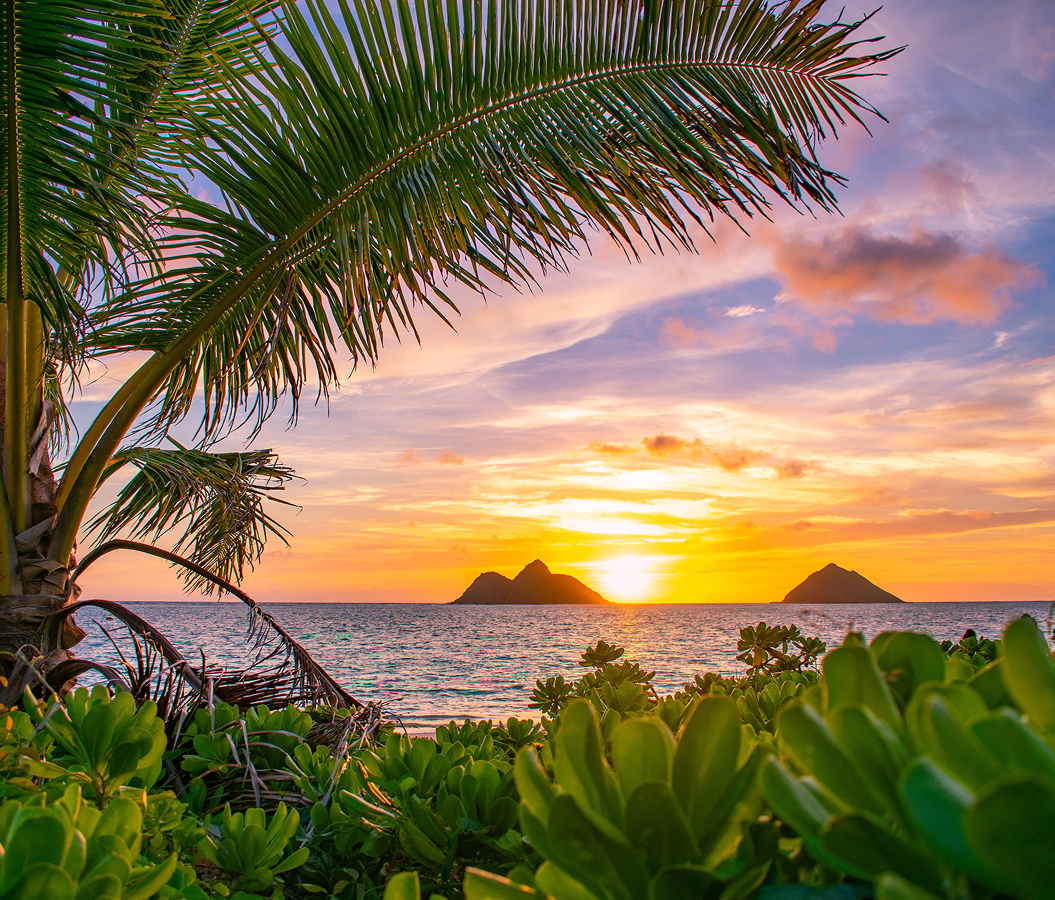
Perfect weekend in French Polynesia.
Bora Bora rises from the South Pacific as a volcanic island surrounded by an extensive coral reef and a sheltered turquoise lagoon, forming one of the most distinctive landscapes in French Polynesia. Located within the Society Islands, northwest of Tahiti, the island originated through volcanic activity millions of years ago, leaving the towering remnants of Mount Otemanu and Mount Pahia above a coastline shaped by tropical vegetation and marine erosion. Polynesian navigators settled the island centuries before European arrival, establishing communities sustained by fishing, horticulture, and sophisticated knowledge of ocean currents, seasonal winds, and celestial navigation. Traditionally known as Pora Pora, the island developed a complex social structure under hereditary chiefs whose authority extended across coastal settlements and neighboring islets. European contact expanded during the eighteenth century, with James Cook visiting the island in 1777 during his third Pacific expedition. During the nineteenth century, Bora Bora became an important center of political activity within the Leeward Islands, where local rulers maintained relationships with neighboring Polynesian kingdoms and European representatives. France annexed Bora Bora in 1888, incorporating the island into its expanding Pacific colonial territories. The Second World War brought substantial changes when American forces established a military installation under Operation Bobcat in 1942, constructing an airfield, harbor facilities, and defensive infrastructure. The postwar expansion of international aviation and hospitality subsequently transformed Bora Bora into a celebrated destination for marine recreation and luxury accommodation, connecting its traditional Polynesian heritage with a new era of global travel.
Bora Bora's cultural heritage draws upon Polynesian oral traditions, ceremonial arts, maritime craftsmanship, and a cuisine shaped by the abundant marine resources of the tropical Pacific. Traditional music and dance preserve important elements of community celebration, with percussion instruments, choral singing, and expressive choreography accompanying festivals and cultural gatherings. The annual Heiva celebrations, observed throughout French Polynesia, feature performances that honor ancestral traditions through dance, music, and athletic competitions. Polynesian tattooing carries deep historical significance, with intricate geometric designs associated with genealogy, social relationships, and personal achievement. Traditional navigation techniques developed through generations of Pacific voyaging, relying upon stars, ocean swells, winds, and the behavior of marine life to guide journeys between distant islands. Bora Bora's surrounding waters support extensive coral ecosystems inhabited by tropical reef fish, rays, and other marine species, contributing to the island's longstanding fishing traditions. Local cuisine incorporates freshly caught seafood, coconut milk, tropical fruits, and root vegetables cultivated throughout French Polynesia. Poisson cru, prepared with raw fish, citrus juice, and coconut milk, represents a central preparation within Tahitian culinary culture. Other traditional dishes include poisson grillé, coconut-based desserts, and preparations featuring breadfruit, taro, and locally cultivated bananas. French culinary influences subsequently expanded the island's dining traditions, contributing to a restaurant culture that combines Polynesian ingredients with European techniques. A perfect weekend in Bora Bora brings together ancient Pacific heritage, volcanic geography, Polynesian artistic traditions, and island gastronomy within the extraordinary natural setting of the Society Islands.
Three day itinerary.
Day 1: Matira Beach
Matira Beach is best known for forming Bora Bora's principal public shoreline along the island's southern peninsula. Pale coral sand extends beside exceptionally shallow lagoon water whose color shifts across turquoise, aquamarine, and deeper blue as the seabed descends toward the surrounding reef. Matira Point projects between the lagoon's eastern and western sectors, giving the beach unusually broad exposure to the protected waters surrounding the volcanic island. Mount Otemanu and the remnants of Bora Bora's ancient volcanic structure rise behind the coastal plain, creating a direct visual relationship between the island's geological core and its coral-fringed perimeter. Matira preserves one of Bora Bora's clearest physical expressions of the interaction among volcanic land, reef formation, lagoon sediment, and the South Pacific.
Day 1: Lagoon Restaurant at The St. Regis Bora Bora Resort
Lagoon Restaurant at The St. Regis Bora Bora Resort is best known for placing refined French and Polynesian-influenced cooking directly above Bora Bora's lagoon at The St. Regis Bora Bora Resort. The dining room extends over the water with Mount Otemanu dominating the horizon, making the island's volcanic geography integral to the restaurant's physical composition. Seafood from Pacific waters, tropical produce, French technique, and ingredients associated with Polynesian cooking shape a menu conceived for one of French Polynesia's most elaborate resort environments. Glass floor panels expose the lagoon beneath portions of the dining room, reinforcing the architectural relationship between the restaurant and its marine setting. Lagoon became one of Bora Bora's defining resort restaurants by joining ambitious cuisine to the extraordinary reef-and-volcano geography responsible for the island's international identity.
Day 2: Bora Bora Lagoon
Bora Bora Lagoon is best known for encircling the island's volcanic core within an immense system of coral reefs, shallow turquoise water, channels, and low-lying motu. Bora Bora originated as a volcanic island before erosion progressively reduced the central landmass and coral growth developed around its perimeter. Subsidence and reef formation widened the body of water separating the surviving volcanic peaks from the barrier reef, producing the lagoon that dominates the island's geography. Coral gardens, sandy shallows, deeper channels, and reef habitats support rays, sharks, reef fish, and extensive marine communities. Mount Otemanu rises to 727 meters within this ring of water, preserving the eroded core of the ancient volcano. The lagoon exposes the geological progression through which volcanic construction, erosion, subsidence, and coral growth created Bora Bora.
Day 2: Restaurant Saint James
Restaurant Saint James is best known for combining French culinary technique with Polynesian ingredients on the lagoonfront at Vaitape. Seafood occupies a central position in the kitchen, reflecting Bora Bora's dependence on the surrounding Pacific and the marine products fundamental to French Polynesian cooking. Tuna, shellfish, tropical fruits, vegetables, coconut, vanilla, and French preparations place the restaurant within the culinary exchange created by Polynesian food traditions and France's long political presence in the islands. Its waterfront position gives the dining room a direct relationship with the lagoon that historically structured transportation, fishing, settlement, and commerce around Bora Bora. Saint James has developed into one of the island's established independent restaurants beyond the major resort compounds, giving Vaitape a serious culinary institution grounded in its surrounding waters.
Day 2: Coral Gardens
Coral Gardens is best known for the shallow reef habitat that reveals Bora Bora's marine ecology within the protected waters of its lagoon. Coral structures create shelter, feeding grounds, and breeding environments for numerous species of tropical fish and other reef organisms. Clear water and limited depth expose the relationship between living coral communities and the sandy lagoon floor, where variations in substrate produce sharply different marine habitats across short distances. The surrounding barrier reef absorbs much of the open Pacific's wave energy, helping create the calmer conditions characteristic of Bora Bora's interior waters. Coral Gardens represents the biological counterpart to the island's volcanic geology, demonstrating how living reef systems progressively developed around the eroding remains of an ancient Pacific volcano.
Day 2: Arii Moana
Arii Moana is best known for sophisticated Mediterranean cooking within the extraordinary lagoon setting of Four Seasons Resort Bora Bora. The restaurant occupies Motu Tehotu across the water from Bora Bora's mountainous interior, placing Mount Otemanu within the visual composition of the dining room. Seafood, vegetables, olive oil, herbs, carefully developed sauces, and premium ingredients provide a Mediterranean foundation adapted to the produce and marine geography of French Polynesia. Its location on an outer motu establishes a fundamentally different relationship with Bora Bora from restaurants concentrated on the main island, with lagoon water separating the dining room from the volcanic massif. Arii Moana gives the island a polished contemporary restaurant whose culinary character and physical setting operate at the highest level of Bora Bora resort dining.
Day 3: Roulotte Matira
Roulotte Matira is best known for preserving the informal food culture associated with French Polynesia's mobile and roadside eateries near Bora Bora's principal public beach. Roulottes occupy an important position in the islands' everyday dining traditions, serving straightforward preparations beyond the elaborate culinary environments of luxury resorts. Fish, eggs, breads, rice, fruit, grilled foods, and familiar Polynesian and French influences give the format a close relationship with local daily life. Its Matira setting places morning dining beside the same lagoon and coral shoreline that historically supplied food and transportation to island communities. Roulotte Matira brings a deliberately grounded dimension to Bora Bora's culinary landscape through a format embedded in French Polynesian street-food culture.
Day 3: Motu Tapu
Motu Tapu is best known for occupying a small coral islet within Bora Bora's lagoon whose name preserves the Polynesian concept of tapu, the origin of the English word “taboo.” Low coral islands surrounding Bora Bora developed from reef material accumulated above sea level as the central volcanic landmass eroded and subsided. Motu Tapu exemplifies that geological process through a landscape of coral sand, palms, shallow water, and reef habitat set against the much older volcanic mass of Bora Bora. Its cultural significance is inseparable from traditional Polynesian systems that regulated access to people, places, objects, and resources through sacred restrictions. The islet joins the physical evolution of Bora Bora's reef with a concept of Polynesian social and spiritual order that entered languages around the world.
Day 3: WWII Coastal Guns
WWII Coastal Guns are best known for preserving Bora Bora's unexpected role as an American military base during the Pacific War. The United States selected the island in 1942 for Operation Bobcat, establishing a strategically positioned refueling and supply base between the Panama Canal and the South Pacific theater. Thousands of American personnel arrived with enormous quantities of equipment, transforming an isolated Polynesian island through roads, fuel storage, harbor facilities, an airfield, and defensive positions. Coastal artillery was installed on elevated terrain to protect the anchorage and its strategically important infrastructure from attack. Bora Bora never experienced combat, leaving the guns as physical remnants of a military installation whose scale dramatically altered the island. The surviving emplacements connect its mountainous landscape to the logistical history of the Pacific war.
Day 3: La Villa Mahana
La Villa Mahana is best known for Damien Rinaldi-Dovio's intimate fine dining within one of Bora Bora's smallest and most distinctive restaurant settings. The Corsican-born chef developed his career in French gastronomy before establishing the restaurant in a secluded Mediterranean-style villa on the main island. A tiny number of tables gives Rinaldi-Dovio unusually close control over service and the sequence of each dinner. French technique forms the culinary foundation, joined by seafood, tropical ingredients, Polynesian products, and Mediterranean influences reflecting the chef's background. The restaurant's deliberately limited scale stands apart within a destination dominated by expansive luxury resorts, concentrating the evening around the work of a single chef and kitchen. La Villa Mahana has become one of Bora Bora's most enduring destination restaurants and a distinctive expression of independent fine dining in French Polynesia.
Where your story begins.
Foresyte Travel reveals places that feel extraordinary long before you arrive.
Enjoy editorial crafted for luxury travelers.
Foresyte may earn a commission when you book.