Why Matira Beach matters.
Matira Beach is a luminous tropical shoreline where Matira's lagoon-fringed geography meets the volcanic origins of Bora Bora, the maritime heritage of French Polynesia and the extraordinary natural conditions that have made the island's southern peninsula one of the South Pacific's most recognizable coastal destinations.
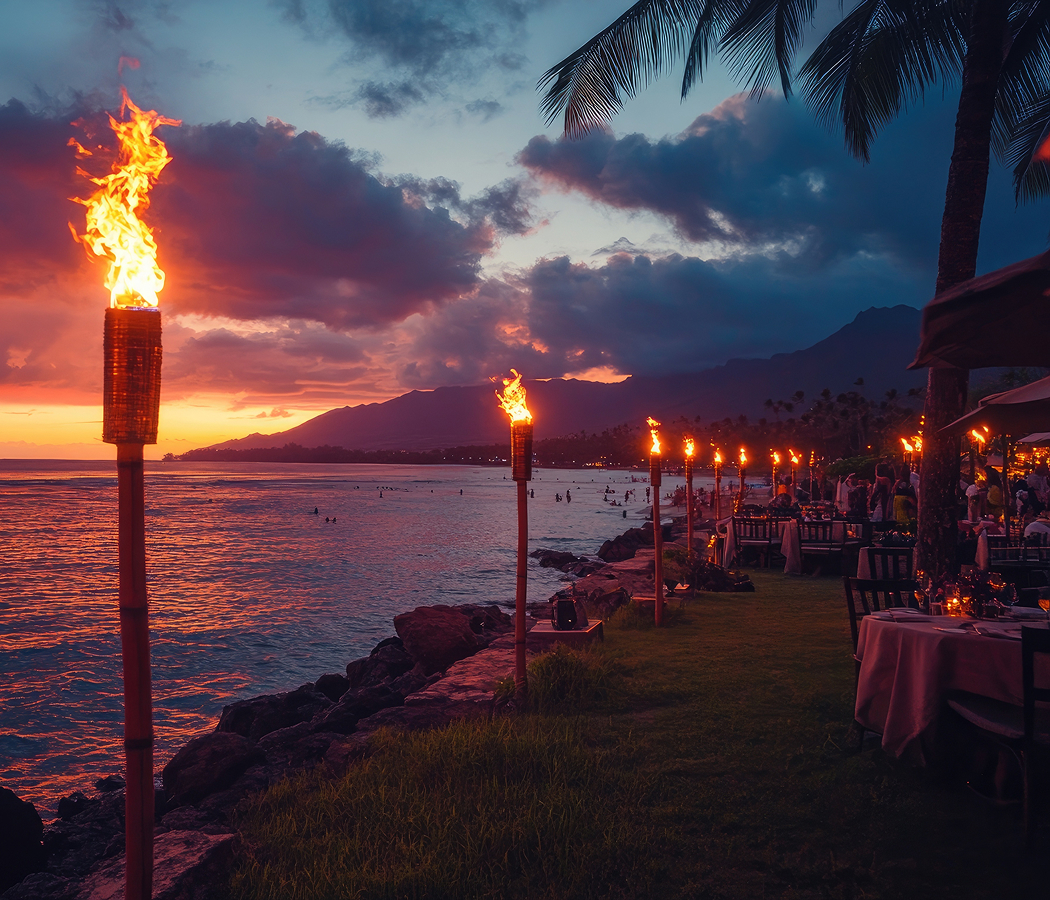
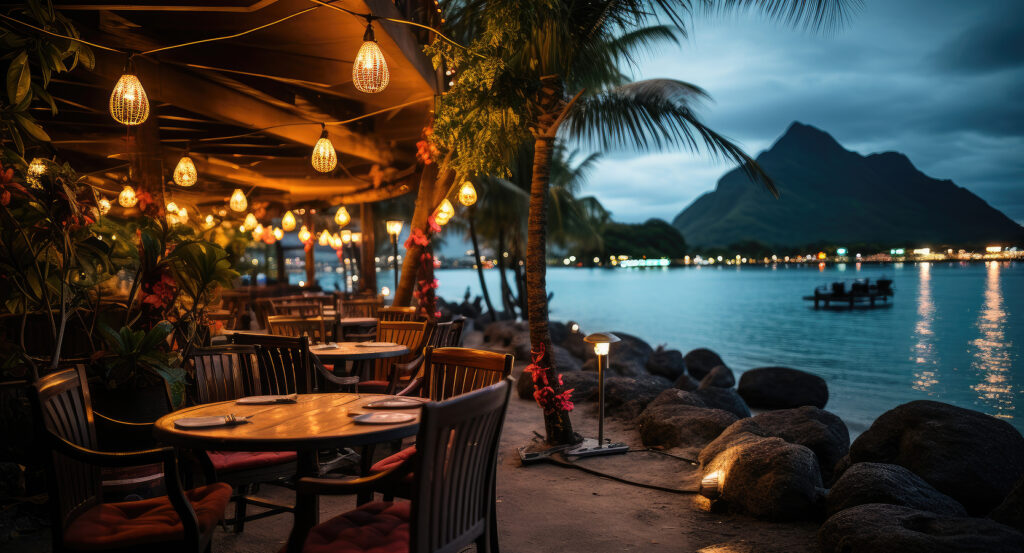
Stretching along the southern tip of Bora Bora between Matira Point and the lagoon-facing shores of the island's southwestern peninsula, the beach occupies a gently curving coastal strip where pale coral sand descends into shallow turquoise water beneath coconut palms and the mountainous volcanic interior. Its western shoreline faces the broad lagoon and distant barrier reef, creating expansive views across sheltered tropical water. The eastern side of the peninsula opens toward additional lagoon shallows, with low coastal vegetation separating the adjoining waterfront areas. Sandy approaches connect the beach with small restaurants, local businesses and the coastal road circling the island. The result is an accessible Polynesian shoreline whose calm water, open coastal geography and proximity to the island's residential communities preserve a distinctive relationship between natural beauty and everyday island life.
What defines Matira Beach.
Matira Beach is best known for its extensive white-sand shoreline, shallow lagoon waters and position at the southern extremity of Bora Bora's volcanic island. The beach developed within the geological system created by the gradual formation and erosion of an ancient volcanic mountain surrounded by a coral reef. Bora Bora originated through volcanic activity associated with the Society Islands, whose peaks emerged above the Pacific Ocean through processes linked to the movement of the Pacific Plate. As volcanic activity ceased, erosion progressively reduced the island's original mountain mass, producing steep ridges and deeply incised valleys. Coral reefs developed around the island's submerged margins, creating a protective barrier between the open ocean and the interior lagoon. Continued subsidence and reef growth contributed to the development of the broad lagoon that surrounds Bora Bora. Wave action and biological processes gradually produced coral-derived sediments, including the pale sands characteristic of the island's sheltered beaches. Matira's coastal position allowed these sediments to accumulate along the southern peninsula, forming a gently sloping shoreline protected from much of the open Pacific's wave energy. Polynesian navigators settled the Society Islands centuries before European contact, establishing communities sustained by fishing, horticulture and extensive maritime knowledge. Bora Bora became an important center of chiefly authority, with political and ceremonial traditions connected to the wider Leeward Islands. The island's traditional name, Pora Pora, is associated with its early Polynesian history and the development of local political communities. European contact intensified during the eighteenth century as explorers and navigators entered the Society Islands. James Cook visited Bora Bora in 1769, contributing to the island's growing presence in European geographical knowledge. During the nineteenth century, French colonial expansion altered the political circumstances of the Leeward Islands, culminating in Bora Bora's incorporation into French colonial administration. The Second World War introduced a major American military presence, with Bora Bora serving as a strategic support base in the South Pacific. Military construction expanded transportation infrastructure and established facilities that influenced the island's subsequent development. Postwar tourism gradually increased as improved aviation connections introduced international travelers to French Polynesia. The development of luxury resorts during the late twentieth century established Bora Bora as a major international leisure destination. Matira Beach retained its importance as a publicly accessible shoreline, providing a coastal setting closely connected with the island's residential and commercial life.
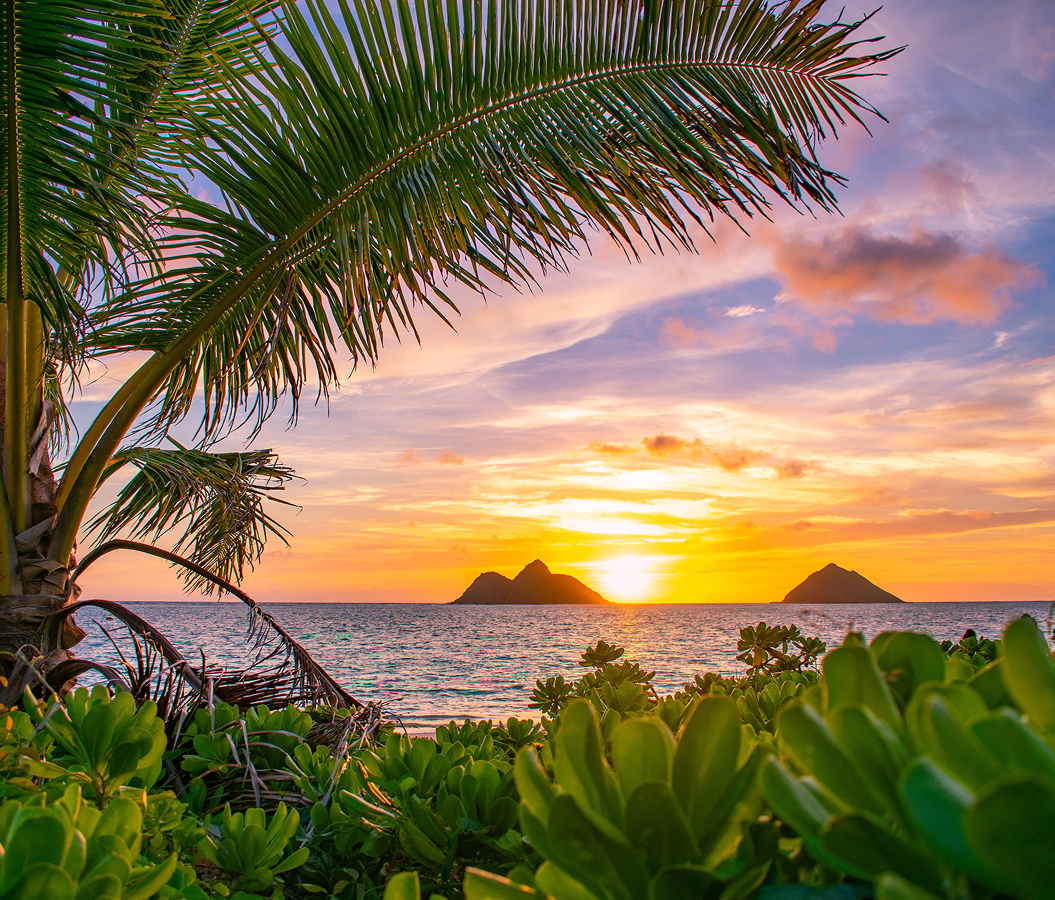
Matira Point defines the beach's physical character through its narrow coastal geography and unusually gentle transition between land and lagoon. The peninsula projects southward from Bora Bora's principal volcanic island, creating shorelines exposed to different combinations of wind, current and wave action. Its western beach contains broad stretches of fine coral sand, with shallow water extending outward across a gently descending lagoon floor. The sand consists largely of fragmented coral skeletons and other calcium-carbonate material produced by reef organisms. These pale sediments contribute to the water's vivid turquoise coloration by reflecting sunlight through the shallow lagoon. The surrounding reef system reduces the energy of incoming ocean swells, supporting comparatively calm conditions along protected sections of the shoreline. Seagrass and scattered coral formations occupy portions of the lagoon floor, providing habitat for small reef fish and other marine organisms. The beach's shallow gradient creates extensive areas suitable for wading and swimming under favorable conditions. Tidal movement and changing weather influence water depth, visibility and local currents throughout the day. Coconut palms and coastal vegetation provide intermittent shade along the upper beach, separating the sandy shoreline from the surrounding developed peninsula. The adjacent coastal road supports access to local restaurants and small commercial establishments, maintaining a direct connection between the waterfront and the island's inhabited districts. The beach's western orientation provides extensive views of the setting sun across the lagoon, with changing light producing pronounced contrasts between the pale sand and surrounding water. Its open shoreline also provides views toward the outer reef and the distant Pacific horizon. The surrounding landscape demonstrates the relationship between Bora Bora's volcanic interior, its protective coral reef and the sedimentary processes responsible for the formation of tropical beaches. Its continuing recreational importance depends upon the preservation of lagoon water quality, coastal vegetation and the ecological health of the surrounding reef system.
How Matira Beach fits.
Matira Beach works as the coastal anchor for a Bora Bora outing connecting the island's Polynesian cultural heritage, its volcanic mountain landscape and the coral reef ecosystems that sustain the surrounding lagoon.
Begin at Vaitape, the principal settlement and commercial center of Bora Bora, situated along the island's western waterfront. The village serves as the administrative and transportation hub for the island, with its harbor accommodating ferries, excursion vessels and local maritime activity. Shops, restaurants and community facilities line the coastal road, connecting the waterfront with the surrounding residential districts. Its position beside the lagoon provides views toward the mountainous interior and offshore reef. Vaitape's commercial activity demonstrates the continuing importance of maritime transportation and local services within Bora Bora's island economy. Continue to Mount Otemanu, the dramatic volcanic peak rising above the island's central mountain mass. Reaching 727 meters, the mountain preserves the eroded remains of Bora Bora's ancient volcanic structure. Its steep basaltic cliffs and jagged summit define the surrounding landscape, providing a direct geological connection with the island's origins. The mountain's lower slopes support tropical vegetation and trails passing through forested terrain. Its imposing profile forms the principal visual reference across much of the lagoon, establishing the relationship between the volcanic island and the coral formations that surround it. Conclude at Coral Gardens, the lagoon snorkeling area situated near the southeastern reef system of Bora Bora. The site contains coral formations supporting tropical fish and other marine organisms associated with the island's reef environment. Its relatively sheltered waters provide opportunities to observe the relationship between living coral colonies, sandy lagoon floors and the surrounding marine ecosystem. Snorkeling excursions introduce visitors to the ecological processes that sustain Bora Bora's reef habitats. The surrounding water displays pronounced variations in color and depth, revealing the complex underwater topography of the lagoon. The progression moves from Vaitape's maritime community through Mount Otemanu's volcanic landscape and culminates at Coral Gardens' living reef environment, connecting Matira Beach with the cultural and geological foundations of Bora Bora.
Where your story begins.
Foresyte Travel reveals places that feel extraordinary long before you arrive.
Enjoy editorial crafted for luxury travelers.
Foresyte may earn a commission when you book.