Why Coral Gardens matters.
Coral Gardens is a remarkable marine sanctuary where Bora Bora's southern lagoon meets the biological richness of Polynesian coral reefs, the geological legacy of the Society Islands and an intricate underwater landscape inhabited by tropical fish, rays and reef-building organisms.
Situated near Motu Piti Uu Uta off Bora Bora's southern coastline, the snorkeling area occupies shallow lagoon waters southeast of Matira Point, where scattered coral formations rise above pale sandy channels within the protected marine basin separating the volcanic island from its surrounding reef. Clear water reveals submerged coral heads, sandy openings and small schools of reef fish. Low coral islets border portions of the surrounding lagoon, establishing a sheltered setting for boat excursions. The underwater terrain changes between compact reef structures and open sand, creating distinct habitats within a relatively concentrated area. The result is an accessible snorkeling destination whose concentrated marine life, shallow underwater formations and connection to Bora Bora's reef system make it an important introduction to French Polynesia's tropical marine environment.
What defines Coral Gardens.
Coral Gardens is best known for its shallow coral formations, dense populations of tropical reef fish and boat-accessible snorkeling within Bora Bora's southern lagoon. Its geological origins belong to the development of the Society Islands, a volcanic archipelago formed as the Pacific Plate moved across a region of sustained volcanic activity. Bora Bora's ancient volcano accumulated successive deposits of basaltic material, producing a mountainous island surrounded by the Pacific Ocean. Following the cessation of volcanic activity, erosion gradually reduced the original mountain mass and deposited sediments along its submerged margins. Reef-building corals colonized the surrounding underwater slopes, constructing calcium-carbonate structures through successive generations of growth. Continued subsidence of the volcanic foundation created space for reef expansion, eventually producing a barrier system separated from the central island by an extensive lagoon. Wave action and biological processes fragmented coral skeletons, shells and other marine material, generating pale sediments that accumulated between reef formations. The resulting combination of shallow coral platforms and sandy channels created favorable conditions for diverse marine habitats. Polynesian communities developed extensive knowledge of these coastal environments through fishing, navigation and interisland exchange. Traditional maritime practices depended upon familiarity with reef passages, seasonal winds and the distribution of marine resources. European exploration during the eighteenth century introduced additional maritime connections across the Society Islands. French colonial expansion subsequently altered regional political relationships during the nineteenth century. Bora Bora's development as an international tourism destination accelerated during the twentieth century as aviation and resort construction increased access to its sheltered waters. Guided lagoon excursions became an established component of the island's recreational economy, connecting travelers with reef habitats accessible by small boat. Coral Gardens developed its reputation through the concentration of fish and coral formations visible at snorkeling depth. Its importance extends to the wider conservation of Bora Bora's reef system, whose ecological condition supports marine biodiversity, fisheries and coastal protection.
How Coral Gardens fits.
Coral Gardens works as the marine centerpiece for a Bora Bora outing connecting the island's volcanic mountain landscape, its publicly accessible southern shoreline and the wider reef environments supporting French Polynesia's tropical marine biodiversity.
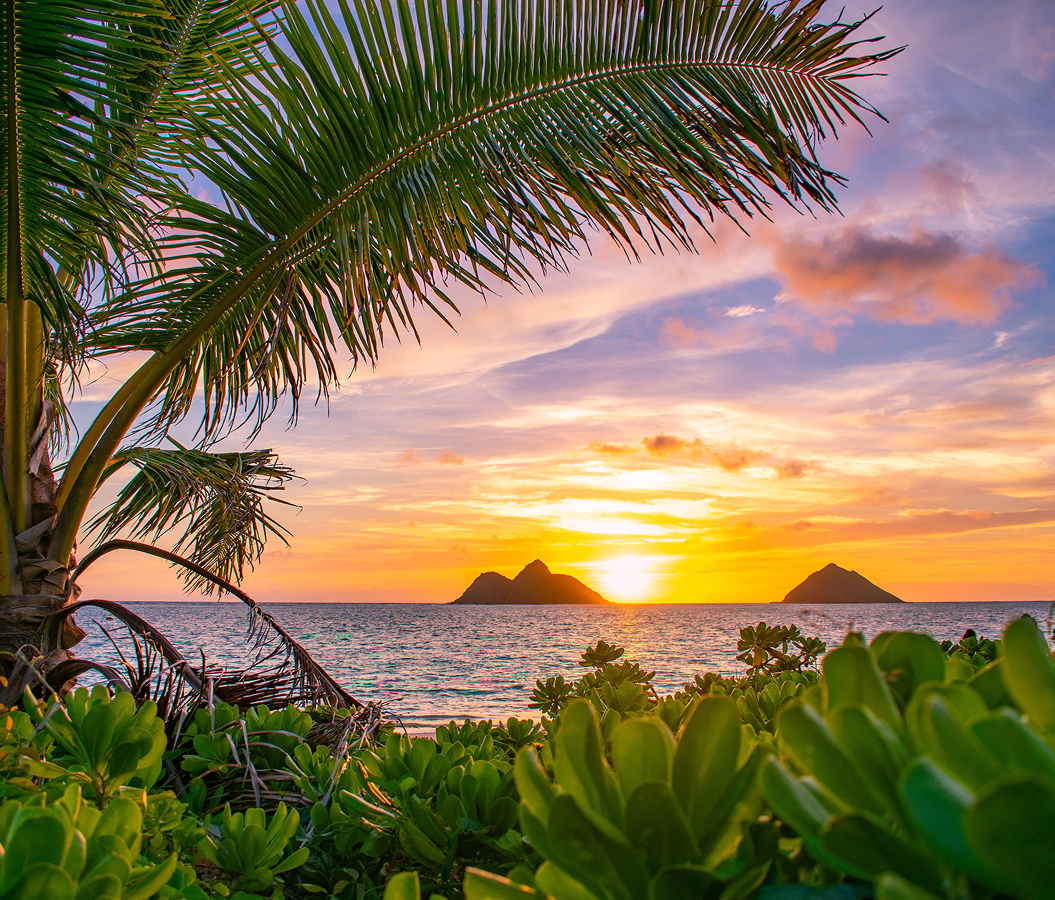
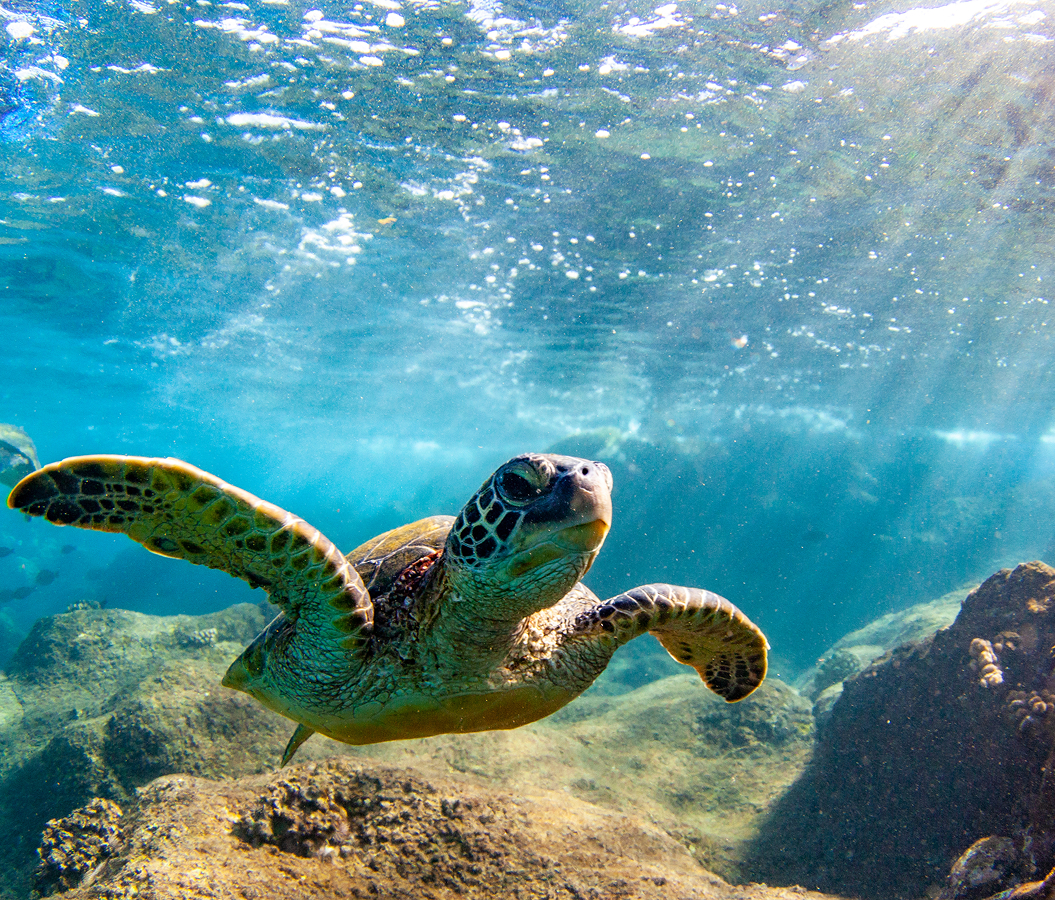
Begin at Mount Otemanu, the imposing volcanic peak dominating Bora Bora's mountainous interior. Rising 727 meters above sea level, the summit preserves the eroded remains of the ancient volcanic structure responsible for the island's formation. Its steep basaltic cliffs and jagged ridges reveal the effects of prolonged weathering on the original volcanic mass. Tropical vegetation covers portions of the lower slopes, contrasting with the exposed rock above. The mountain's distinctive profile provides a geographical reference across the surrounding lagoon and coral islets. Continue to Matira Beach, the extensive public shoreline occupying Bora Bora's southern peninsula. Its fine coral-derived sand descends gradually into sheltered turquoise water, creating broad swimming areas under favorable conditions. Coconut palms border sections of the beach, and small restaurants connect the waterfront with the surrounding residential district. The western shoreline provides expansive sunset views across the lagoon. Its accessible coastal setting demonstrates how marine sediment accumulation creates sandy beaches along the protected margins of tropical volcanic islands. Conclude at Anau, the marine diving area situated off Bora Bora's eastern coastline near the settlement of the same name. Two substantial coral reef formations are separated by a sandy channel, creating underwater habitats extending across a considerable range of depths. Manta rays visit the area, accompanied by reef fish, turtles and other marine organisms. The site's underwater geography provides opportunities to observe larger marine animals moving between coral formations. Its ecological importance connects the sheltered lagoon with the wider distribution of marine life around Bora Bora. The progression moves from Mount Otemanu's volcanic geology through Matira Beach's coral-derived shoreline and culminates at Anau's marine habitats, connecting Coral Gardens with the geological and ecological foundations of Bora Bora.
Where your story begins.
Foresyte Travel reveals places that feel extraordinary long before you arrive.
Enjoy editorial crafted for luxury travelers.