Perfect weekend in Hawaii.
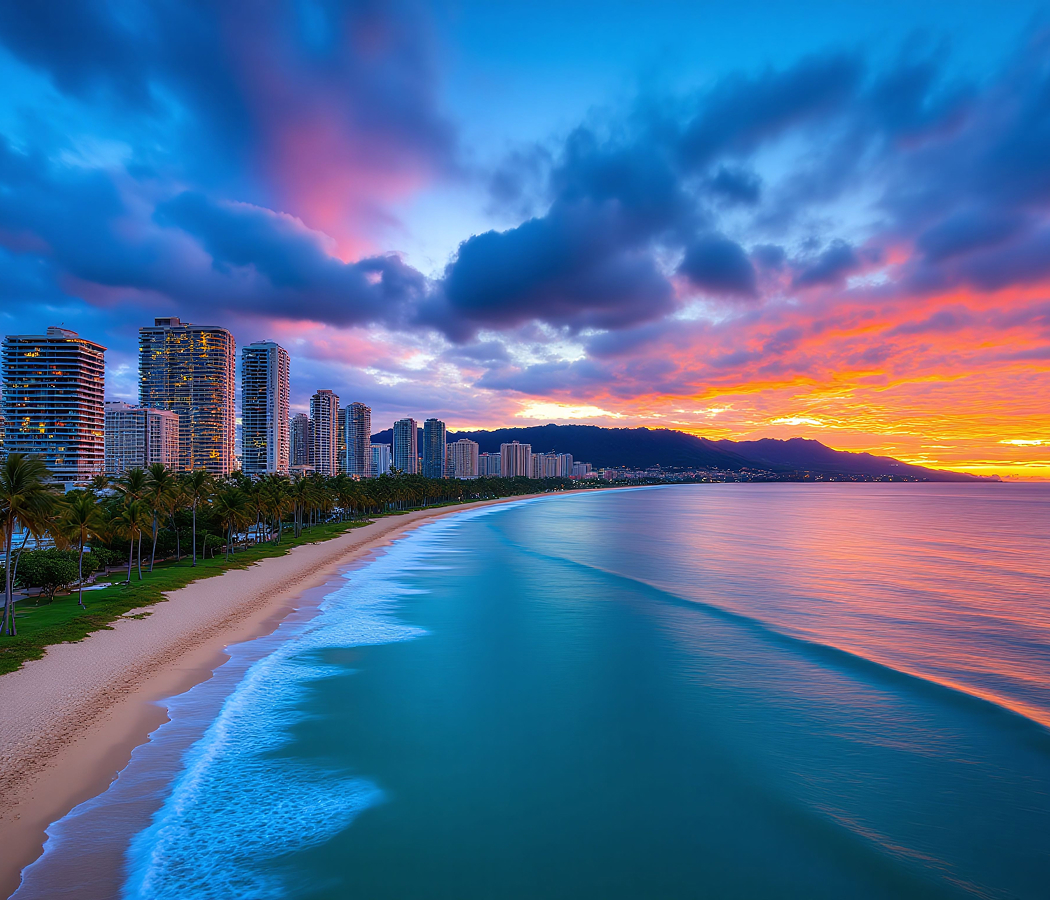
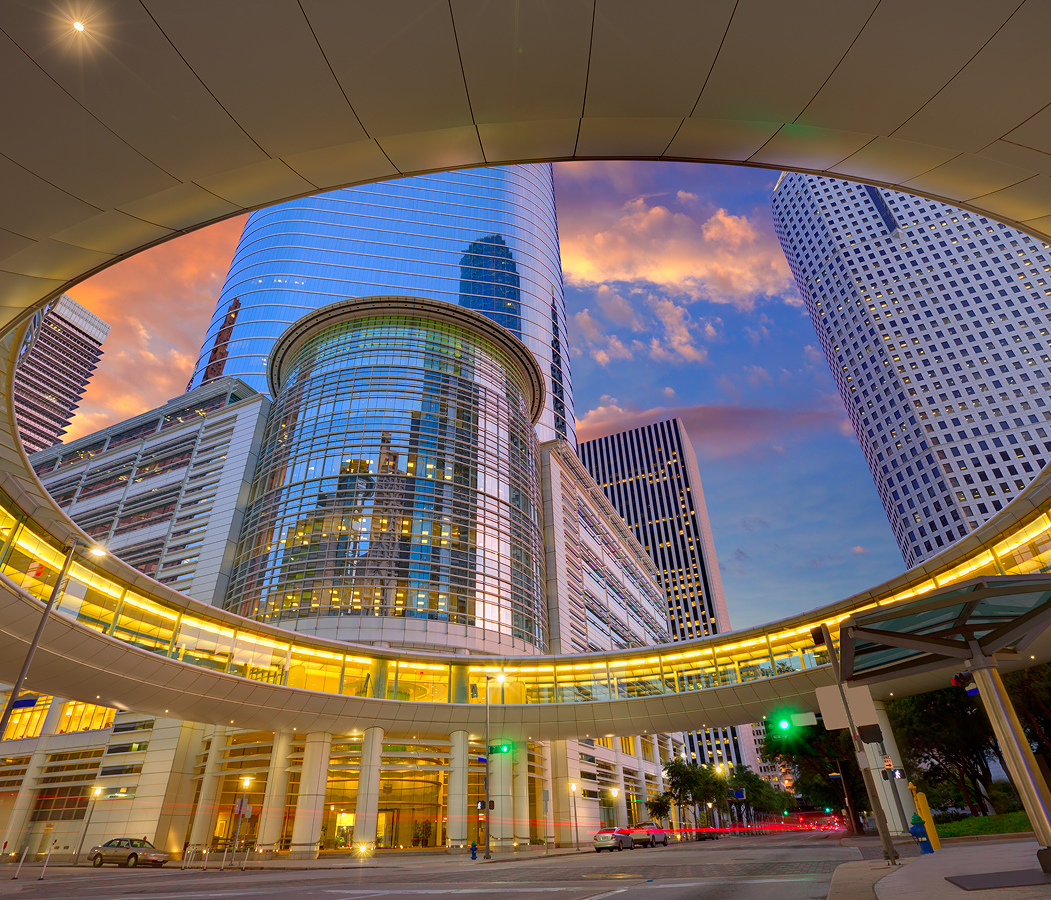
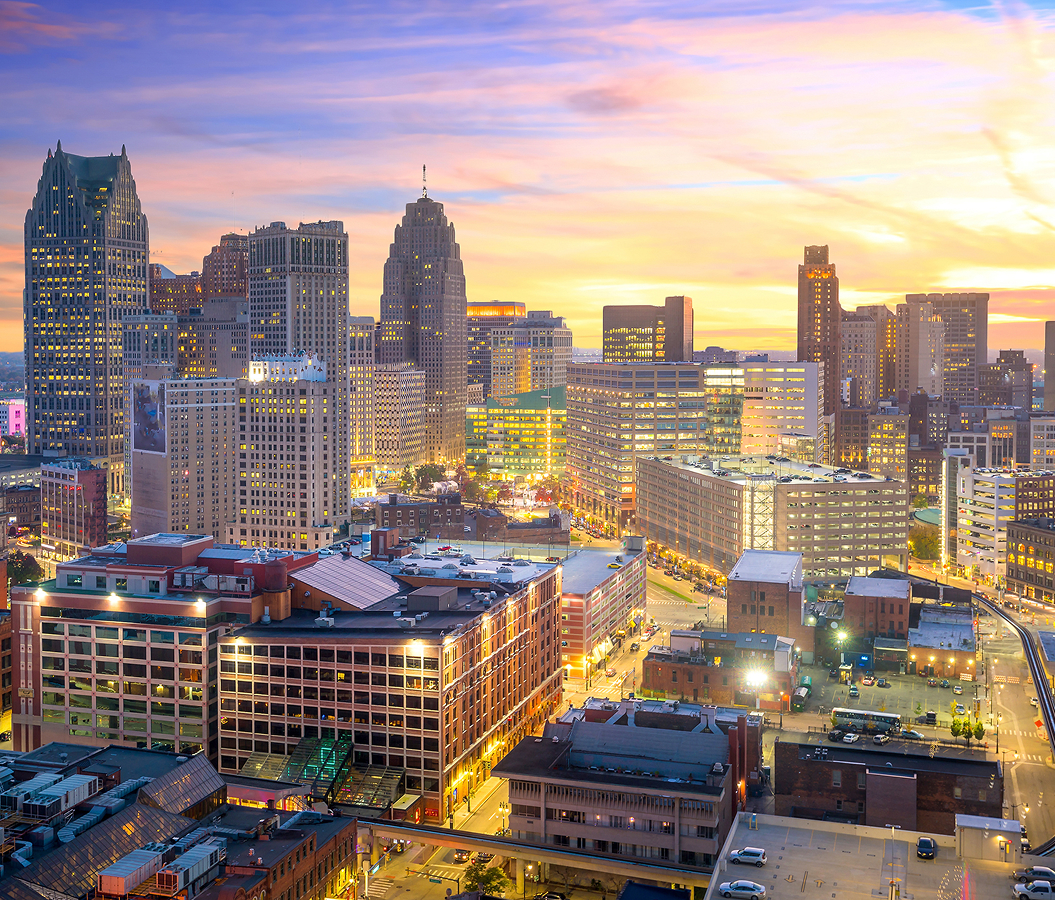
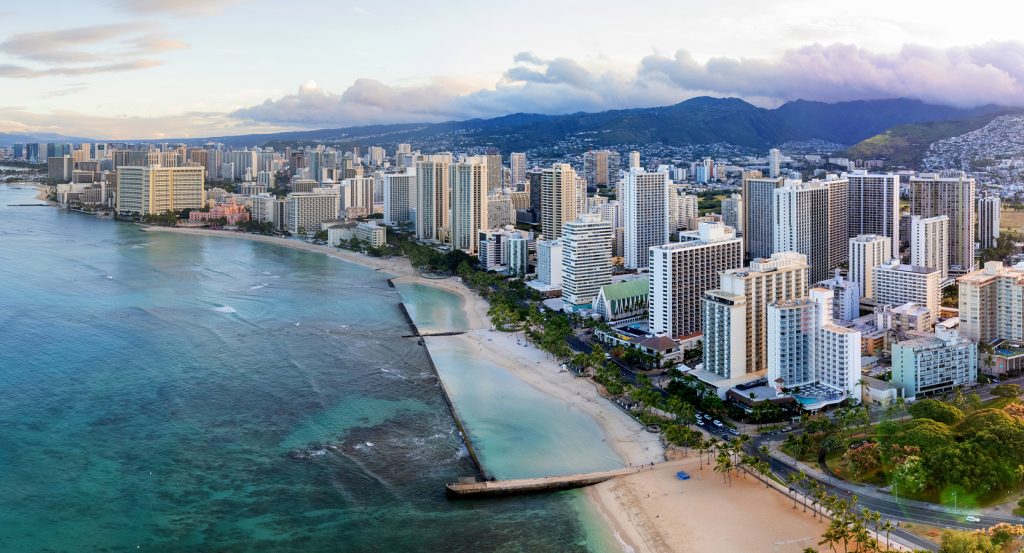
Honolulu is a city where golden beaches, volcanic landscapes, rich Hawaiian traditions, and energetic urban neighborhoods come together along one of the world's most celebrated coastlines.
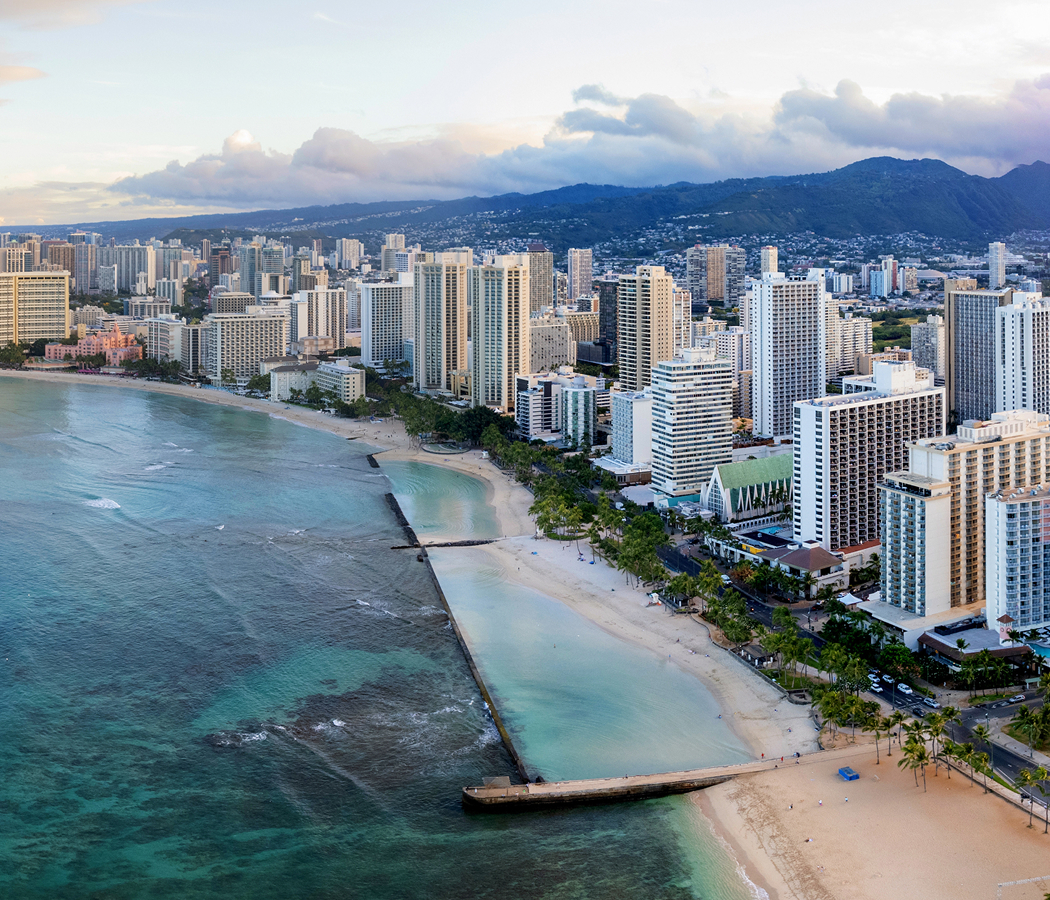
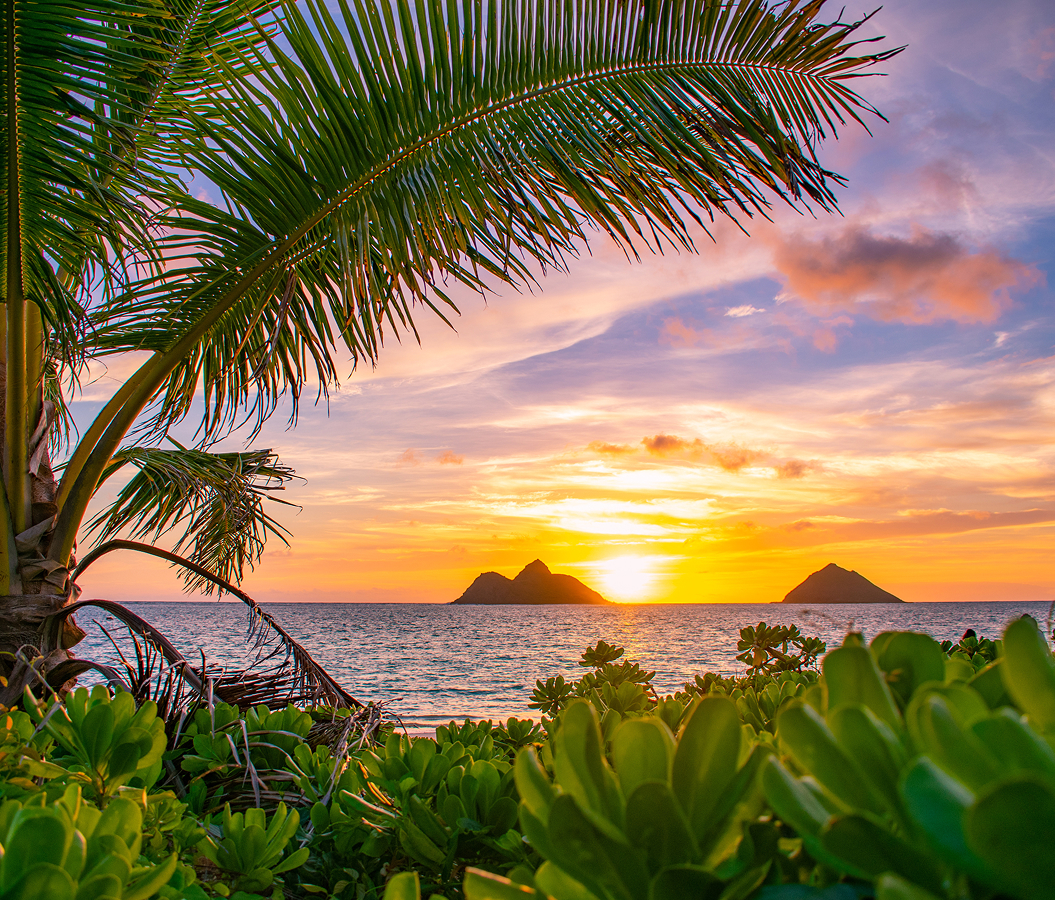
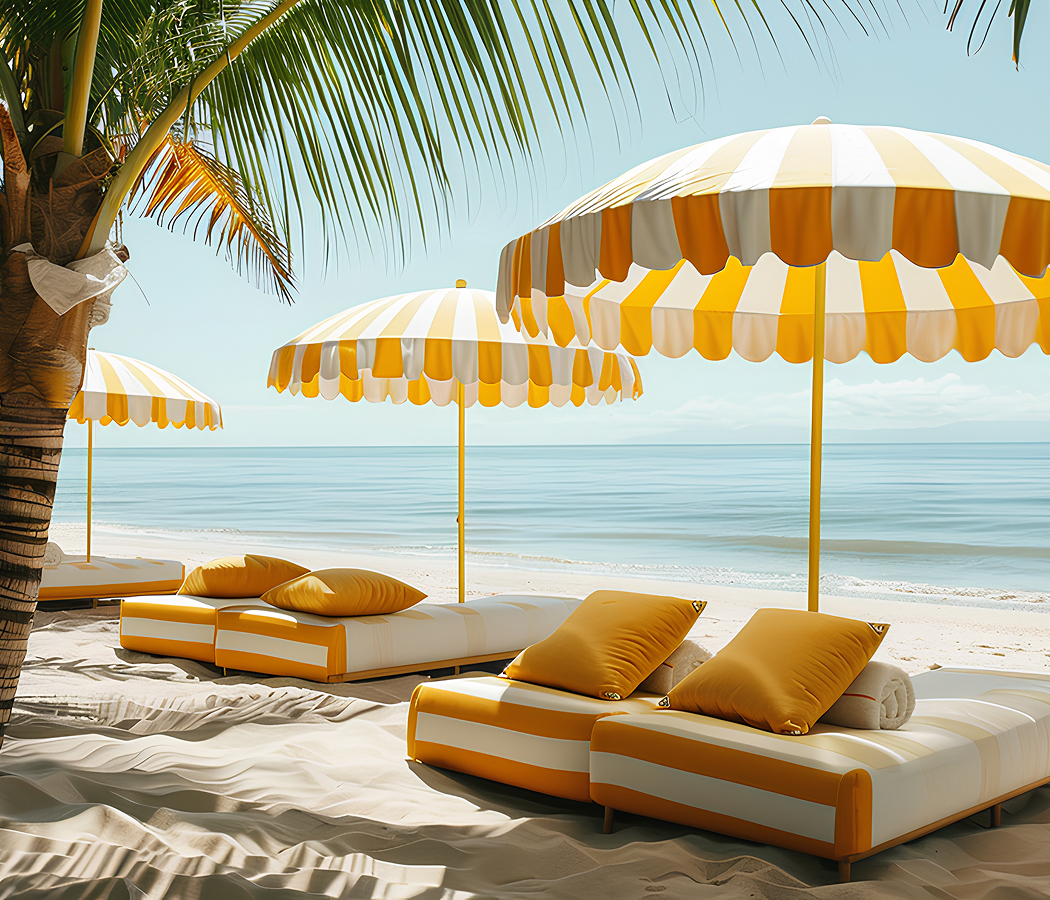
Begin the mornings beneath the swaying palms of Waikīkī Beach, where gentle waves, outrigger canoes, and the unmistakable silhouette of Diamond Head State Monument define the city's coastal identity. Continue along Kalākaua Avenue, browsing open-air boutiques, oceanfront cafés, and local shops before following scenic trails to the summit of Diamond Head for panoramic views stretching across the Pacific and the Honolulu skyline. By late morning, the city's cultural heritage unfolds through the galleries of the Honolulu Museum of Art, the royal history preserved at ʻIolani Palace, and the tranquil grounds of Bishop Museum, where centuries of Native Hawaiian history and Pacific Island traditions come into focus. Spend afternoons snorkeling in the protected waters of Hanauma Bay Nature Preserve, strolling the tropical landscapes of Kapiʻolani Park, exploring the lively neighborhoods of Kakaʻako, or paying tribute at the Pearl Harbor National Memorial, where one of the defining moments of twentieth-century history continues to shape the islands' story.
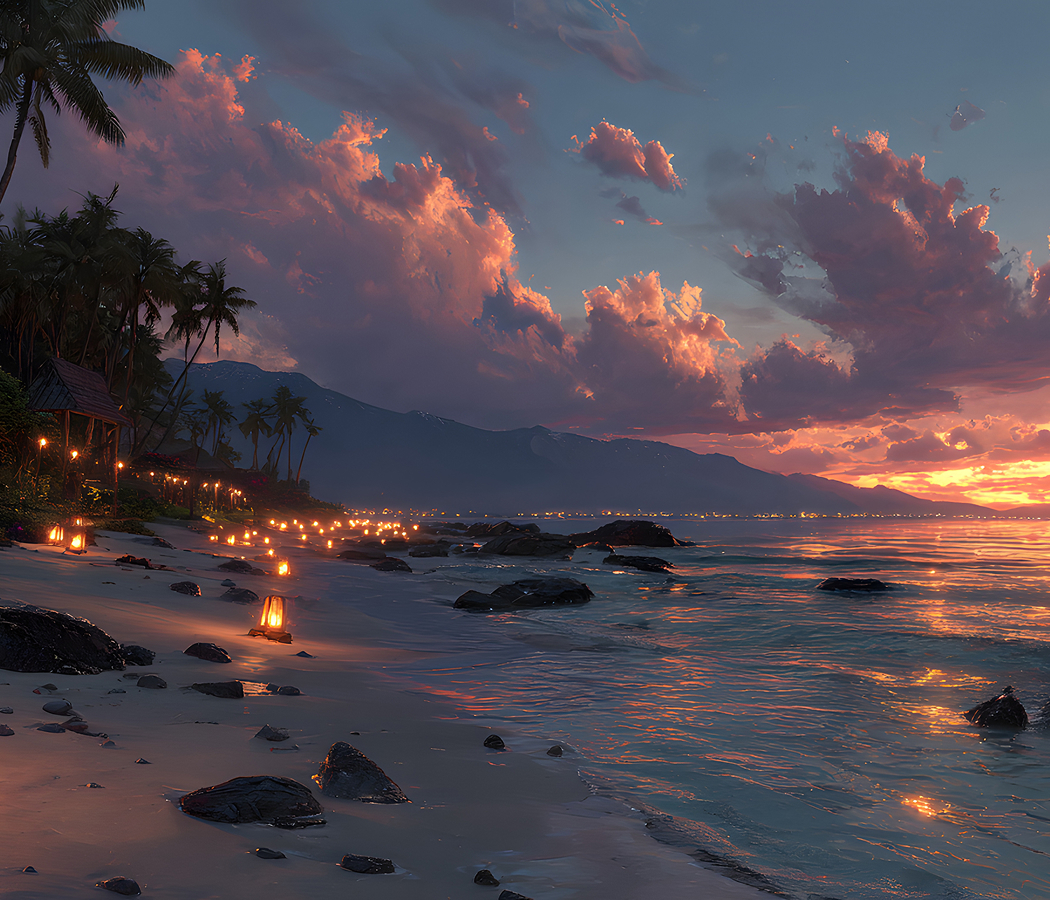
As evenings approach, Honolulu settles into a relaxed rhythm shaped by ocean breezes, fresh island cuisine, and unforgettable sunsets across the Pacific. Waterfront restaurants showcase freshly caught seafood, poke, and modern Hawaiian flavors, while beachside bars and live Hawaiian music carry through the evening along Waikīkī. After dark, the shoreline glows beneath the lights of the city, cultural performances celebrate Polynesian traditions, and the warm trade winds continue long after the sun disappears beyond the horizon. Between the natural beauty of Diamond Head State Monument, the history of ʻIolani Palace and Pearl Harbor National Memorial, the marine life of Hanauma Bay Nature Preserve, and the enduring appeal of Waikīkī Beach, Honolulu rewards every visit with another unforgettable perspective on Hawaiʻi's capital.
Three day itinerary.
Day 1: Waikīkī Beach
Waikīkī Beach is best known for transforming a former Hawaiian royal retreat into the shoreline most closely associated with Honolulu's emergence as an international resort city. Native Hawaiian communities cultivated taro and maintained fishponds across the wetland landscape behind the coast, and Hawaiian royalty later established residences along its beaches. Duke Kahanamoku carried Waikīkī's surfing culture around the world after winning Olympic swimming medals and becoming one of the sport's most consequential ambassadors. Twentieth-century drainage, canal construction, seawalls, imported sand, and repeated beach nourishment profoundly reshaped the natural shoreline as hotels expanded along Kalākaua Avenue. The Royal Hawaiian and Moana Surfrider became architectural anchors of the developing resort district. Waikīkī occupies a distinctive position where Native Hawaiian surfing traditions, engineered coastal geography, and the history of Pacific tourism intersect.
Day 1: Senia
Senia is best known for Anthony Rush and Katherine Nomura's ingredient-driven cooking in Honolulu's historic Chinatown. Rush developed his career in major international kitchens, including Thomas Keller's Per Se in New York, before establishing Senia in Hawaiʻi. The restaurant builds its cuisine around products from the islands alongside seafood, meats, vegetables, fermentation, and techniques drawn from Rush's extensive fine-dining background. Hawaiʻi's position between Asia, Polynesia, and the continental United States gives the kitchen a broad culinary context without severing its dependence on local agriculture and surrounding Pacific waters. Senia became one of Honolulu's most ambitious independent restaurants by joining international technical discipline to ingredients whose character is inseparable from the Hawaiian Islands.
Day 2: Diamond Head State Monument
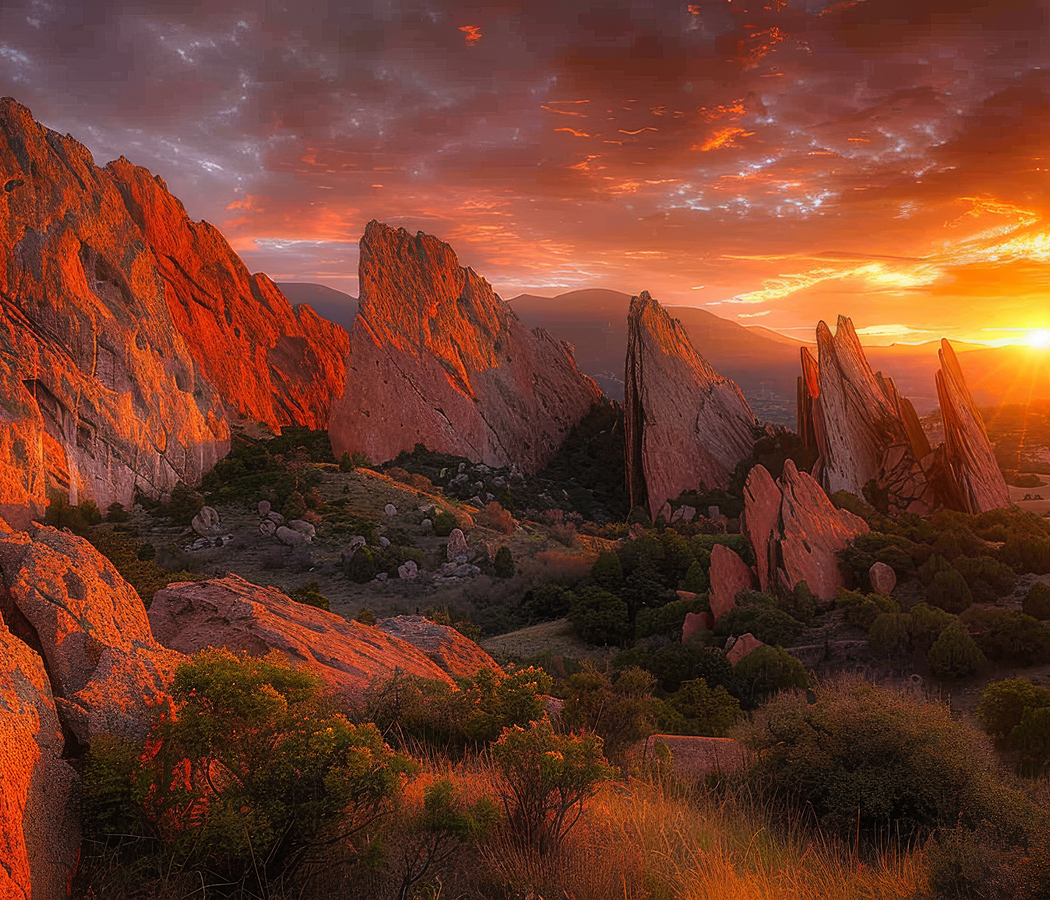
Diamond Head State Monument is best known for preserving Lēʻahi, the immense volcanic tuff cone that defines the eastern end of Waikīkī's coastline. An explosive eruption 300,000 years ago threw ash and fine volcanic material into the atmosphere, producing deposits that consolidated into the crater's broad saucer-shaped formation. Its commanding position above the coast later gave Lēʻahi strategic military importance as the United States developed Oʻahu's coastal defense network. Engineers constructed the summit trail in 1908 to provide access to observation and fire-control positions overlooking approaches to Honolulu. Tunnels, stairways, bunkers, and military structures remain integrated into the ascent from the crater floor. Lēʻahi joins Oʻahu's volcanic history to the military infrastructure developed around one of the Pacific's most strategically important harbors.
Day 2: Fête
Fête is best known for Robynne Maii's integration of Hawaiʻi agriculture with the multicultural food traditions that shaped the islands. Maii grew up in Honolulu and developed her culinary career through professional kitchens before opening Fête with Chuck Bussler in Chinatown. Local vegetables, seafood, meat, noodles, rice, and seasonal products enter cooking informed by Hawaiʻi's position at the intersection of Native Hawaiian, Asian, European, and American food cultures. Maii received the James Beard Award for Best Chef: Northwest and Pacific in 2022, becoming the first woman from Hawaiʻi to win the category. Fête established a nationally consequential expression of contemporary Honolulu cooking whose sophistication begins with the agricultural products and cultural complexity of the islands themselves.
Day 2: Pearl Harbor National Memorial
Pearl Harbor National Memorial is best known for preserving the history of the December 7, 1941 Japanese attack that brought the United States directly into World War II. Native Hawaiians knew the harbor as Wai Momi, or Waters of Pearl, reflecting the pearl-producing oysters once abundant within its protected waters. American strategic interest intensified during the nineteenth century, and extensive dredging eventually transformed the reef-protected harbor into a major naval base capable of receiving large warships. The Japanese attack struck battleships, aircraft, and military installations across Oʻahu, killing more than 2,400 Americans. USS Arizona sank with catastrophic loss of life and remains beneath the harbor. The memorial constructed above the wreck places the physical remains of the attack within the naval landscape that permanently altered American and Pacific history.
Day 2: Mud Hen Water
Mud Hen Water is best known for Ed Kenney's exploration of Hawaiʻi through the foods, ingredients, and cultural exchanges that shaped everyday island cooking. Kenney emerged as a major figure in Hawaiʻi's farm-to-table movement through sustained relationships with local growers, ranchers, fishermen, and food producers. The restaurant's name derives from ʻalae ʻula, the Hawaiian gallinule associated with wetland environments and traditional Hawaiian stories. Kalo, seafood, vegetables, rice, preserved ingredients, and preparations carrying Asian and Pacific influences give the menu a culinary style rooted specifically in Hawaiʻi. Mud Hen Water occupies an important position in modern Honolulu dining by treating the islands' multicultural food traditions and agricultural landscape as material for serious contemporary cooking.
Day 3: Koko Head Cafe
Koko Head Cafe is best known for Lee Anne Wong's transformation of brunch through the multicultural ingredients and culinary traditions of Hawaiʻi. Wong developed her career in prominent restaurant kitchens before settling in Honolulu and creating a daytime restaurant whose cooking draws extensively from the islands' Asian and Pacific influences. Rice, eggs, local produce, seafood, pork, tropical fruit, baked goods, and condiments associated with Japanese, Korean, Chinese, Hawaiian, and American cooking converge across a menu built specifically around morning and midday dining. Wong's professional pastry background adds another technical dimension through baked preparations and sweets. Koko Head Cafe elevated brunch into a distinctive expression of contemporary Honolulu food culture grounded in the culinary communities that shaped Hawaiʻi.
Day 3: Hanauma Bay Nature Preserve
Hanauma Bay Nature Preserve is best known for occupying a volcanic marine embayment whose protected waters contain one of Oʻahu's most intensively managed coastal ecosystems. Volcanic eruptions created the underlying crater before marine erosion breached its seaward wall, allowing the Pacific to flood the depression and form the curved bay. Coral reef habitat subsequently developed within the sheltered waters, supporting reef fish and other marine organisms characteristic of Hawaiʻi's nearshore environment. Decades of intense recreational use eventually produced extensive conservation measures designed to reduce human pressure on the ecosystem. Honolulu established controls on access, education, and visitation as the bay's ecological importance became inseparable from its recreational role. Hanauma Bay exposes the direct relationship among Oʻahu's volcanic formation, coral ecosystems, marine conservation, and pressures created by mass visitation.
Day 3: Nuʻuanu Pali Lookout
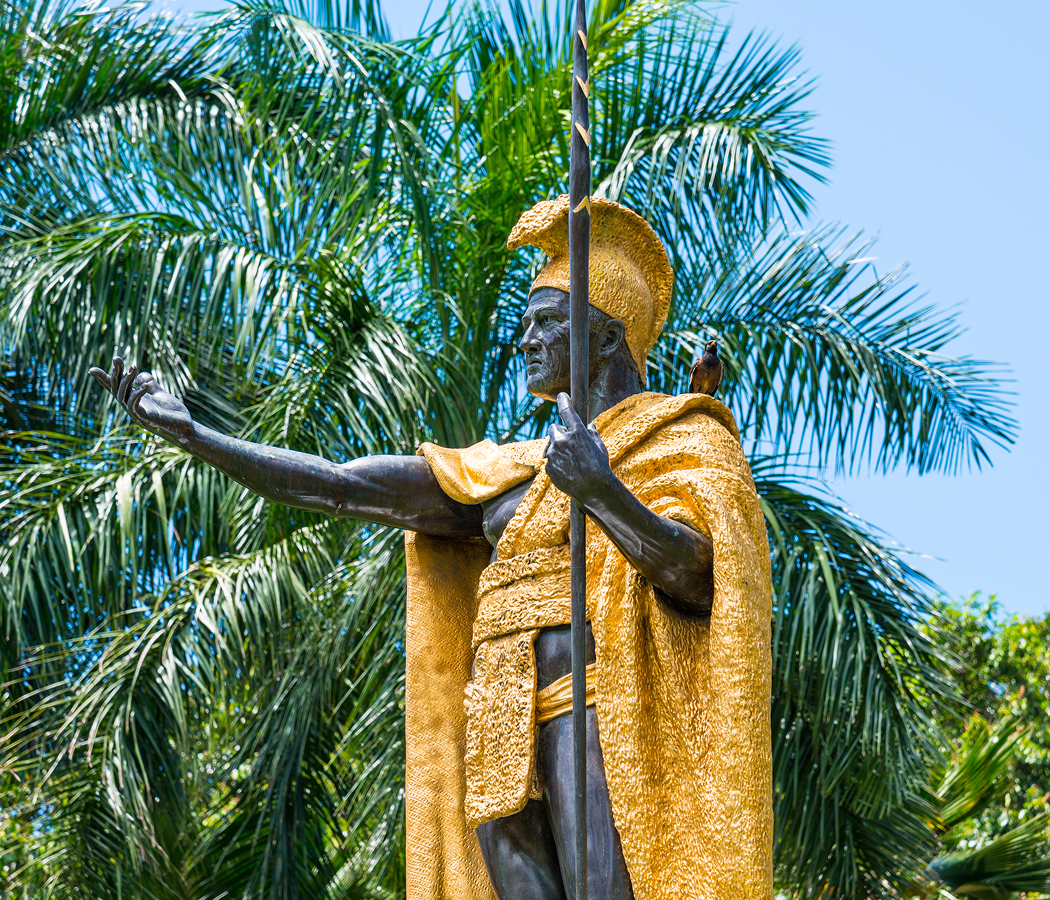
Nuʻuanu Pali Lookout is best known for overlooking the cliffs where Kamehameha I achieved a decisive victory during his campaign to unify the Hawaiian Islands. The Battle of Nuʻuanu in 1795 drove the forces of Kalanikūpule toward the precipitous pali after Kamehameha's army advanced across Oʻahu. The victory secured Kamehameha's control of the island and became a critical event in the political consolidation of the Hawaiian Kingdom. The lookout occupies a gap in the Koʻolau Range where powerful trade winds accelerate through the mountainous terrain. Sheer cliffs descend toward windward Oʻahu, exposing the eroded interior of the ancient Koʻolau volcanic shield. Nuʻuanu Pali joins one of Hawaiian history's decisive military events to the immense volcanic geography that physically divided movement across Oʻahu.
Day 3: Sushi Sho
Sushi Sho is best known for Keiji Nakazawa's deeply disciplined Edomae sushi adapted to the ingredients and culinary geography of Hawaiʻi. Nakazawa established his reputation in Tokyo through an approach that treats curing, aging, marination, temperature, rice seasoning, and knife work as integral components of sushi preparation. His Honolulu restaurant brought that philosophy to Waikīkī and expanded its style through seafood and ingredients connected to the Hawaiian Islands. Individual courses explore relationships among fish, rice, preservation, fermentation, and seasonality through techniques rooted in the historical development of Edomae sushi. Nakazawa's relocation to Honolulu created an exceptional culinary bridge between Japanese sushi tradition and the marine environment of the Central Pacific, giving Hawaiʻi one of America's most serious expressions of the form.
Where your story begins.
Foresyte Travel reveals places that feel extraordinary long before you arrive.
Enjoy editorial crafted for luxury travelers.
Foresyte may earn a commission when you book.