Perfect weekend in Hawaii.
Hawaii's Big Island carries the alluring geological and political history of the Hawaiian archipelago across a landscape shaped by volcanic eruptions, Polynesian settlement, and the consolidation of the Hawaiian Kingdom. The largest island in the archipelago, Hawaiʻi rises from the Pacific Ocean through five principal volcanoes: Kohala, Mauna Kea, Hualālai, Mauna Loa, and Kīlauea. Their successive eruptions created extensive lava fields, fertile upland slopes, coastal cliffs, and dramatically contrasting environments ranging from tropical rainforests to alpine deserts. Polynesian voyagers settled the Hawaiian Islands centuries before European contact, bringing agricultural crops, domesticated animals, and sophisticated knowledge of ocean navigation. Native Hawaiian communities established extensive agricultural and fishing settlements, organizing land through the ahupuaʻa system, which connected mountain resources, cultivated valleys, and coastal fisheries. The island became a center of chiefly authority, with competing aliʻi controlling territories through political alliances, warfare, and hereditary relationships. Kamehameha I was born in the Kohala district during the eighteenth century and rose to prominence amid struggles for control of Hawaiʻi Island. Following the death of Kalaniʻōpuʻu in 1782, political conflict intensified between rival chiefly factions. Kamehameha consolidated control of the island by 1791 and subsequently extended his authority across the archipelago, establishing the unified Hawaiian Kingdom in 1810. British explorer James Cook reached Hawaiʻi Island in 1779, and his death during a confrontation at Kealakekua became one of the most consequential encounters between Europeans and Native Hawaiians. During the nineteenth century, Christian missionary activity, commercial agriculture, cattle ranching, and international maritime trade reshaped the island's economy. Parker Ranch, established in the Waimea region during the early nineteenth century, became an important center of Hawaiian cattle production and paniolo horsemanship. The overthrow of the Hawaiian monarchy in 1893 and American annexation in 1898 brought further political changes, followed by statehood in 1959. The island's continuing volcanic activity preserves a direct connection to the geological processes that created the Hawaiian archipelago?
Hawaiian cultural continuity finds powerful expression on the Big Island, where ancestral genealogy, sacred landscapes, traditional craftsmanship, and performing arts retain profound connections to the island's volcanic origins. Native Hawaiian traditions associate Kīlauea with Pele, the deity of volcanoes and fire, whose presence holds deep spiritual significance within the stories and ceremonial practices of the Hawaiian people. The island's extensive system of heiau, or traditional religious temples, preserves connections to chiefly authority, ancestral worship, and the religious institutions of the Hawaiian Kingdom. The Merrie Monarch Festival, established in Hilo in 1963, developed into one of the world's foremost gatherings devoted to hula, honoring King David Kalākaua and his support for Hawaiian performing arts. Its competitions encompass hula kahiko, performed with traditional chants and percussion, and hula ʻauana, which incorporates later musical influences and accompanying instruments. Hawaiian-language composition and mele preserve genealogical knowledge, historical events, and relationships between communities and their ancestral lands. The island's paniolo traditions also contributed to Hawaiian music through the development of slack-key guitar, introduced through the interaction of Mexican vaqueros and Hawaiian cattle ranchers during the nineteenth century. Hawaiʻi Island's agricultural history extends from traditional kalo cultivation and coastal fishpond management to internationally celebrated coffee production. Coffee cultivation expanded in the Kona district during the nineteenth century, where volcanic soils, morning sunshine, and afternoon cloud cover created favorable growing conditions along the slopes of Hualālai and Mauna Loa. The island's food traditions incorporate poi, laulau, kālua puaʻa, ʻopihi, and fresh reef fish, alongside agricultural products introduced through successive periods of migration. Japanese plantation workers contributed preparations including musubi, pickled vegetables, and noodle dishes, enriching the region's culinary practices. Portuguese immigrants introduced breads and baked goods that became established elements of local cooking, and Filipino communities contributed additional agricultural knowledge and regional specialties. Contemporary Hawaiian regional cuisine developed through the work of chefs who emphasized locally cultivated ingredients, island fisheries, and the agricultural diversity of the archipelago. A weekend on the Big Island connects the political origins of the Hawaiian Kingdom, the preservation of ancestral performing arts, the traditions of upland ranching, and the extraordinary volcanic landscapes of Hawaiʻi.
Three day itinerary.
Day 1: Puʻuhonua o Hōnaunau National Historical Park
Puʻuhonua o Hōnaunau National Historical Park is best known for its extraordinary preservation of traditional Hawaiian religious practices, royal ceremonial grounds, and one of the most significant places of refuge in the Hawaiian Islands. Situated along the volcanic coastline of South Kona, the park protects a sacred landscape associated with the political and spiritual authority of Hawaiian aliʻi, the hereditary ruling class. During the period of traditional Hawaiian governance, individuals who violated the kapu system sought sanctuary within designated places of refuge, where religious ceremonies provided a path toward absolution. The Great Wall, a massive dry-stacked stone structure extending across the ceremonial complex, separates the royal grounds from the sacred refuge area. Hale o Keawe, a reconstructed royal mausoleum, commemorates the powerful chiefs whose remains were historically preserved within the sanctuary. Carved wooden kiʻi represent protective deities associated with traditional Hawaiian religious architecture and ceremonial practice. The surrounding archaeological landscape incorporates temple platforms, royal fishponds, canoe landings, and structures associated with the daily activities of the Hawaiian ruling class. Established as a national historical park in 1961, the site preserves an exceptional concentration of cultural resources associated with the period preceding the abolition of the kapu system in 1819. Puʻuhonua o Hōnaunau National Historical Park represents one of Hawaiʻi's most consequential cultural landscapes through its direct relationship with traditional governance, sacred architecture, and the spiritual foundations of Hawaiian society.
Day 1: Merriman's Big Island
Merriman's Big Island is best known for chef Peter Merriman's pioneering contribution to Hawaiʻi Regional Cuisine and his influential approach to cooking with ingredients cultivated throughout the Hawaiian Islands. Established in 1988, the restaurant became a foundational institution in a culinary movement that transformed the relationship between Hawaiʻi's agricultural producers and its fine-dining kitchens. Merriman helped develop a philosophy emphasizing locally raised meats, fresh island seafood, tropical produce, and ingredients associated with Hawaiʻi's diverse agricultural environments. His cooking incorporates established European techniques alongside Asian and Pacific influences, reflecting the multicultural traditions that shaped contemporary Hawaiian gastronomy. The restaurant's location in Waimea connects its culinary character with the ranching heritage of the island's northern highlands, where cattle production became an important economic activity during the nineteenth century. Preparations featuring island-raised beef, locally harvested fish, and seasonal vegetables reflect the agricultural diversity of Hawaiʻi Island. Merriman's Waimea represents a defining institution in modern Hawaiian gastronomy through its foundational role in Hawaiʻi Regional Cuisine and its longstanding relationship with local agricultural producers.
Day 2: Kealakekua Bay State Historical Park
Kealakekua Bay State Historical Park is best known for its extraordinary marine environment and its profound association with Captain James Cook's arrival in Hawaiʻi during the eighteenth century. Located along the volcanic coastline of South Kona, the bay occupies a sheltered marine landscape surrounded by steep cliffs and extensive coral reef habitats. Cook arrived at Kealakekua Bay in January 1779 during his third Pacific voyage, encountering Hawaiian communities during the Makahiki season associated with the deity Lono. His subsequent return to the bay culminated in a violent confrontation on February 14, 1779, during which Cook was killed. A white obelisk erected near the shoreline commemorates his death, establishing a prominent historical feature within the surrounding coastal landscape. The bay's marine environment forms part of a protected conservation district supporting coral formations, tropical reef fish, spinner dolphins, and other species associated with Hawaiʻi's nearshore ecosystems. Its steep volcanic cliffs reflect the geological development of the western slopes of Mauna Loa, whose extensive lava flows shaped the surrounding coastline. Kealakekua Bay State Historical Park represents one of the Pacific's most consequential historical landscapes through its association with early European contact, Hawaiian cultural history, and exceptional marine biodiversity.
Day 2: Teshima's Restaurant
Teshima’s Restaurant is best known for its traditional Japanese-Hawaiian comfort food and its preservation of the culinary heritage of Hawaiʻi Island's plantation communities. Established in 1929 by the Teshima family, the restaurant developed into a longstanding institution in Honalo, a community situated along the slopes of the Kona coffee-growing district. Its culinary traditions reflect the experiences of Japanese immigrants and their descendants, whose contributions profoundly shaped Hawaiʻi's agricultural economy and regional food culture. The kitchen emphasizes established Japanese preparations, including tempura, sashimi, miso soup, rice dishes, and carefully prepared meats associated with traditional family dining. Its menu also incorporates Hawaiian influences, reflecting the cultural exchanges that developed among Japanese, Native Hawaiian, Portuguese, Filipino, and other communities throughout the islands. The restaurant's intimate interior preserves the atmosphere of a traditional neighborhood establishment, connecting contemporary dining with generations of local culinary history. Teshima's Restaurant represents an important institution in Hawaiʻi Island's gastronomic heritage through its preservation of Japanese plantation-era cooking and its enduring relationship with the Kona community.
Day 2: Kona Coffee Living History Farm
Kona Coffee Living History Farm is best known for its preservation of traditional Kona coffee cultivation and its interpretation of the Japanese immigrant families who shaped Hawaiʻi Island's agricultural heritage. Operated by the Kona Historical Society, the farm occupies a historic coffee-growing property in Captain Cook, within the region's celebrated agricultural belt along the western slopes of Mauna Loa. Coffee cultivation expanded across Kona during the nineteenth century, benefiting from the region's volcanic soils, favorable elevations, and distinctive pattern of sunny mornings and afternoon cloud cover. Japanese immigrant families became central to the industry's development, establishing small farms that combined intensive agricultural labor with multigenerational household production. The historic Uchida farm preserves structures, agricultural equipment, and domestic environments associated with the daily lives of coffee-growing families during the early twentieth century. Its traditional farmhouse and surrounding agricultural landscape demonstrate the relationship between immigrant settlement, family labor, and the development of Kona's internationally recognized coffee industry. The farm's interpretive programs explore established cultivation methods, harvesting practices, and the social history of the surrounding agricultural communities. Kona Coffee Living History Farm represents an exceptional institution in Hawaiian agricultural heritage through its preservation of immigrant history and the traditional production methods associated with Kona coffee.
Day 2: ULU
ULU is best known for its sophisticated interpretation of contemporary Hawaiian seafood cuisine and its exceptional oceanfront setting at Four Seasons Resort Hualālai. The restaurant's culinary program emphasizes fresh island fish, carefully prepared sushi, premium meats, and seasonal ingredients associated with Hawaiʻi's agricultural and maritime resources. Its approach combines Japanese culinary precision with contemporary American techniques and regional Hawaiian influences, reflecting the multicultural foundations of modern island gastronomy. The kitchen incorporates preparations featuring locally harvested seafood, tropical produce, and carefully balanced sauces that emphasize the character of the principal ingredients. Its open-air dining environment overlooks the Pacific coastline, establishing a distinctive relationship between refined gastronomy and the volcanic landscapes of North Kona. The restaurant's association with Four Seasons Resort Hualālai connects its culinary character with one of Hawaiʻi Island's most distinguished luxury hospitality properties. Ulu Ocean Grill and Sushi Lounge represents an established expression of contemporary Hawaiian fine dining through its concentration on regional seafood, Japanese culinary influences, and exceptional coastal hospitality.
Day 3: Kona Coffee & Tea
Kona Coffee & Tea is best known for its estate-grown Kona coffee and its contribution to the preservation of Hawaiʻi Island's internationally celebrated specialty coffee industry. Founded by a local farming family, the company developed a vertically integrated approach encompassing coffee cultivation, processing, roasting, and café service. Its agricultural operations take place along the western slopes of Hualālai, where volcanic soils, moderate elevations, and distinctive tropical weather patterns create favorable conditions for the cultivation of Arabica coffee. Kona coffee developed an international reputation through its carefully managed agricultural production and the distinctive flavor characteristics associated with the region's growing environment. The company's café emphasizes espresso beverages, freshly brewed coffee, and breakfast preparations that reflect the contemporary coffee culture of Kailua-Kona. Its relationship with local agriculture connects the dining environment with the historical development of coffee cultivation throughout the surrounding uplands. Kona Coffee & Tea represents an established expression of Hawaiʻi Island's specialty coffee heritage through its integration of agricultural production and contemporary café craftsmanship.
Day 3: Kaloko-Honokōhau National Historical Park
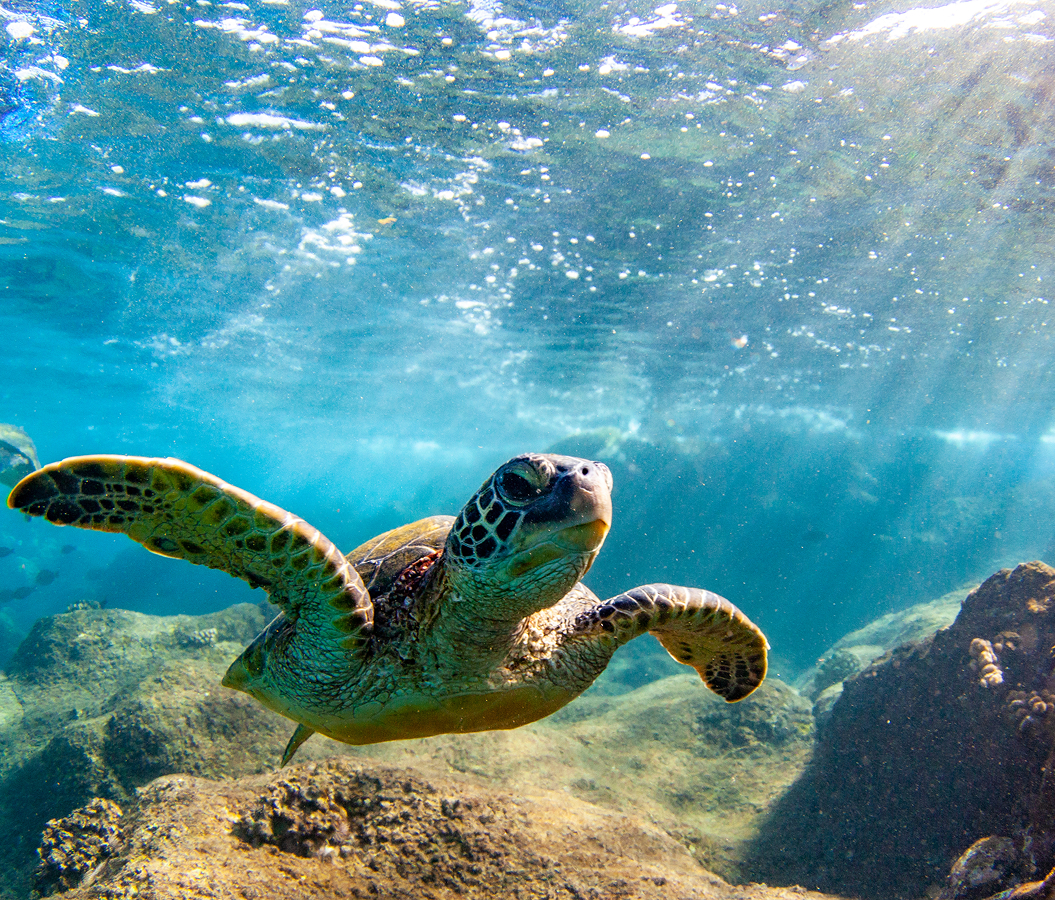
Kaloko-Honokōhau National Historical Park is best known for its exceptional preservation of ancient Hawaiian fishponds, coastal settlements, and traditional resource-management systems along the volcanic shoreline of North Kona. Established in 1978, the park protects an extensive archaeological landscape associated with the sophisticated agricultural and maritime practices of Native Hawaiian communities. Its celebrated Kaloko Fishpond incorporates substantial stone walls that created a managed coastal environment for raising fish, reflecting the technical achievements of traditional Hawaiian aquaculture. The nearby ʻAimakapā Fishpond preserves another important example of the relationship between coastal wetlands and traditional food production. Ancient residential sites, ceremonial structures, and portions of historic trails reveal the organization of Hawaiian settlements along the island's arid western coastline. The surrounding landscape incorporates extensive lava fields, native coastal vegetation, and marine habitats supporting endangered Hawaiian green sea turtles. The park's archaeological resources illuminate the relationship between environmental adaptation, social organization, and the sustainable management of coastal resources in precontact Hawaiʻi. Kaloko-Honokōhau National Historical Park represents one of the state's most significant archaeological landscapes through its preservation of traditional Hawaiian aquaculture and coastal settlement history.
Day 3: Puʻu Waʻawaʻa Forest Reserve
Puʻu Waʻawaʻa Forest Reserve is best known for its extraordinary volcanic landscape, distinctive geological formations, and extensive conservation areas along the northwestern slopes of Hualālai. The reserve encompasses a substantial landscape of dry forests, grasslands, and volcanic terrain shaped by the geological development of Hawaiʻi Island. Its celebrated Puʻu Waʻawaʻa cinder cone rises prominently above the surrounding countryside, displaying a distinctive furrowed surface formed through volcanic processes and subsequent erosion. The name Puʻu Waʻawaʻa translates to furrowed hill, reflecting the cone's unusual geological appearance within the broader volcanic landscape. The surrounding region preserves important examples of Hawaiian dryland ecosystems, including native plant communities adapted to relatively limited rainfall and extensive seasonal variation. Conservation initiatives emphasize the protection of threatened native species and the restoration of habitats affected by invasive plants, grazing, and historical land-use changes. Hiking routes traverse the reserve's varied terrain, revealing expansive views toward the Kohala Mountains, the Pacific coastline, and the surrounding volcanic slopes. Puʻu Waʻawaʻa Forest Reserve represents an exceptional expression of Hawaiʻi Island's geological and ecological diversity through its distinctive volcanic formations and protected dryland habitats.
Day 3: Moana
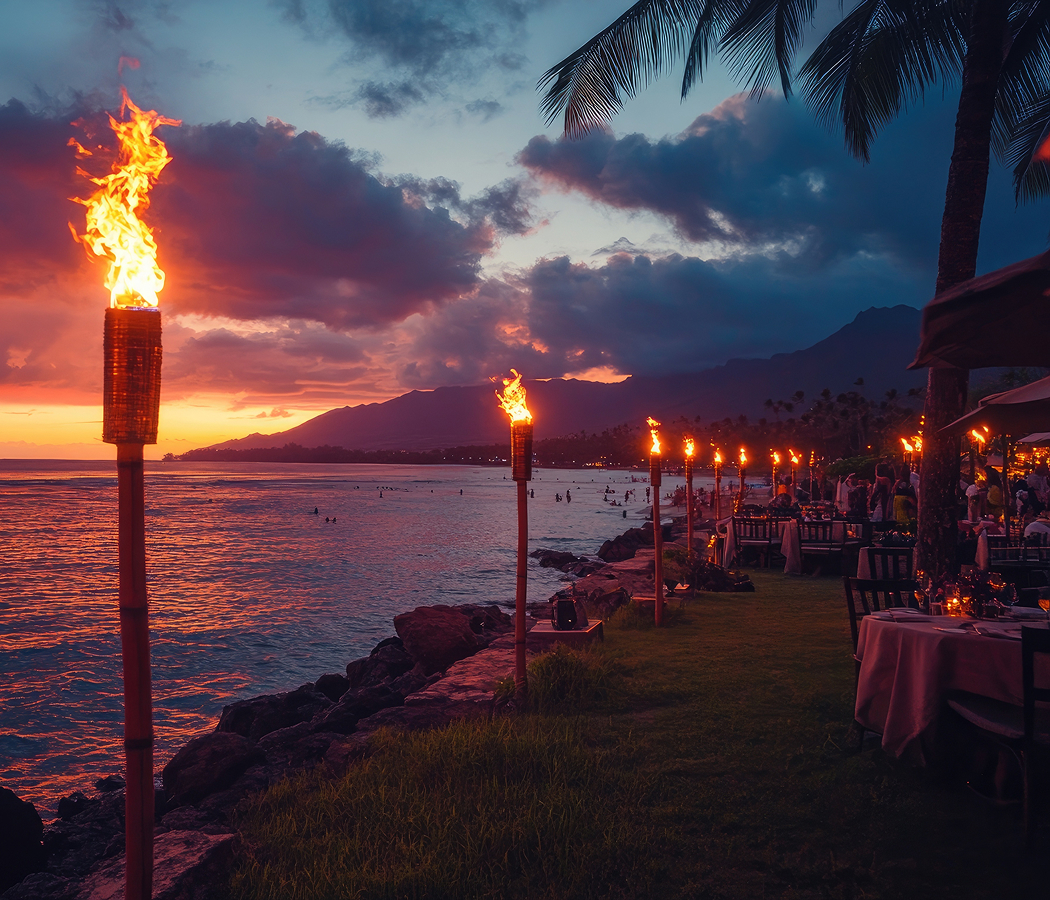
Moana is best known as the signature oceanfront restaurant of Kona Village, A Rosewood Resort, where Hawaiian ingredients and Pacific Rim culinary traditions converge along the historic coastline of Kaʻūpūlehu. The restaurant occupies a central position within the revived Kona Village resort, whose original incarnation opened in 1965 and became one of Hawaiʻi Island's most celebrated expressions of secluded coastal hospitality. Following the destruction caused by the 2011 tsunami, the property underwent an extensive redevelopment before reopening under Rosewood in 2023. Moana's culinary program emphasizes locally sourced seafood, seasonal produce, and preparations influenced by the wider Pacific, with Kona lobster, island fish, and contemporary seafood dishes connecting the kitchen to Hawaiʻi's marine environment. Its open-air dining setting overlooks the Pacific, bringing the resort's distinctive architectural character and dramatic Kona sunsets into a sophisticated evening experience.
Where your story begins.
Foresyte Travel reveals places that feel extraordinary long before you arrive.
Enjoy editorial crafted for luxury travelers.
Foresyte may earn a commission when you book.