Why Four Seasons Resort Hualalai matters.
Four Seasons Resort Hualalai is a coastal resort where Kaʻūpūlehu's ancient fishing culture meets Hawaiʻi Island's volcanic landscape, ocean traditions and modern standard of residential resort hospitality.
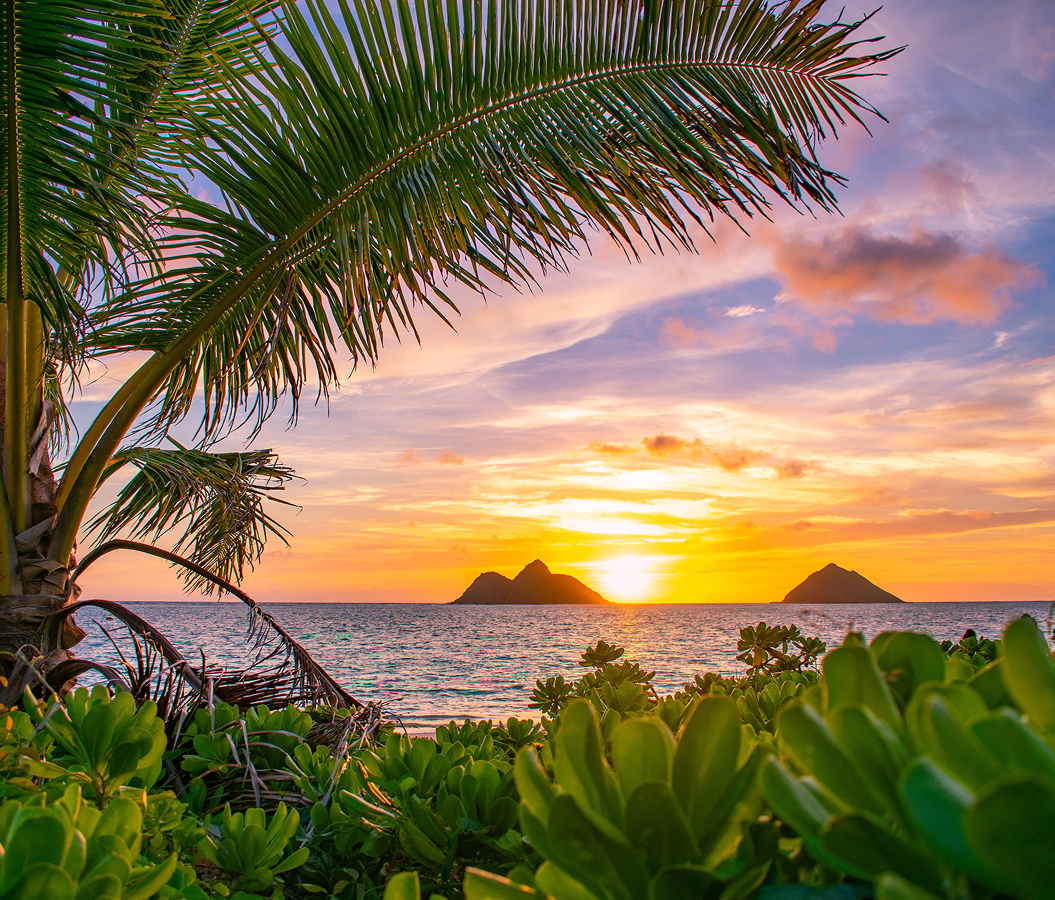
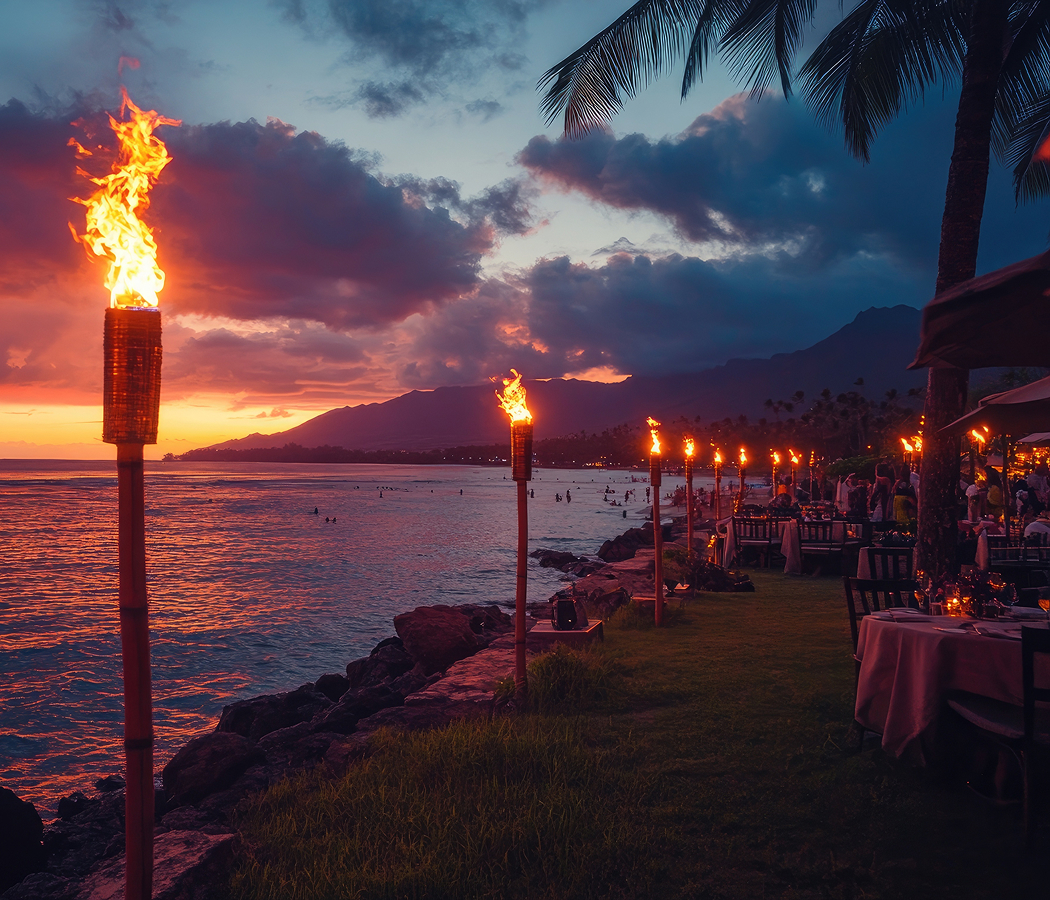
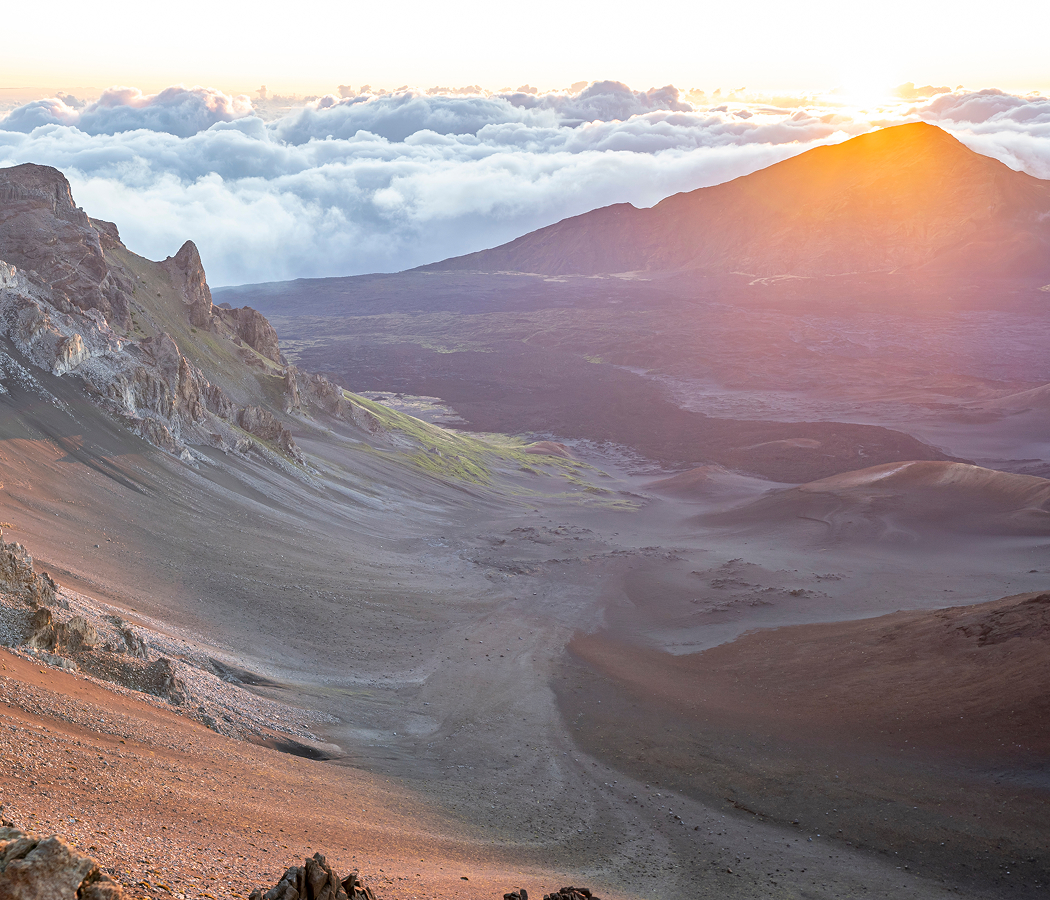
Occupying 72-100 Kaʻupulehu Drive on the Northwest Kona Coast, Four Seasons Resort Hualalai stretches along a half-mile beach between the black-lava fields of the Kohala Coast and the open Pacific, with Hualālai volcano rising inland and Kona International Airport to the south. The resort sits within a landscape of arid leeward coastline, scattered kiawe trees, exposed lava formations and sheltered bays formed by ancient volcanic flows. The coastal road links the property with Kailua-Kona, the resorts of the Kohala Coast and the beaches farther north, while inland roads climb gradually toward the slopes of Hualālai and the island's central uplands. The resort's low-rise buildings remain close to the shore, allowing the ocean, lava rock and horizon to define the surrounding space more strongly than any single structure. The Pacific opens westward across the resort's beaches and pools, while the landward view moves through golf greens, dry forest and volcanic ridges. The area's climate differs sharply from the wetter windward side of Hawaiʻi Island, creating a bright, dry coastal environment shaped by trade winds and ancient lava. The result is a resort positioned within the meeting point of ocean, volcano and the historic coastal settlement of Kaʻūpūlehu.
What defines Four Seasons Resort Hualalai.
Four Seasons Resort Hualalai emerged from the transformation of Kaʻūpūlehu, an ancient Hawaiian coastal settlement, into one of the Pacific's most distinguished residential resort communities. The land belonged to a traditional Hawaiian ahupuaʻa, a territorial division connecting upland resources with coastal fishing grounds through an integrated system of agricultural production, resource management and community stewardship. Kaʻūpūlehu's historical importance extended through generations of Hawaiian settlement, with fishing practices, coastal trails and natural brackish-water ponds reflecting the relationship between human habitation and the island's volcanic environment. Development of the modern resort began in 1989 under Kaʻūpūlehu Makai Ventures, whose managing general partner was affiliated with Japan's Kajima Corporation. An ambitious original construction program commenced in October 1990, involving Taisei Hawaii Corporation and Kajima Engineering & Construction. The international economic downturn interrupted development in 1991, leaving the project unfinished until a comprehensive redesign revived the investment in 1994. Architectural practice Hill Glazier Architects developed the resulting hotel around the spatial traditions of Hawaiian coastal settlements, drawing upon the low-rise post-and-beam construction, broad roof overhangs and open-air communal structures associated with historic island architecture. The master planning incorporated contributions from Belt Collins & Associates, establishing a relationship between hospitality development and the preservation of culturally and ecologically significant coastal features. The discovery of an ancient Hawaiian trail and anchialine pools influenced the landscape program, introducing conservation responsibilities into the property's architectural development. Landscape designer Bill Bensley contributed to the tropical gardens, connecting the resort's built environment with native vegetation, volcanic formations and the established character of the surrounding coastal landscape. Original interior designer James Northcutt Associates developed residential environments incorporating natural timber, woven surfaces and Hawaiian decorative traditions, reinforcing the architectural philosophy established by Hill Glazier. Four Seasons Resort Hualalai opened in September 1996, introducing a new model of luxury accommodation on Hawaiʻi Island through an extensive collection of individual bungalows organized around landscaped courtyards and open-air gathering spaces. The opening coincided with the inauguration of the Jack Nicklaus Signature golf course, establishing the first Nicklaus-designed championship course on the island. Hualālai subsequently hosted the inaugural MasterCard Championship in 1997, beginning an enduring association with professional senior golf and the PGA Tour Champions circuit. The resort received its first AAA Five Diamond Award in 1999, initiating an extended period of recognition within the American luxury hospitality industry. Residential development advanced alongside the hotel, with the Hualālai Club Membership Program introduced in 2002 and the Keʻolu golf course completed in 2004. A significant ownership transition followed in 2006, when Hualālai Investors acquired the resort community and Patrick Fitzgerald assumed its executive leadership. The property underwent a substantial transformation between 2020 and 2021, when San Francisco-based design practice BAMO directed a renovation exceeding $100 million. The project renewed the original accommodations, introduced additional residential-style suites and expanded three signature villas through substantial architectural interventions. Its completion coincided with the resort's twenty-fifth anniversary, preserving the original Hawaiian design philosophy through contemporary craftsmanship and a renewed emphasis on indoor-outdoor living. The wider development also incorporated the restoration of King's Pond and the introduction of the Kumu Kai Marine Center, extending the property's longstanding relationship with Hawaiian marine ecology into a dedicated conservation and educational program. Four Seasons Resort Hualalai represents a distinctive convergence of Hawaiian cultural preservation, Japanese-American development investment, internationally recognized resort architecture and the evolution of luxury residential hospitality on Hawaiʻi Island.
Where your story begins.
Foresyte Travel reveals places that feel extraordinary long before you arrive.
Enjoy editorial crafted for luxury travelers.