Top places to stay in Budapest, Hungary.
Budapest shaped its hospitality tradition through the grandeur of Habsburg imperial society, the commercial vitality of the Danube, and the celebrated thermal bathing culture of Hungary, establishing a European capital of elegant riverside accommodation, historic spa retreats, and sophisticated urban leisure. The Roman settlement of Aquincum established an early commercial and administrative center on the western bank of the Danube, where river transportation connected the province of Pannonia with the wider imperial economy. During the Middle Ages, Buda developed into a royal seat of the Kingdom of Hungary, attracting merchants, diplomats, and foreign visitors to the fortified settlement surrounding its castle. The reign of Matthias Corvinus during the fifteenth century brought Renaissance artistic patronage to the royal court, strengthening Buda's connections with the cultural institutions of Italy and Central Europe. Ottoman conquest in 1541 transformed the city's political and social institutions, introducing Turkish bathing traditions that became an enduring element of Budapest's hospitality identity. Following the Habsburg reconquest of Buda in 1686, the rebuilding of aristocratic residences, religious institutions, and commercial districts encouraged renewed development along both banks of the Danube. The nineteenth century brought decisive change through industrialization, expanding river commerce, and the political aspirations of Hungary's reform movement. The opening of the Széchenyi Chain Bridge in 1849 established the first permanent bridge connecting Buda and Pest, encouraging commercial integration and the development of substantial metropolitan infrastructure. The formal unification of Buda, Pest, and Óbuda in 1873 created Budapest, establishing the administrative foundations for an ambitious period of urban expansion. Grand boulevards, grand public institutions, and prestigious residential buildings transformed Pest into a sophisticated European capital, attracting merchants, aristocrats, and international travelers. The opening of the Grand Hotel Hungaria in 1873 introduced a distinguished model of metropolitan accommodation associated with the city's growing commercial importance. The Hungarian Millennium celebrations of 1896 accelerated investment in transportation and civic architecture, including the inauguration of continental Europe's first underground railway beneath Andrássy Avenue. The opening of the Royal Hotel in 1896 established another grand hospitality institution, with elaborate public interiors and substantial accommodation designed for an increasingly international clientele. The completion of the Gresham Palace in 1906 introduced an exceptional expression of Hungarian Art Nouveau architecture overlooking the Danube, originally housing offices and prestigious apartments before its eventual conversion into a luxury hotel. The First World War and the dissolution of Austria-Hungary disrupted Budapest's international commercial relationships, although its grand cafés, thermal baths, and established hotels continued to sustain a distinctive metropolitan culture. The Second World War brought extensive destruction to the city, particularly during the Siege of Budapest in 1944-1945, when numerous historic buildings and bridges suffered catastrophic damage. The subsequent socialist period introduced substantial changes to the hospitality industry, with state-controlled hotels serving diplomatic visitors and travelers from neighboring countries. The political transformation of 1989 encouraged renewed international investment and the restoration of historic properties, reconnecting Budapest with the wider European luxury travel market. The reopening of Gresham Palace as the Four Seasons Hotel Budapest in 2004 exemplified the architectural restoration of the city's grand hospitality inheritance. Contemporary investment has extended prestigious accommodation into former banking headquarters, historic palaces, and distinguished commercial buildings, preserving the architectural legacy of an imperial capital whose relationship with the Danube remains central to its identity.
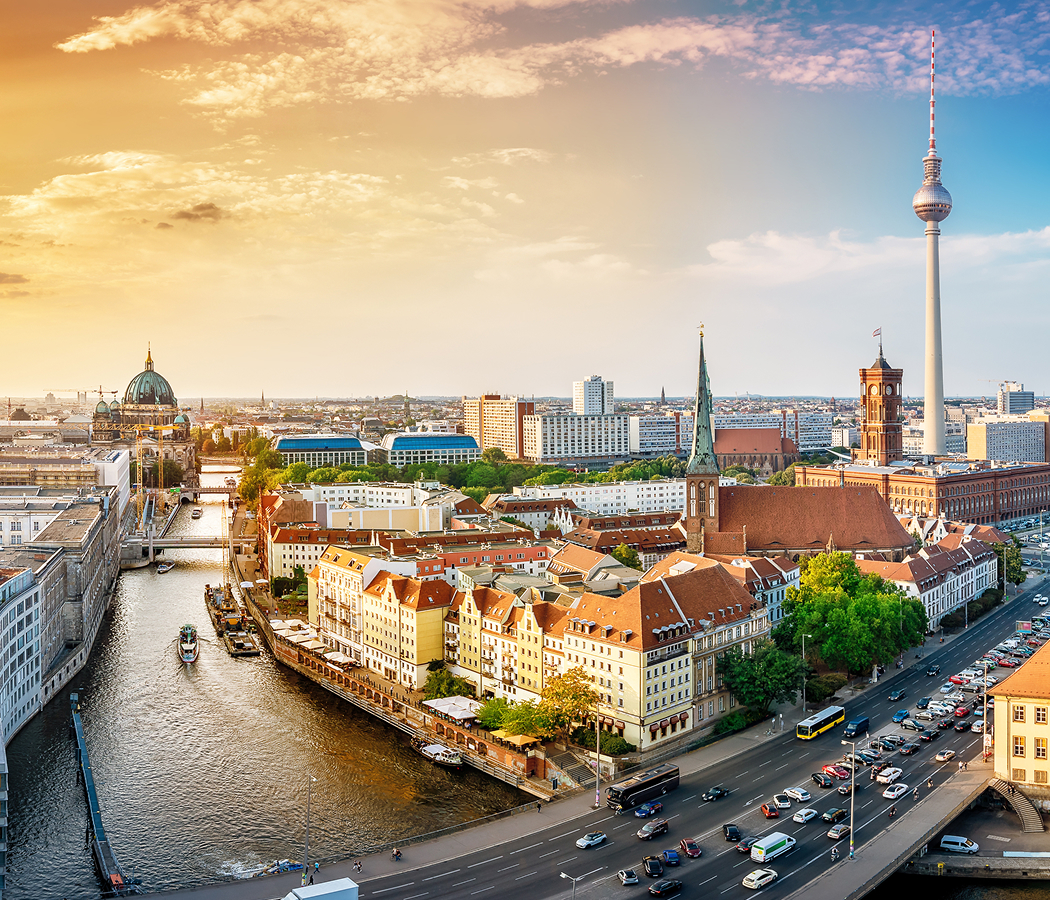
Budapest's most compelling places to stay occupy a dramatic urban landscape divided by the Danube, where the grand avenues of Pest face the wooded hills and historic royal precincts of Buda. The river establishes the city's principal geographic distinction, with grand hotels occupying prestigious waterfront positions overlooking the Hungarian Parliament Building, Buda Castle, and the illuminated bridges connecting the two banks. Pest forms the commercial and cultural heart of metropolitan hospitality, with substantial nineteenth-century buildings and contemporary luxury properties extending through the historic central districts. The streets surrounding Széchenyi István Square preserve a distinguished concentration of grand architecture, including the restored Gresham Palace, whose elaborate stonework, decorative ironwork, and glazed interior spaces reflect the sophistication of Hungarian Art Nouveau. Southward, the Danube Promenade provides a prestigious setting for waterfront hotels overlooking Castle Hill and the historic skyline of Buda. The adjoining Belváros district retains the architectural character of nineteenth-century commercial Budapest, with substantial stone façades, decorative courtyards, and elegant pedestrian streets connecting accommodation with established restaurants and cultural institutions. Around Vörösmarty Square, grand hotels occupy prominent positions near historic cafés, luxury retail establishments, and the principal commercial avenues of the city center. Northeast of the waterfront, the streets surrounding St. Stephen's Basilica offer a refined metropolitan environment through grand religious architecture, prestigious residential buildings, and intimate luxury hotels. The neighboring Lipótváros district extends toward Parliament through broad avenues and substantial administrative buildings, providing a distinguished setting for accommodation near the political institutions of Hungary. Andrássy Avenue forms Budapest's principal ceremonial boulevard, extending from the historic center toward Heroes' Square through an architectural succession of aristocratic residences, elaborate apartment buildings, and prestigious cultural institutions. Its Neo-Renaissance façades and grand public buildings establish an exceptional environment for grand hotels and restored historic properties. The adjoining Terézváros district preserves substantial nineteenth-century residential architecture, with boutique hotels occupying former apartment buildings near the Hungarian State Opera House and established commercial streets. South of the principal boulevard, Erzsébetváros introduces a contrasting urban environment through the historic Jewish Quarter, where intimate courtyards, former commercial buildings, and substantial residential blocks support a concentration of boutique accommodation. The district's distinctive architecture and cultural institutions create an energetic setting closely associated with contemporary Budapest. Across the Danube, Castle Hill occupies an elevated position above the western riverbank, preserving a historic district of Baroque residences, medieval streets, and grand royal architecture. Boutique hotels and intimate guesthouses occupy carefully restored properties near Matthias Church and Fisherman's Bastion, offering panoramic views across the river toward the Parliament Building and Central Pest. The surrounding Víziváros neighborhood extends along the western waterfront through established residential streets and historic commercial buildings, supporting accommodation within walking distance of the principal bridges and the Buda Castle district. Farther south, Gellért Hill rises steeply above the Danube, introducing a landscape of wooded slopes, grand viewpoints, and substantial historic properties overlooking the metropolitan center. The neighboring streets of Újbuda preserve a more residential environment, with early twentieth-century buildings and established cultural institutions supporting contemporary accommodation near the river. North of the historic center, Margaret Island occupies a landscaped position within the Danube, providing a secluded environment distinguished by gardens, recreational facilities, and thermal bathing institutions. The surrounding riverbanks connect the island with the prestigious residential districts of northern Buda and Pest, whose substantial historic buildings and broad avenues offer quieter metropolitan settings. These contrasting environments establish a distinctive hospitality geography extending from grand Danube-facing palaces and grand boulevard hotels to intimate Castle Hill residences and secluded riverside retreats, each shaped by Budapest's imperial architecture and exceptional riverfront setting. Foresyte may earn a commission when you book.
Foresyte Travel's top five choices.
5. Anantara New York Palace Budapest Hotel
Anantara New York Palace Budapest Hotel occupies the former headquarters of the New York Life Insurance Company, completed in 1894 as Budapest's rapid metropolitan expansion transformed the Grand Boulevard into one of the Austro-Hungarian capital's principal urban corridors. Architect Alajos Hauszmann collaborated with Flóris Korb and Kálmán Giergl on the eclectic palace, combining Italian Renaissance forms with elaborate sculpture, marble, gilding and grand interiors conceived to project the power of the American insurer. The New York Café became the building's cultural center, attracting writers and journalists including Ferenc Molnár and Dezső Kosztolányi during the extraordinary flowering of Budapest's literary café culture around the turn of the twentieth century. Its restoration and conversion into a luxury hotel preserved the palace and café as a unified architectural ensemble, carrying a major work of Hungarian historicism and one of the city's defining literary institutions into contemporary hospitality.
4. Párisi Udvar Hotel Budapest – The Unbound Collection by Hyatt
Párisi Udvar Hotel Budapest occupies the former Brudern House, completed in 1913 to designs by Henrik Schmahl on a site associated with one of Budapest's earliest purpose-built shopping passages. Schmahl combined Gothic, Moorish and Art Nouveau influences across an extraordinary commercial arcade filled with stained glass, ceramic decoration, carved ornament and a vaulted glass roof, producing one of the most elaborate interiors of prewar Budapest. The building deteriorated substantially during the twentieth century before an extensive restoration revived its protected façade, passage and decorative program for conversion into a hotel. Its 2019 reopening returned the historic arcade to public life and preserved an exceptional architectural record of the commercial wealth and stylistic experimentation that characterized Budapest during the final decades of the Austro-Hungarian Empire.
3. Aria Hotel Budapest by Library Hotel Collection
Aria Hotel Budapest occupies a nineteenth-century building beside St. Stephen's Basilica, placing the property within the grand urban district that developed around Budapest's largest church. Designer Zoltán Varró organized the hotel around music, dividing its interiors among classical, opera, jazz and contemporary traditions and commissioning spaces that translate musical references into furnishings, artwork and architectural details. A keyboard pattern embedded into the courtyard floor extends beneath a glass enclosure, turning the building's central circulation space into the clearest physical expression of the concept. The property gives Budapest's longstanding musical culture a highly specific architectural treatment within sight of the basilica, using composition and performance history as the organizing structure of the hotel itself.
2. Matild Palace, a Luxury Collection Hotel, Budapest
Matild Palace occupies one of a pair of grand neo-Baroque palaces commissioned by Princess Clotilde of Saxe-Coburg and Gotha at the Pest approach to Elisabeth Bridge and completed in 1902 under architects Kálmán Giergl and Flóris Korb. The mirrored buildings were conceived as a ceremonial gateway to the bridge, giving their towers, sculptural façades and prominent corner sites a direct role in Budapest's transformation into an imperial metropolis around the turn of the twentieth century. Matild Palace also housed the historic Belvárosi Kávéház, which became a prominent meeting place within the city's celebrated café culture. A multiyear restoration preceded the property's 2021 reopening under The Luxury Collection, returning one half of this extraordinary architectural pair to active use within the urban composition for which Giergl and Korb originally designed it.
1. Four Seasons Hotel Gresham Palace Budapest
Four Seasons Hotel Gresham Palace Budapest occupies the former Gresham Life Assurance Company headquarters, completed in 1906 at the eastern terminus of the Chain Bridge on one of the most commanding sites along the Danube. Architects Zsigmond Quittner and József Vágó created a major work of Hungarian Secession architecture through an iron-and-glass arcade, curving staircases, mosaics, stained glass and extensive ceramic ornament from the Zsolnay factory. The building suffered wartime damage and decades of deterioration under communist-era apartment use before an extensive restoration revived its architectural program and adapted the palace as a hotel. Its 2004 reopening preserved a defining work of Budapest Art Nouveau at the precise point where the Chain Bridge connects Pest with Buda, joining the city's architectural, commercial and riverfront history within one grand composition.
Where your story begins.
Foresyte Travel reveals places that feel extraordinary long before you arrive.
Enjoy editorial crafted for luxury travelers.
Foresyte may earn a commission when you book.