Top places to stay in Mexico City, Mexico.
Mexico City rose from the ceremonial heart of the Mexica Empire into the political and commercial capital of New Spain, establishing an urban legacy that shaped centuries of Mexican history. Founded as Tenochtitlan in 1325 on an island in Lake Texcoco, the city connected distant trading communities through its causeways, canals, and expansive marketplaces. Following the Spanish conquest in 1521, the colonial capital attracted royal officials, merchants, clergy, and travelers moving through an expanding network of roads. Inns and coaching houses developed around its principal squares and commercial routes. Independence in 1821 introduced new diplomatic relationships, and nineteenth-century railway construction strengthened connections with Veracruz and the Mexican interior. During the Porfiriato, European investment, industrial wealth, and ambitious urban improvements encouraged a more elaborate culture of international hospitality. The Hotel Geneve opened in 1907, bringing fashionable European-inspired luxury to a capital increasingly engaged with foreign commerce. The Mexican Revolution disrupted this prosperous social world, and subsequent decades brought new national institutions, expanding transportation networks, and renewed architectural experimentation. The Hotel Majestic opened overlooking the Zócalo in 1937, placing distinguished accommodation directly beside the country's principal ceremonial square. The Hotel del Prado followed in 1947 near Alameda Central, becoming a landmark of metropolitan society and the original setting for Diego Rivera's expansive mural Dream of a Sunday Afternoon in Alameda Central. The capital's transformation accelerated during the 1960s as industrial growth, international business, and preparations for the Olympic Games encouraged substantial investment. Ricardo Legorreta's Camino Real Polanco opened in 1968, introducing an influential interpretation of Mexican modernism through expansive geometry, vivid color, and integrated artistic commissions. The Summer Olympics that year brought an international audience to the city, and the 1970 FIFA World Cup reinforced its importance within global tourism. The devastating 1985 earthquake damaged numerous historic and modern buildings, prompting extensive reconstruction and preservation efforts. During the following decades, corporate expansion along Paseo de la Reforma supported contemporary luxury towers, and renewed investment in historic neighborhoods encouraged the restoration of mansions and commercial landmarks. Mexico City's present hospitality landscape reflects this layered evolution, connecting colonial commerce, republican ambition, revolutionary transformation, and modern architectural innovation within one of the Americas' great capitals.
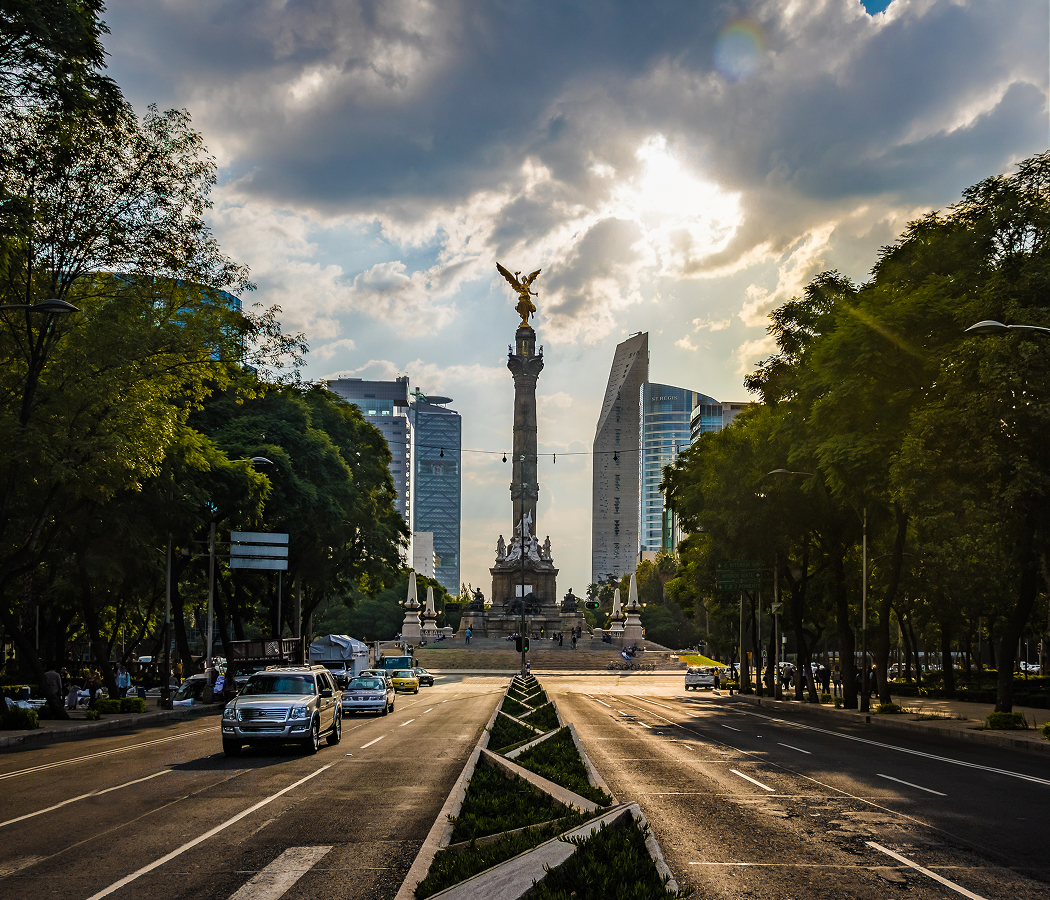
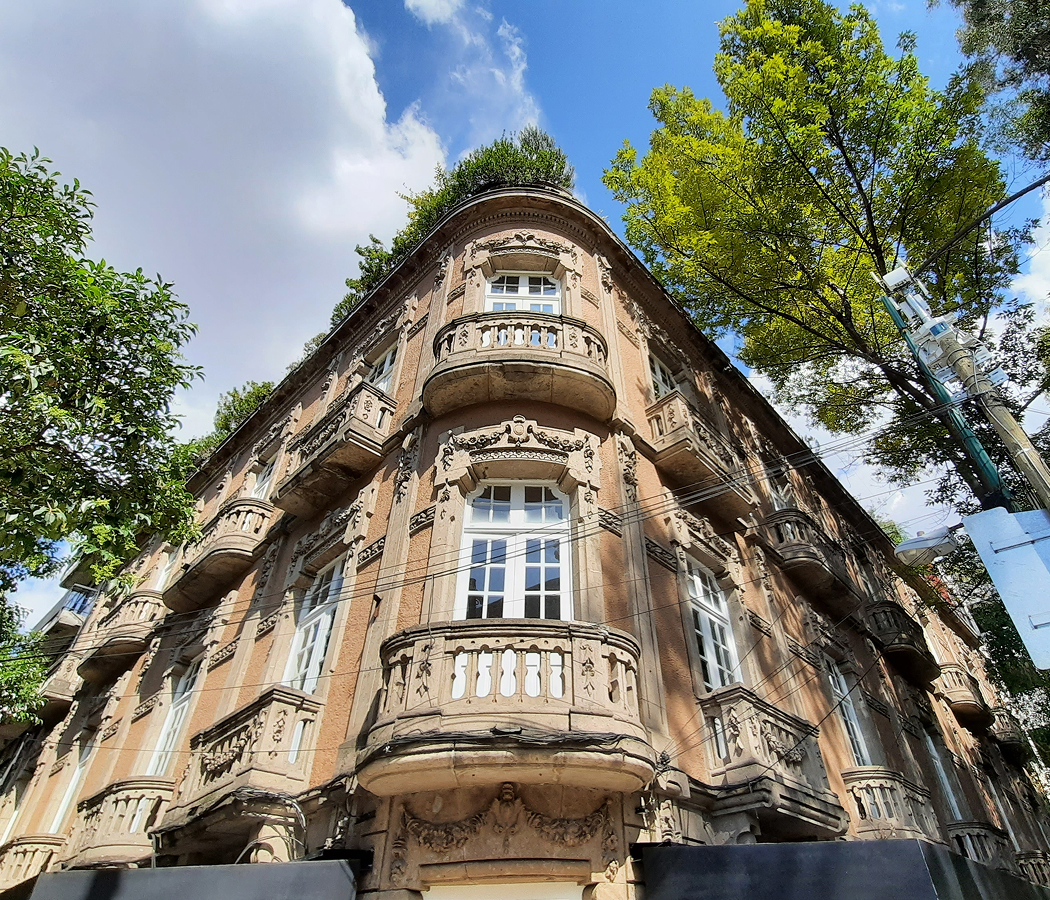
Mexico City spreads across a high-altitude basin surrounded by volcanic mountains, its immense urban fabric organized around historic ceremonial spaces, expansive boulevards, and neighborhoods with remarkably distinct architectural identities. The Centro Histórico provides the most concentrated encounter with the capital's colonial inheritance. Around the Zócalo, expansive stone façades, arcaded courtyards, and ornate ecclesiastical buildings establish an imposing architectural setting. Boutique properties occupy restored palaces and commercial structures along narrow streets, placing visitors near major museums, traditional restaurants, and public squares. Westward, the Alameda Central district combines landscaped promenades, Belle Époque landmarks, and substantial commercial architecture. Its established properties provide convenient access to cultural institutions and the surrounding downtown streets. Paseo de la Reforma extends northwest through the city as a grand metropolitan avenue, connecting historic monuments with corporate towers and contemporary luxury properties. Hotels near the Ángel de la Independencia occupy prominent sites among international offices, distinguished restaurants, and major shopping streets. Immediately south, Roma Norte presents a more intimate environment through early twentieth-century mansions, tree-lined avenues, decorative façades, and carefully restored residential buildings. Design-oriented boutique properties incorporate internal courtyards, rooftop terraces, and contemporary interiors within the neighborhood's eclectic architectural fabric. Neighboring Condesa offers a greener residential landscape organized around Parque México and Parque España, where curving streets, Art Deco apartment buildings, and landscaped medians create an unusually graceful urban setting. Smaller luxury properties provide access to independent cafés, galleries, and restaurants within a highly walkable district. North of Chapultepec, Polanco forms the capital's most established concentration of international luxury accommodation. Broad avenues, sophisticated retail streets, and substantial contemporary buildings surround the neighborhood's principal hospitality addresses. The streets near Avenida Presidente Masaryk combine prestigious boutiques with distinguished dining establishments, and the proximity of Chapultepec Park provides convenient access to extensive gardens and cultural institutions. Farther west, the Santa Fe district occupies a dramatically different landscape of steep terrain, contemporary skyscrapers, and expansive mixed-use developments. Large business properties serve corporate travelers near modern commercial complexes and major office headquarters. Southward, Coyoacán preserves an intimate historic environment through cobblestone streets, colorful houses, shaded plazas, and substantial colonial-era residences. Smaller guesthouses and carefully restored properties provide a residential setting around neighborhood markets and cultural attractions. Nearby San Ángel offers another refined southern alternative, with historic stone houses, enclosed gardens, and narrow streets recalling its former character as a separate village. Across Mexico City, the physical experience of staying in the capital changes profoundly between expansive downtown architecture, leafy residential enclaves, contemporary business districts, and secluded historic courtyards. Foresyte may earn a commission when you book.
Foresyte Travel's top five choices.
5. Sofitel Mexico City Reforma
Sofitel Mexico City Reforma opened in 2019 on Paseo de la Reforma, placing the French hospitality brand on the boulevard created under Emperor Maximilian I during the 1860s to connect Chapultepec Castle with the imperial center. The hotel occupies a slender glass tower rising beside a preserved twentieth-century house, combining two dramatically different periods of the avenue's architectural development. Local firm Rojkind Arquitectos contributed to the project, with interiors combining Mexican materials and artistic references with Sofitel's French design heritage. Its height establishes broad visual relationships with Chapultepec, the Ángel de la Independencia, and the increasingly vertical Reforma corridor. Sofitel Mexico City Reforma captures the latest phase in the boulevard's progression from imperial ceremonial avenue to one of Latin America's most concentrated districts of corporate and hospitality architecture.
4. The Ritz-Carlton, Mexico City
The Ritz-Carlton, Mexico City opened in 2021 within Chapultepec Uno, a 58-story tower rising where Paseo de la Reforma meets the eastern edge of Chapultepec Park. Taller G designed the building as a sharply vertical mixed-use structure containing hospitality, residences, and commercial space on one of the capital's most prominent urban sites. The hotel occupies the tower's upper levels, establishing direct visual relationships with Chapultepec Castle, the park, and the dense skyline extending east along Reforma. Its arrival formed part of a major cycle of high-rise construction that dramatically increased the avenue's architectural scale during the early twenty-first century. The Ritz-Carlton places international hospitality inside the vertical transformation of the historic corridor connecting Central Mexico City with Chapultepec.
3. The St. Regis Mexico City
The St. Regis Mexico City opened in 2009 within the Torre Libertad on Paseo de la Reforma, introducing the Astor-founded hotel brand to one of the capital's principal ceremonial and financial corridors. Argentine-American architect César Pelli designed the slender tower with a curving glass facade that responds to its prominent position near the Diana the Huntress fountain. The project arrived during a period when Reforma was acquiring a new generation of high-rise buildings after decades of comparatively restrained vertical development. St. Regis placed its New York hospitality lineage inside this changing skyline, extending a brand founded by John Jacob Astor IV in 1904 into the Mexican capital. The hotel became an early architectural marker of the construction cycle that transformed Reforma into Mexico City's defining twenty-first-century skyscraper corridor.
2. Las Alcobas, a Luxury Collection Hotel, Mexico City
Las Alcobas occupies a former residence on Avenida Presidente Masaryk in Polanco, the district developed across former hacienda land during Mexico City's twentieth-century westward expansion. Yabu Pushelberg transformed the property around a sculptural spiral staircase, dark woods, stone, custom furnishings, and a sequence of intimate residential spaces. The hotel opened in 2009 as an independent project before joining Marriott's Luxury Collection, giving a locally conceived boutique property access to an international hospitality network. Its location on Presidente Masaryk places it along the commercial avenue that became Polanco's principal concentration of international fashion houses, restaurants, and high-end retail. Las Alcobas translates the residential origins of Polanco into a small-scale hotel embedded within one of the capital's most consequential twentieth-century neighborhoods.
1. Four Seasons Hotel Mexico City
Four Seasons Hotel Mexico City opened in 1994 on Paseo de la Reforma beside Chapultepec Park, establishing the Canadian company in the Mexican capital during an important period of international investment. Architect Javier Sordo Madaleno organized the property around a large interior courtyard, drawing the building inward from the traffic and expansive scale of Reforma through arcades, landscaping, and classically proportioned facades. Its site stands along the historic avenue created under Emperor Maximilian I to connect Chapultepec Castle with the imperial city during the Second Mexican Empire. A major renovation led by Gilles & Boissier reworked the interiors while preserving the courtyard as the architectural center of the property. Four Seasons occupies a pivotal Reforma site where nineteenth-century imperial planning, twentieth-century hotel development, and the capital's modern international economy converge.
Where your story begins.
Foresyte Travel reveals places that feel extraordinary long before you arrive.
Enjoy editorial crafted for luxury travelers.
Foresyte may earn a commission when you book.