Top places to stay in Vietnam.
Da Nang's rise as one of Vietnam's leading coastal hotel destinations began at a natural harbor whose commercial importance connected the Central Vietnamese coast with the trading networks of East and Southeast Asia. The surrounding region formed part of the Champa kingdoms, whose maritime commerce and Hindu religious traditions shaped Central Vietnam for centuries. Vietnamese expansion gradually brought the area under the authority of the Nguyễn lords, and the port developed as an important maritime gateway to the imperial capital at Huế. During the nineteenth century, the Nguyễn dynasty regulated foreign trade through coastal ports, with Da Nang serving vessels entering the region. French colonial forces attacked the harbor in 1858, beginning a military campaign that contributed to the eventual establishment of French rule in Vietnam. The port became known as Tourane under colonial administration, supporting shipping, railway connections, and commercial development. Early lodging catered principally to merchants, officials, and travelers moving between the coast and the interior. The completion of major sections of the north, south railway strengthened Da Nang's position as a transportation center during the early twentieth century. The Vietnam War transformed the city's infrastructure following the arrival of American combat troops in 1965. The expansion of military airfields and port facilities brought extensive construction, although the conflict severely disrupted civilian life and regional tourism. Following reunification in 1975, Da Nang developed as an industrial and transportation center within the Socialist Republic of Vietnam. Economic reforms introduced under Đổi Mới in 1986 encouraged private enterprise and international investment, establishing the conditions for a modern visitor economy. The opening of the Furama Resort Danang in 1997 marked a turning point in luxury coastal hospitality, introducing an international-standard beachfront resort south of the city center. Da Nang became a centrally governed municipality that same year, gaining greater administrative autonomy and accelerating urban development. Investment in roads, bridges, and airport facilities subsequently improved connections with domestic and international markets. The opening of the InterContinental Danang Sun Peninsula Resort in 2012 introduced a distinctive luxury property on the forested slopes of the Sơn Trà Peninsula, expanding the destination's reputation for architectural ambition and secluded coastal accommodation. The completion of the Dragon Bridge in 2013 reinforced the city's contemporary character through a landmark crossing of the Hàn River. Further resort development extended along the shoreline toward Hội An, establishing Da Nang as a gateway to Central Vietnam's beaches, historic towns, and cultural landscapes.
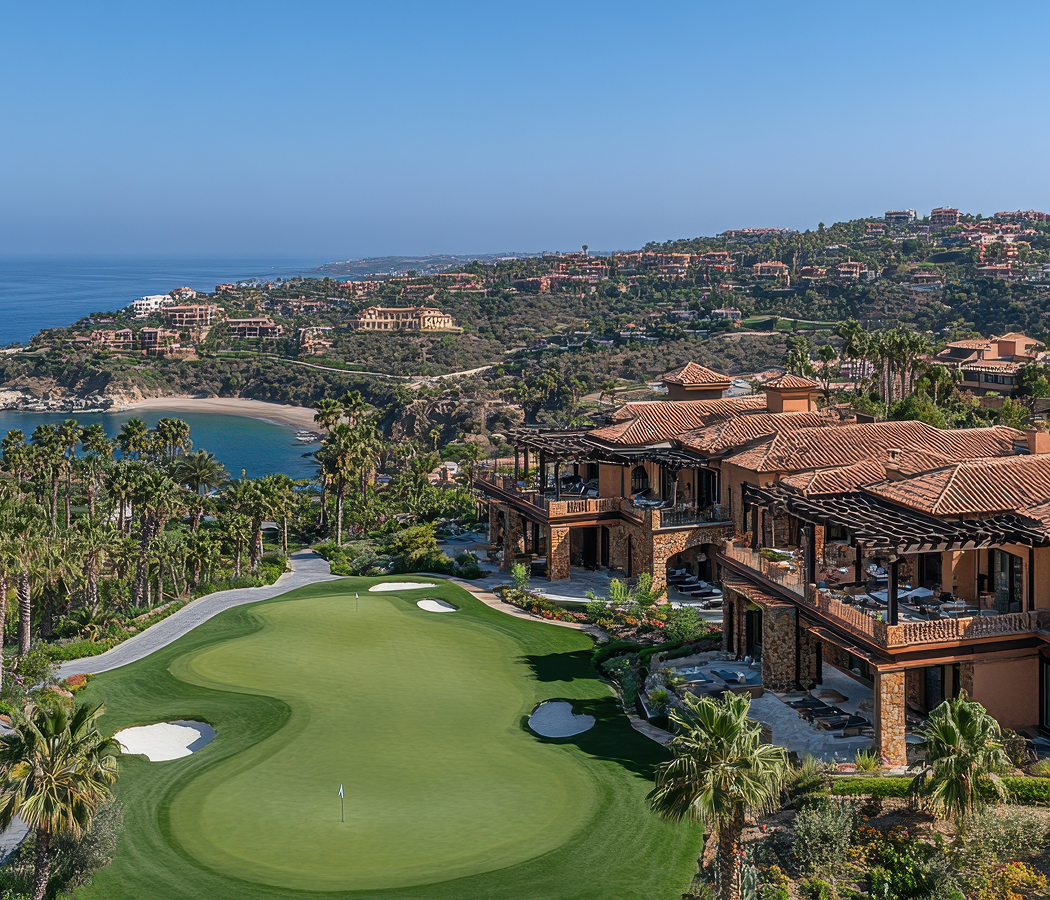
Da Nang's accommodation landscape extends along a broad crescent of sandy coastline and across the Hàn River, with hotel districts shaped by ocean views, forested headlands, and the city's expanding commercial center. The Hải Châu district occupies the western bank of the river, forming Da Nang's principal civic and business center through broad avenues, contemporary towers, and established commercial streets. Hotels near Bạch Đằng Street overlook the waterfront promenade, offering convenient access to restaurants, markets, and the illuminated bridges connecting the city's two banks. The district's urban character combines substantial modern buildings with older commercial properties, creating a practical setting for travelers seeking cultural attractions and transportation connections. Across the river, Sơn Trà district introduces a more coastal environment through contemporary hotels, residential towers, and streets extending toward the beach. The An Hải area occupies a desirable position near the river crossings, with accommodation offering views toward the central skyline and convenient access to the oceanfront. Southward, the Mỹ Khê beachfront forms Da Nang's principal concentration of seaside hotels, extending along a broad shoreline of pale sand and gently sloping coastal terrain. High-rise properties occupy prominent positions along Võ Nguyên Giáp Street, with expansive glazing, rooftop terraces, and contemporary interiors emphasizing views across the East Sea. The surrounding An Thượng neighborhood contains smaller boutique hotels, serviced apartments, and lively commercial streets with restaurants and cafés catering to international visitors. Farther south, the Bắc Mỹ An area introduces a more spacious resort environment through substantial beachfront properties and landscaped grounds near the southern reaches of the urban shoreline. Its setting offers access to quieter sections of beach and the coastal route toward the Marble Mountains. The Ngũ Hành Sơn district extends through a developing corridor of luxury resorts, golf landscapes, and residential properties arranged between the sea and the foothills. The Marble Mountains rise abruptly from the surrounding coastal plain, their limestone and marble formations providing a dramatic landmark above the nearby hotels. Resorts along this coastline occupy extensive grounds with tropical gardens, reflecting pools, and direct access to long stretches of sand. North of the central beaches, the Sơn Trà Peninsula presents a contrasting landscape of steep forested slopes, secluded coves, and rugged headlands overlooking the sea. Luxury accommodation occupies terraced hillside settings, with substantial villas and intimate pavilions integrated into the surrounding tropical vegetation. The peninsula's elevated positions offer panoramic views across Da Nang Bay and the distant coastline. West of the central city, the neighborhoods surrounding Da Nang International Airport provide practical accommodation near major transportation connections and commercial districts. Farther northwest, Thanh Khê extends along the northern waterfront through established residential areas and local commercial streets, with smaller hotels near the coast. Beyond the urban center, the coastal road toward Hội An connects a succession of beachfront resort properties with the historic landscapes of Quảng Nam province. These settings provide accommodation ranging from contemporary riverfront hotels and lively beachfront towers to expansive luxury resorts and secluded forest retreats overlooking Central Vietnam's remarkable coastline. Foresyte may earn a commission when you book.
Foresyte Travel's top five choices.
5. Pullman Danang Beach Resort
Pullman Danang Beach Resort occupies a broad beachfront site along the corridor connecting Central Da Nang with the limestone formations of the Marble Mountains. The property originated as the Lifestyle Resort Da Nang before entering Accor's Pullman portfolio, linking an established coastal resort with the French hospitality group's international expansion in Vietnam. Low-rise buildings, gardens, water features, and direct orientation toward the East Sea reflect the resort development that transformed Da Nang's eastern shoreline during the city's rapid twenty-first-century growth. Its location near the mouth of the Han River places the property between the urban core and the extensive resort corridor extending south toward Hội An. Pullman Danang represents the international hotel investment that accompanied Da Nang's emergence from a regional port into one of Vietnam's principal coastal destinations.
4. Naman Retreat
Naman Retreat occupies the coastal corridor between Da Nang and Hội An, where rapid resort development has transformed former beachfront and agricultural land south of the Marble Mountains. Vietnamese architect Võ Trọng Nghĩa shaped major portions of the property around bamboo, vegetation, natural ventilation, water, and deeply shaded spaces, applying principles that have defined his internationally recognized approach to tropical architecture. The Hay Hay restaurant uses expansive bamboo vaults to create a large column-free interior, turning a renewable regional material into the principal structural and visual element. Other buildings integrate planted roofs, perforated stone screens, courtyards, and reflecting pools into the resort's environmental composition. Naman Retreat gives contemporary Vietnamese architecture a defining role within the luxury development of Da Nang's southern coast.
3. Furama Resort Danang
Furama Resort Danang opened in 1997 along the beachfront south of Central Da Nang, placing an international-standard resort on a coastline still early in its transformation into a major tourism district. Its development preceded the dense concentration of luxury properties that subsequently extended toward the Marble Mountains and Hội An, giving Furama an important position in the modern history of the city's resort economy. Low-rise architecture, landscaped grounds, tiled roofs, timber details, and broad garden courts established a tropical resort composition closely oriented toward the sea. The property subsequently hosted major diplomatic and international gatherings as Da Nang assumed a larger role in Vietnam's economic and political engagement with the Asia-Pacific region. Furama became an early catalyst in the evolution of Da Nang's coastline from a lightly developed beachfront into an internationally recognized resort corridor.
2. Hyatt Regency Danang Resort and Spa
Hyatt Regency Danang Resort and Spa occupies Non Nuoc Beach at the foot of the Marble Mountains, placing the property beside a landscape long associated with Buddhist sanctuaries, stone carving, and the historic route between Da Nang and Hội An. The resort opened in 2011 during an intense period of hospitality and real-estate development along the city's southern coastline. Australian firm Indochina Capital developed the project with architecture by RMJM, organizing low-rise buildings and residences around courtyards, water, tropical landscaping, and direct connections to the beach. Local stone and regional architectural references connect the modern complex with the material traditions of nearby Non Nuoc, whose carving community has worked marble and other stone for generations. Hyatt Regency became part of the large-scale coastal expansion that established the Da Nang-Hội An corridor as a major international resort region.
1. InterContinental Danang Sun Peninsula Resort
InterContinental Danang Sun Peninsula Resort occupies a secluded bay on the Sơn Trà Peninsula, a forested mountain rising from the sea north of Central Da Nang. Sun Group developed the property with architect and designer Bill Bensley, whose dramatic composition descends the steep terrain through four levels named Heaven, Sky, Earth, and Sea. A funicular links the hillside levels, turning the peninsula's extreme elevation change into the organizing mechanism of the resort rather than flattening the site into a conventional coastal complex. Bensley combined Vietnamese architectural references, black-and-white geometries, carved details, temple-inspired forms, and extensive tropical landscaping across the mountainside. The resort established Sơn Trà's exceptional topography as the foundation for one of Vietnam's most architecturally ambitious hospitality developments.
Where your story begins.
Foresyte Travel reveals places that feel extraordinary long before you arrive.
Enjoy editorial crafted for luxury travelers.
Foresyte may earn a commission when you book.