Top places to stay in Mont-Tremblant, Québec.
Mont-Tremblant owes its hospitality heritage to the Laurentian Mountains of Quebec, where French-Canadian village traditions, the arrival of railway tourism, and the growth of winter sports established a celebrated alpine retreat distinguished by lakeside resorts, mountain chalets, and year-round outdoor recreation. The region's early communities developed around forestry, agriculture, and the rivers connecting the Laurentians with the St. Lawrence Valley. During the nineteenth century, the expansion of settlement north of Montréal encouraged the establishment of parish villages and modest inns serving merchants, travelers, and seasonal visitors. The arrival of the railway at Saint-Jovite in 1892 opened the surrounding countryside to a growing urban population seeking fresh air, fishing, and outdoor recreation. Rail connections subsequently encouraged the development of lakeside cottages and boardinghouses, establishing the foundations of a seasonal tourism economy. The creation of Mont-Tremblant National Park in 1895 protected an extensive mountain landscape whose lakes, forests, and rugged terrain became central to the region's recreational identity. The decisive transformation came through American entrepreneur Joseph Bondurant Ryan, who encountered the mountain during a winter expedition in the 1930s and envisioned a major alpine resort. Ryan opened Mont Tremblant Lodge and its associated ski facilities in 1939, introducing a destination that combined downhill skiing with the atmosphere of a European mountain retreat. The development attracted visitors from Montréal, the northeastern United States, and farther afield, strengthening the Laurentians' international reputation for winter sports. After the Second World War, improvements to regional roads and recreational infrastructure expanded access to the mountain, supporting the growth of hotels, chalets, and vacation properties. The resort's evolution accelerated following its acquisition by Intrawest in 1991, which initiated an ambitious redevelopment centered on a pedestrian village inspired by traditional Québec architecture. Colorful buildings, interconnected public squares, and extensive ski infrastructure created a more comprehensive four-season destination. The opening of major resort hotels during the 1990s established new standards of mountain accommodation, bringing international hospitality brands into a landscape historically associated with family lodges and seasonal cottages. Subsequent investment expanded golf, cycling, dining, and summer recreation, strengthening the region's appeal beyond the winter season. Mont-Tremblant's hospitality heritage now brings together French-Canadian village traditions, the entrepreneurial history of North American skiing, and the recreational culture of the Laurentian wilderness.
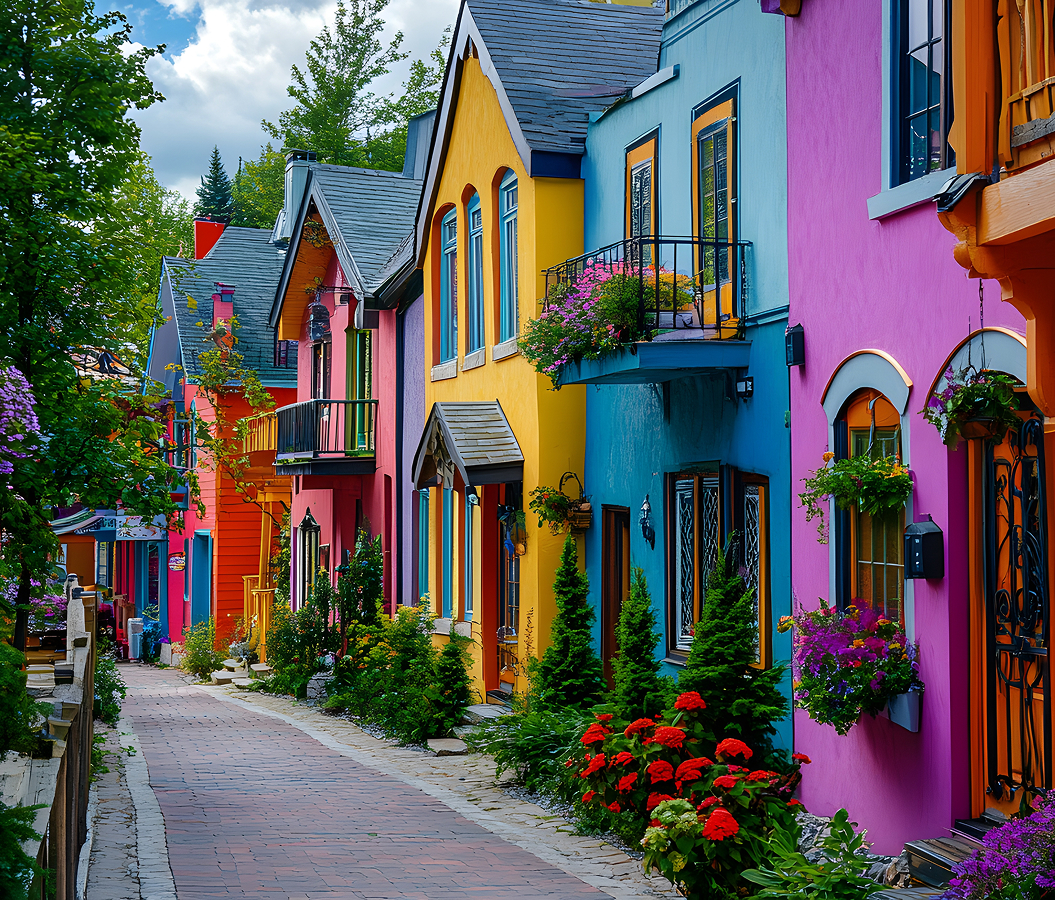
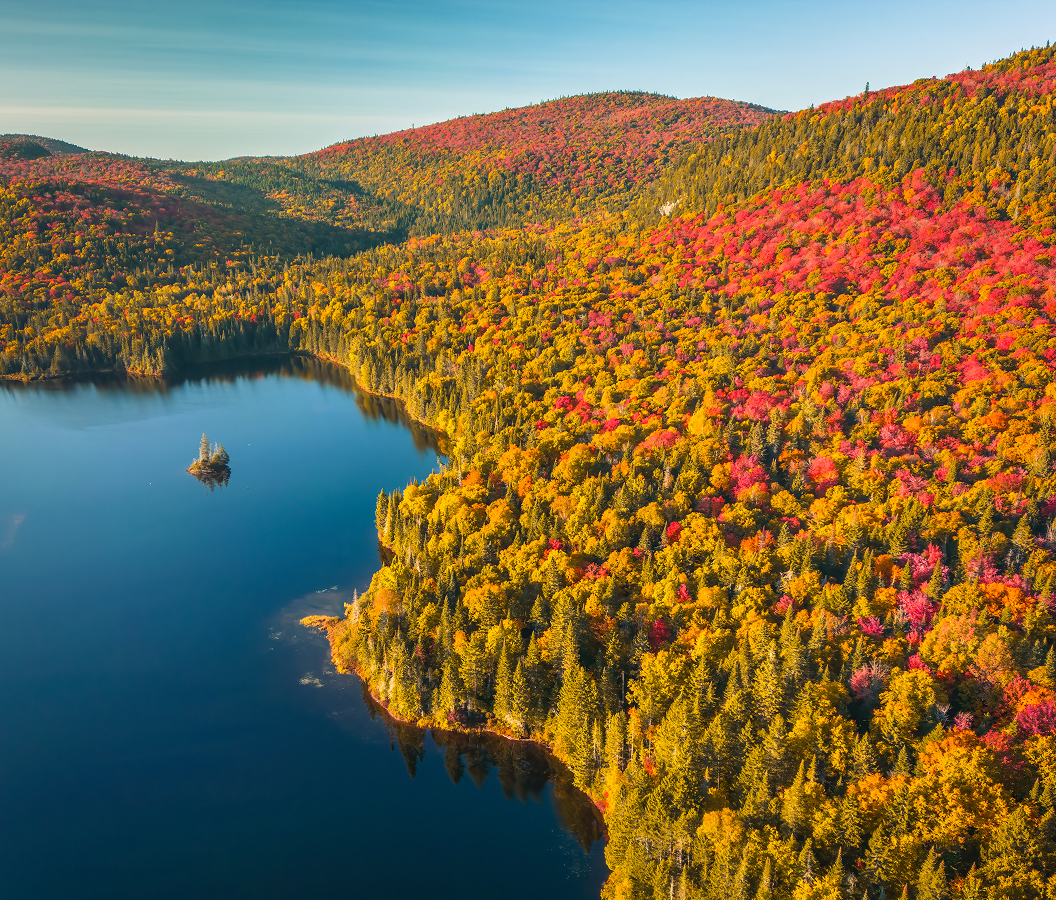
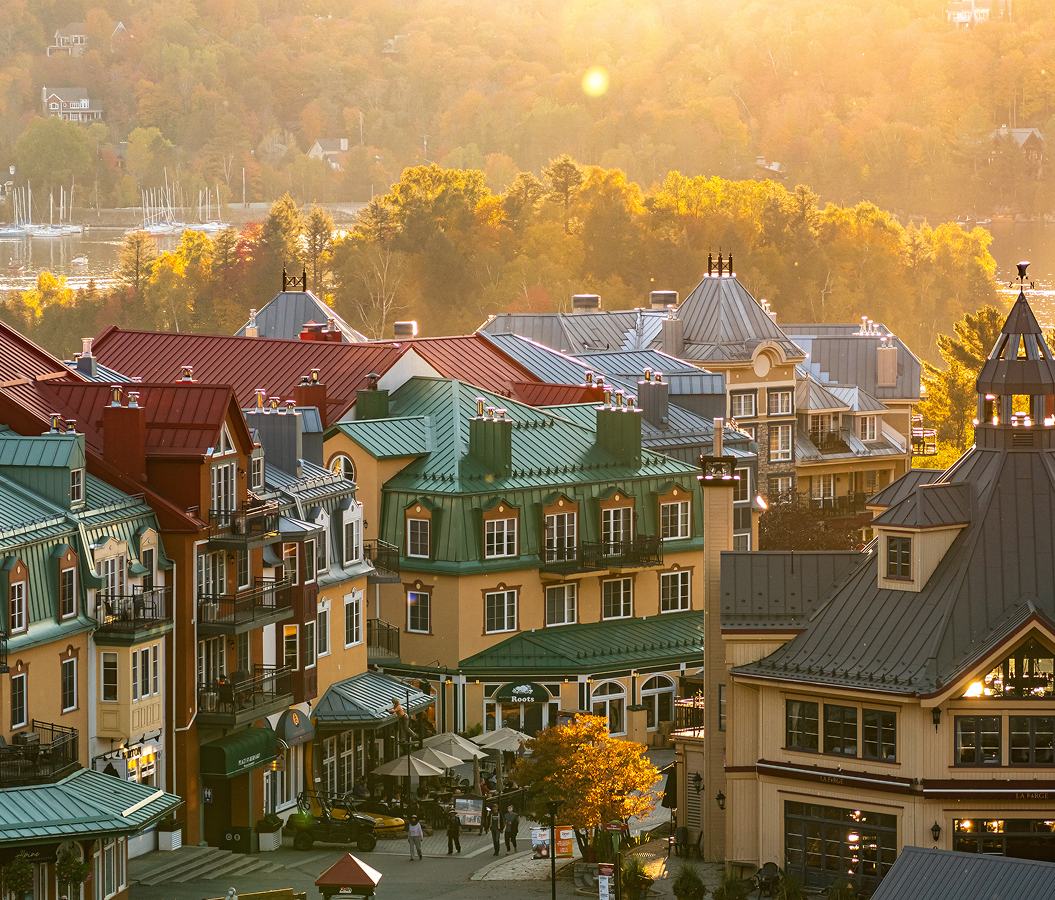
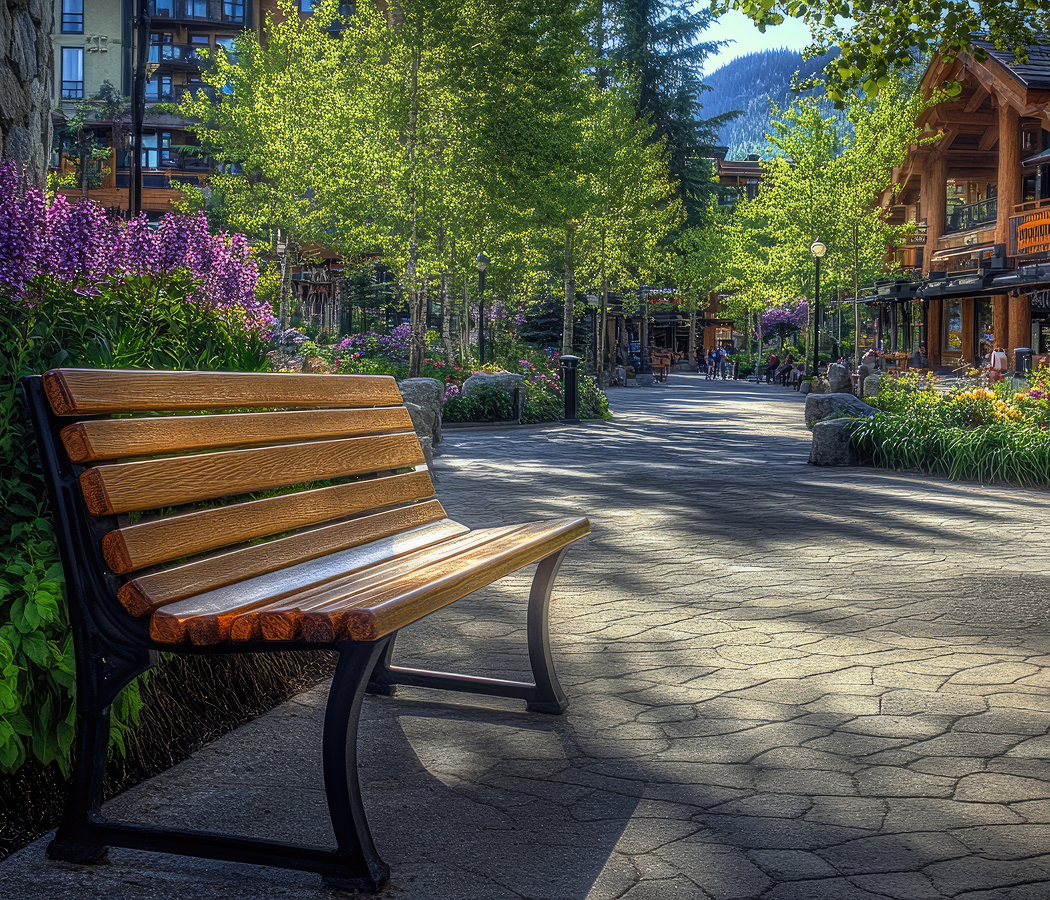
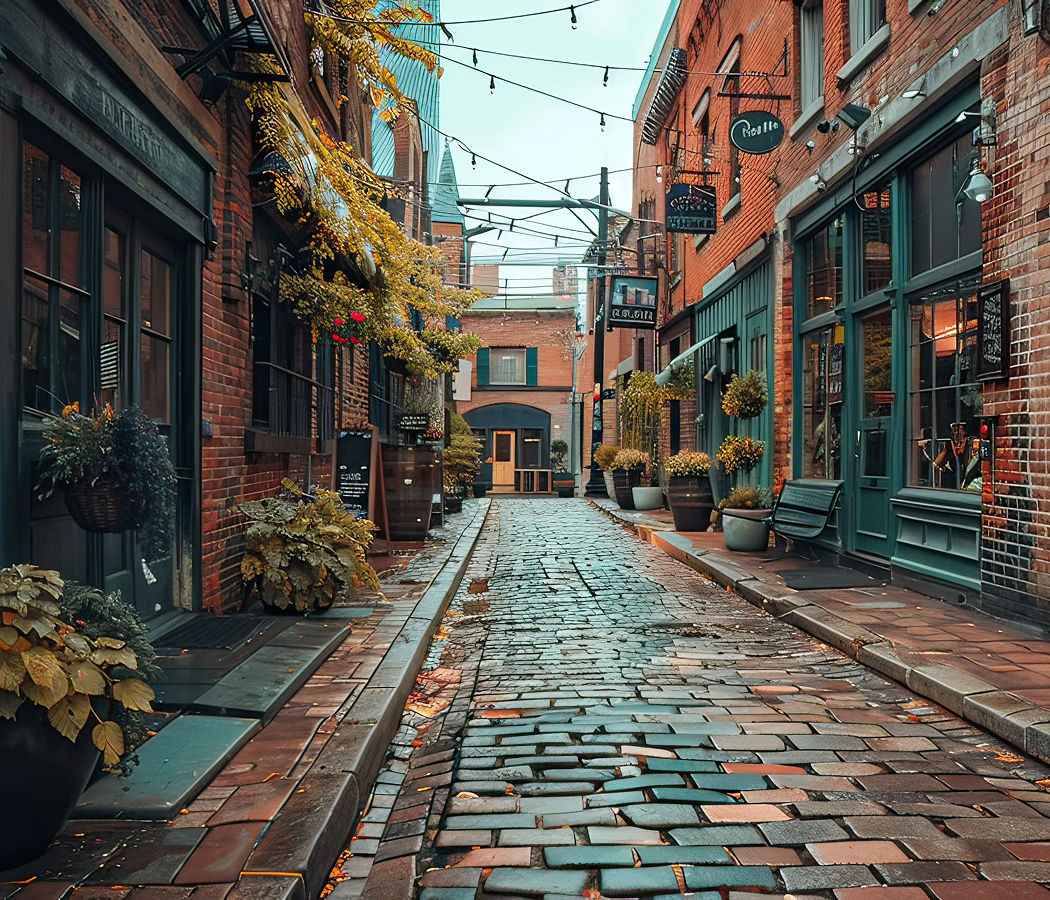
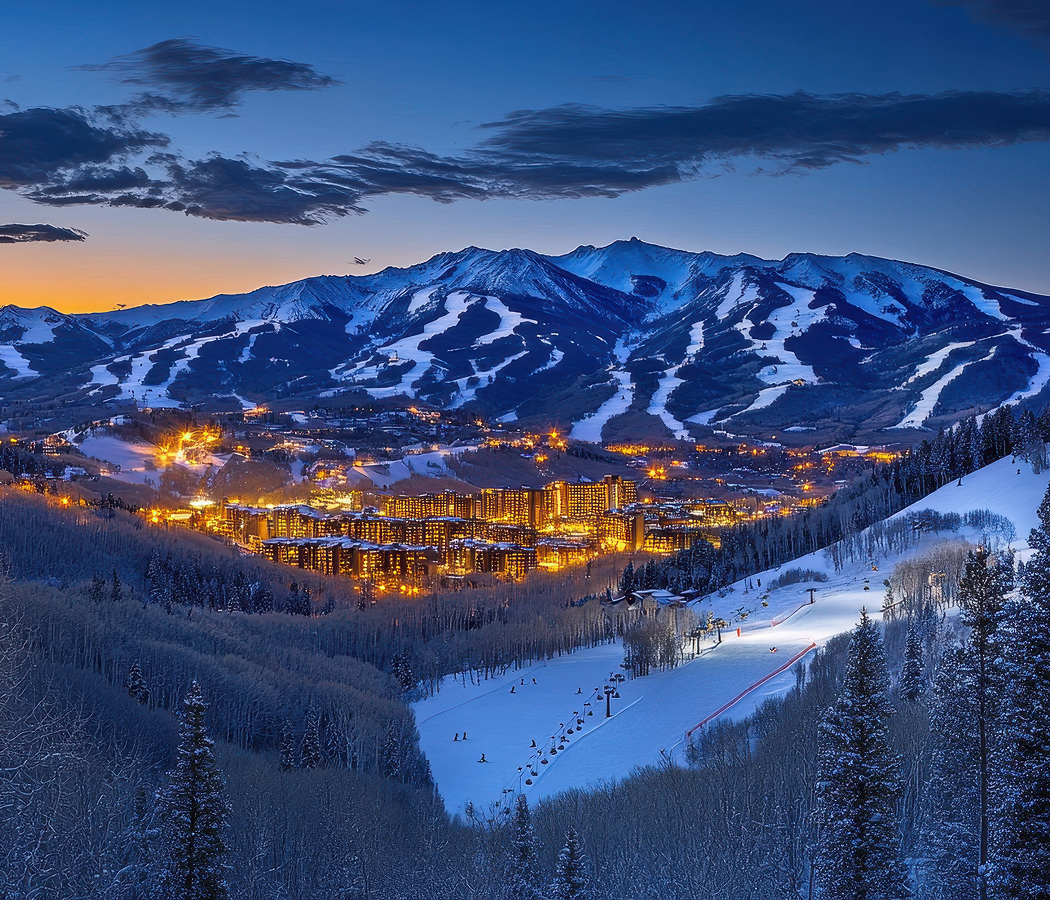
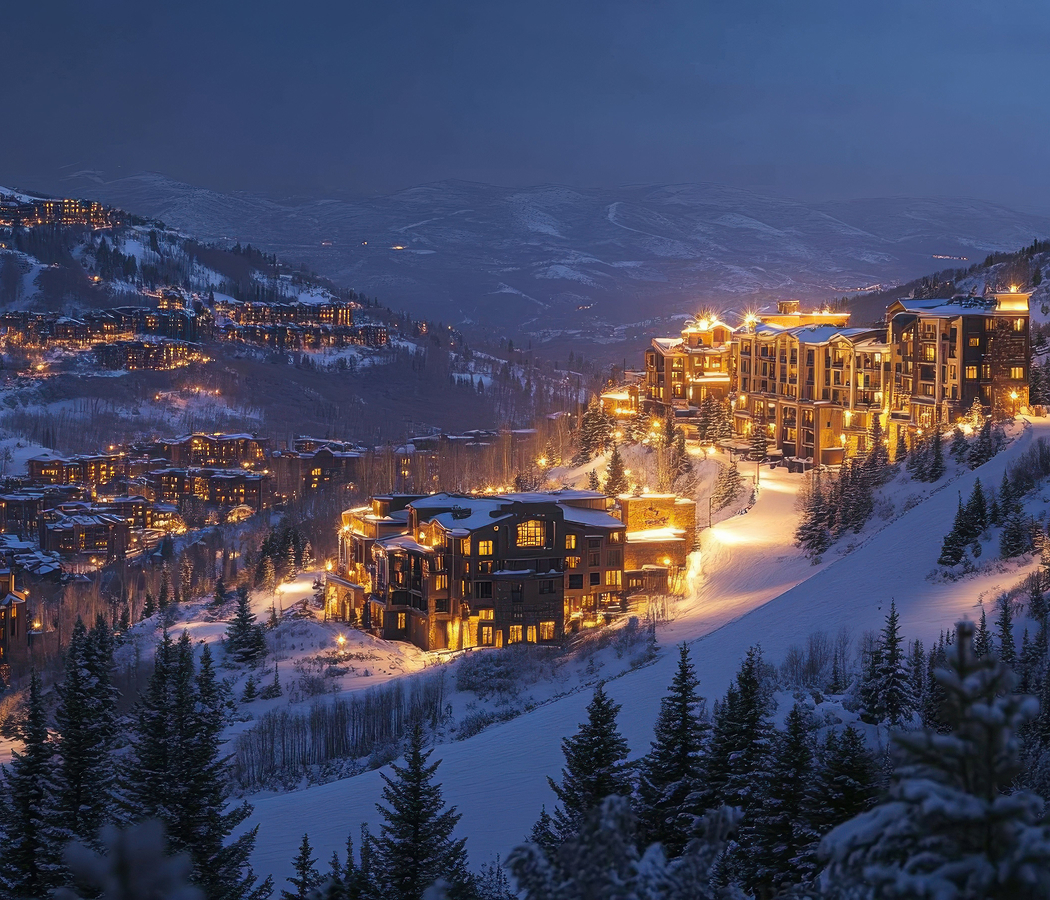
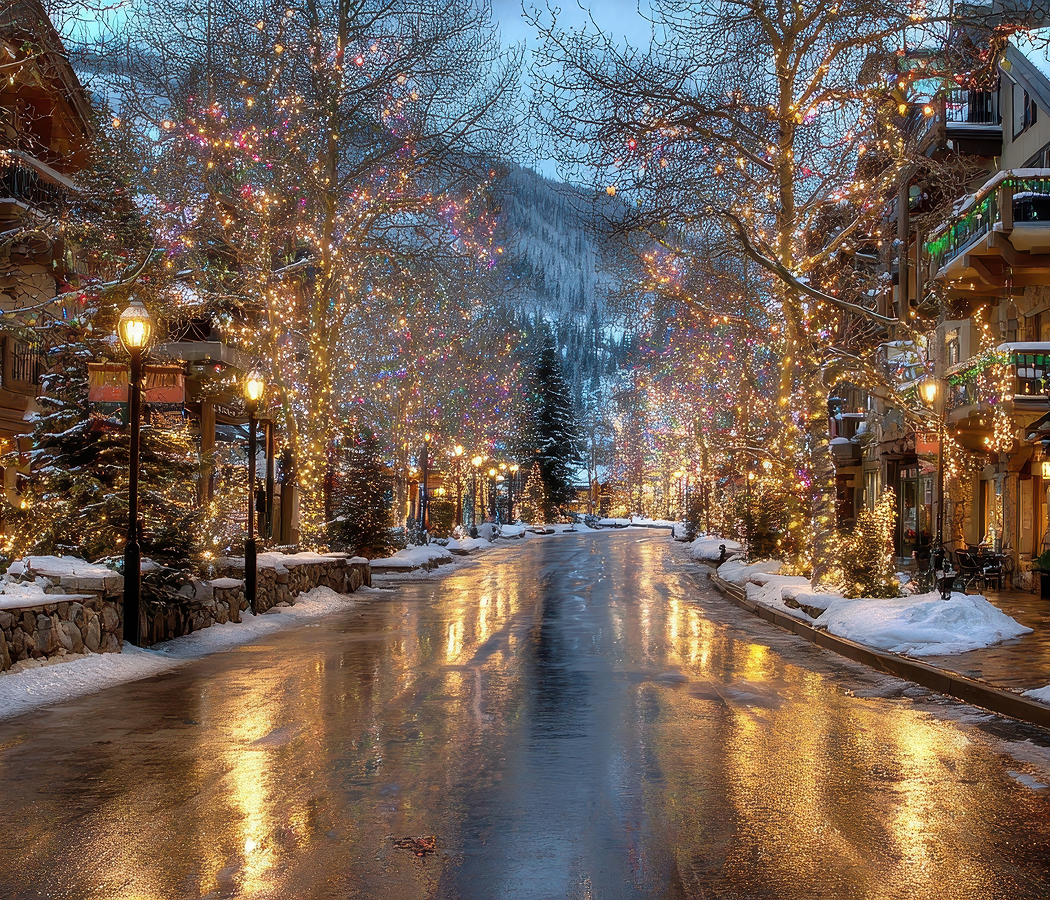
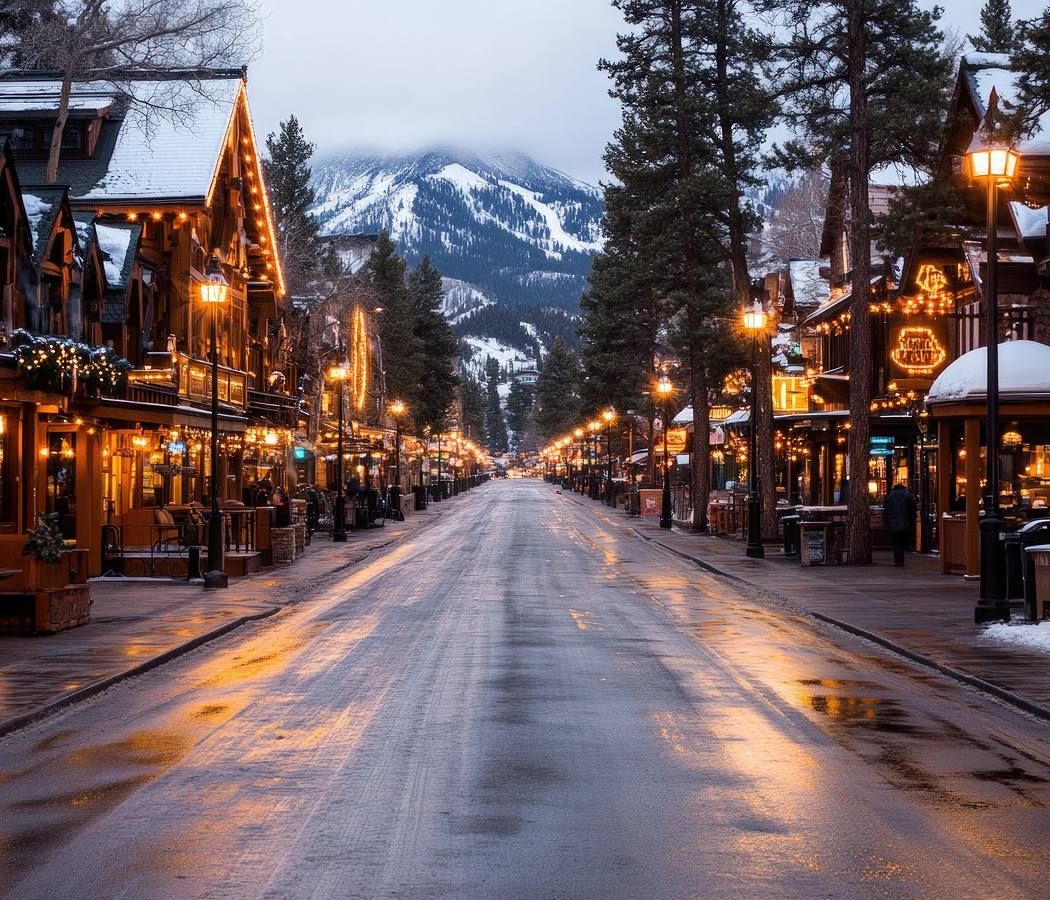
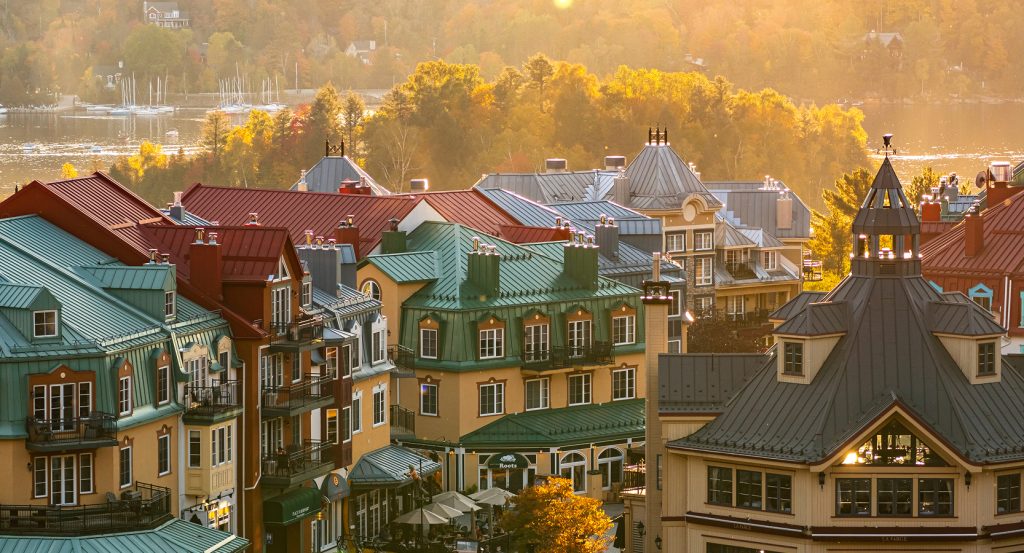
Mont-Tremblant follows the relationship between its forested mountain slopes, interconnected lakes, and historic communities, creating several distinct settings for alpine and lakeside hospitality. The pedestrian resort village occupies the southern base of Mont Tremblant, where hotels, condominium residences, restaurants, and shops surround a sequence of intimate squares connected by sloping cobblestone streets. Its colorful façades, pitched roofs, balconies, and decorative timber details draw upon the architectural style of traditional Québec settlements, creating a compact environment organized around pedestrian movement and direct mountain access. Properties near Place Saint-Bernard occupy especially convenient positions beside the principal ski lifts and gathering spaces, placing guests within the resort's most concentrated recreational district. Higher along the village slopes, substantial condominium hotels and chalet-style residences overlook the surrounding rooftops and wooded mountainsides. The Cabriolet gondola connects the village's lower and upper levels, accommodating the steep terrain that defines its distinctive spatial arrangement. Beyond the pedestrian center, the surrounding mountain roads support secluded residences and upscale lodging among dense stands of maple, birch, and coniferous forest. These properties offer a quieter architectural setting through substantial timber structures, stone fireplaces, broad terraces, and expansive windows oriented toward the mountain landscape. Southwest of the resort village, Lac Tremblant introduces a different accommodation environment through its long, narrow shoreline and dramatic views toward the surrounding Laurentian peaks. Prestigious lakeside properties occupy wooded grounds overlooking the water, with private terraces, landscaped gardens, and recreational facilities establishing a tradition of refined summer retreat. The lake's southern shore contains substantial vacation residences and intimate hospitality properties connected to boating, swimming, and seasonal outdoor recreation. Along its eastern edge, the historic Village of Mont-Tremblant preserves a more traditional settlement pattern through modest commercial buildings, established residential streets, and independent accommodations near the waterfront. Its quieter atmosphere offers access to neighborhood restaurants, local shops, and the recreational routes surrounding the lake. Farther south, the former municipality of Saint-Jovite forms the region's principal established town center, with traditional Québec houses, churches, commercial storefronts, and contemporary hotels concentrated around Rue de Saint-Jovite. This district provides a practical base for exploring the wider Laurentians, particularly for visitors seeking independent restaurants and access to regional services. East of the mountain, the Diable River winds through wooded valleys and recreational landscapes, supporting chalet accommodation and rural retreats connected to hiking, cycling, and cross-country skiing. The surrounding countryside contains substantial vacation homes and intimate lodges positioned among forests, streams, and rolling hills. Northward, the approaches to Mont-Tremblant National Park lead into a more secluded wilderness environment of mountain lakes and extensive woodland, where cabins and nature-oriented accommodation emphasize direct access to the outdoors. Together, these settings offer a coherent range of experiences, from lively slopeside hotels and secluded forest chalets to lakeside retreats, historic village accommodation, and wilderness lodges. Foresyte may earn a commission when you book.
Foresyte Travel's top five choices.
5. Sommet des Neiges
Sommet des Neiges rises at the base of Mont Tremblant beside the gondola, placing the property directly within the pedestrian village created during the mountain's transformation into a destination resort. That modern chapter began after Intrawest acquired Tremblant in 1991 and undertook an extensive redevelopment modeled around a dense, car-free village at the foot of the ski terrain. The property's condominium format reflects the residential component that became fundamental to this resort model, integrating privately owned accommodations into the commercial and recreational infrastructure surrounding the lifts. Sommet des Neiges represents the large-scale reinvention that turned a historic Laurentian ski mountain into one of eastern North America's most developed four-season resort communities.
4. Château Beauvallon
Château Beauvallon occupies a wooded site between Mont Tremblant's principal resort village and the older settlement surrounding Lac Mercier, giving the property a geographic character separate from the dense slopeside development. Its château-inspired architecture belongs to a broader Laurentian tradition shaped by Quebec's long association between mountain tourism and grand resort design. The property's suite-based configuration and landscaped grounds translate that tradition into a low-rise residential composition organized around the surrounding forest and mountain landscape. Château Beauvallon reflects the expansion of Tremblant hospitality beyond the pedestrian village, demonstrating how the resort's growth generated a wider network of accommodations across the valley surrounding the mountain.
3. Le Westin Tremblant
Le Westin Tremblant occupies a prominent position within Tremblant's pedestrian village, the ambitious resort development created after Intrawest took control of the mountain during the early 1990s. Intrawest organized the village around compact streets, plazas and direct lift access, using architecture influenced by Quebec towns to establish a concentrated destination at the base of the slopes. The Westin became part of the later maturation of this master-planned environment, integrating an international hotel brand into a village built around the close relationship between lodging, public space and mountain infrastructure. Its significance rests within Tremblant's transformation from a long-established ski area into a fully integrated resort whose built environment became nearly as recognizable as the mountain itself.
2. Fairmont Tremblant
Fairmont Tremblant opened in 1996 during the defining Intrawest redevelopment of Mont Tremblant, occupying a commanding slopeside position at the upper edge of the pedestrian village. The hotel formed part of the enormous investment program that followed Intrawest's 1991 acquisition, when new lifts, lodging and commercial development fundamentally changed the scale of the resort. Its château-influenced massing extends a Canadian resort-hotel tradition associated with grand properties developed around railways and scenic destinations, adapted here to the compact geometry of a modern ski village. Fairmont Tremblant became an architectural anchor for the rebuilt mountain base during the period that established Tremblant as an internationally recognized Quebec resort.
1. Hôtel Quintessence
Hôtel Quintessence opened in 2003 on the shore of Lac Tremblant, establishing a small independent hotel outside the dense architectural fabric of the nearby pedestrian village. Its waterfront setting reconnects luxury hospitality with the lake that shaped the area's recreational development decades before the Intrawest-era transformation of the mountain base. The building draws from Quebec country-estate architecture through stone, timber and steep roof forms, organizing its principal spaces toward Lac Tremblant and the Laurentian landscape. Hôtel Quintessence represents a distinct chapter in the region's resort history, grounding its character in the lake, landscape and independent hospitality tradition that surround Mont Tremblant.
Where your story begins.
Foresyte Travel reveals places that feel extraordinary long before you arrive.
Enjoy editorial crafted for luxury travelers.
Foresyte may earn a commission when you book.