Why Fairmont Tremblant matters.
Fairmont Tremblant is a defining mountain resort where the Laurentians' alpine landscape meets Quebec's French-Canadian culture, ski history and the region's transformation into a year-round destination.
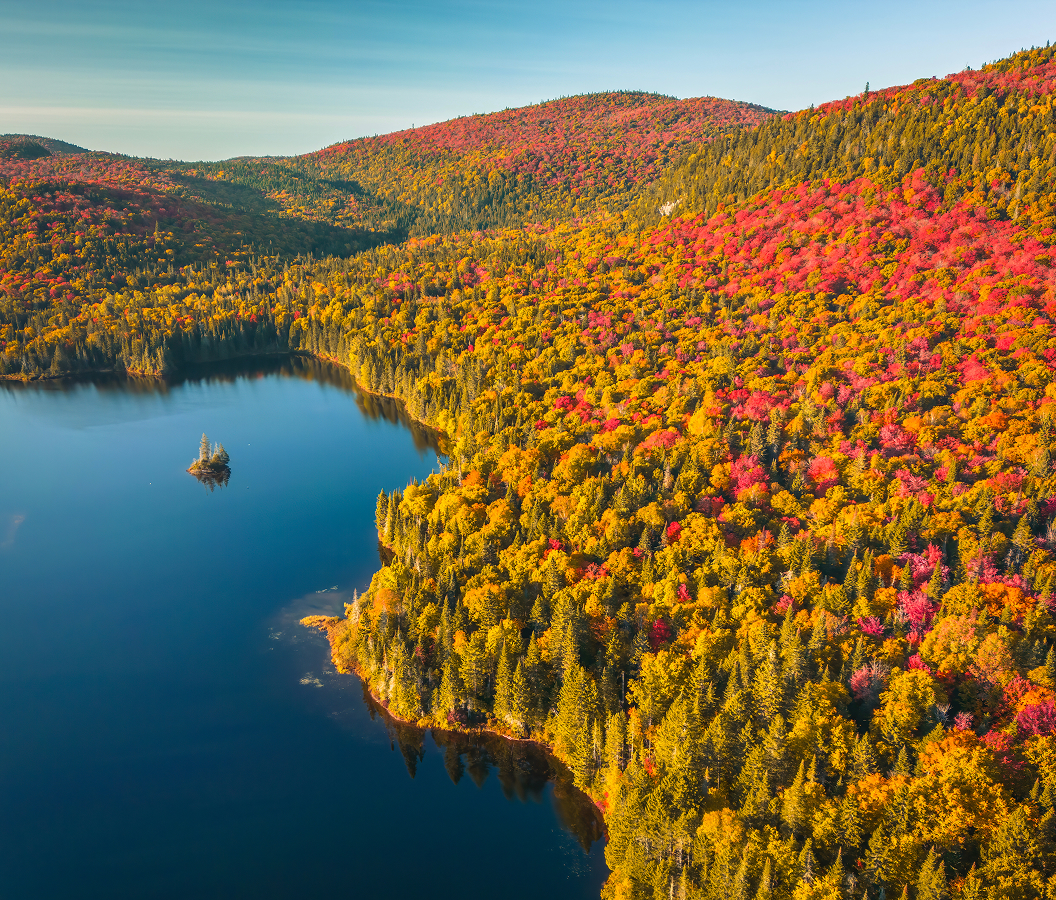
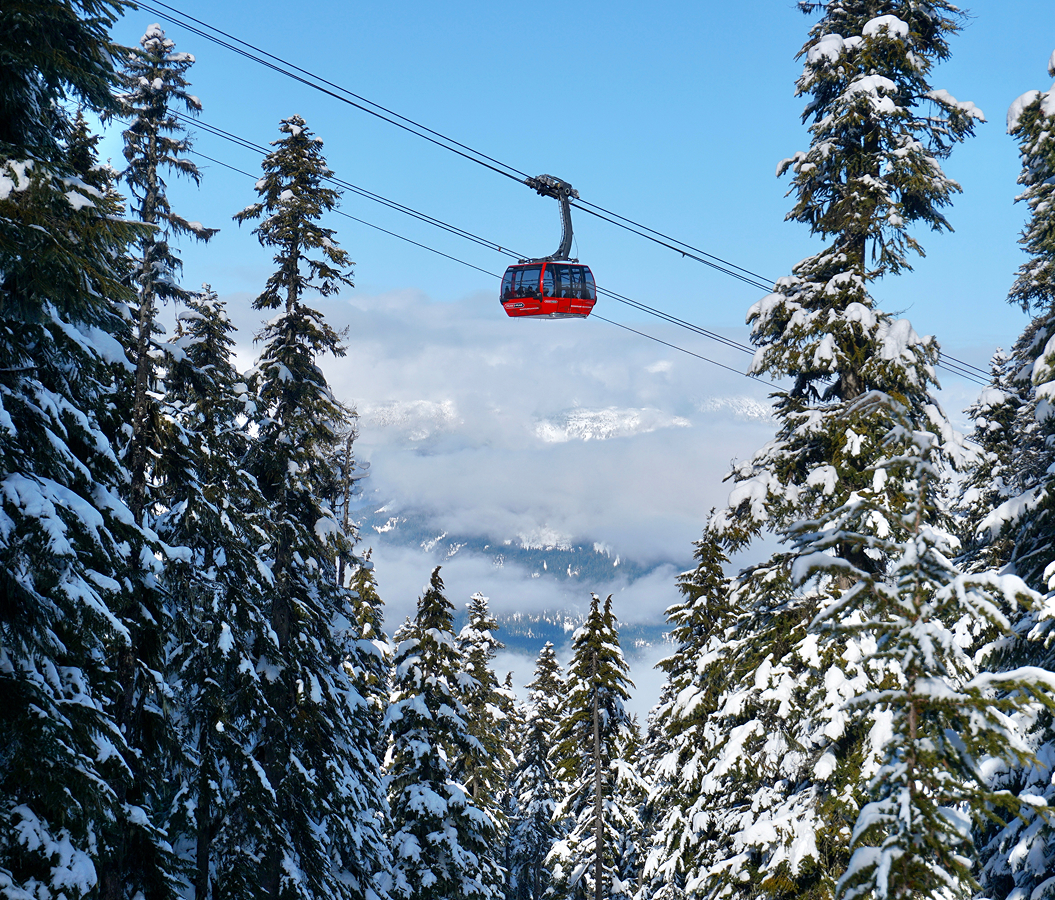
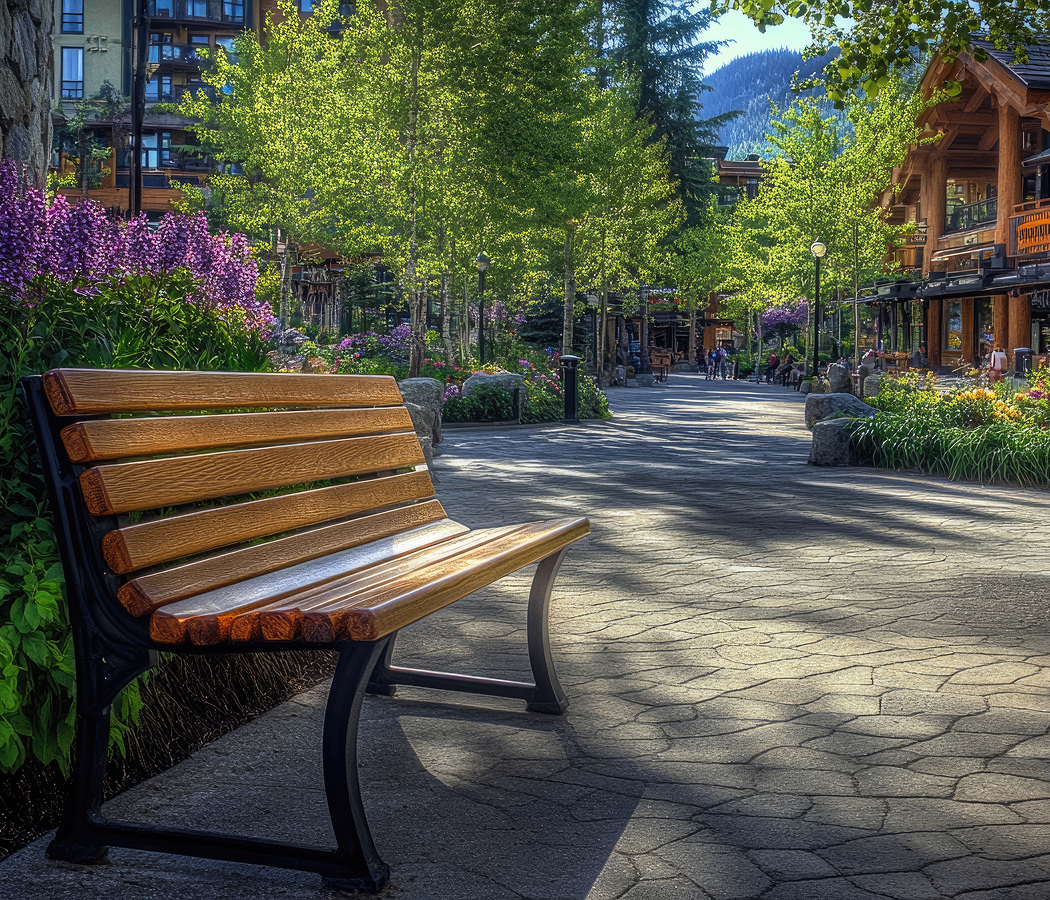
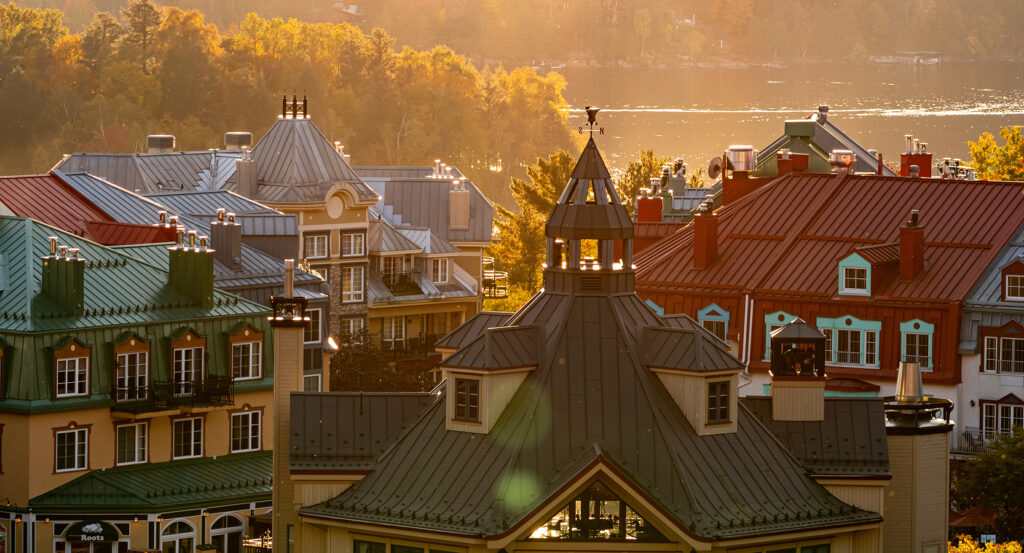
Set at the base of Mont-Tremblant within the pedestrian resort village, Fairmont Tremblant occupies a position between the ski lifts, Lac Tremblant, the village's timber-framed streets and the forested slopes of the Laurentian Mountains. Its distinctive physical setting combines a grand alpine hotel, ski infrastructure, lake views, mountain trails and a compact village designed for movement. The mountain is encountered primarily through movement between the hotel, lift plaza, ski runs, village paths, hiking trails, golf courses and the roads leading toward the lake and surrounding forests. A second atmosphere develops inside the property through restaurants, lounges, fireplaces, spa spaces, indoor and outdoor pools, fitness facilities and event rooms that provide warmth and comfort after time in the open mountain climate. The result is an exceptional resort whose architecture and setting connect Mont-Tremblant's winter sports culture, Quebec identity, lake geography and year-round outdoor life.
What defines Fairmont Tremblant.
Fairmont Tremblant is best known for its central role in the transformation of Mont-Tremblant into an internationally celebrated four-season mountain destination, establishing a landmark luxury hotel within one of Canada's most ambitious resort redevelopment projects. The property's origins belong to the history of Mont-Tremblant's ski industry, which began in 1939 when American entrepreneur Joseph Bondurant Ryan established a mountain resort in Québec's Laurentian Mountains. Ryan's vision combined the sporting traditions of European alpine destinations with the natural grandeur of the Canadian wilderness, introducing a new recreational economy to a region historically associated with forestry, agriculture, and seasonal tourism. Following Ryan's death in 1950, his wife Mary Rutherfoord Johnson Ryan continued the resort's development before its sale to Québec investors in 1965. Subsequent ownership changes culminated in the acquisition of Mont-Tremblant by Vancouver-based Intrawest Corporation in 1991, initiating an extraordinary period of investment in the mountain's infrastructure and surrounding hospitality industry. Intrawest president Joe Houssian directed an ambitious redevelopment strategy that sought to establish Mont-Tremblant as a major North American destination through a pedestrian-oriented village inspired by the architectural traditions of historic Québec. The company committed C$413 million to a five-year development program incorporating new ski lifts, expanded mountain facilities, commercial establishments, and substantial hospitality infrastructure. Montréal architectural firm NEUF contributed to the village's conception, developing a carefully coordinated streetscape of colorful buildings, steeply pitched roofs, public squares, and pedestrian passages inspired by French-Canadian settlements. Fairmont Tremblant opened in 1996, becoming a prominent architectural and commercial anchor at the upper edge of the developing resort village. Architectural practice Arcop, subsequently incorporated into Architecture49, contributed to the hotel's original construction, establishing a substantial mountain landmark within the coordinated development. Its position near the principal ski lifts connected international luxury hospitality directly with the mountain's recreational infrastructure, strengthening the commercial relationship between accommodation, skiing, and the village's growing retail and restaurant economy. The completed development helped establish Intrawest's model of integrated mountain resort planning, subsequently applied to destinations including Blue Mountain in Ontario and several American ski communities. Fairmont Tremblant developed a reputation for luxury mountain hospitality, receiving recognition through the Condé Nast Traveler Readers' Choice Awards, including a second-place ranking among Canadian resorts in 2023. A substantial renovation program beginning in the early 2020s introduced redesigned public interiors, expanded outdoor gathering spaces, and renewed accommodations, reflecting the property's continued importance within the Laurentian hospitality market. The resort's comprehensive accommodation renovation entered its final phase in 2026, with a redesigned Presidential Suite scheduled for introduction during the autumn season. Fairmont Tremblant represents a defining chapter in the modern history of Canadian mountain tourism, connecting Ryan's pioneering ski development with Intrawest's influential approach to integrated resort planning and the enduring cultural character of Québec's Laurentian Mountains.
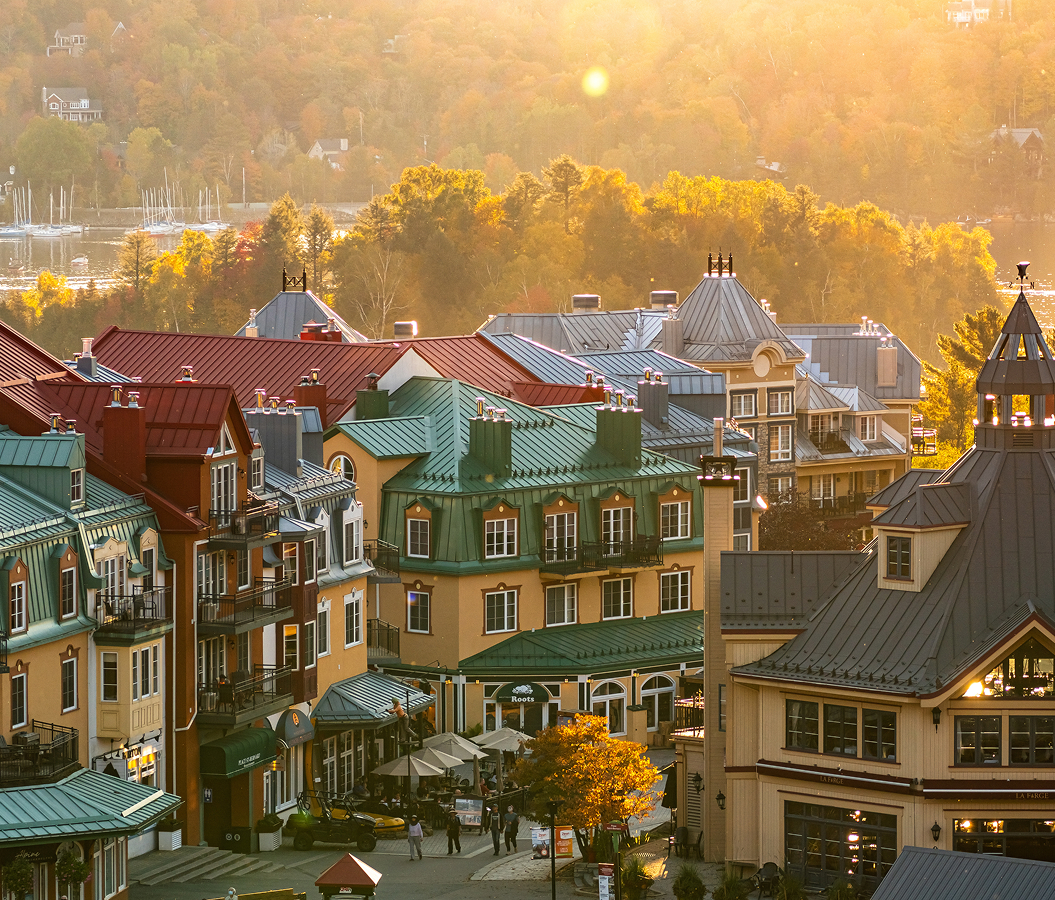
Québec's architectural traditions establish the hotel's distinctive physical character through an expansive alpine composition that extends the visual character of Mont-Tremblant's pedestrian village into the surrounding mountain landscape. Steeply pitched roofs, prominent dormers, stone detailing, and substantial timber elements recall the historic resort architecture of eastern Canada, creating a recognizable relationship between the building and the French-Canadian cultural inheritance of the Laurentians. The hotel's elevated position at the foot of the ski slopes establishes an unusual architectural connection between the mountain's recreational terrain and the village's public spaces, placing the building within a continuous pedestrian environment organized around outdoor activity. This relationship becomes particularly significant during winter, when the adjacent ski infrastructure brings the movement of skiers directly into the hotel's surrounding landscape. The renovation of the principal public interiors introduced a contemporary interpretation of alpine hospitality, combining warm finishes, natural textures, and a restrained decorative style with the building's established mountain character. Choux Gras Brasserie Culinaire develops the hotel's culinary character through a sophisticated interpretation of Québec's contemporary brasserie tradition, drawing upon the province's agricultural resources and its longstanding relationship with French cooking. The restaurant's emphasis on shared dining connects classical brasserie hospitality with the informal social character of a mountain destination, establishing a culinary environment shaped by regional ingredients and the traditions of Montréal's restaurant culture. Executive chef Mathieu Cloutier brings more than two decades of professional experience to the property's culinary program, including leadership roles at Montréal establishments Kitchen Galerie and Bistro Chez Roger. His approach emphasizes the relationship between local produce, carefully developed flavors, and contemporary interpretations of Québec's culinary inheritance, extending the hotel's connection with the province's influential gastronomic culture. The Axe Lounge introduces a complementary expression of mountain hospitality through the social traditions of après-ski, whose origins in European alpine resorts became an important element of North American winter recreation. The hotel's outdoor Après-Ski Terrace, introduced in winter 2022, strengthened this cultural relationship through a gathering environment directly connected with the surrounding slopes. A subsequent redevelopment of the outdoor pool terrace introduced a more extensive year-round wellness setting, incorporating the Laurentians' changing seasons into the property's recreational identity. The Fairmont Gold renovation established another dimension of the architectural transformation through redesigned private gathering spaces and a contemporary interpretation of the hotel's alpine character. These improvements reflect the property's continuing evolution within a destination whose character increasingly encompasses summer hiking, cycling, golf, and outdoor recreation alongside its established winter sporting traditions. Together, the French-Canadian architectural vocabulary, Cloutier's regional culinary direction, and the hotel's distinctive relationship with alpine social culture establish a coherent expression of Québec's mountain heritage within the contemporary hospitality landscape of Mont-Tremblant.
How Fairmont Tremblant fits.
Fairmont Tremblant works as the starting point for an exploration connecting Quebec's Laurentian ecology, the mountain's outdoor recreation culture and the regional institutions and landscapes that define the area beyond the resort village.
Begin at Mont-Tremblant National Park, the vast protected landscape where lakes, rivers, forests, cliffs, waterfalls and mountain trails reveal the ecological character of the Laurentians. The park extends across a large wilderness area north of the resort and provides a direct encounter with the lakes, boreal forests and wildlife habitats that surround Mont-Tremblant. Its trails and waterways connect recreation with the geological and ecological systems that shaped the region long before the development of the ski village. Continue to Circuit Mont-Tremblant, the motorsport and events complex where a permanent road course, paddocks, grandstands and surrounding forest create a distinctive recreational landscape near the resort. The circuit occupies the former site of major international racing events and connects the Laurentians with a broader culture of automotive engineering, competition and outdoor performance. Its roads and elevation changes reveal a different form of mountain movement from skiing, hiking and cycling. Continue to Domaine Saint-Bernard, the protected natural landscape where forest trails, wetlands, streams, wildlife habitat and educational spaces create a quieter counterpart to the resort village. The domain preserves a broad section of Laurentian environment close to Mont-Tremblant and supports walking, cross-country skiing, nature observation and seasonal outdoor learning. Its paths connect the mountain destination with the region's ecological character and the slower rhythms of forest recreation. Conclude at Lac Tremblant, the expansive mountain lake where beaches, marinas, water sports, forested slopes and views toward Mont-Tremblant create the defining natural setting of the resort. The lake connects the pedestrian village with boating, swimming, fishing and shoreline recreation while reflecting the changing light and seasons of the Laurentians. Its waters provide a direct visual and experiential counterpart to the ski mountain rising above the hotel. The progression moves from Mont-Tremblant National Park's protected wilderness through Circuit Mont-Tremblant's sporting landscape, continues across Domaine Saint-Bernard's forest and wetland environment and concludes at Lac Tremblant, where Quebec's mountain, lake, recreation and ecological identities meet.
Where your story begins.
Foresyte Travel reveals places that feel extraordinary long before you arrive.
Enjoy editorial crafted for luxury travelers.
Foresyte may earn a commission when you book.