Perfect weekend in Ottawa, Ontario.
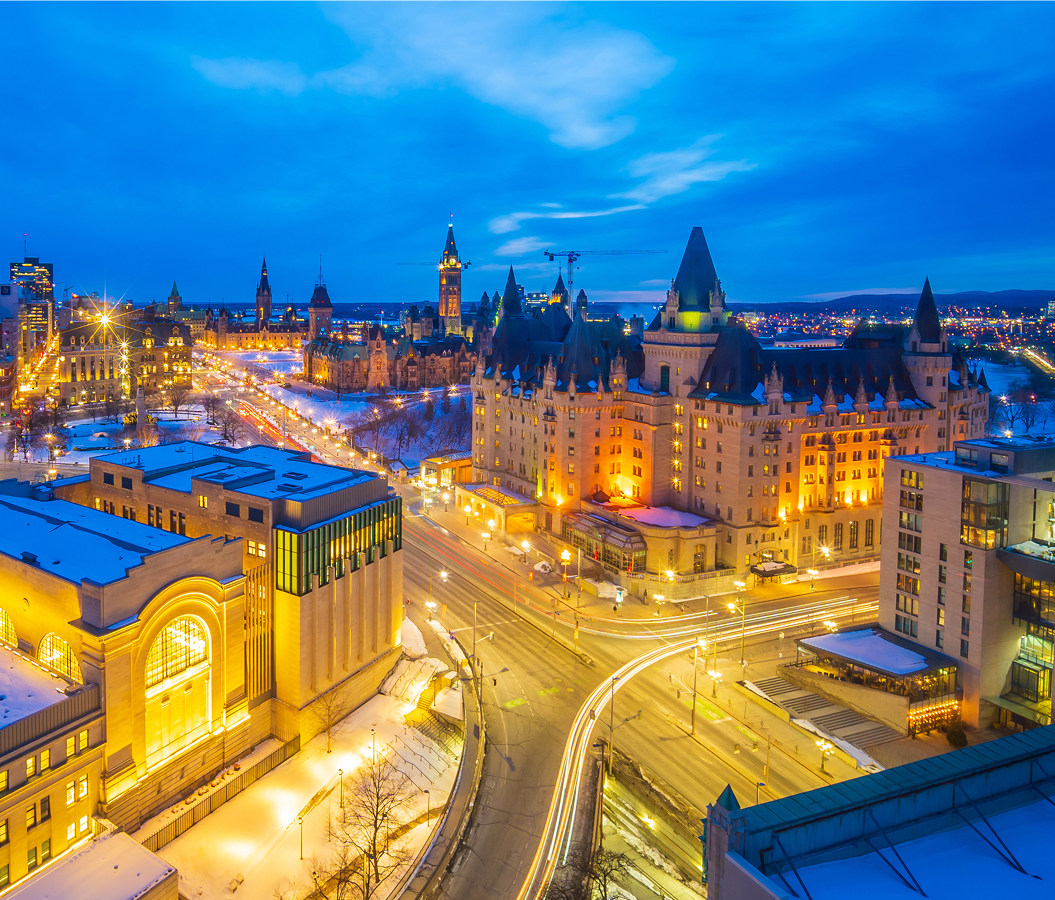
Ottawa's history follows the transformation of a strategic river junction into the capital of Canada, shaped by Indigenous trade networks, the timber industry, British colonial administration, and the political ambitions of Confederation. Situated at the confluence of the Ottawa, Rideau, and Gatineau rivers, the city developed along waterways that connected the St. Lawrence Valley with the interior of the Canadian Shield. The region forms part of the traditional territory of the Algonquin Anishinaabe people, whose communities maintained extensive trading relationships and transportation routes throughout the Ottawa River watershed. French explorers and fur traders entered the region during the seventeenth century, using the Ottawa River as a principal passage between Montréal and the Great Lakes. Philemon Wright established a settlement across the river in present-day Gatineau in 1800, developing agricultural enterprises and a timber industry that subsequently expanded throughout the valley. Lieutenant Colonel John By arrived in 1826 to oversee the construction of a military waterway connecting the Ottawa River with Lake Ontario, establishing the settlement of Bytown around the construction works. The project strengthened British defensive transportation following the War of 1812 and accelerated the growth of lumberyards, commercial establishments, and residential communities. Bytown incorporated as Ottawa in 1855, adopting a name derived from the Algonquin word adawe, associated with trade. Queen Victoria selected Ottawa as the capital of the Province of Canada in 1857, favoring its defensible inland position and location between the country's principal English- and French-speaking population centers. The establishment of Canadian Confederation in 1867 confirmed Ottawa's role as the capital of the new Dominion. Federal administration subsequently drove substantial architectural investment, population growth, and the construction of national institutions. During the twentieth century, urban planning initiatives associated with Jacques Gréber reshaped the capital through parkways, green spaces, and the relocation of industrial facilities. Ottawa developed into a bilingual metropolitan center whose governmental institutions, universities, and research enterprises contributed to its national importance.
Canadian literature, visual art, performing arts, and regional food culture have acquired a significant institutional presence in Ottawa through the concentration of national organizations and the city's position between Ontario and Québec. The National Arts Centre, inaugurated in 1969, became a principal venue for orchestral music, theater, dance, and multidisciplinary performance, supporting artistic production in both English and French. Its resident orchestra developed an international reputation under conductors including Mario Bernardi, whose leadership contributed to the ensemble's early artistic direction. The Ottawa Little Theatre traces its origins to 1913, establishing one of Canada's longstanding community theatrical traditions. The Ottawa International Animation Festival, founded in 1976, developed into an influential gathering for filmmakers working in experimental, independent, and commercial animation. The Canadian War Museum preserves extensive collections associated with the country's military history, including artworks commissioned during the First and Second World Wars. The Library and Archives Canada collection encompasses significant literary manuscripts, photographs, historical publications, and artistic works associated with Canada's national history. Ottawa's literary connections include poet and novelist Margaret Atwood, who spent part of her childhood in the capital, and writer Elizabeth Hay, whose fiction has explored Canadian communities and the landscapes of the Ottawa Valley. The city's bilingual population contributes to a varied cultural calendar encompassing Francophone theater, contemporary music, literary festivals, and traditional performance. Ottawa's culinary foundations developed through the agricultural resources of eastern Ontario, the farming communities of western Québec, and the fisheries and forests of the Ottawa River watershed. Regional ingredients include maple syrup, apples, root vegetables, freshwater fish, artisan cheeses, and locally raised meats. Traditional Canadian preparations such as tourtière, butter tarts, and maple desserts retain strong connections to the surrounding region's French Canadian and English Canadian cooking traditions. Ottawa's Lebanese community has also contributed substantially to the city's restaurant culture, particularly through shawarma, grilled meats, flatbreads, and Middle Eastern bakeries. Contemporary restaurants extend these foundations through seasonal Canadian ingredients, French culinary techniques, and influences from the capital's diverse immigrant communities. A weekend in Ottawa brings the political history of Confederation together with bilingual cultural traditions, national artistic institutions, and the foodways of the Ottawa Valley.
Three day itinerary.
Day 1: Parliament Hill
Parliament Hill is best known for its expansive Gothic Revival architecture, commanding position above the Ottawa River, and central role in Canada's parliamentary democracy. The complex occupies a limestone promontory overlooking the river, a site selected for the federal government's principal buildings after Queen Victoria designated Ottawa as the capital of the Province of Canada in 1857. Architects Thomas Seaton Scott and Augustus Laver were among the competitors whose proposals influenced the architectural direction of the new parliamentary precinct, with the principal designs ultimately developed by Thomas Fuller, Chilion Jones, Thomas Seaton Scott, and Augustus Laver. Construction began in 1859, establishing an elaborate composition of pointed arches, carved stone ornamentation, steeply pitched roofs, and scenic towers inspired by British Gothic traditions. A devastating fire destroyed the original Centre Block in 1916, prompting an extensive reconstruction that culminated in the completion of the Peace Tower in 1927. Architects John Pearson and Jean-Omer Marchand developed the replacement Centre Block, incorporating an expansive ceremonial interior and extensive architectural symbolism associated with Canadian nationhood. The Library of Parliament survived the fire and preserves an extraordinary circular reading room distinguished by intricate woodwork, elaborate galleries, and a soaring vaulted ceiling. The Centennial Flame, inaugurated in 1967, commemorates the centennial of Canadian Confederation through a ceremonial fountain displaying the heraldic symbols of the country's provinces and territories. Parliament Hill represents the architectural and institutional center of Canadian democracy through its association with Confederation, national political development, and the evolution of Canada's federal government.
Day 1: Riviera
Riviera is best known for its sophisticated contemporary Canadian cuisine and its transformation of an expansive former bank into one of Ottawa's most distinguished dining environments. Located on Sparks Street, the restaurant occupies the historic Canadian Imperial Bank of Commerce building, whose grand interior incorporates soaring ceilings, elaborate architectural detailing, and an imposing central dining space. The restaurant was established by chef Matthew Carmichael and restaurateur Jordan Holley, introducing an ambitious culinary approach that combines classical European techniques with contemporary Canadian ingredients. Its kitchen emphasizes carefully prepared seafood, premium meats, seasonal vegetables, and refined dishes shaped by the agricultural and maritime resources of Canada. The restaurant's cocktail program contributes to its reputation through inventive preparations and an extensive selection of spirits. Its architectural setting reflects the financial and commercial development of Downtown Ottawa during the twentieth century, when expansive bank buildings established a distinctive civic presence along the capital's principal streets. Riviera represents an influential institution in contemporary Ottawa gastronomy through its combination of sophisticated cooking, ambitious hospitality, and exceptional historic architecture.
Day 2: National Gallery of Canada
National Gallery of Canada is best known for its extraordinary collection of Canadian and international art and its expansive glass-and-granite architecture overlooking the Ottawa River. Founded in 1880, the institution developed into Canada's principal national art museum through the acquisition and preservation of major works spanning Indigenous artistic traditions, European painting, contemporary sculpture, and Canadian art history. Its celebrated collection includes important paintings by Tom Thomson and the Group of Seven, whose interpretations of the Canadian landscape contributed profoundly to the development of the country's modern artistic traditions. The museum's holdings also encompass major works by Emily Carr, whose paintings reflect her engagement with the forests and Indigenous cultures of the Pacific Northwest. Architect Moshe Safdie designed the museum's permanent home, completed in 1988, incorporating extensive glass surfaces, expansive granite forms, and carefully arranged exhibition galleries. The building's soaring Great Hall establishes a dramatic architectural relationship with Parliament Hill and the surrounding river landscape. Louise Bourgeois's expansive bronze sculpture Maman, installed outside the museum, has become one of Ottawa's most recognizable works of public art. The National Gallery of Canada represents one of North America's most consequential cultural institutions through its preservation of Canadian artistic heritage and its exceptional contribution to international art scholarship.
Day 2: Sidedoor
Sidedoor is best known for its inventive interpretation of Southeast Asian street-food traditions within Ottawa's historic ByWard Market district. Located at 18B York Street, the restaurant occupies a distinctive heritage setting characterized by exposed stone walls, intimate dining spaces, and an atmospheric courtyard entrance. Its culinary character draws inspiration from the street markets of Vietnam and Thailand, combining fragrant spices, freshly ground curries, regional fish sauces, and seasonal Canadian ingredients in contemporary compositions designed for communal dining. Executive chef Ben Landreville has contributed to the restaurant's modern Asian culinary direction, emphasizing carefully balanced flavors, contrasting textures, and creative interpretations of traditional preparations. Signature offerings include Asian-inspired tacos incorporating aromatic marinades and energetic accompaniments, alongside seafood dishes, inventive small plates, and handmade doughnuts that have become a recognizable feature of the restaurant's dessert repertoire. Its family-style dining philosophy encourages guests to explore multiple preparations across a shared table, connecting the convivial traditions of Southeast Asian food markets with Ottawa's contemporary restaurant culture. The restaurant's location in ByWard Market places it within one of Canada's oldest continuously operating public market districts, established by Lieutenant Colonel John By in 1826 during the construction of the Rideau Canal. Sidedoor represents a distinctive expression of Ottawa's increasingly cosmopolitan dining character through its combination of Asian culinary influences, Canadian seasonal produce, and the architectural character of the capital's historic market quarter.
Day 2: Canadian Museum of History
Canadian Museum of History is best known for its extraordinary exploration of Canada's cultural development, Indigenous heritage, and national history within one of the country's most distinctive museum buildings. Located across the Ottawa River in Gatineau, Quebec, the institution traces its origins to nineteenth-century federal collecting initiatives that developed into Canada's principal museum of human history. Its collections encompass archaeological artifacts, ethnographic materials, historical objects, and cultural works associated with the diverse communities that shaped the Canadian nation. The museum's celebrated Grand Hall contains expansive Indigenous totem poles and architectural elements representing the cultural traditions of the Pacific Northwest Coast. Architect Douglas Cardinal designed the museum's principal complex, completed in 1989, incorporating sweeping curvilinear forms inspired by the natural landscape and the geological processes that shaped the Canadian Shield. Its exterior combines warm-toned stone surfaces with expansive glazing, establishing a distinctive relationship between contemporary architecture and the surrounding riverfront. The Canadian History Hall explores the development of the country through Indigenous societies, European settlement, Confederation, industrial expansion, and modern national institutions. Canadian Museum of History represents one of Canada's most consequential cultural institutions through its preservation of Indigenous heritage, national historical collections, and exceptional architectural design.
Day 2: Atelier
Atelier is best known for chef Marc Lepine's innovative interpretation of contemporary Canadian gastronomy through experimental techniques and elaborate tasting-menu compositions. Established in Ottawa in 2008, the restaurant developed an ambitious culinary character influenced by molecular gastronomy, modernist cooking, and the artistic possibilities of contemporary food preparation. Lepine became internationally recognized through his victories at the Canadian Culinary Championships, reinforcing his reputation as one of the country's most inventive chefs. His kitchen incorporates advanced culinary techniques, carefully controlled textures, and unexpected ingredient combinations into extended tasting menus that explore the relationship between flavor, temperature, and presentation. The restaurant's approach draws on scientific principles associated with modernist cuisine, including the manipulation of gels, foams, emulsions, and other preparations developed through contemporary culinary research. Seasonal Canadian ingredients provide the foundation for compositions that reflect Lepine's technical precision and independent creativity. Atelier represents an influential institution in Canadian fine dining through its sustained commitment to culinary experimentation and its contribution to the development of modernist gastronomy in Ottawa.
Day 3: Wilf & Ada's
Wilf & Ada’s is best known for its substantial brunch preparations and its contribution to Ottawa's independent neighborhood dining culture. Located in Centretown, the restaurant occupies a historic commercial space whose intimate interior reflects the architectural character of the surrounding residential district. Its kitchen emphasizes traditional breakfast dishes, carefully prepared eggs, pancakes, seasonal ingredients, and contemporary interpretations of established North American brunch specialties. The restaurant's culinary approach incorporates locally influenced ingredients and substantial preparations associated with Canadian café culture. Its menu reflects the development of Ottawa's independent breakfast scene, where neighborhood establishments established distinctive culinary identities through carefully prepared comfort food and personalized hospitality. Wilf & Ada's represents an established expression of contemporary Ottawa brunch culture through its concentration on traditional breakfast craftsmanship and independent neighborhood dining.
Day 3: Rideau Canal
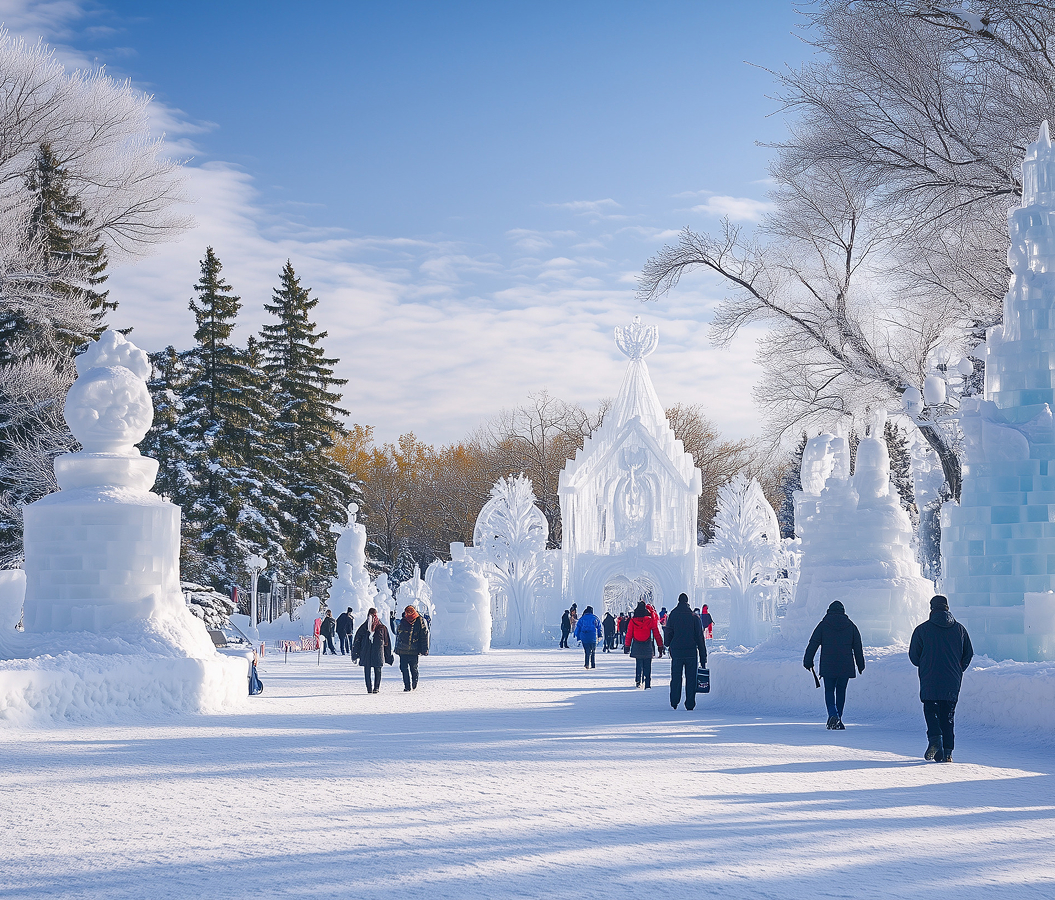
Rideau Canal is best known for its extraordinary nineteenth-century engineering, historic military significance, and transformation into one of Canada's most celebrated recreational waterways. Constructed between 1826 and 1832 under the direction of British military engineer Lieutenant Colonel John By, the canal established a navigable connection between Ottawa and Kingston through an extensive system of rivers, lakes, artificial channels, and locks. Its development followed the War of 1812, when British authorities sought a secure inland transportation route linking Montreal with the naval facilities of Lake Ontario. The completed waterway extends 202 kilometers, incorporating an elaborate network of masonry locks, dams, and engineering structures that reflect the technical achievements of early nineteenth-century canal construction. The Ottawa Locks descend toward the Ottawa River through a dramatic sequence of eight interconnected chambers, preserving the original engineering principles of the historic waterway. UNESCO designated the Rideau Canal a World Heritage Site in 2007, recognizing its exceptional preservation and significance within the history of North American transportation engineering. During winter, a substantial section of the canal through Central Ottawa becomes the Rideau Canal Skateway, establishing one of the world's most celebrated outdoor skating environments. Rideau Canal represents an exceptional achievement in Canadian engineering through its historic military purpose, extensive navigational infrastructure, and enduring recreational significance.
Day 3: Canadian Museum of Nature
Canadian Museum of Nature is best known for its extraordinary natural history collections and its expansive Gothic Revival museum building within Ottawa's historic urban landscape. The institution traces its origins to the Geological Survey of Canada, established in 1842, whose scientific investigations contributed to the systematic exploration of the country's geology, mineral resources, and natural environments. Its permanent collections encompass fossils, minerals, botanical specimens, zoological materials, and other objects associated with Canada's extensive natural history. The museum's celebrated fossil galleries incorporate significant dinosaur specimens and other prehistoric organisms recovered from Canadian geological formations. Its historic building, completed in 1912, was designed by architect David Ewart and incorporates elaborate stone ornamentation, expansive entrances, and architectural influences associated with European castles. The structure served as the temporary home of Canada's Parliament following the devastating fire that destroyed the original Centre Block in 1916. A major restoration and expansion completed in 2010 introduced the dramatic glass Queens' Lantern, establishing a contemporary architectural counterpoint to the historic masonry building. Canadian Museum of Nature represents one of Canada's principal scientific institutions through its extensive natural history collections, longstanding research traditions, and distinguished museum architecture.
Day 3: Beckta Dining & Wine
Beckta Dining & Wine is best known for its refined contemporary Canadian cuisine and its longstanding contribution to Ottawa's development as a sophisticated culinary destination. Founded by restaurateur Stephen Beckta in 2003, the restaurant introduced an ambitious fine-dining approach shaped by Beckta's professional experience in prominent international restaurants and his extensive knowledge of wine. Its culinary program emphasizes carefully sourced seasonal ingredients, refined European techniques, and thoughtfully composed dishes reflecting the agricultural diversity of Canada. The restaurant occupies the historic Grant House on Elgin Street, a distinguished nineteenth-century residence whose architectural character incorporates elegant interior rooms and carefully preserved period details. Its wine program reflects Beckta's professional background as a sommelier, emphasizing thoughtful selections and pairings that complement the kitchen's contemporary preparations. The restaurant's development contributed to the emergence of a more ambitious independent dining culture within the Canadian capital. Beckta Dining & Wine represents an influential institution in Ottawa's gastronomic history through its sophisticated approach to Canadian ingredients, refined hospitality, and exceptional wine program.
Where your story begins.
Foresyte Travel reveals places that feel extraordinary long before you arrive.
Enjoy editorial crafted for luxury travelers.
Foresyte may earn a commission when you book.