Why Beckta Dining & Wine matters.
Beckta Dining & Wine is a celebrated Canadian fine-dining restaurant where Downtown Ottawa's historic Elgin Street meets contemporary Canadian gastronomy, distinguished wine stewardship, and Stephen Beckta's influential approach to independent hospitality.
Occupying the restored Grant House near the intersection of Elgin and Gloucester streets, Beckta Dining & Wine stands along the eastern edge of Downtown Ottawa, south of Confederation Square and west of the Rideau Canal, amid the capital's historic institutional buildings and established restaurant corridor. The two-and-a-half-storey brick residence presents the architectural character of a substantial Victorian townhouse, with Second Empire influences, a steep mansard roof, dormer windows, and carefully proportioned openings. Its historic exterior establishes a distinctive contrast with the larger commercial buildings surrounding the property, preserving the domestic scale of nineteenth-century Elgin Street. The entrance introduces a succession of intimate dining spaces distributed across the ground and upper floors, retaining the proportions of the original residence. Ornamental fireplaces, decorative moldings, substantial windows, and traditional architectural detailing contribute to the building's residential character. Carefully restored woodwork and contemporary furnishings establish a relationship between the historic interior and the restaurant's modern culinary program. The dining rooms occupy interconnected spaces whose varying dimensions create different perspectives on the building's original architecture. A separate wine bar introduces a more informal setting within the same property, with counter seating and high tables adjoining the principal dining areas. The building's connection to the neighboring Performance Court development places the restored nineteenth-century residence within a substantially newer commercial complex. Along Elgin Street, the surrounding streetscape combines historic churches, government institutions, hotels, and independent restaurants, connecting the property with Ottawa's established cultural and political center. The result is an architecturally distinctive fine-dining destination whose restored Victorian surroundings preserve an important chapter of Ottawa's residential heritage within the capital's contemporary restaurant landscape.
What defines Beckta Dining & Wine.
Beckta Dining & Wine is best known for Stephen Beckta's transformation of a childhood ambition into one of Ottawa's most consequential independent fine-dining businesses, combining international restaurant training, Canadian culinary leadership, and the restoration of a landmark nineteenth-century residence. Beckta entered the hospitality industry at thirteen, working as a busser at Malibu Jack's in the ByWard Market before gaining further experience in Ottawa restaurants and pubs. His early fascination with restaurant service developed into a professional ambition that eventually brought him to Algonquin College, where he graduated with honours from the institution's sommelier program. He subsequently moved to New York City, beginning a four-year period of professional development within two of the city's most influential restaurants. At Café Boulud, he worked alongside Daniel Boulud, gaining exposure to the technical discipline and service traditions associated with French fine dining. His subsequent appointment at Eleven Madison Park brought him into Danny Meyer's restaurant organization, where he spent two years developing his understanding of dining-room management and hospitality. Beckta returned to Ottawa following a visit during which he met Maureen Cunningham, whose relationship with him contributed to his decision to establish his business in his hometown. In May 2003, he opened Beckta Dining & Wine in a Victorian townhouse on Nepean Street, returning to a building where he had previously worked when it housed the Ritz restaurant. Chef Michael Moffatt became a defining culinary collaborator during the restaurant's early development, establishing a kitchen centered on seasonal Canadian ingredients and technically ambitious contemporary cooking. Within two months of opening, Air Canada's enRoute magazine placed Beckta fourth among Canada's best new restaurants, bringing national attention to the young Ottawa establishment. The restaurant subsequently developed an exceptional record of CAA/AAA Four Diamond distinctions, reinforcing its position within Canada's fine-dining industry. Beckta's personal achievements accompanied the restaurant's expansion, including recognition as Ontario's Top Independent Restaurateur by the Ontario Hostelry Institute in 2007. He received the Bill Joe Restaurateur of the Year Award in 2011 and the National Terroir Outstanding Service Professional Award in 2013, distinguishing his contributions to restaurant leadership and hospitality. His business expanded in 2009 with Play Food & Wine, a ByWard Market restaurant built around contemporary small plates and a substantial wine program. Gezellig followed in Westboro, extending the group's culinary approach into a converted midcentury bank building. Managing partner Clay Cardillo contributed another important professional foundation to the organization, having graduated from Algonquin College's culinary program in 1998 before working at LeMetro, the National Arts Centre, and The Keg. The flagship restaurant entered a major new chapter in November 2014 when Beckta relocated it into the historic Grant House. Built in 1875, the Second Empire residence had belonged to Dr. James Alexander Grant, a physician, parliamentarian, and Canada's first Surgeon General. Grant served as president of the Canadian Medical Association and became an influential figure in the country's nineteenth-century medical establishment. His former residence subsequently accommodated the University Club of Ottawa before becoming Friday's Roast Beef House, which occupied the property for thirty-seven years. The restaurant's relocation followed a substantial restoration that preserved the building's historic architectural character while introducing the infrastructure required for contemporary fine dining. Its heritage designation encompasses both exterior and interior features, giving the project an unusually strong relationship with Ottawa's architectural preservation. The move also introduced a dedicated wine bar alongside the formal dining rooms, extending the restaurant's hospitality program into a broader range of dining occasions. Beckta's influence reached another national milestone during Canada's sesquicentennial celebrations in 2017, when he organized Canada's Table, a dinner for one thousand guests near Parliament Hill involving twenty leading chefs from across the country. The event brought together Canadian culinary talent within the capital's ceremonial landscape, extending the restaurateur's work beyond his individual establishments. In 2023, Beckta celebrated its twentieth anniversary, with chef-partner Rich Wilson, executive chef Katie Ardington, Cardillo, and other senior members of the organization contributing to the restaurant's continuing development. More than two decades after its original opening, Beckta's history connects Ottawa's independent restaurant culture with international hospitality training, nationally recognized culinary leadership, and the preservation of one of the city's distinguished Victorian residences.
Kyle Wilson's contemporary Canadian cooking develops the restaurant's culinary character through seasonal ingredients, carefully controlled preparation, and the relationship between each course and its accompanying wine. Working alongside chef de cuisine Lukas Zajicek, Wilson directs a kitchen whose five-course tasting menu changes with the availability of regional produce and the sequence of the seasons. The tasting format gives the kitchen freedom to develop successive preparations around contrasting textures, temperatures, and flavor intensities, with individual courses establishing a deliberate movement through the meal. Canadian ingredients provide the foundation, and French culinary techniques contribute precision to the treatment of proteins, vegetables, and sauces. A preparation of seared trout demonstrates the kitchen's attention to textural contrast, placing delicate fish against smoked fingerling potatoes and a smooth corn-based purée. Pickled onions introduce acidity, and dill pickle soubise develops the familiar French onion sauce through a distinctly sharper aromatic profile. The result depends upon the relationship between the fish's restrained richness, the potatoes' smoky character, and the sauce's concentrated vegetable flavors. That same blend of richness and acidity carries into the restaurant's treatment of meat, where careful searing and roasting establish savory depth before vegetable accompaniments introduce freshness and contrast. Québec pork tenderloin offers another expression of this approach, connecting the meat with braised pork hock, sunchokes, pears, and mustard greens. The combination develops sweetness and earthy bitterness around the pork, allowing familiar Canadian ingredients to support a more elaborate composition. Vegetable preparations receive comparable technical attention, with seasonal produce moving through roasting, pickling, puréeing, and delicate finishing techniques to establish contrasting textures within individual courses. The kitchen's treatment of pasta introduces another dimension through ricotta and corn ravioli, where soft filling and tender pasta meet chicken jus, aromatic onion oil, and toasted almonds. The resulting balance combines dairy richness, the sweetness of corn, and the savory concentration of the sauce. Wine selection forms an equally consequential component of the meal, extending Stephen Beckta's professional background into a program emphasizing boutique producers and smaller-production bottles from Ontario and international regions. Optional pairings accompany the tasting menu, creating relationships between the acidity, structure, aroma, and texture of individual wines and the food served alongside them. The restaurant's wine bar provides access to the same culinary program through a more flexible setting, connecting the formal dining rooms with a less structured approach to ordering and drinking. Service develops around the relationship between the kitchen and dining room, with explanations of preparations and thoughtful wine guidance contributing to the sequence of the meal. Beckta's distinctive culinary character emerges through this integration of contemporary Canadian cooking, seasonal ingredient relationships, and carefully selected wine, giving the restaurant a unified approach to food and hospitality grounded in its founder's professional history.
How Beckta Dining & Wine fits.
Beckta Dining & Wine works as the culinary centerpiece of a Downtown Ottawa exploration connecting the capital's historic public gardens, nationally significant performing arts architecture, and expansive military commemoration.
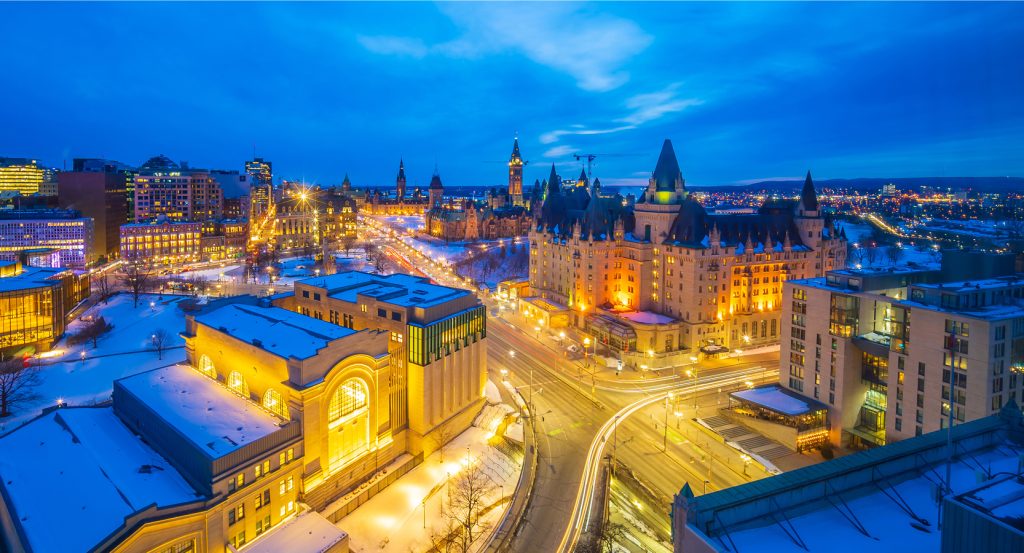
Begin at Confederation Park, the landscaped public space occupying the eastern side of Elgin Street near Laurier Avenue. The park opened in 1967 as part of Canada's centennial celebrations, transforming a prominent downtown site into a permanent civic landscape within the national capital. Its 2.63 hectares incorporate mature trees, open lawns, paved pathways, and a substantial collection of monuments associated with Canadian military and civic history. The South African War Memorial commemorates Canadians who served during the Second Boer War, with its bronze sculptural composition forming an important feature of the park's historical landscape. The National Aboriginal Veterans Monument honors the contributions of Indigenous Canadians to the country's military history, incorporating symbolic figures and animals into its sculptural design. A memorial fountain honoring Lieutenant-Colonel John By adds another historical connection, having previously stood in London's Trafalgar Square for almost a century before arriving in Ottawa. The park also serves as a major venue for Winterlude and the Ottawa International Jazz Festival, connecting its landscaped grounds with the capital's annual cultural calendar. Continue north to the National Arts Centre, the expansive performing arts institution overlooking the Rideau Canal near Confederation Square. The project emerged from Canada's centennial building program, with Hamilton Southam playing a central role in its development as a major national cultural institution. Architect Fred Lebensold led the design through the Montréal firm Affleck, Desbarats, Dimakopoulos, Lebensold & Sise, creating a striking Brutalist complex organized around interconnected hexagonal forms. Construction began in 1965, and the National Arts Centre opened in 1969 with substantial facilities dedicated to orchestral music, theater, dance, and other performing arts. Southam Hall became its principal performance venue, establishing an important home for the National Arts Centre Orchestra. The institution's artistic history includes the leadership of conductor Mario Bernardi, who became the orchestra's founding music director and helped establish its national and international profile. The building received National Historic Site designation in 2006, recognizing its architectural significance and exceptional contribution to Canadian performing arts. Conclude at the National War Memorial, the expansive granite arch occupying Confederation Square at the northern end of Elgin Street. British sculptor Vernon March won the international competition for its design in 1926, developing a composition of twenty-two bronze figures representing Canadian military personnel and supporting services associated with the First World War. March died in 1930 before completing the work, and members of his family finished the sculptures according to his original design. King George VI unveiled the memorial on May 21, 1939, establishing one of Canada's principal sites of national military remembrance. The Tomb of the Unknown Soldier was added in 2000, containing the remains of an unidentified Canadian serviceman recovered from a First World War cemetery near Vimy Ridge in France. The monument serves as the focal point of Ottawa's national Remembrance Day ceremony, bringing together military personnel, veterans, dignitaries, and members of the public each November. The progression moves from Confederation Park's centennial landscape through the National Arts Centre's modernist performing arts heritage and culminates at the National War Memorial, where Canada's military history occupies one of the capital's most consequential ceremonial spaces.
Where your story begins.
Foresyte Travel reveals places that feel extraordinary long before you arrive.
Enjoy editorial crafted for luxury travelers.
Foresyte may earn a commission when you book.