Perfect weekend in Seattle, Washington.
Seattle developed from a Pacific Northwest trading settlement into one of America's foremost centers of maritime commerce, aviation, technology, and scientific innovation. Situated between Puget Sound and Lake Washington, the city rises across a series of hills overlooking waterways that connect the Pacific Ocean with the forests and mountains of western Washington. The region forms part of the ancestral homelands of the Coast Salish peoples, including the Duwamish and Suquamish, whose communities established fishing settlements and trading relationships throughout the surrounding waterways. Chief Si'ahl, a prominent Duwamish and Suquamish leader, became associated with the city's name following the arrival of American settlers during the nineteenth century. The Denny Party established a settlement at Alki Point in 1851 before relocating across Elliott Bay to the sheltered waterfront that became Seattle's commercial center. Timber production supported the early economy, with Henry Yesler's steam-powered sawmill accelerating the export of lumber to growing Pacific settlements. Seattle incorporated in 1865, lost its municipal charter in 1867, and reincorporated in 1869. The Great Seattle Fire of 1889 destroyed much of the commercial district, prompting reconstruction in brick and stone and substantial changes to street elevations. The Klondike Gold Rush of 1897 transformed Seattle into a principal supply center for prospectors traveling to Alaska and the Yukon. During the twentieth century, shipbuilding and aviation strengthened the regional economy, particularly through Boeing, founded by William E. Boeing in 1916. The Alaska-Yukon-Pacific Exposition of 1909 and Century 21 Exposition of 1962 brought international attention to the city's commercial ambitions and technological achievements. Subsequent growth in software development, biotechnology, global retail, and cloud computing established Seattle as a major center of the American technology industry.
Washingtonian musical innovation acquired international prominence in Seattle, where independent recording studios, experimental performers, and neighborhood music venues contributed to several influential movements in American popular culture. During the 1960s, guitarist Jimi Hendrix developed his musical foundations in Seattle before achieving international recognition through recordings that transformed electric guitar performance. The city's alternative rock movement gained prominence during the late 1980s and early 1990s, with Nirvana, Pearl Jam, Soundgarden, and Alice in Chains contributing to the global success of grunge. Sub Pop Records, founded in 1986, became closely associated with the development and distribution of the region's independent music. Seattle's literary history includes the work of Richard Hugo, whose poetry explored the landscapes and communities of the Pacific Northwest, and Sherman Alexie, whose writing examines Indigenous life and contemporary American society. The Seattle Art Museum, founded in 1933, developed collections encompassing Asian art, Indigenous works, European painting, and contemporary artistic production. The Seattle Asian Art Museum, housed in a 1933 Art Deco building in Volunteer Park, strengthened the city's longstanding connections with artistic traditions across the Pacific. Seattle's culinary culture developed through Coast Salish fishing practices, Pacific maritime commerce, and the agricultural resources of Washington State. Salmon occupies a central place in regional food traditions, particularly through Indigenous methods of roasting and smoking fish over open fires. Dungeness crab, oysters, clams, and geoduck contribute to the seafood traditions of Puget Sound, supported by the surrounding estuaries and coastal fisheries. Japanese immigration introduced established traditions of sushi, noodles, and seafood preparation, and Seattle subsequently developed a substantial restaurant culture devoted to East Asian cooking. Filipino communities contributed dishes including adobo, pancit, and sinigang, strengthening the city's connections with the wider Pacific. Washington's agricultural regions supply apples, cherries, berries, mushrooms, and seasonal vegetables, supporting contemporary restaurants devoted to regional ingredients. Coffee roasting became particularly influential during the late twentieth century, with independent cafés contributing to Seattle's association with American specialty coffee culture. A weekend in Seattle unfolds across a city shaped by Coast Salish history, Pacific maritime enterprise, influential musical movements, and the extraordinary culinary resources of Washington's forests, farms, and coastal waters.
Three day itinerary.
Day 1: Space Needle
Space Needle is best known for translating the technological optimism of the 1962 Seattle World's Fair into the defining structure of the city's skyline. Hotel executive Edward E. Carlson conceived the original tower after encountering the Stuttgart television tower, and architect John Graham Jr. helped develop the idea into a futuristic observation structure for the exposition. Construction required a massive reinforced-concrete foundation completed through a continuous pour before the steel tower rose to 605 feet. Its saucer-shaped upper level embodied the Space Age imagery surrounding the Century 21 Exposition, whose central theme concerned life in the twenty-first century. The Space Needle subsequently outlived the fairgrounds that produced it and became an enduring expression of Seattle's long association with engineering, aerospace, and technological ambition.
Day 1: Canlis
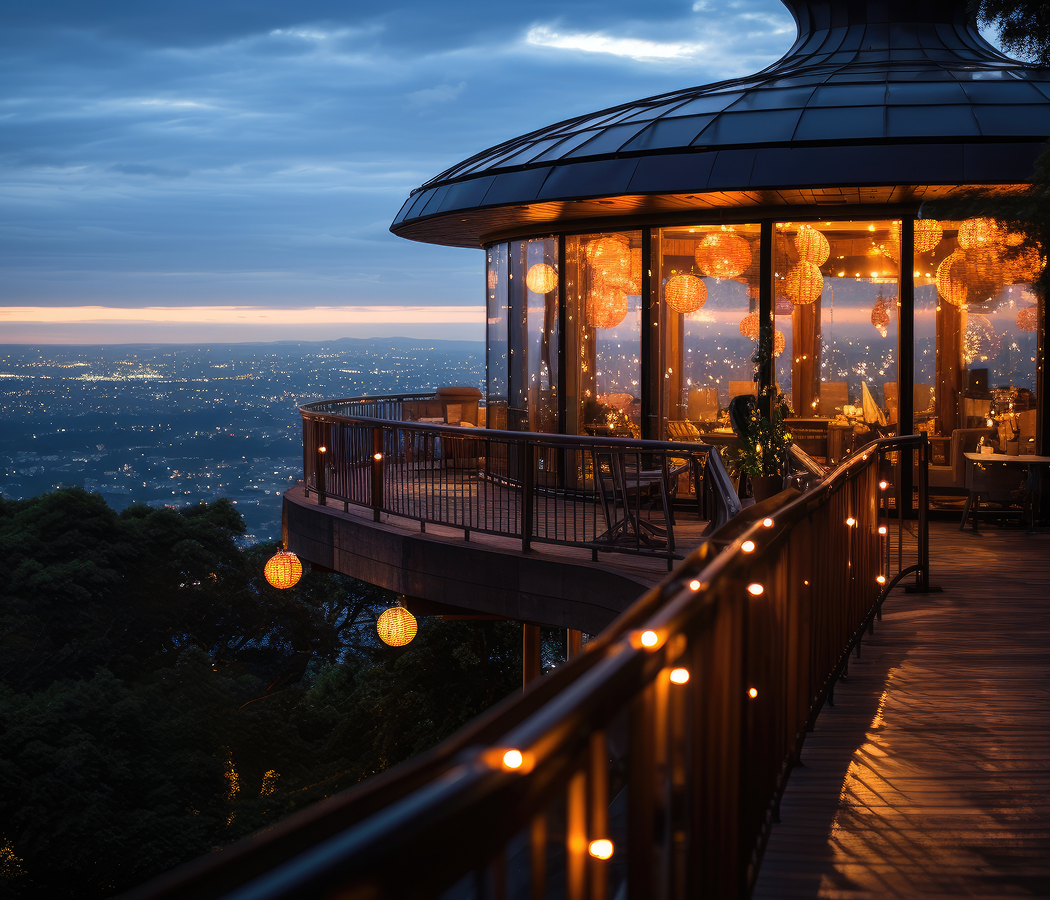
Canlis is best known for joining generations of Seattle restaurant history with one of the city's most consequential works of midcentury hospitality architecture. Peter Canlis opened the restaurant in 1950 on the eastern slope of Queen Anne, commissioning architect Roland Terry to create a dramatic modern building overlooking Lake Union and the Cascade Mountains. Timber, stone, expansive glazing, and an open interior gave the restaurant a distinctly Pacific Northwest architectural character decades before that regional style became internationally familiar. Successive generations of the Canlis family preserved the institution as its kitchen evolved through changing eras of American fine dining. Its combination of family stewardship, modernist architecture, regional identity, and culinary ambition gives Canlis a distinctive position in Seattle restaurant history.
Day 2: Pike Place Market
Pike Place Market is best known for preserving a working public market at the center of Seattle's historic waterfront economy. The market opened in 1907 after rising food prices encouraged the city to create a place where farmers could sell directly to consumers. Agricultural stalls expanded into a dense collection of fishmongers, butchers, produce sellers, craftspeople, restaurants, and small businesses occupying multiple levels above Elliott Bay. Mid-twentieth-century redevelopment threatened the complex before architect Victor Steinbrueck and civic activists led a successful preservation campaign. Seattle voters approved protection of the market in 1971, preserving both its buildings and its economic role. Pike Place subsequently became an influential model for combining historic preservation with independent commerce inside an active urban district.
Day 2: Matt's in the Market
Matt’s in the Market is best known for interpreting Pacific Northwest cooking from within the historic fabric of Pike Place Market itself. Matt Janke established the restaurant in 1996 above the market, giving its dining room a direct relationship with the producers, fishmongers, merchants, and food businesses operating below. The kitchen developed around seafood, seasonal produce, meat, and ingredients drawn from the extraordinary agricultural and maritime resources surrounding Puget Sound. Large windows frame the market's neon sign and Elliott Bay, making the physical setting inseparable from the restaurant's identity. Decades of operation established Matt's as an enduring expression of Seattle market cooking, connecting contemporary restaurant technique directly to one of the city's most important food institutions.
Day 2: Chihuly Garden and Glass
Chihuly Garden and Glass is best known for presenting Dale Chihuly's expansive glass sculpture within the Seattle landscape that shaped his artistic career. Chihuly was born in Tacoma and studied glassmaking before cofounding the Pilchuck Glass School north of Seattle in 1971, helping transform the Pacific Northwest into an international center for studio glass. The Seattle Center exhibition opened in 2012 beside the Space Needle and organizes his work across interior galleries, an expansive Glasshouse, and an outdoor garden. Large-scale installations demonstrate techniques involving blown glass, repeated organic forms, intense color, and complex assemblage. The project concentrates decades of Chihuly's experimentation within a permanent institution tied directly to the region where the American studio-glass movement achieved extraordinary international influence.
Day 2: The Herbfarm
The Herbfarm is best known for pioneering Pacific Northwest farm-to-table cuisine through elaborate seasonal tasting menus celebrating the region's agricultural abundance, forests, waterways, and culinary heritage. Its origins trace to 1974, when Bill and Lola Zimmerman established an herb nursery in Fall City, Washington, eventually cultivating hundreds of varieties of culinary and medicinal plants. Their son Ron Zimmerman and his wife Carrie Van Dyck transformed the family enterprise into a restaurant in 1986, introducing an ambitious dining philosophy centered on locally grown ingredients and the changing seasons of the Pacific Northwest. An electrical fire destroyed the original restaurant in 1997, prompting a period of temporary operations before The Herbfarm established its permanent home in Woodinville wine country in 2001. The restaurant subsequently became one of America's influential early practitioners of regional, ingredient-driven fine dining, helping advance a culinary movement rooted in agricultural relationships and environmental stewardship. Its nine-course dinners incorporate ingredients from the restaurant's gardens and regional producers, with seasonal menus devoted to subjects including wild mushrooms, native truffles, salmon, and the agricultural harvest. The dining experience unfolds in an intimate country-house setting, accompanied by carefully selected Pacific Northwest beverage pairings, garden visits, and conversations with the culinary team. The Herbfarm represents a defining chapter in Washington's culinary evolution, connecting generations of agricultural knowledge with the sophistication of contemporary American fine dining.
Day 3: Tilikum Place Cafe
Tilikum Place Cafe is a neighborhood bistro in Seattle's Belltown district, situated beside Tilikum Place Park and its statue of Chief Seattle. Its European-inspired cooking emphasizes seasonal ingredients, traditional preparations and the convivial atmosphere of a small neighborhood restaurant. The cafe is known for its Dutch babies, oven-baked pancakes whose dramatically risen edges surround a tender center. Sweet preparations incorporate ingredients such as brown butter and roasted fruit, and savory variations introduce bacon, vegetables and Beecher's cheddar. Eggs Benedict, baked eggs and changing seasonal specials extend the brunch menu through carefully prepared interpretations of familiar breakfast dishes. Floor-to-ceiling windows overlook the surrounding streets, with the Space Needle visible from the dining room. Its combination of distinctive brunch cooking, intimate hospitality and proximity to Seattle Center makes it an appealing introduction to the city's independent dining culture.
Day 3: Hoh Rain Forest
Hoh Rain Forest is best known for preserving one of the finest temperate rain forests in North America within Olympic National Park. Moisture carried inland from the Pacific encounters the Olympic Mountains and produces extraordinary precipitation along their western slopes, sustaining dense forests dominated by Sitka spruce and western hemlock. Mosses, ferns, lichens, nurse logs, and immense conifers create a layered ecosystem structured by abundant water and decomposing wood. Roosevelt elk inhabit the surrounding forest and river valley, adding one of the region's largest native mammals to its ecological system. Federal protection within Olympic National Park preserved the Hoh watershed from the intensive logging that transformed substantial portions of the Pacific Northwest, leaving an exceptional surviving expression of the region's coastal forest ecology.
Day 3: Snoqualmie Falls
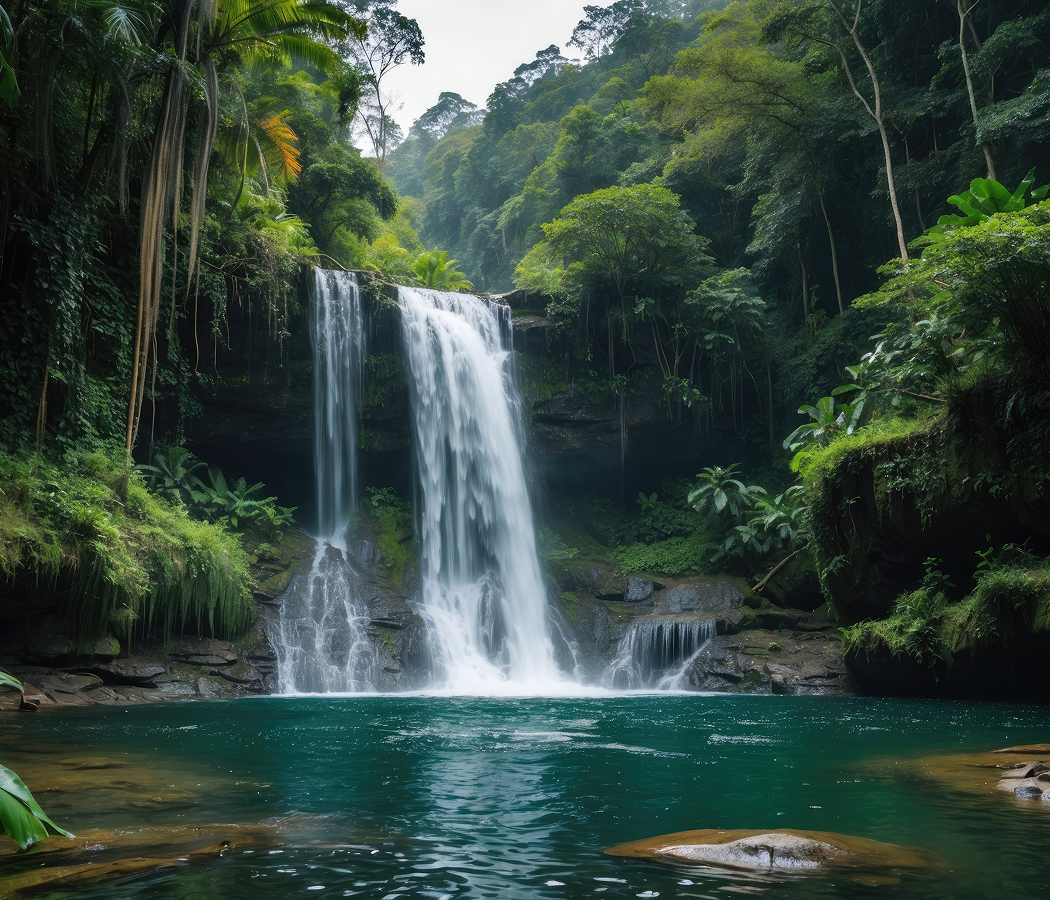
Snoqualmie Falls is best known for the 268-foot plunge of the Snoqualmie River and its profound cultural importance to the Snoqualmie people. The waterfall occupies a dramatic geological break east of Seattle where the river descends into a deep gorge carved through volcanic rock. For the Snoqualmie Tribe, the falls possess sacred significance tied to creation traditions and the spiritual character of the surrounding landscape. Industrial development introduced another chapter when hydroelectric generation began at the site during the late nineteenth century, including an underground generating facility excavated into bedrock. The coexistence of sacred geography, dramatic hydrology, and early electrical infrastructure gives Snoqualmie Falls an unusually layered position within the environmental and technological history of the Puget Sound region.
Day 3: The Walrus and the Carpenter
The Walrus and the Carpenter is best known for Renee Erickson's role in placing Pacific Northwest shellfish at the center of modern Seattle dining. Erickson and partners opened the Ballard oyster bar in 2010 within a converted industrial building, creating an intimate restaurant structured around the extraordinary marine products of Washington waters. Oysters from Puget Sound and the broader Pacific Northwest anchor a menu of shellfish, fish, vegetables, bread, and concise preparations designed to preserve the character of individual ingredients. The restaurant strengthened Erickson's emergence as one of Seattle's defining restaurateurs and deepened national attention to Washington's oyster-growing regions. Its success joined maritime agriculture, neighborhood restaurant culture, and the cold-water ecology of the Pacific Northwest within a distinctly Seattle institution.
Where your story begins.
Foresyte Travel reveals places that feel extraordinary long before you arrive.
Enjoy editorial crafted for luxury travelers.
Foresyte may earn a commission when you book.