Perfect weekend in Colorado.
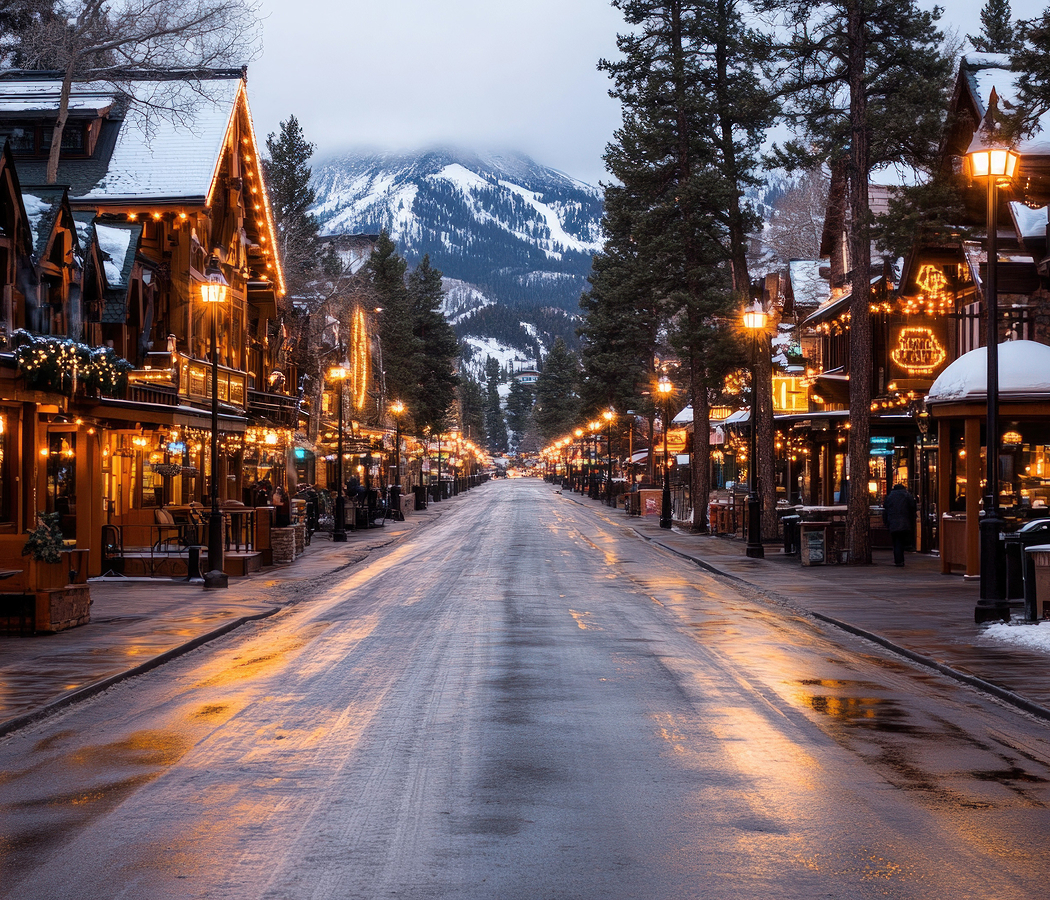
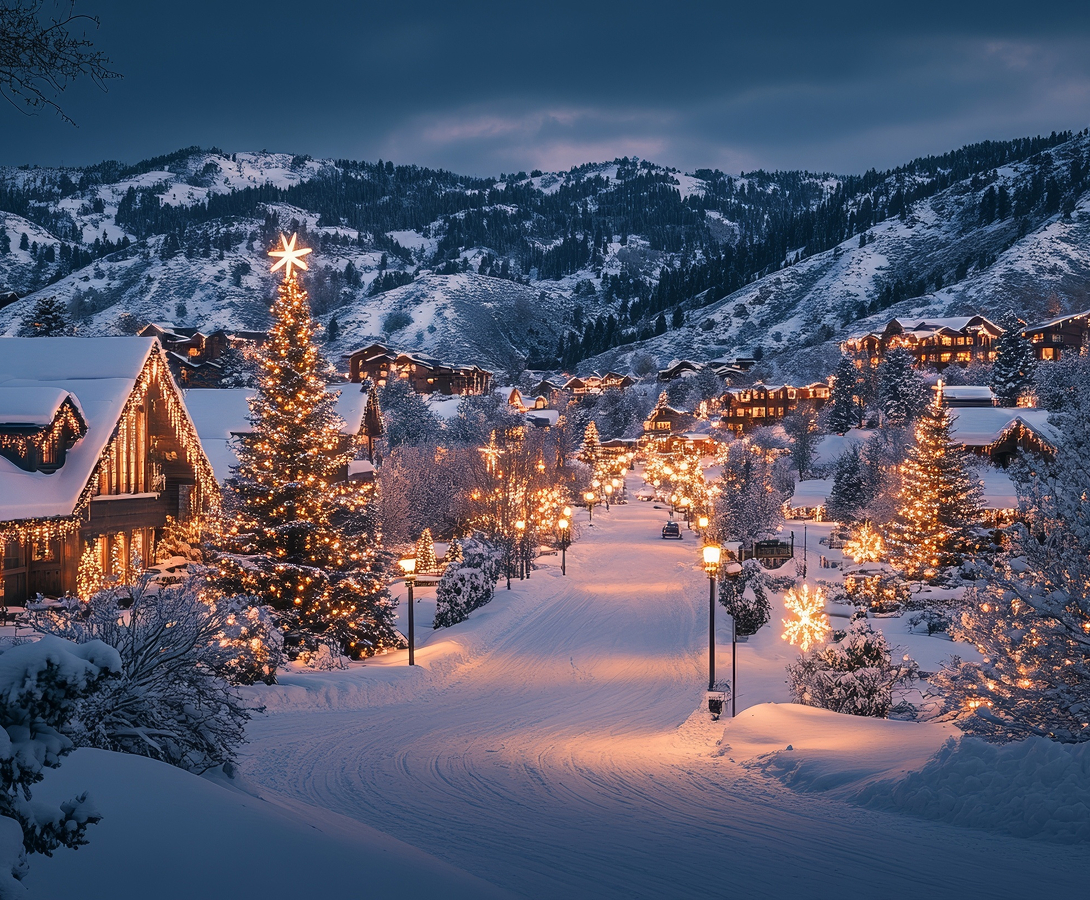
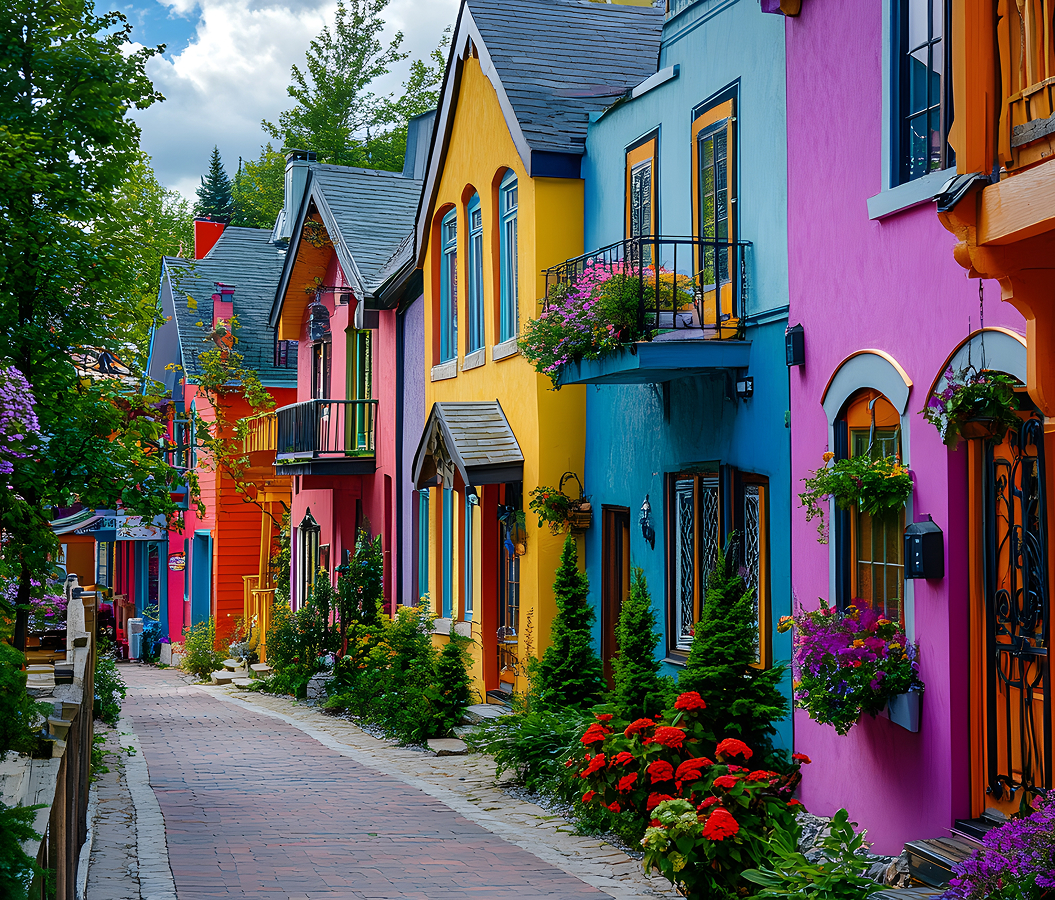
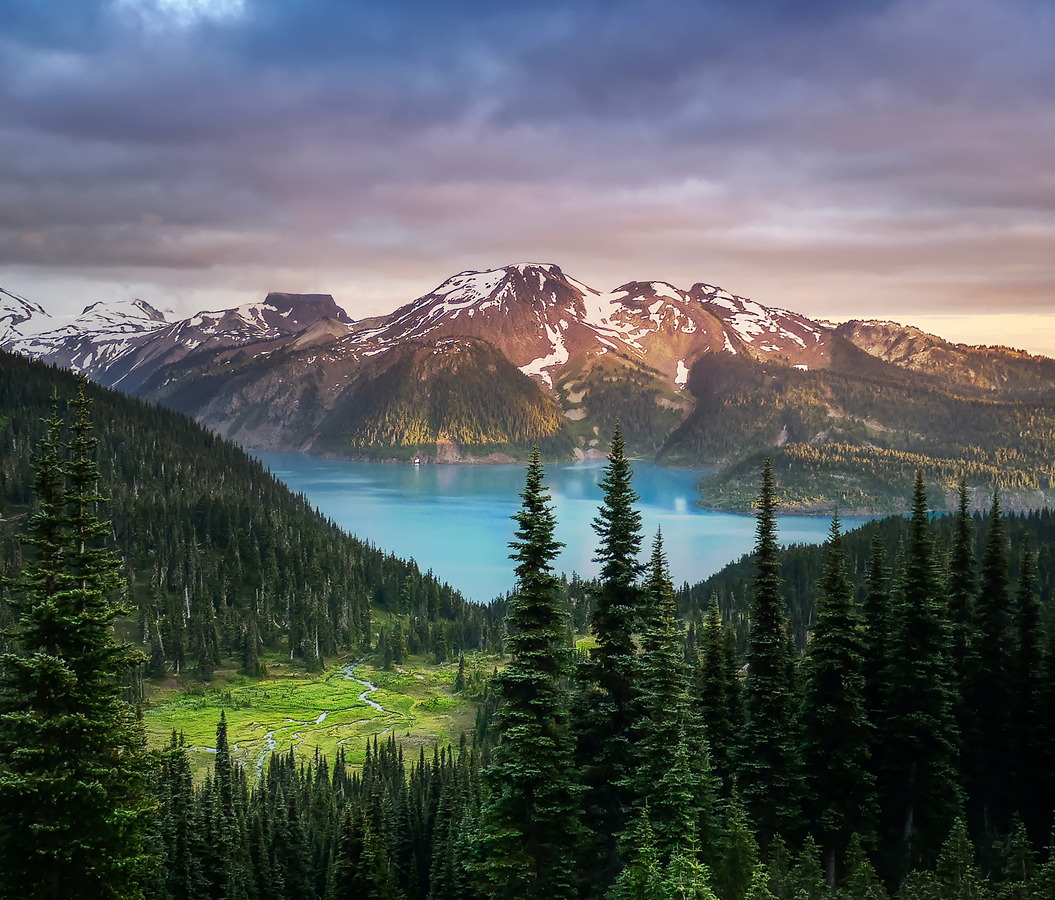
Breckenridge emerged from the Colorado Gold Rush as a mountain settlement whose mining heritage, Victorian architecture, and transformation into an internationally celebrated ski destination established its distinctive place in the American Rockies. Situated in the Blue River Valley beneath the towering summits of the Tenmile Range, the town occupies a high-altitude landscape shaped by glacial activity, alpine waterways, and the mineral resources of Central Colorado. The surrounding mountains formed part of the ancestral territories of Indigenous peoples, particularly the Ute, whose seasonal movements connected the valleys and mountain passes of the southern Rocky Mountains. The discovery of placer gold along the Blue River in 1859 brought prospectors into the region during the Pike's Peak Gold Rush, encouraging the establishment of mining camps throughout what became Summit County. Breckenridge developed as a commercial center supplying miners working the surrounding gulches, with merchants, boardinghouses, saloons, and transportation enterprises supporting the expanding settlement. The town's name honored John C. Breckinridge, then vice president of the United States, although the spelling subsequently changed amid the political divisions of the Civil War. The discovery of richer mineral deposits encouraged underground mining during the following decades, bringing investment in industrial equipment, processing facilities, and transportation infrastructure. In 1887, the Denver, South Park and Pacific Railroad reached Breckenridge, improving connections with Denver and regional markets. The discovery of an enormous gold nugget by miner Tom Groves in 1887 contributed to the town's enduring association with Colorado's mineral wealth. Hydraulic mining and large-scale dredging subsequently transformed sections of the Blue River Valley, leaving extensive deposits of rounded stone that preserve the physical consequences of industrial extraction. Mining activity declined during the twentieth century, and Breckenridge faced prolonged economic difficulties as its population diminished. The opening of Breckenridge Ski Area in 1961 initiated a new chapter, transforming the former mining settlement into a major destination for alpine recreation. The expansion of ski terrain across Peaks 6, 7, 8, 9, and 10 established one of Colorado's most extensive mountain resorts, with high-elevation lifts providing access to terrain approaching the Continental Divide. Breckenridge's historic Main Street preserves the commercial architecture of its mining prosperity, connecting colorful Victorian storefronts and nineteenth-century buildings with the dramatic mountain landscape that now defines the town's international appeal.
Colorado's alpine culture finds a distinctive expression in Breckenridge, where the traditions of mountain exploration, winter sports, historic preservation, and creative community life developed around the dramatic seasonal rhythms of the Tenmile Range. The town's transformation into a ski destination brought instructors, athletes, mountain guides, and outdoor enthusiasts whose activities established a recreational culture extending across generations. Breckenridge became an influential center of competitive snowboarding and freeskiing, hosting major international events and contributing to the development of terrain parks, freestyle disciplines, and contemporary mountain sports. The Breckenridge International Snow Sculpture Championships introduced another distinctive winter tradition, bringing teams of artists together to carve expansive works from enormous blocks of compacted snow. These temporary sculptures transform the historic town into an outdoor exhibition where artistic imagination responds directly to the conditions of the alpine environment. The Breckenridge Arts District occupies a collection of historic structures near the town center, supporting ceramics, painting, performance, and creative workshops that connect contemporary artistic practice with the community's architectural inheritance. Local historical preservation also contributes to the town's cultural character through surviving miners' cabins, commercial buildings, and interpretive spaces associated with nineteenth-century settlement. Breckenridge's culinary traditions reflect the agricultural heritage of Colorado and the substantial appetites associated with mountain recreation, incorporating regional beef, game, freshwater trout, and seasonal ingredients cultivated throughout the state's valleys and agricultural districts. Historic saloons and contemporary restaurants preserve the social importance of gathering places within a community shaped by mining enterprise and alpine tourism. Colorado's craft brewing culture has also influenced Breckenridge, where independent brewing traditions developed alongside the growth of the mountain resort economy. Summer introduces another dimension through hiking, cycling, fly fishing, and exploration of the surrounding national forest, with alpine wildflowers and mountain streams transforming landscapes associated with winter skiing. The Blue River provides a defining natural corridor through the town, connecting its mining history with contemporary recreation and environmental restoration. A weekend in Breckenridge brings the adventurous inheritance of Colorado's gold-rush frontier together with alpine sporting traditions, historic mountain architecture, and the enduring natural grandeur of the Rocky Mountains.
Three day itinerary.
Day 1: Breckenridge Historic District
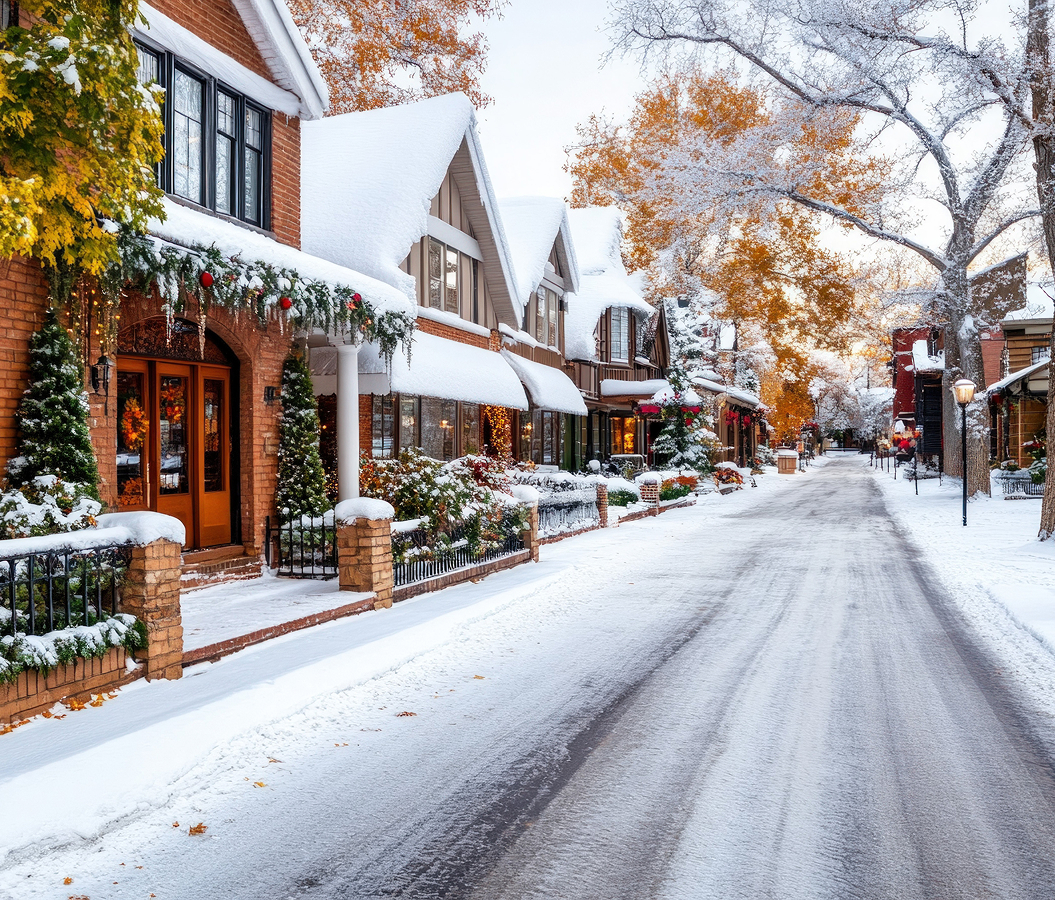
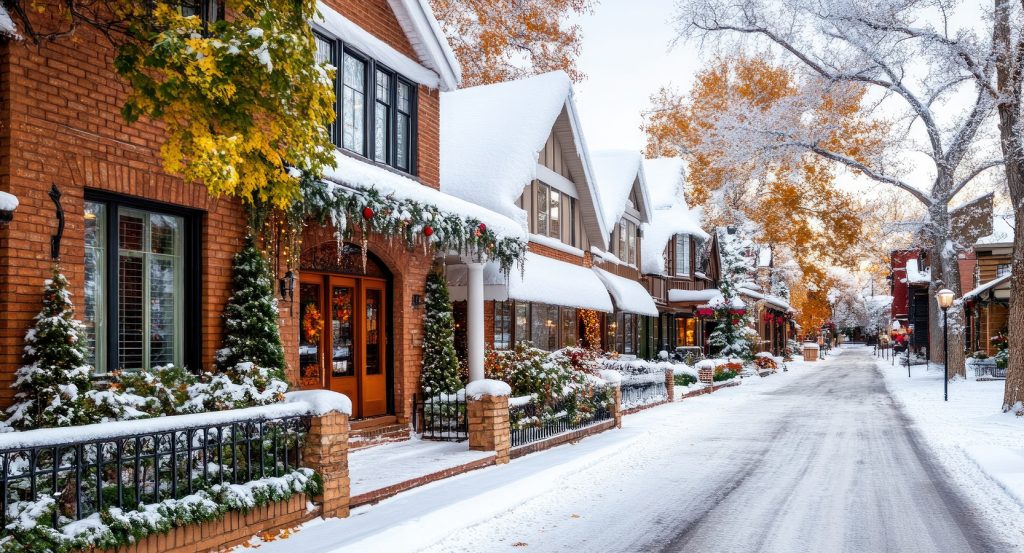
Breckenridge Historic District is best known for preserving the commercial and residential architecture of one of Colorado's most enduring nineteenth-century mining settlements. Gold discoveries along the Blue River in 1859 brought prospectors into the Tenmile Range, establishing a frontier community whose prosperity depended on placer mining, underground extraction, and trade with surrounding mountain camps. Main Street developed as the settlement's commercial center, with merchants, saloonkeepers, hoteliers, and mining entrepreneurs constructing buildings that reflected successive periods of prosperity. The arrival of the Denver, South Park and Pacific Railroad in 1887 strengthened connections with regional markets and encouraged further commercial development. Victorian storefronts, false-front buildings, miners' cottages, and historic civic structures preserve the architectural character of the gold-rush settlement. Breckenridge's transition into a ski destination during the twentieth century supported the preservation and rehabilitation of its historic center, connecting the town's mining inheritance with contemporary mountain tourism.
Day 1: Blue River Bistro
Blue River Bistro is best known for bringing contemporary American dining and a sophisticated mountain-town atmosphere to Breckenridge's historic Main Street corridor. The restaurant developed around a culinary approach combining familiar American preparations with Mediterranean influences, establishing a dining experience suited to the town's evolution from a mining settlement into an internationally recognized alpine destination. Its kitchen emphasizes seafood, steaks, pasta, and seasonal ingredients, with carefully composed sauces and contemporary presentations connecting traditional comfort food to more ambitious restaurant cooking. The dining room incorporates a substantial bar and an established tradition of live music, creating a social environment associated with Breckenridge's year-round dining culture. Its position along North Main Street places it within the town's historic commercial landscape, where nineteenth-century buildings and contemporary hospitality institutions coexist. Blue River Bistro represents the development of polished neighborhood dining within a Colorado mountain community shaped by tourism, outdoor recreation, and a distinctive historic setting.
Day 2: Breckenridge Ski Resort
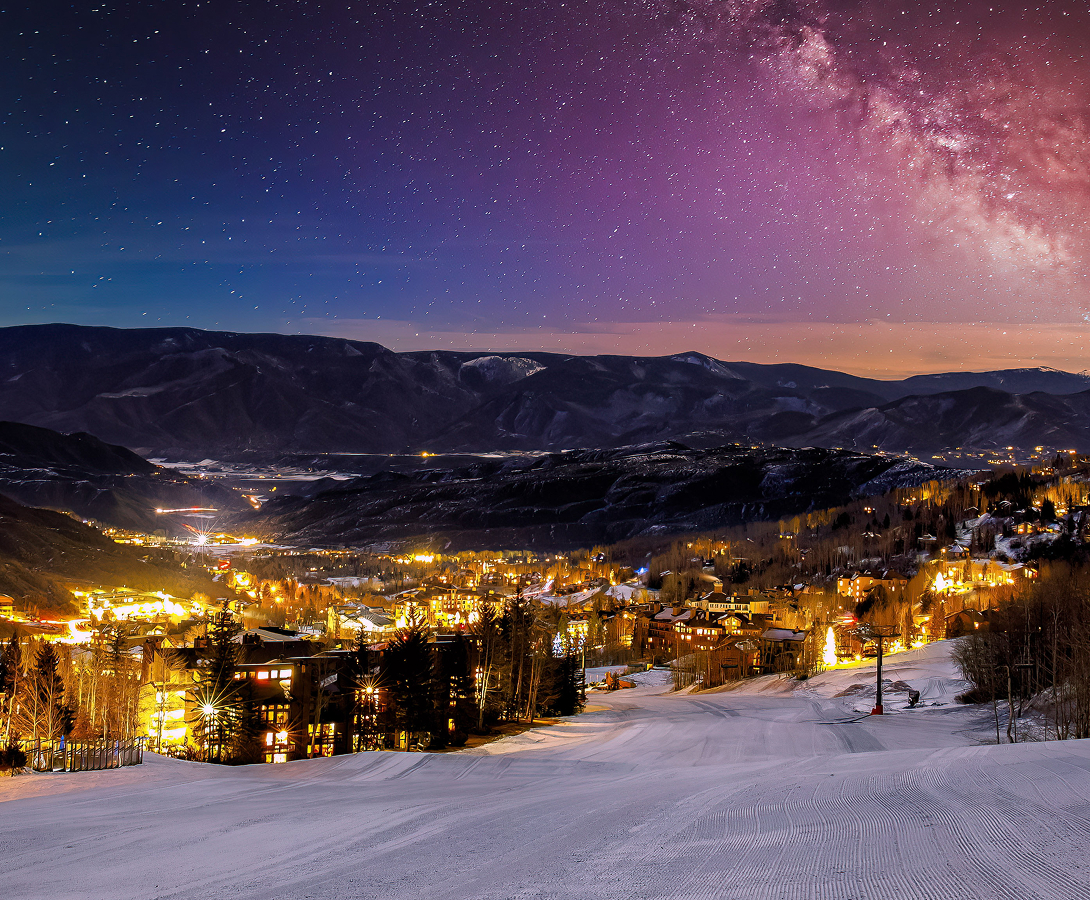
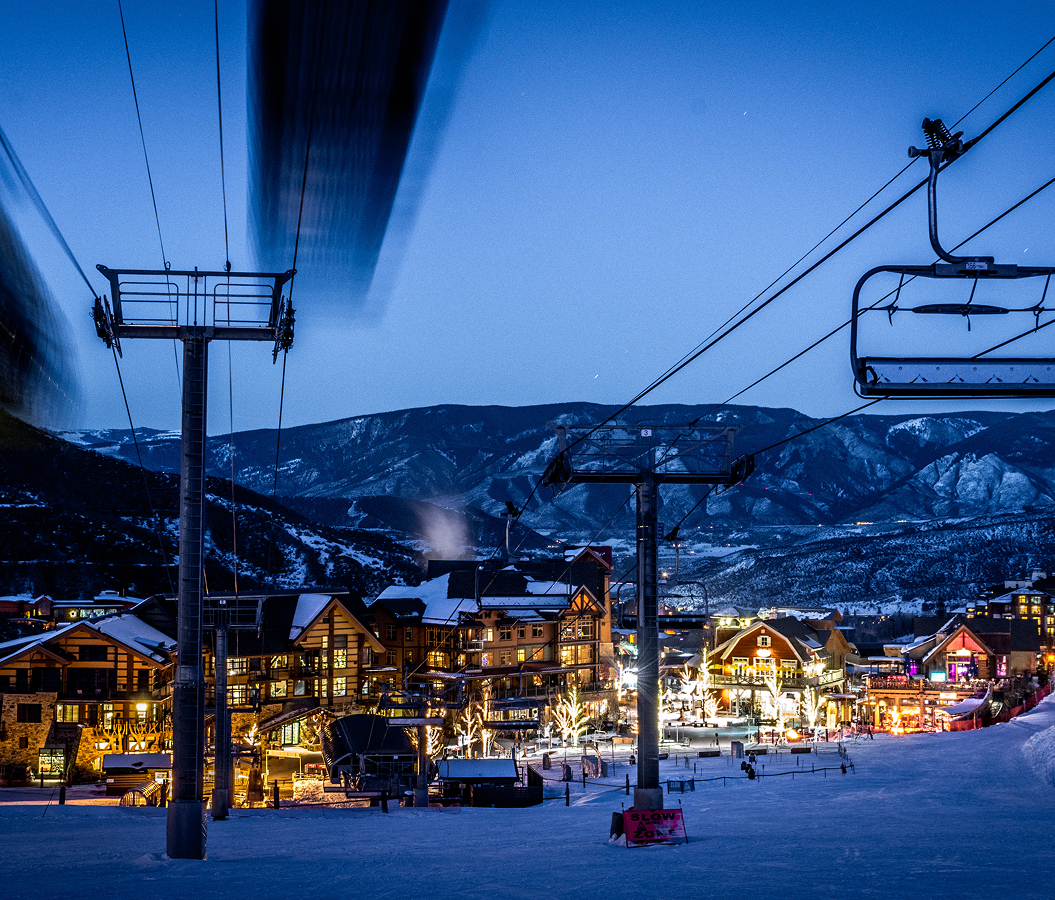
Breckenridge Ski Resort is best known for transforming the Tenmile Range into one of North America's most celebrated high-altitude skiing destinations. The ski area opened in December 1961 with terrain on Peak 8, initiating Breckenridge's transition from a declining mining community into a major center of winter recreation. Subsequent expansion introduced additional lifts, trails, and mountain facilities across Peaks 9 and 10, extending the resort's terrain through increasingly varied alpine environments. Peak 7 introduced substantial intermediate skiing, and the Imperial Express SuperChair, opened in 2005, established access to exceptionally high-elevation terrain near the summit of Peak 8. The expansion onto Peak 6 in 2013 further enlarged the resort's alpine offerings through open bowls and high-mountain skiing. Breckenridge also became internationally influential in snowboarding and freestyle skiing through major competitions and the development of advanced terrain parks. Its interconnected peaks combine forested trails, exposed alpine bowls, and dramatic views across Summit County, establishing the resort as a defining institution in Colorado's modern mountain recreation history.
Day 2: Hearthstone Restaurant
Hearthstone Restaurant is best known for combining contemporary Colorado cuisine with the preserved Victorian architecture of one of Breckenridge's distinguished nineteenth-century residences. The restaurant occupies the historic Kaiser House, constructed in 1883 during the town's mining prosperity and associated with prominent local businessman William Kaiser. Its elevated position above Main Street provides views across the historic settlement toward the surrounding Tenmile Range. The building's restored interiors preserve elements of its residential origins, creating an intimate dining environment within a substantial mountain-town landmark. Hearthstone's culinary character emphasizes Colorado ingredients and regional American cooking, incorporating game, beef, seafood, seasonal vegetables, and carefully developed sauces into a fine-dining format. The restaurant's longstanding presence within Breckenridge's dining scene connects the preservation of mining-era architecture with the development of sophisticated mountain hospitality. Its combination of historic surroundings, regional ingredients, and alpine views makes Hearthstone a distinctive expression of Colorado's culinary and architectural heritage.
Day 2: Breckenridge Nordic Center
Breckenridge Nordic Center is best known for providing an extensive network of cross-country skiing and snowshoeing trails through the forested landscapes surrounding the Tenmile Range. Located near the base of Peak 8, the center occupies a mountain environment characterized by lodgepole pine forests, open meadows, and elevated terrain overlooking the Blue River Valley. Its groomed trail system supports both classic cross-country skiing and skate skiing, reflecting Nordic disciplines that developed independently from the lift-served alpine skiing traditions of the surrounding resort. Snowshoe routes provide access to quieter woodland environments, allowing visitors to experience the ecological character of Colorado's high-elevation forests. The center's instructional programs and equipment facilities have contributed to the accessibility of Nordic recreation within Breckenridge's broader winter sports culture. Its trails reveal a contrasting dimension of the town's alpine landscape, emphasizing endurance, mountain ecology, and the longstanding relationship between winter travel and the natural environment.
Day 2: Aurum Breckenridge
Aurum Breckenridge is best known for contemporary American cuisine that connects Colorado's seasonal ingredients with an inventive, wine-focused approach to mountain dining. Restaurateur Phillips Armstrong established the Aurum concept in Breckenridge in 2018, developing a restaurant character centered on refined preparations, approachable hospitality, and the culinary possibilities of regional agricultural products. The kitchen combines vegetables, seafood, meat, and house-made preparations through techniques influenced by contemporary American fine dining, with menus adapting to seasonal availability. Its wine program complements the food through selections from established international regions and American producers, reinforcing the restaurant's emphasis on the relationship between cooking and beverage craftsmanship. The dining room occupies a position near the Blue River, integrating modern restaurant design with the historic mountain setting of Central Breckenridge. Aurum represents the evolution of Colorado resort dining toward independent, chef-driven restaurants whose culinary ambitions extend beyond traditional alpine comfort food.
Day 3: Breckenridge Arts District
Breckenridge Arts District is best known for transforming a collection of historic buildings and community spaces into a concentrated center for contemporary artistic production in the Colorado Rockies. Developed through the Town of Breckenridge's cultural initiatives, the district occupies an interconnected campus near the historic town center, incorporating restored structures, studios, exhibition spaces, and performance facilities. The Old Masonic Hall, originally constructed in the nineteenth century, became an important setting for exhibitions and public cultural programming. Other facilities support ceramics, painting, printmaking, sculpture, and interdisciplinary workshops, encouraging direct participation in artistic practice. The district's development strengthened Breckenridge's position as a year-round cultural destination, complementing its international reputation for winter sports. Its programming connects visiting artists, local craftspeople, and community organizations through exhibitions, performances, and educational activities. Breckenridge Arts District expresses the town's transformation from a mining settlement into a mountain community where historic preservation and contemporary creativity share a common civic landscape.
Day 3: Rootstalk
Rootstalk is best known for chef Matt Vawter's refined interpretation of contemporary American cuisine within a restored Victorian building in historic Breckenridge. Vawter developed his culinary career through prominent Colorado restaurants, including a lengthy tenure with acclaimed Denver chef Alex Seidel, before establishing Rootstalk in 2020. The restaurant occupies a nineteenth-century residence on North Main Street, connecting the architectural inheritance of Breckenridge's mining era with a modern culinary philosophy centered on seasonal ingredients and precise technique. Vawter's cooking draws upon Colorado agriculture, carefully prepared proteins, house-made pasta, and contemporary interpretations of familiar American dishes. Rootstalk offers both à la carte dining and a tasting-menu experience, allowing the kitchen to explore ingredients through more elaborate culinary progressions. In 2024, Vawter received the James Beard Award for Best Chef: Mountain, bringing national recognition to his work and to Breckenridge's increasingly ambitious restaurant culture. Rootstalk represents a significant development in Colorado mountain gastronomy, demonstrating how an independent restaurant in a historic resort town can achieve national culinary distinction.
Day 3: Country Boy Mine
Country Boy Mine is best known for preserving the underground industrial heritage of Breckenridge's nineteenth-century gold-mining economy. Established during the mining expansion of the 1880s, the operation became associated with the extraction of gold, silver, lead, and zinc from mineral deposits within the surrounding mountains. Underground tunnels, mining equipment, and surviving industrial structures preserve the physical environment in which generations of miners worked under demanding conditions. The mine's subsequent conversion into a historical attraction introduced guided underground tours that explore the techniques, machinery, and working practices of Colorado's hard-rock mining industry. Visitors encounter the geological formations and excavated passages associated with mineral extraction, gaining an understanding of the labor and technical knowledge required to develop mountain mining operations. Gold-panning activities connect the site with the placer discoveries that originally brought prospectors into the Blue River Valley. Country Boy Mine preserves a tangible connection to the industrial foundations of Breckenridge, revealing the extraction economy that preceded the town's transformation into a major alpine resort.
Day 3: Briar Rose Chophouse & Saloon
Briar Rose Chophouse & Saloon is best known for combining traditional American steakhouse dining with the historic atmosphere of Breckenridge's nineteenth-century commercial district. The restaurant occupies a longstanding Main Street building associated with the town's mining-era development, preserving an architectural setting that reflects the prosperity and social traditions of Colorado's frontier settlements. Its culinary character centers on carefully prepared steaks, substantial cuts of beef, seafood, and classic American accompaniments, extending the traditions of Western chophouses into a contemporary fine-dining environment. The restaurant's association with premium beef and traditional steakhouse service connects its menu to Colorado's ranching heritage and the longstanding importance of cattle production throughout the Rocky Mountain region. Rich interior finishes, intimate dining spaces, and a substantial bar reinforce the atmosphere of a historic mountain establishment. Briar Rose Chophouse & Saloon represents the continuity of Western dining traditions within Breckenridge's modern hospitality culture, connecting the social institutions of the mining frontier with the expectations of contemporary alpine visitors.
Where your story begins.
Foresyte Travel reveals places that feel extraordinary long before you arrive.
Enjoy editorial crafted for luxury travelers.
Foresyte may earn a commission when you book.