Perfect weekend in Cape Town, South Africa.
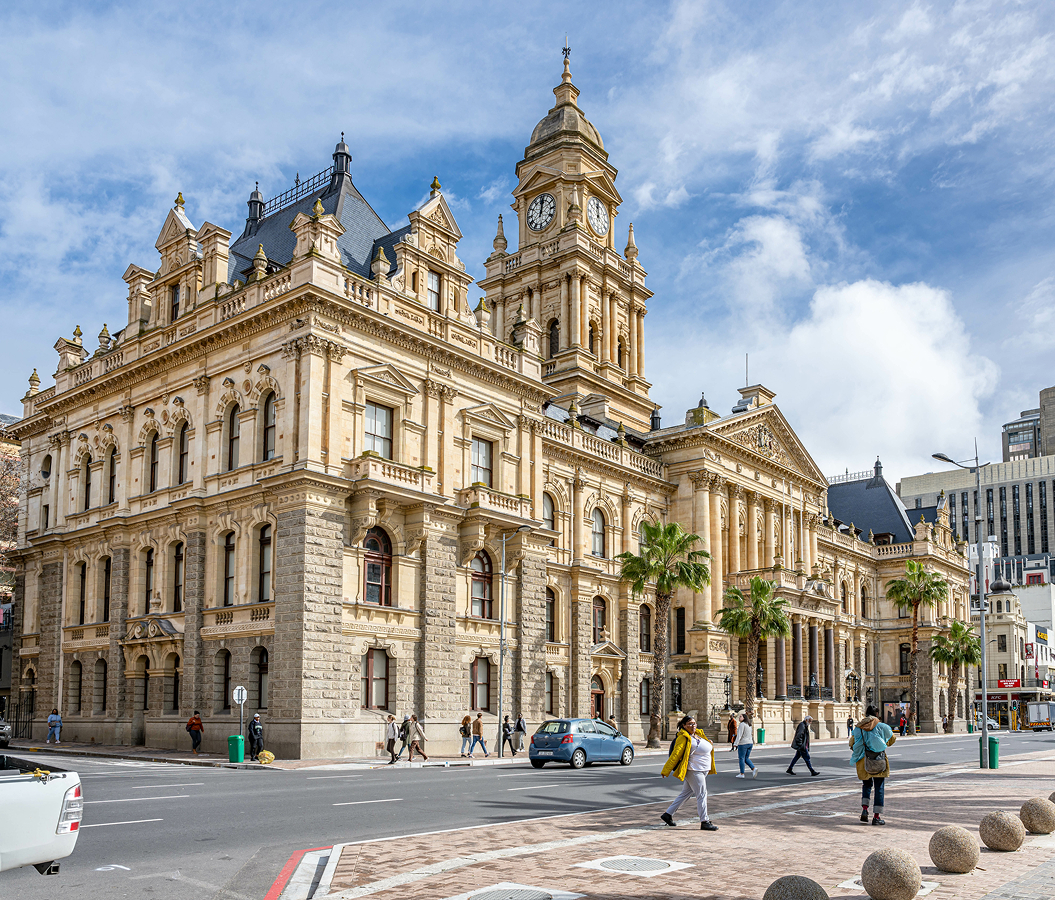
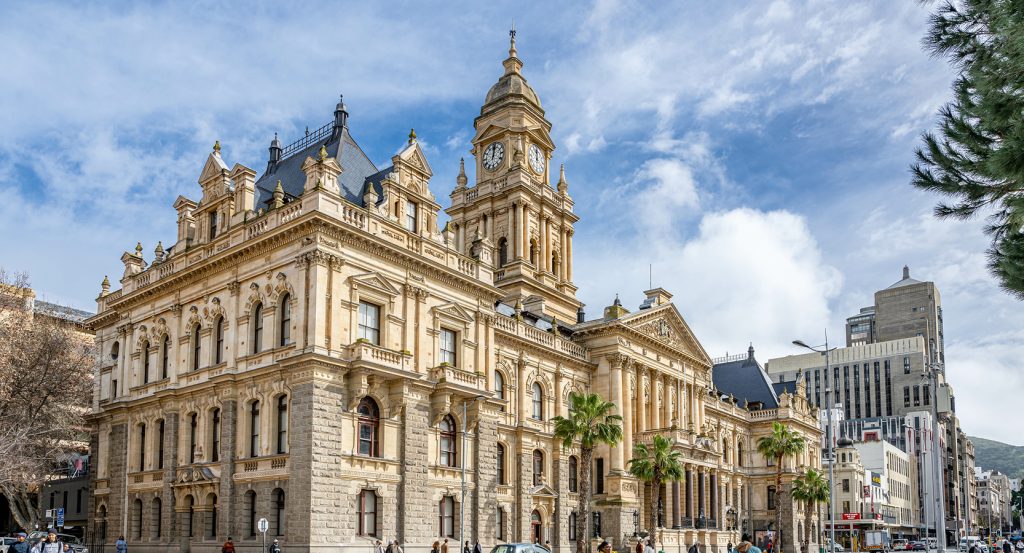
Cape Town's position at the southwestern edge of Africa has shaped centuries of maritime exploration, colonial expansion, political conflict, and international commerce. Situated between the Atlantic Ocean and the Cape Fold Mountains, the city extends across a landscape of sheltered bays, sandstone ridges, coastal plains, and fertile valleys that have supported human settlement for thousands of years. The Cape Peninsula formed part of the ancestral territories of Khoikhoi pastoralists and San hunter-gatherers, whose communities developed extensive knowledge of the region's seasonal resources and coastal environments. Portuguese navigator Bartolomeu Dias rounded the southern extremity of Africa in 1488, establishing a maritime connection that subsequently transformed trade between Europe and Asia. In 1652, Jan van Riebeeck established a Dutch East India Company provisioning station at Table Bay, beginning permanent European colonial settlement and the expansion of agricultural production around the Cape. The settlement grew through the labor of enslaved people brought from East Africa, Madagascar, India, and Southeast Asia, whose descendants contributed profoundly to the region's language, religion, cuisine, and social history. British forces occupied the Cape in 1795, and the colony passed permanently into British control in 1814 following the Napoleonic Wars. Cape Town became the legislative capital of the Union of South Africa in 1910, retaining its parliamentary role through the political changes of the twentieth century. The apartheid government, established in 1948, enforced racial segregation through discriminatory legislation, forced removals, and restrictions on political participation. District Six became one of the most consequential examples of these policies when the government declared the neighborhood a white residential area in 1966, displacing more than 60,000 residents over subsequent decades. The democratic elections of 1994 marked the end of apartheid rule and the beginning of a new constitutional era under President Nelson Mandela. Cape Town subsequently developed as a center of democratic government, international commerce, higher education, and cultural production, carrying the architectural and social consequences of its complex history into the twenty-first century.
South African literature, music, visual art, and cuisine have acquired powerful international significance through Cape Town's communities, whose creative traditions developed amid colonial encounters, political resistance, and the country's democratic transformation. The District Six Museum, established in 1994, preserves the history of the multicultural neighborhood destroyed through apartheid-era forced removals, incorporating personal testimony, photographs, and objects associated with former residents. Cape Town's literary history includes Nobel laureate J. M. Coetzee, whose novels examine power, displacement, and the moral consequences of South African political history. Poet and writer Ingrid Jonker became an important figure in Afrikaans literature, with Nelson Mandela reading her poem The Child during his address to South Africa's first democratically elected Parliament in 1994. The city's musical traditions encompass Cape jazz, choral performance, and the distinctive sounds of the Cape Malay community. Pianist Abdullah Ibrahim, born in Cape Town in 1934, became an internationally celebrated jazz composer whose work incorporated African musical traditions, American jazz, and the political experiences of apartheid South Africa. The Cape Town International Jazz Festival, established in 2000, developed into a major gathering for African and international performers. The city's theatrical institutions include the Artscape Theatre Centre and the Baxter Theatre Centre, the latter founded in 1977 and associated with significant productions challenging apartheid-era social restrictions. Cape Town's food culture draws upon Khoisan agricultural knowledge, Dutch colonial cooking, enslaved Asian communities, African culinary practices, and the fisheries of the surrounding Atlantic and Indian oceans. Cape Malay cuisine developed through the contributions of Muslim communities with ancestral connections to Southeast Asia and the Indian Ocean, producing specialties such as bobotie, bredie, denningvleis, and fragrant curries incorporating cinnamon, cloves, turmeric, and dried fruit. Traditional South African preparations include braai, potjiekos, and boerewors, accompanied by regional vegetables, maize dishes, and locally produced breads. The nearby Cape Winelands developed through vineyards established during the seventeenth century, with Constantia becoming internationally celebrated for its sweet wines during the eighteenth and nineteenth centuries. Contemporary Cape Town restaurants draw upon these foundations through seasonal produce, sustainable seafood, indigenous ingredients, and modern interpretations of southern African cooking. A weekend in Cape Town encompasses the political history of the Cape, the creative achievements of its diverse communities, the culinary traditions of southern Africa, and the extraordinary coastal geography of the continent's southwestern peninsula.
Three day itinerary.
Day 1: Table Mountain
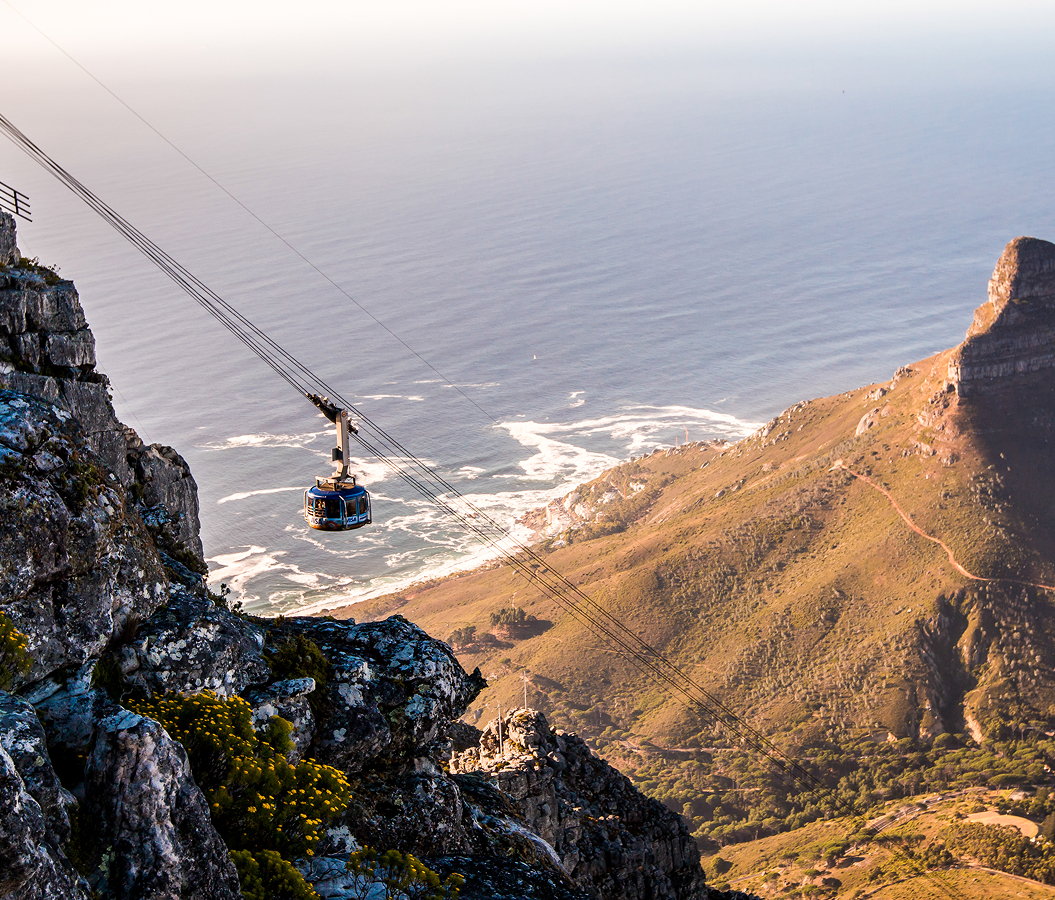
Table Mountain is best known for its extraordinary flat-topped summit, exceptional biodiversity, and commanding position above Cape Town and the Atlantic Ocean. Rising 1,086 meters above sea level at Maclear's Beacon, the mountain forms the northern centerpiece of the Table Mountain massif, whose sandstone cliffs and distinctive horizontal summit define the city's geography. Its geological foundations developed over hundreds of millions of years through sedimentation, tectonic movement, and erosion that shaped the Cape Peninsula's dramatic coastal terrain. The mountain supports extensive fynbos vegetation, part of the Cape Floristic Region, among the world's richest concentrations of plant diversity. Indigenous Khoikhoi communities knew the mountain as Hoerikwaggo, reflecting its longstanding cultural significance before European colonization. The Table Mountain Aerial Cableway opened in 1929, introducing an engineering achievement that transformed access to the summit. Its rotating cable cars provide panoramic views across Table Bay, Robben Island, the Twelve Apostles, and the mountainous interior of the Cape Peninsula. Table Mountain forms part of a UNESCO-recognized natural heritage region and represents one of Africa's most significant intersections of geological history, botanical diversity, and coastal landscape.
Day 1: FYN Restaurant
FYN Restaurant is best known for its sophisticated integration of Japanese culinary technique with South African ingredients and contemporary fine-dining traditions. Chef Peter Tempelhoff developed the restaurant alongside culinary collaborators Ashley Moss and Jennifer Hugé, establishing an ambitious gastronomic institution in Central Cape Town. Its culinary philosophy draws on Japanese principles of precision, seasonality, and ingredient preservation, incorporating produce, seafood, and meats associated with South Africa's diverse agricultural regions. The kitchen employs techniques including fermentation, careful grilling, and intricate preparation to develop tasting menus that connect Japanese culinary traditions with the flavors of the Cape. Indigenous ingredients and regional agricultural products contribute to compositions that reflect South Africa's distinctive natural resources. FYN earned international recognition through its inclusion in the World's 50 Best Restaurants rankings, strengthening Cape Town's position within contemporary global gastronomy. Its elevated dining room overlooks the historic urban landscape surrounding Parliament and the Company's Garden. FYN represents a defining institution in modern South African fine dining through its combination of Japanese technical discipline, regional ingredients, and independent culinary authorship.
Day 2: Robben Island
Robben Island is best known for its profound significance in South Africa's struggle against apartheid and its preservation of the prison complex that held Nelson Mandela for eighteen years. Situated in Table Bay seven kilometers off the coast of Cape Town, the island served successive functions as a place of imprisonment, isolation, and military activity across several centuries. Dutch colonial authorities used the island to confine political prisoners during the seventeenth century, establishing a history of forced separation that continued through later political periods. Under apartheid, the island became a maximum-security prison for political opponents of South Africa's racial segregation system. Nelson Mandela was imprisoned there from 1964 to 1982, enduring harsh conditions alongside fellow anti-apartheid leaders including Walter Sisulu and Ahmed Kathrada. Prisoners organized educational activities and political discussions that contributed to the intellectual development of the liberation movement. Following the end of apartheid, the island became a museum dedicated to the history of political imprisonment and democratic transformation. UNESCO designated Robben Island a World Heritage Site in 1999, recognizing its exceptional significance as a symbol of resistance, human rights, and the struggle for political freedom.
Day 2: Den Anker
Den Anker is best known for its Belgian culinary traditions and its waterfront setting overlooking Cape Town's historic harbor. Established at the V&A Waterfront, the restaurant developed a distinctive character around classic Belgian brasserie cooking, emphasizing seafood, traditional meat preparations, and an extensive selection of Belgian beers. Its menu features dishes associated with Belgium's coastal and urban culinary heritage, including mussels, seafood preparations, and established European brasserie specialties. The restaurant's position beside the harbor connects its dining environment with Cape Town's maritime history, which developed through centuries of commercial shipping between Europe, Africa, and Asia. Belgian brewing traditions contribute an important dimension to its culinary program through distinctive beer styles produced using longstanding fermentation methods. Den Anker represents an established expression of European brasserie culture within Cape Town's waterfront dining scene through its concentration on Belgian cuisine and its relationship with the city's historic port.
Day 2: Zeitz Museum of Contemporary Art Africa
Zeitz Museum of Contemporary Art Africa is best known for its extraordinary transformation of a historic grain silo into a major institution devoted to contemporary art from Africa and its diaspora. The museum occupies an expansive industrial complex constructed in 1921 at Cape Town's V&A Waterfront, originally developed to support the storage and export of grain through the city's commercial harbor. British architect Thomas Heatherwick led the building's transformation, preserving the historic concrete structure and carving an immense central atrium through its cylindrical grain-storage tubes. The resulting interior combines dramatic sculptural spaces with galleries designed to accommodate painting, sculpture, photography, installation art, and experimental contemporary practices. The museum opened in 2017, establishing a significant institutional platform for artists whose work engages with African history, politics, cultural expression, and social transformation. Its development involved German collector Jochen Zeitz, whose art collection contributed to the institution's foundation. Zeitz MOCAA represents one of Africa's most consequential contemporary art institutions through its architectural reinvention of industrial heritage and its commitment to artistic production across the continent and its diaspora.
Day 2: Salsify at the Roundhouse
Salsify at the Roundhouse is best known for its refined interpretation of contemporary South African cuisine within a historic building overlooking the Atlantic coastline near Camps Bay. Chef Ryan Cole developed the restaurant's culinary program around seasonal ingredients, sophisticated technique, and the agricultural and maritime resources of the Western Cape. The Roundhouse building originated during the eighteenth century and subsequently became associated with the Cape's colonial-era social and recreational history. Its elevated position on the slopes of Lion's Head provides expansive views toward the Twelve Apostles and the Atlantic Ocean. The kitchen emphasizes carefully prepared seafood, premium meats, seasonal vegetables, and regional ingredients incorporated into elaborate tasting menus. Salsify earned MICHELIN-equivalent international attention through its sophisticated approach to contemporary Cape gastronomy, contributing to Cape Town's development as a leading culinary destination. The restaurant represents an important expression of modern South African fine dining through its combination of historic architecture, exceptional coastal geography, and ingredient-driven culinary creativity.
Day 3: The Pot Luck Club
The Pot Luck Club is best known for chef Luke Dale Roberts's inventive small-plate cuisine and its elevated position within Cape Town's transformed Old Biscuit Mill complex. Established in 2011, the restaurant developed from the culinary success of Dale Roberts's acclaimed Test Kitchen, introducing a more informal dining format centered on shared plates and bold international flavors. Its kitchen draws on Asian, European, and South African culinary influences, incorporating techniques and ingredients that emphasize contrasting textures, aromatic spices, and sophisticated flavor combinations. The restaurant's celebrated approach organizes dishes around fundamental taste characteristics, including sweet, sour, salty, bitter, and umami. Its industrial setting reflects the redevelopment of Woodstock's historic manufacturing buildings into restaurants, galleries, studios, and creative businesses. The Pot Luck Club represents an influential institution in contemporary Cape Town gastronomy through its inventive culinary program and its role in the transformation of the city's former industrial districts.
Day 3: Kirstenbosch National Botanical Garden
Kirstenbosch National Botanical Garden is best known for its exceptional collection of indigenous South African plants and its dramatic position along the eastern slopes of Table Mountain. Established in 1913, the garden became the first major botanical institution devoted primarily to the cultivation and conservation of a country's native flora. Its development reflected growing scientific interest in the Cape Floristic Region, whose extraordinary plant diversity includes proteas, ericas, restios, and numerous species found nowhere else on Earth. The garden occupies a landscape of cultivated botanical collections, indigenous forest, mountain streams, and extensive natural vegetation. Its celebrated Centenary Tree Canopy Walkway, completed in 2014, follows a sculptural elevated route through the forest canopy, introducing expansive views across the surrounding mountain slopes and cultivated grounds. Kirstenbosch has played an important role in botanical research, environmental education, and the conservation of threatened plant species. The garden forms part of the UNESCO-listed Cape Floristic Region Protected Areas, connecting its scientific significance with the preservation of one of the planet's most important biodiversity regions. Kirstenbosch represents an exceptional achievement in botanical conservation through its integration of indigenous horticulture, scientific research, and expansive mountain scenery.
Day 3: Boulders Beach
Boulders Beach is best known for its protected colony of African penguins and its extraordinary coastal landscape of granite boulders, sheltered coves, and clear waters along False Bay. Located near Simon's Town on the Cape Peninsula, the beach forms part of Table Mountain National Park and supports one of South Africa's most accessible breeding colonies of endangered African penguins. The colony developed during the 1980s, when penguins began nesting along the sheltered shoreline. African penguins are distinguished by their black-and-white plumage, distinctive facial markings, and adaptations to the cold, nutrient-rich marine environments of southern Africa. Their population has experienced substantial declines through habitat pressures, changing marine conditions, and reduced availability of important prey species. Elevated boardwalks protect nesting areas and provide close views of penguins within their coastal habitat. The surrounding granite formations developed through geological processes extending across hundreds of millions of years, creating sheltered beaches within the rugged coastal environment. Boulders Beach represents an exceptional intersection of marine wildlife conservation, coastal geology, and the ecological heritage of the Cape Peninsula.
Day 3: Chefs Warehouse at Tintswalo Atlantic
Chefs Warehouse at Tintswalo Atlantic is best known for its refined seafood-focused cuisine and its extraordinary waterfront position beneath the mountains of Chapman's Peak. Developed through the culinary partnership associated with chef Liam Tomlin's Chefs Warehouse restaurant group, the establishment emphasizes contemporary preparations shaped by the ingredients and maritime traditions of the Western Cape. Its kitchen concentrates on fresh seafood, carefully prepared fish, seasonal vegetables, and sophisticated shared-plate compositions influenced by international culinary techniques. The restaurant occupies an intimate coastal setting within Tintswalo Atlantic, whose position beside the Atlantic Ocean creates a dramatic relationship between mountain terrain and marine landscape. Chapman's Peak forms part of the rugged coastal geography separating Hout Bay from Noordhoek, an area celebrated for its steep cliffs and exceptional ocean views. Chefs Warehouse at Tintswalo Atlantic represents a distinctive expression of contemporary Cape Town gastronomy through its concentration on coastal ingredients, refined technique, and exceptional Atlantic waterfront setting.
Where your story begins.
Foresyte Travel reveals places that feel extraordinary long before you arrive.
Enjoy editorial crafted for luxury travelers.
Foresyte may earn a commission when you book.