Perfect weekend in Naples, Italy.
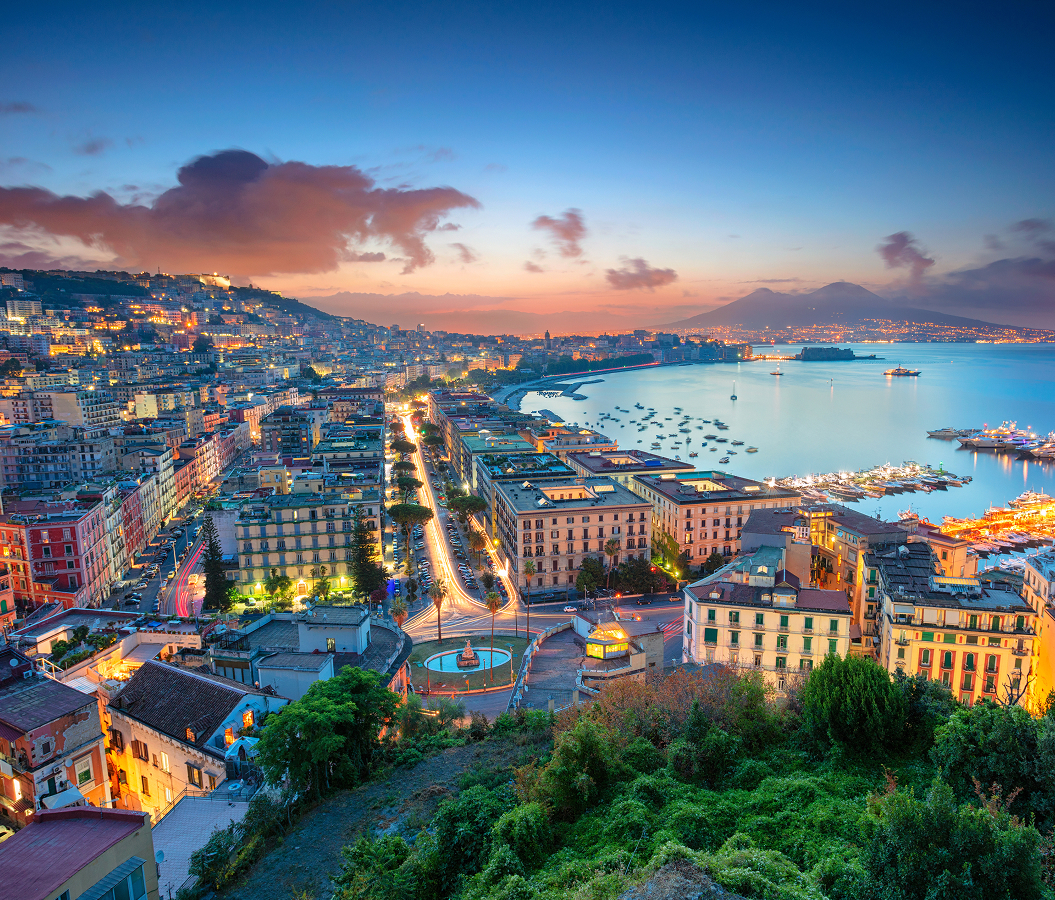
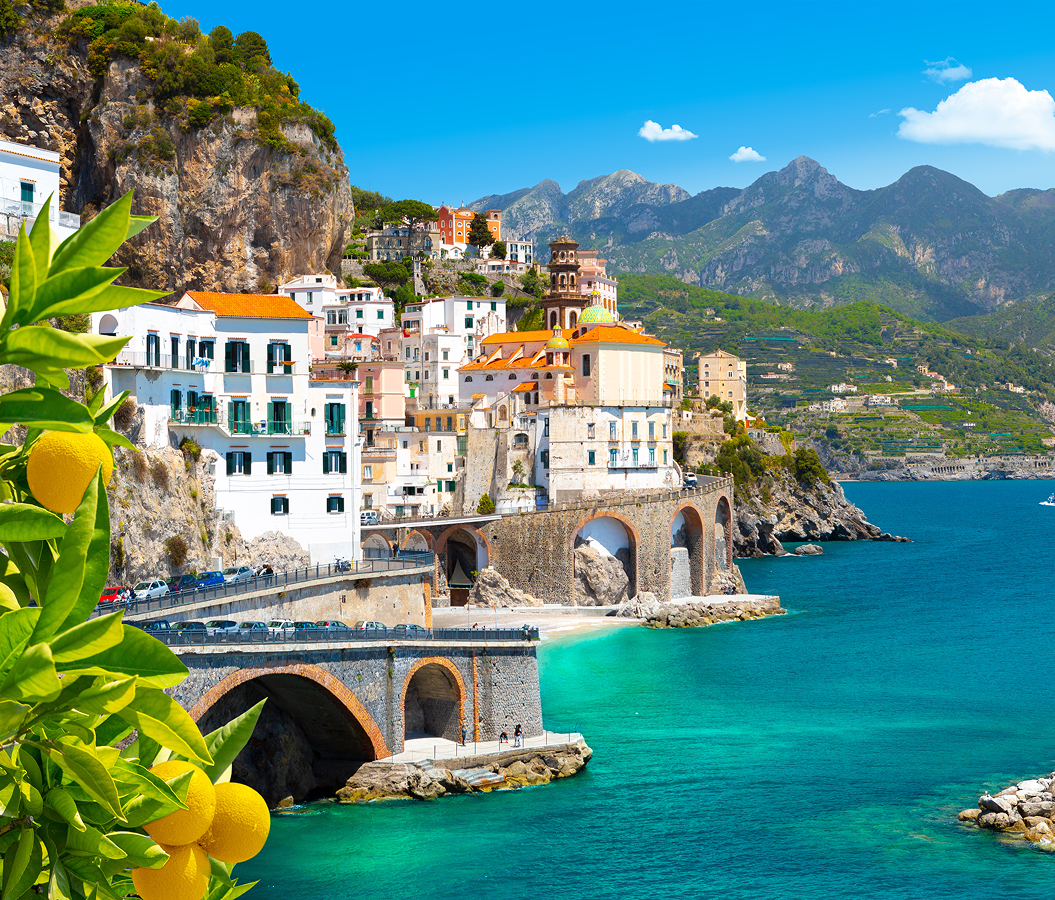
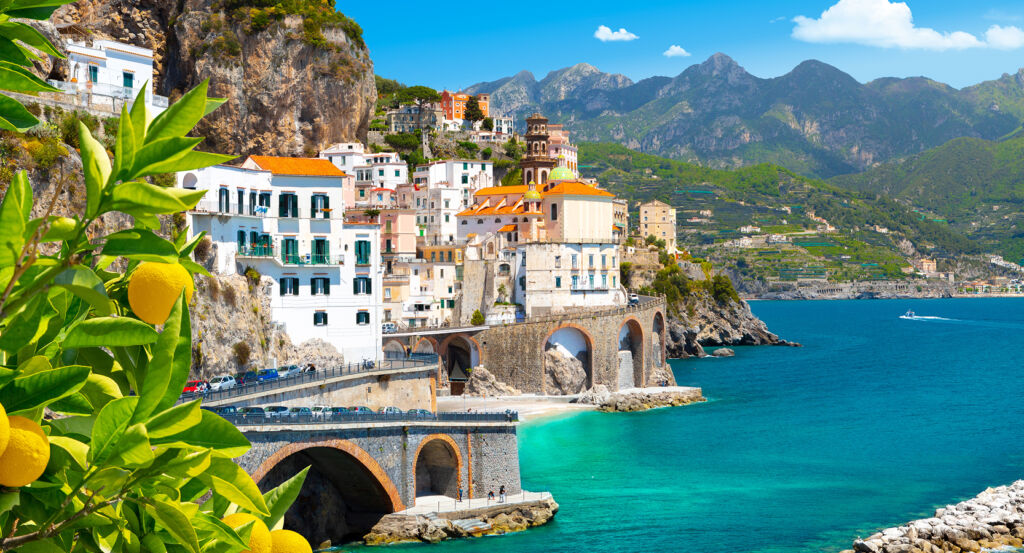
Naples developed along one of the Mediterranean's most strategically significant coastlines, where ancient Greek colonization, Roman prosperity, medieval kingdoms, and centuries of artistic patronage shaped the capital of southern Italy. Situated on the northern shore of the Gulf of Naples beneath Mount Vesuvius, the city extends across a volcanic landscape of coastal promontories, steep hills, and natural harbors facing the islands of Capri, Ischia, and Procida. Greek settlers from nearby Cumae established Parthenope during the eighth century BCE, followed by the foundation of Neapolis during the sixth century BCE. The settlement became an important center of Hellenic commerce and learning, maintaining strong Greek traditions following its incorporation into the Roman Republic. During the Roman period, the surrounding coastline attracted wealthy patrons, philosophers, and political figures, with elaborate villas and thermal establishments extending through the neighboring settlements of Baiae, Herculaneum, and Pompeii. The eruption of Mount Vesuvius in 79 CE devastated several communities around the gulf, preserving extraordinary evidence of Roman urban society beneath volcanic deposits. Following the decline of imperial authority in the West, Naples developed as a Byzantine duchy before passing through successive periods of Norman, Hohenstaufen, Angevin, and Aragonese rule. Charles I of Anjou established Naples as the capital of his kingdom in 1266, strengthening its political importance and encouraging Gothic architectural patronage. Under the Aragonese monarchy, particularly Alfonso V during the fifteenth century, the city attracted humanist scholars and Renaissance artists. Spanish Habsburg rule subsequently transformed Naples into one of Europe's largest cities, with substantial investments in churches, palaces, fortifications, and public infrastructure. The Bourbon dynasty established an independent kingdom in 1734, supporting archaeological excavation, artistic institutions, and ambitious royal construction. Naples became part of unified Italy in 1860, retaining its exceptional concentration of historical architecture, religious institutions, and artistic traditions through the political and economic changes of the modern era.
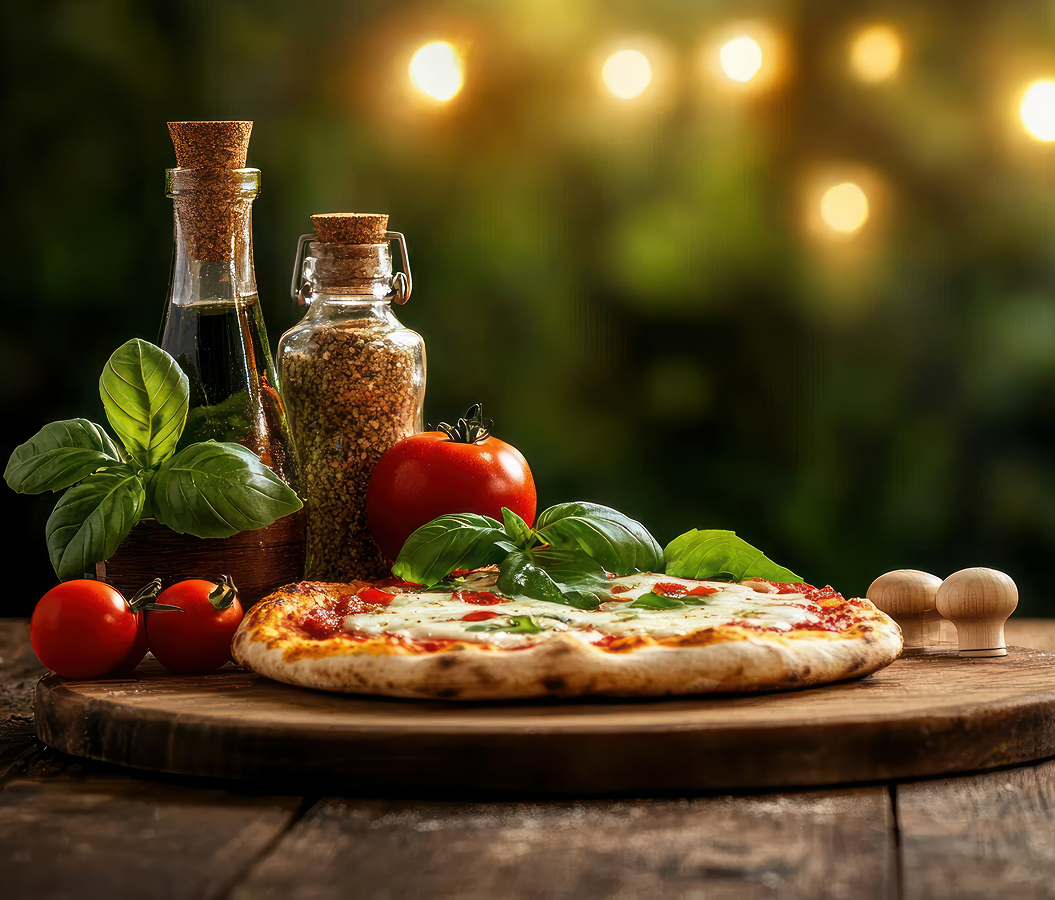
Neapolitan artistic achievement spans the dramatic painting of the Baroque period, the development of European opera, internationally influential theatrical traditions, and one of Italy's most celebrated culinary histories. Caravaggio arrived in Naples in 1606, producing works including The Seven Works of Mercy, whose intense contrasts of light and shadow profoundly influenced the city's painters. Artists such as Jusepe de Ribera, Luca Giordano, and Francesco Solimena subsequently established Naples as a center of seventeenth- and eighteenth-century painting, contributing substantial commissions to churches and aristocratic collections. The Teatro di San Carlo, inaugurated in 1737, became one of Europe's foremost opera houses, attracting composers, singers, and conductors associated with the development of Italian musical theater. The Neapolitan school of composition flourished through figures including Alessandro Scarlatti, Giovanni Battista Pergolesi, and Domenico Cimarosa, whose operas and sacred works influenced European musical traditions. Naples also contributed profoundly to popular song, with compositions such as 'O sole mio, published in 1898, achieving international recognition through generations of performers. Its literary history includes Giambattista Basile, whose seventeenth-century collection of fairy tales influenced European storytelling, and philosopher Benedetto Croce, whose scholarship contributed to modern Italian intellectual life. The city's culinary traditions developed through the agricultural abundance of Campania, the fisheries of the Tyrrhenian Sea, and centuries of exchange with Mediterranean trading communities. San Marzano tomatoes, buffalo mozzarella, durum wheat pasta, citrus fruits, and locally cultivated vegetables became foundational ingredients in regional cooking. Neapolitan pizza evolved during the eighteenth and nineteenth centuries, with its characteristic soft dough, raised crust, and restrained toppings contributing to one of the world's most influential culinary traditions. The traditional art of the Neapolitan pizzaiuolo received UNESCO recognition in 2017, acknowledging the craftsmanship and communal practices associated with its preparation. Additional specialties include spaghetti alle vongole, ragù napoletano, sfogliatella, and babà, each connected to the city's longstanding traditions of domestic cooking, pastry production, and professional hospitality. A weekend in Naples reveals the extraordinary continuity between ancient Mediterranean civilization, Baroque artistic patronage, theatrical innovation, and the culinary traditions of southern Italy.
Three day itinerary.
Day 1: Piazza del Plebiscito
Piazza del Plebiscito is best known for its expansive architectural composition at the heart of Naples, connecting the city's Bourbon royal heritage with its transformation into part of a unified Italy. The square developed into its recognizable form during the nineteenth century under the patronage of Joachim Murat and the restored Bourbon monarchy. Its eastern boundary is dominated by the Royal Palace of Naples, whose origins extend to the early seventeenth century under Spanish viceregal rule. The Basilica of San Francesco di Paola occupies the opposite side, with a sweeping semicircular colonnade inspired by the architectural traditions of ancient Rome. Commissioned by Ferdinand I of the Two Sicilies, the basilica became an expansive expression of Bourbon restoration following the Napoleonic period. Equestrian statues of Charles III and Ferdinand I reinforce the square's relationship with the dynastic history of southern Italy. The square received its present name following the 1860 plebiscite associated with the incorporation of Naples into the Kingdom of Italy. Piazza del Plebiscito represents an extraordinary architectural synthesis of royal authority, neoclassical urban planning, and the political transformations of nineteenth-century Naples.
Day 1: Palazzo Petrucci Ristorante
Palazzo Petrucci Ristorante is best known for chef Lino Scarallo's refined interpretation of contemporary Neapolitan cuisine overlooking the Gulf of Naples. The restaurant developed under Scarallo's culinary leadership, establishing a distinctive approach that combines traditional Campanian ingredients with precise modern techniques and sophisticated presentation. Its location along the Posillipo waterfront provides expansive views toward the volcanic landscape of the Bay of Naples, connecting the dining room with the geography that shaped the city's maritime culture. The kitchen emphasizes seafood from the surrounding Mediterranean waters, seasonal vegetables, premium regional ingredients, and carefully composed preparations informed by the culinary traditions of southern Italy. Scarallo's approach incorporates established Neapolitan flavors into an ambitious fine-dining format distinguished by technical discipline and creative interpretation. Palazzo Petrucci has earned MICHELIN recognition for its culinary achievements. The restaurant represents an important expression of contemporary Campanian gastronomy through its integration of regional heritage, modern culinary authorship, and an exceptional coastal setting.
Day 2: Museo Archeologico Nazionale di Napoli
Museo Archeologico Nazionale di Napoli is best known for preserving one of the world's most important collections of ancient Roman art and archaeological artifacts, including extraordinary objects recovered from Pompeii and Herculaneum. The museum occupies an expansive building whose origins extend to the sixteenth century, subsequently transformed into a major cultural institution under the Bourbon monarchy. Its Farnese Collection contains celebrated classical sculptures assembled by one of Renaissance Italy's most powerful aristocratic families, including the expansive Farnese Hercules and Farnese Bull. The museum's Roman collections preserve exceptional mosaics, frescoes, bronze sculptures, domestic objects, and decorative works recovered from the cities buried by the eruption of Mount Vesuvius in AD 79. The Alexander Mosaic, discovered in Pompeii's House of the Faun, depicts a dramatic confrontation between Alexander the Great and the Persian king Darius III. Its extensive holdings illuminate the artistic sophistication, religious traditions, political culture, and everyday life of the ancient Mediterranean world. Museo Archeologico Nazionale di Napoli represents an extraordinary institution for understanding Roman civilization and the archaeological heritage of Campania.
Day 2: L'Antica Pizzeria da Michele
L’Antica Pizzeria da Michele is best known for preserving one of Naples' most influential interpretations of traditional Neapolitan pizza through a culinary approach centered on simplicity and precise technique. The Condurro family's pizza-making heritage extends to the nineteenth century, and the celebrated Via Cesare Sersale establishment opened in 1930. Its historic menu concentrated on two foundational preparations, marinara and margherita, emphasizing the essential relationship between dough, tomato, mozzarella, olive oil, and basil. The kitchen's traditional wood-fired oven produces the characteristic soft, elastic crust and lightly charred surface associated with authentic Neapolitan pizza. The restaurant's longstanding popularity helped establish its reputation among the city's most consequential culinary institutions. Its appearance in Eat Pray Love introduced the establishment to an expanded international audience, reinforcing Naples' global association with pizza. L'Antica Pizzeria da Michele represents a defining expression of Neapolitan culinary heritage through its preservation of traditional ingredients, established preparation methods, and generations of family craftsmanship.
Day 2: Sansevero Chapel Museum
Sansevero Chapel Museum is best known for Giuseppe Sanmartino's extraordinary marble sculpture The Veiled Christ, among the most celebrated achievements of eighteenth-century European sculpture. The chapel developed as the private religious and funerary sanctuary of the aristocratic di Sangro family, whose patronage transformed the interior into an exceptional artistic environment. Raimondo di Sangro, Prince of Sansevero, directed an ambitious eighteenth-century decorative program combining sculpture, painting, symbolism, and experimental scientific interests. Sanmartino completed The Veiled Christ in 1753, carving an extraordinarily delicate representation of fabric draped across the body of Christ from a single block of marble. Other significant works include Antonio Corradini's Modesty and Francesco Queirolo's Disillusion, whose intricate sculptural techniques demonstrate the technical ambitions of the chapel's artistic program. The underground chamber preserves anatomical models associated with Raimondo's scientific experiments and the intellectual culture of the Enlightenment. Cappella Sansevero represents an exceptional intersection of Baroque artistic achievement, aristocratic patronage, religious symbolism, and eighteenth-century scientific curiosity.
Day 2: La Taverna dell'Arte
La Taverna dell’Arte is best known for its traditional Neapolitan and Campanian cooking within the historic urban landscape of Central Naples. The restaurant's culinary character draws on the established food traditions of southern Italy, emphasizing regional pasta preparations, seafood, seasonal vegetables, and ingredients associated with the agricultural landscape surrounding Mount Vesuvius. Neapolitan cooking developed through centuries of interaction among Mediterranean maritime trade, local farming traditions, and the culinary practices of successive ruling dynasties. The restaurant's menu reflects that heritage through carefully prepared regional dishes and established techniques involving slow cooking, fresh pasta, and seafood. Its intimate dining environment connects contemporary hospitality with the architectural character of Naples' historic center. La Taverna dell'Arte represents an established expression of traditional Neapolitan dining through its concentration on regional ingredients and the culinary heritage of Campania.
Day 3: Gran Caffè Gambrinus
Gran Caffè Gambrinus is best known for its extraordinary Belle Époque interiors and its historic association with the intellectual, artistic, and political life of Naples. Established in 1860, the café developed into one of the city's most distinguished gathering places during the decades following Italian unification. Its lavish interiors incorporate gilded decoration, marble, mirrors, sculptural details, and paintings associated with the artistic culture of late nineteenth-century Naples. Writers, musicians, politicians, and visiting European intellectuals frequented the establishment, reinforcing its position within the city's literary and social history. The café's culinary traditions emphasize Neapolitan espresso, pastries, and regional sweets, including sfogliatelle and other preparations associated with Campanian baking. Its location near Piazza del Plebiscito connects the institution with the expansive civic architecture of the former Bourbon capital. Gran Caffè Gambrinus represents a significant surviving institution of Italian café culture through its architectural refinement and longstanding relationship with Naples' artistic community.
Day 3: Catacombs of San Gennaro
Catacombs of San Gennaro is best known for its extraordinary early Christian burial chambers and expansive underground architecture beneath the Capodimonte district of Naples. The complex developed from ancient funerary spaces into an important Christian cemetery during the second and third centuries AD. Its extensive galleries and burial chambers reflect the geological character of Naples, whose volcanic tuff provided a workable material for underground construction. The catacombs became closely associated with Saint Januarius, the patron saint of Naples, whose remains were transferred to the complex during late antiquity. Early Christian frescoes, mosaics, and architectural features preserve important evidence of the development of religious art and burial traditions in southern Italy. The site's expansive basilica spaces demonstrate the importance of the complex within the religious life of early medieval Naples. Catacombe di San Gennaro represents an exceptional archaeological record of early Christianity and the city's longstanding relationship with its volcanic subterranean landscape.
Day 3: Capodimonte Museum
Capodimonte Museum is best known for its extraordinary collection of Italian Renaissance and Baroque painting within a former Bourbon royal palace surrounded by extensive landscaped grounds. Charles of Bourbon commissioned the palace in 1738 to accommodate the celebrated Farnese art collection inherited through his mother, Elisabetta Farnese. The museum's holdings include major works by Titian, Raphael, Caravaggio, Masaccio, and numerous other influential European artists. Its collections developed through successive periods of royal patronage, incorporating Neapolitan painting, decorative arts, porcelain, and works associated with the city's artistic institutions. Caravaggio's The Flagellation of Christ represents one of the museum's most significant paintings, connecting the collection with the artist's transformative influence on seventeenth-century Neapolitan art. The surrounding Real Bosco preserves a substantial historic landscape whose formal avenues, wooded areas, and recreational spaces reflect the traditions of European royal estates. Museo e Real Bosco di Capodimonte represents one of Italy's most consequential artistic institutions through its combination of dynastic collecting, exceptional European painting, and expansive royal architecture.
Day 3: George Restaurant
George Restaurant is best known for its sophisticated interpretation of contemporary Campanian cuisine within the historic Grand Hotel Parker's overlooking the Bay of Naples. The restaurant developed an ambitious fine-dining character through a culinary program emphasizing seasonal regional ingredients, refined technique, and the gastronomic traditions of southern Italy. Its elevated position above the Chiaia district provides panoramic views across the Gulf of Naples toward Mount Vesuvius, connecting the dining environment with the volcanic geography that shaped Campania's agricultural and maritime traditions. The kitchen emphasizes carefully prepared seafood, regional vegetables, pasta, and contemporary compositions informed by the culinary heritage of Naples and its surrounding countryside. The restaurant's technical precision and refined presentation have earned MICHELIN recognition, establishing its position within the city's contemporary fine-dining scene. George Restaurant represents an important expression of modern Neapolitan gastronomy through its integration of regional ingredients, classical culinary foundations, and the architectural heritage of Naples' historic luxury hospitality.
Where your story begins.
Foresyte Travel reveals places that feel extraordinary long before you arrive.
Enjoy editorial crafted for luxury travelers.
Foresyte may earn a commission when you book.