Perfect weekend in New Zealand.
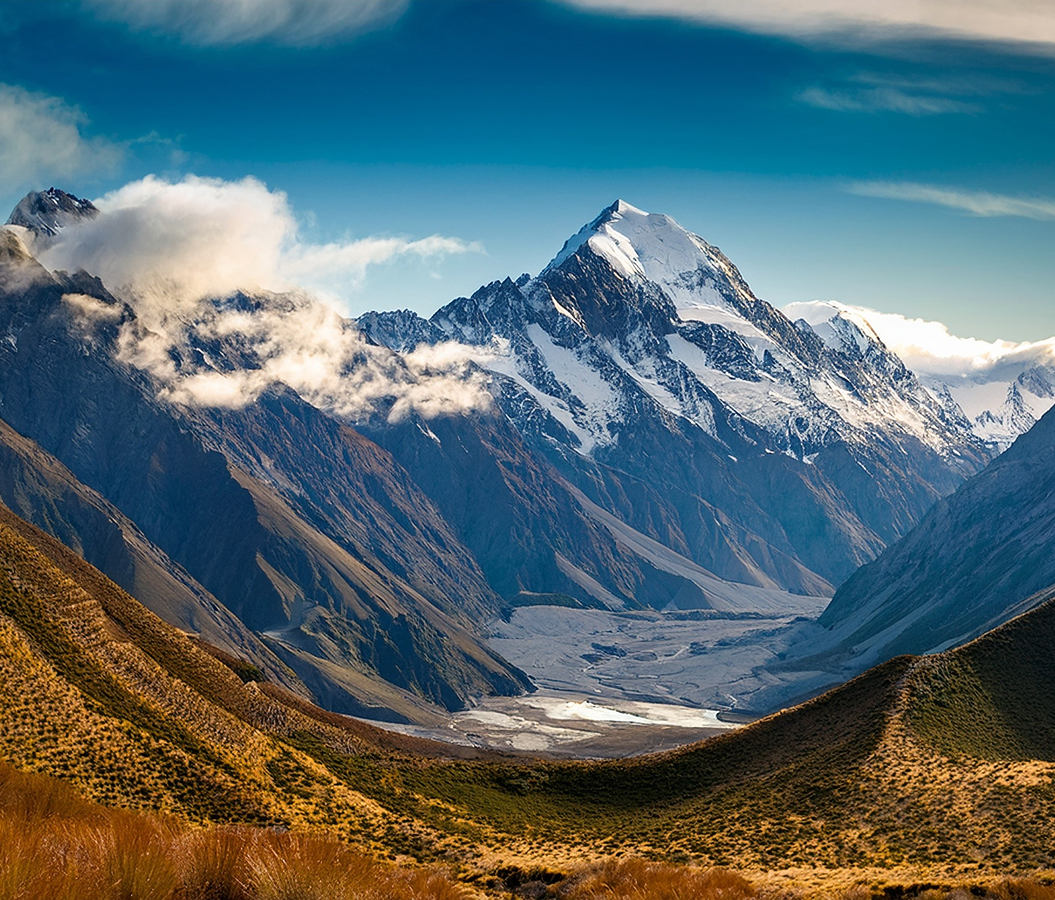
Queenstown's emergence as New Zealand's adventure capital developed through centuries of Māori settlement, nineteenth-century gold discoveries, alpine exploration, and the expansion of international mountain tourism. Situated on the northeastern shore of Lake Wakatipu in the South Island's Otago region, the town occupies a dramatic glacial landscape surrounded by the Remarkables mountain range, Ben Lomond, and the Southern Alps. The lake's elongated form originated through successive periods of glaciation, with retreating ice shaping the steep valleys and mountain slopes that distinguish the surrounding terrain. Māori communities maintained longstanding connections to the region before European settlement, with Ngāi Tahu ancestors traveling through the interior to gather seasonal resources and obtain pounamu, the highly valued greenstone used for tools, ornaments, and ceremonial objects. Traditional routes connected the Wakatipu basin with settlements along the South Island's eastern and western coasts, establishing the area within an extensive network of trade and cultural exchange. European exploration increased during the 1850s, followed by the discovery of gold in the Arrow River in 1862, which initiated a rush of prospectors and entrepreneurs into the surrounding valleys. The resulting settlements expanded rapidly as miners from Europe, China, and other regions established commercial enterprises, transportation routes, and mining operations throughout Central Otago. Queenstown developed as a supply center for the goldfields, acquiring hotels, shops, and administrative institutions associated with the region's mining economy. Following the decline of alluvial gold production, pastoral farming and recreational travel contributed to the town's economic development. During the twentieth century, skiing, mountaineering, and alpine tourism transformed Queenstown into an established mountain resort, followed by the international expansion of commercial adventure sports during the 1980s. Its subsequent development as a four-season destination strengthened the relationship between the region's extraordinary geography, outdoor recreation, and New Zealand's international tourism industry.
New Zealand's alpine sporting traditions and contemporary culinary achievements have found an exceptional setting in Queenstown, where the landscapes of Central Otago support outdoor recreation, regional agriculture, and internationally distinguished wine production. The development of commercial bungy jumping at the Kawarau Gorge in 1988, pioneered by A. J. Hackett and Henry van Asch, established an influential chapter in the international adventure tourism industry. The surrounding Southern Alps subsequently became an important setting for mountaineering, skiing, mountain biking, and wilderness exploration, with established alpine routes connecting the Wakatipu basin to the country's extensive conservation lands. The region's cinematic prominence expanded through Peter Jackson's The Lord of the Rings film trilogy, whose production incorporated numerous landscapes throughout Central Otago and the greater Queenstown region. Queenstown's artistic community includes galleries and workshops devoted to landscape painting, photography, sculpture, and traditional Māori craftsmanship, with the surrounding mountains and lakes providing subjects for generations of New Zealand artists. The Lakes District Museum in Arrowtown preserves collections associated with the region's gold-mining history, Chinese settlement, and the development of Central Otago communities. The area's culinary traditions draw upon high-country sheep farming, freshwater fisheries, stone-fruit orchards, and the agricultural production of southern New Zealand. Lamb, venison, seasonal vegetables, artisan cheeses, and locally cultivated fruits contribute to regional menus, accompanied by culinary approaches influenced by European techniques and contemporary New Zealand cooking. Central Otago has achieved particular distinction for Pinot Noir, with its continental climate, pronounced seasonal temperature variations, and varied schist-derived soils supporting vineyards across several established growing areas. Chardonnay, Riesling, and Pinot Gris contribute additional depth to the region's viticultural production. A weekend in Queenstown connects the history of the Otago goldfields, alpine sporting innovation, New Zealand's cinematic landscapes, and the exceptional wines and regional ingredients of the southern high country.
Three day itinerary.
Day 1: Queenstown Gardens
Queenstown Gardens is best known for its historic botanical landscape extending into Lake Wakatipu beneath the dramatic mountains of New Zealand's Southern Alps. Established in 1866, the gardens developed during the early decades of Queenstown's transformation from a gold-mining settlement into a permanent lakeside community. Its peninsula setting creates expansive views toward the Remarkables, Cecil Peak, and the surrounding mountain ranges. Mature Douglas firs, exotic conifers, ornamental trees, and cultivated gardens reflect nineteenth-century traditions of landscape design introduced by European settlers. Walking paths follow the shoreline and connect formal planting areas with open lawns and wooded sections. The gardens also preserve a significant relationship with Queenstown's recreational history through their longstanding role as a public gathering place. Queenstown Gardens represents one of the town's most distinctive combinations of Victorian horticultural heritage, alpine scenery, and public waterfront landscape.
Day 1: Rātā Restaurant
Rātā Restaurant is best known for its refined interpretation of contemporary New Zealand cuisine through ingredients associated with the landscapes and agricultural traditions of the South Island. Established in 2012 with celebrated New Zealand chef Josh Emett, the restaurant developed a culinary character grounded in seasonal produce, regional meats, seafood, and contemporary techniques informed by classical European cooking. Emett's international career included extensive experience in Gordon Ramsay's restaurant group, providing a technical foundation for Rātā's ambitious approach to modern dining. The restaurant takes its name from the native rātā tree, connecting its character with New Zealand's indigenous flora and natural environment. Its kitchen emphasizes carefully composed dishes built around ingredients from Central Otago and other regions of the country. The restaurant's contemporary dining room reflects Queenstown's development into an internationally significant culinary destination. Rātā represents an important expression of modern New Zealand gastronomy through its combination of regional sourcing, international technique, and independent culinary ambition.
Day 2: Skyline Queenstown
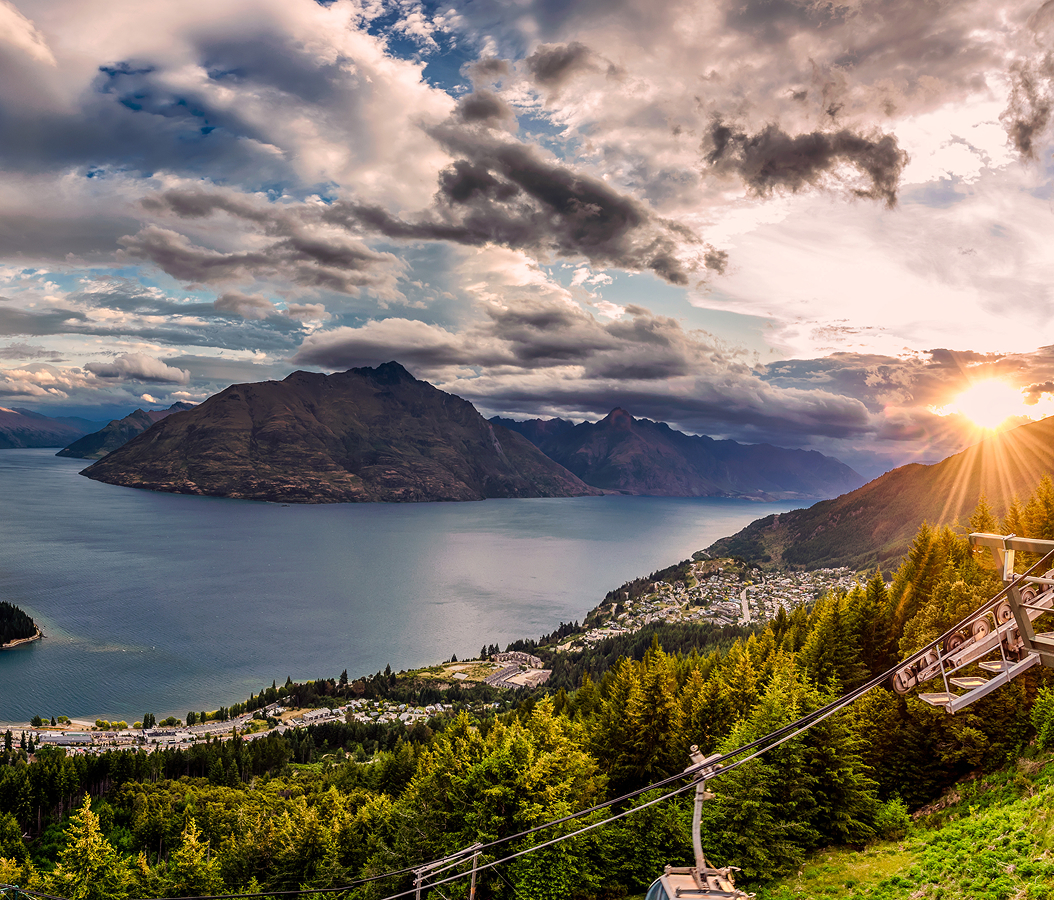
Skyline Queenstown is best known for its steep gondola ascent to Bob's Peak and its extraordinary panoramic views across Queenstown, Lake Wakatipu, and the Remarkables mountain range. The attraction developed from the town's expanding mountain tourism industry, establishing an aerial connection between the central settlement and the elevated slopes overlooking the lake. Its gondola rises 450 meters above Queenstown, providing sweeping views of the surrounding alpine terrain and the narrow lakeside urban landscape. The upper complex incorporates viewing platforms and mountain recreation facilities, including the celebrated Skyline Luge, whose gravity-powered tracks descend through the hillside environment. The attraction's development reflects Queenstown's transformation into an international center for adventure tourism and year-round alpine recreation. Its elevated setting reveals the dramatic geological relationship between the lake basin and the surrounding mountain ranges. Skyline Queenstown represents one of the region's defining recreational attractions through its combination of mountain transportation, alpine scenery, and adventure infrastructure.
Day 2: Fergburger
Fergburger is best known for transforming a small independent burger restaurant into one of Queenstown's most internationally recognized culinary institutions. Established in 2001, the business developed a reputation for substantial gourmet burgers prepared with carefully selected ingredients and distinctive combinations of meats, vegetables, cheeses, and sauces. Its menu incorporates New Zealand beef, lamb, venison, and other ingredients associated with the country's agricultural traditions, extending the familiar hamburger format through regional culinary influences. The restaurant's location on Shotover Street places it within Queenstown's central commercial district, where its popularity became a defining feature of the town's casual dining culture. Fergburger's extraordinary international reputation emerged through the convergence of Queenstown's global tourism industry and the restaurant's independent culinary identity. The establishment represents an influential example of contemporary New Zealand casual dining through its integration of regional ingredients and a globally recognizable food tradition.
Day 2: Shotover Jet Queenstown
Shotover Jet Queenstown is best known for pioneering high-speed commercial jet-boat excursions through the narrow rock canyons of the Shotover River. The attraction began operating in 1965, developing around the jet-boat propulsion technology invented by New Zealand engineer Bill Hamilton. Hamilton's system uses a powerful water jet to propel vessels through shallow rivers, allowing rapid maneuvering in environments inaccessible to conventional propeller-driven boats. Shotover Jet transformed that engineering innovation into a defining adventure tourism activity, navigating the river's confined channels at high speed. The surrounding canyon walls expose geological formations shaped by the river's long history of erosion through the schist landscapes of Central Otago. The operation became internationally recognized for its precision boat handling and dramatic 360-degree turns. Shotover Jet represents a foundational achievement in New Zealand adventure tourism through the application of indigenous engineering innovation to the country's extraordinary river landscapes.
Day 2: Botswana Butchery
Botswana Butchery is best known for its sophisticated interpretation of premium New Zealand meats and contemporary steakhouse cuisine within a historic lakeside building in Queenstown. The restaurant occupies a distinctive cottage overlooking Lake Wakatipu, connecting its dining rooms with the architectural character of the town's early resort development. Its culinary program emphasizes carefully prepared beef, lamb, venison, seafood, and seasonal vegetables sourced from New Zealand's agricultural and maritime regions. Traditional cooking techniques, refined sauces, and carefully composed accompaniments provide the foundations of a menu grounded in the country's exceptional meat-producing heritage. The restaurant's extensive wine program gives particular prominence to Central Otago Pinot Noir and other distinguished New Zealand wines. Botswana Butchery represents an important expression of Queenstown's luxury dining culture through its combination of regional ingredients, classical technique, and historic lakeside architecture.
Day 3: Vudu Cafe
Vudu Cafe is best known for its inventive breakfast and brunch preparations within Queenstown's established independent café culture. The restaurant developed around a menu emphasizing fresh seasonal produce, carefully prepared eggs, pastries, breads, vegetables, and contemporary interpretations of familiar breakfast dishes. Its kitchen draws on New Zealand's strong café traditions, incorporating locally sourced ingredients and international influences into a distinctive daytime dining program. Specialty coffee forms an important component of its identity, reflecting the broader development of independent coffee culture across New Zealand. The café's Central Queenstown location connects it with the town's pedestrian commercial district and its international visitor community. Vudu Café & Larder represents an established expression of Queenstown's contemporary brunch culture through its combination of ingredient-driven cooking, creative presentation, and independent hospitality.
Day 3: Arrowtown
Arrowtown is best known for preserving one of New Zealand's most distinctive nineteenth-century gold-mining settlements within the alpine landscape of Central Otago. Gold discoveries along the Arrow River during the early 1860s transformed the surrounding valley into an important center of the Otago gold rush. The town developed around Buckingham Street, where historic commercial buildings, cottages, and former mining structures preserve the architectural character of the settlement's formative period. Chinese miners established a separate settlement along the river during the nineteenth century, leaving an important collection of archaeological remains and restored structures that illuminate their role in the region's mining economy. The surrounding hills and deciduous trees create a landscape whose autumn colors have become closely associated with Arrowtown's identity. Preservation efforts have maintained the town's historic street pattern and substantial portions of its early built environment. Arrowtown represents an exceptional surviving example of New Zealand's gold-rush history and the multicultural communities that shaped colonial Central Otago.
Day 3: Gibbston Valley Winery & Restaurant
Gibbston Valley Winery & Restaurant is best known for its celebrated Pinot Noir vineyards and its role in establishing Central Otago as one of the world's most distinctive cool-climate wine regions. Located east of Queenstown along the Kawarau River, the valley developed into a significant viticultural district during the late twentieth century as growers recognized the potential of its continental climate and mineral-rich soils. Alan Brady planted some of the area's pioneering commercial vines during the 1980s, helping demonstrate the suitability of Central Otago for premium Pinot Noir production. The region's dramatic seasonal temperature variations, dry climate, and mountainous terrain contribute to wines distinguished by concentrated fruit, structured acidity, and complex aromatic character. Gibbston Valley Winery became a foundational institution in the development of the district, introducing commercial production and tourism infrastructure that helped establish the region's international reputation. The valley's vineyards occupy narrow terraces beneath rugged mountain slopes, creating an extraordinary relationship between agricultural cultivation and alpine geography. Gibbston Valley represents a defining chapter in the development of New Zealand's modern wine industry through its pioneering viticulture and distinctive Central Otago terroir.
Day 3: Amisfield Restaurant & Cellar Door
Amisfield Restaurant & Cellar Door is best known for its ambitious tasting-menu cuisine and its extraordinary relationship with the vineyards and agricultural landscapes of Central Otago. Located near Lake Hayes, the restaurant forms part of Amisfield Winery, whose development helped establish the region's international reputation for premium Pinot Noir and contemporary wine tourism. Executive chef Vaughan Mabee developed a culinary approach centered on New Zealand's native ingredients, regional seafood, game, wild foods, and seasonal produce. His cooking emphasizes the relationship between the country's natural environments and its culinary traditions, incorporating techniques associated with preservation, fermentation, and precise contemporary gastronomy. The restaurant's stone architecture and vineyard setting connect its dining environment with the surrounding alpine landscape. Amisfield received international recognition for its tasting-menu program and its distinctive interpretation of New Zealand ingredients. The restaurant represents one of the country's most consequential contemporary culinary institutions through its combination of regional sourcing, ambitious technique, and the agricultural heritage of Central Otago.
Where your story begins.
Foresyte Travel reveals places that feel extraordinary long before you arrive.
Enjoy editorial crafted for luxury travelers.
Foresyte may earn a commission when you book.