Why Botswana Butchery matters.
Botswana Butchery is a distinguished Queenstown steakhouse where Queenstown's historic lakefront meets the South Island's premium meat-producing regions, an extensive Central Otago wine cellar and the sophisticated hospitality traditions of New Zealand's alpine resort culture.
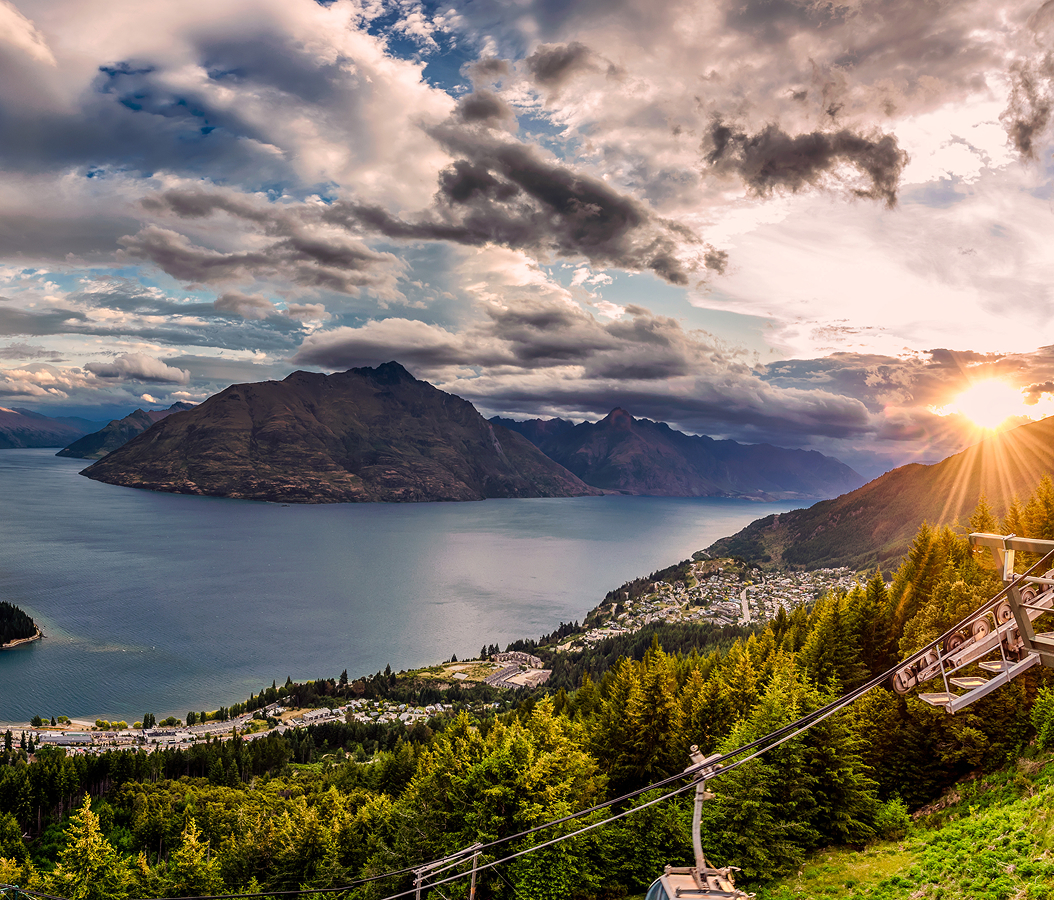
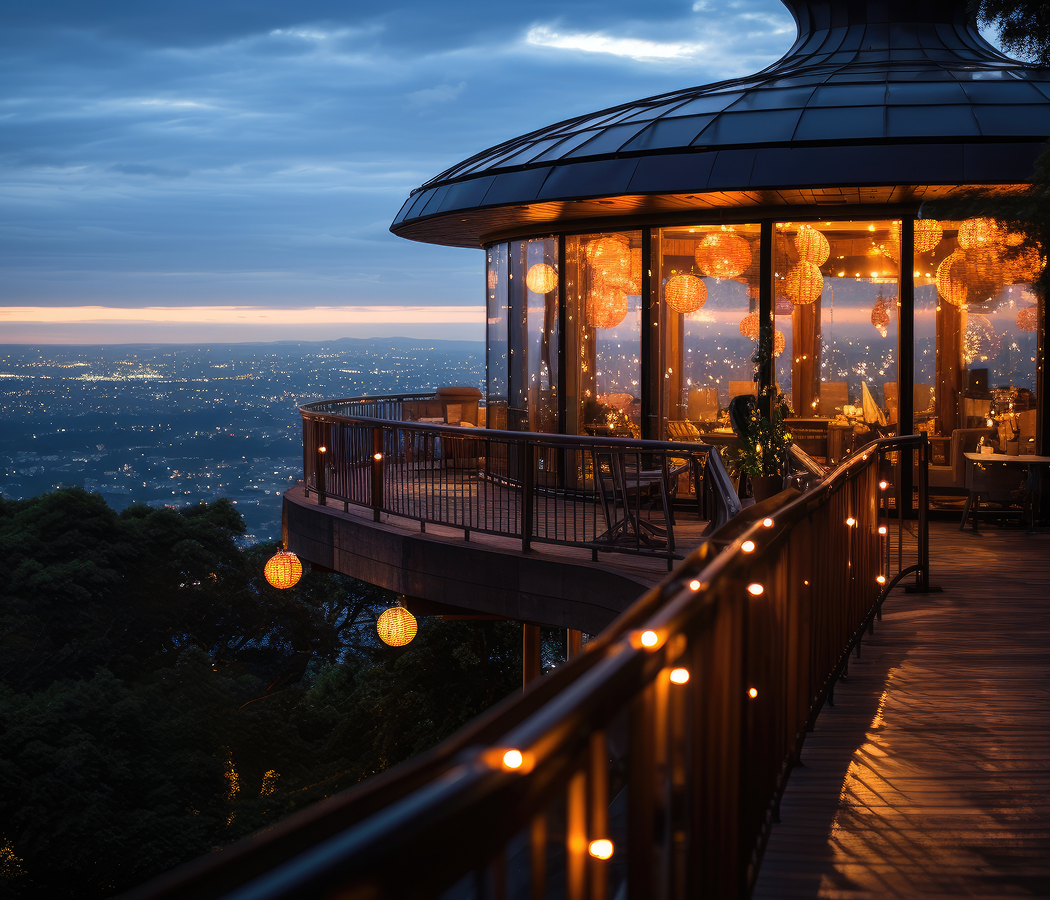
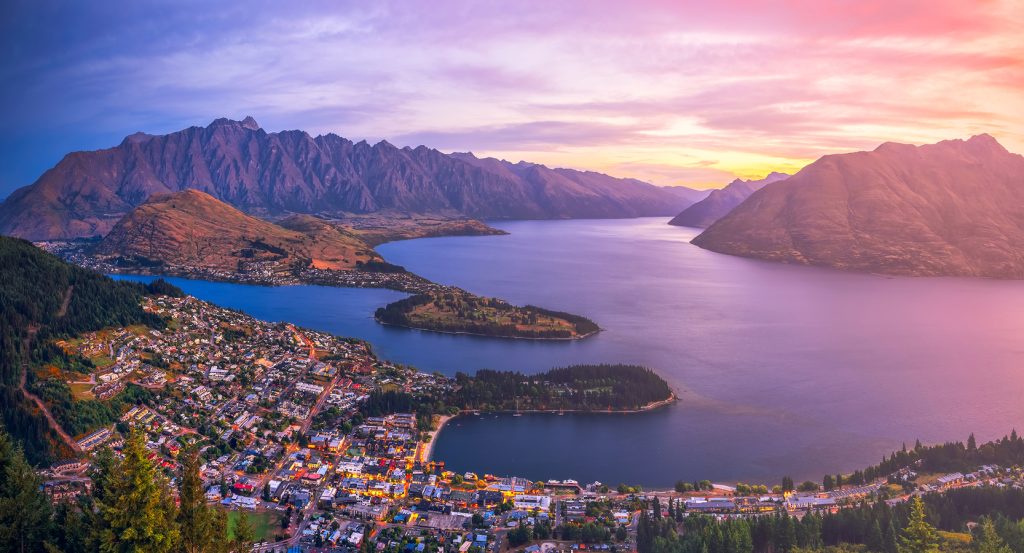
Occupying historic Archer's Cottage along Marine Parade, near the intersection with Church Street and the waterfront promenade overlooking Lake Wakatipu, the restaurant sits within a preserved nineteenth-century precinct connecting Queenstown's original settlement to its contemporary commercial center. Its timber-clad exterior retains the intimate proportions of an early lakeside residence, concealing a substantially larger hospitality interior organized across interconnected dining rooms and an upper floor. Dark timber paneling, upholstered seating, substantial dining tables and carefully positioned fireplaces establish an interior whose warmth and architectural enclosure contrast with the exposed alpine waterfront. Private dining rooms occupy the upper level, and an outdoor terrace extends the restaurant toward the lake, preserving views of Cecil Peak and the surrounding mountain ranges. The result is a restaurant whose historic residential architecture, intimate dining rooms and commanding lakeside position establish a distinctive setting for premium New Zealand steakhouse cooking.
What defines Botswana Butchery.
Botswana Butchery is best known for Al Spary's development of a South Island steakhouse concept that grew from a Wānaka restaurant into one of Queenstown's established fine-dining institutions. Spary founded the original Botswana Butchery in Wānaka in 2007, developing a restaurant built around premium meat, substantial portions, polished service and an unusually elaborate approach to comfortable dining. The business expanded into Queenstown in August 2008, adapting the historic Archer's Cottage premises into a restaurant combining contemporary hospitality with the architectural character of the town's early lakefront development. Its opening coincided with the expansion of Central Otago's international reputation for wine and the increasing prominence of regional ingredients in New Zealand restaurant cooking. The restaurant quickly developed a substantial following, earning finalist recognition in the Cuisine Restaurant of the Year awards in both 2009 and 2010. Russell Gray joined the business in 2009 and became an important figure in its expansion as chief executive of Good Group Hospitality. An October 2010 kitchen fire temporarily interrupted operations, prompting a refurbishment and the introduction of revised lunch and dinner menus when the restaurant reopened that December. Head chef Matt Harrison led the kitchen during this period, developing preparations that combined traditional steakhouse cooking with game, seafood and established European culinary techniques. Chris Bindon succeeded him in March 2011, bringing sixteen years of professional experience and a substantial association with Gibbston Valley's The Winehouse & Kitchen. Bindon had spent six years helping develop that operation for Queenstown entrepreneur Henry van Asch, whose hospitality and adventure-tourism businesses contributed to the wider commercial development of the region. His appointment strengthened Botswana Butchery's connection to Central Otago wine and the increasingly sophisticated relationship between regional vineyards and restaurant kitchens. Good Group subsequently expanded the brand to Auckland, opening a second major restaurant in the historic Ferry Building in April 2012. The Auckland operation welcomed more than 50,000 customers during its first year, demonstrating the commercial reach of a concept originally developed in the Southern Lakes region. Spary and Gray extended the restaurant's culinary reputation into publishing through the Botswana Butchery cookbook, released in 2016 and featuring eighty preparations adapted from the restaurants' professional kitchens for home cooking. The project required translating recipes developed for high-volume restaurant service into methods suitable for domestic equipment, preserving the company's emphasis on substantial meat preparations and carefully constructed accompaniments. Good Group also consolidated its operations around the Queenstown and Auckland restaurants after closing the original Wānaka location in 2012, retaining ownership of the Botswana Butchery brand. Executive chef Warwick Taylor subsequently became central to the Queenstown kitchen's development, bringing professional experience from Mount Nelson in Cape Town, Longueville Manor in the Channel Islands, Arabella Hotel and Spa in South Africa and the Costa Navarino resort complex in Greece. Taylor joined the group in 2018 and progressed from head chef to executive chef for Good Group's Queenstown operations. Head chef Yashan Yu brought another international culinary background after studying at Le Cordon Bleu and working at Amisfield, where she participated in research and development involving foraging, cheesemaking, pastry and molecular cooking. Her subsequent experience at Jervois Steakhouse strengthened her command of premium meat preparation before she joined Botswana Butchery in 2022 and assumed leadership of the kitchen in 2024. The restaurant received one hat in the 2025 Cuisine Good Food Awards and gained inclusion in the inaugural 2026 MICHELIN Guide New Zealand, consolidating its position within the country's recognized dining establishments. Botswana Butchery's development connects Spary's original hospitality concept, Gray's commercial expansion and successive generations of accomplished chefs within a restaurant that helped establish Queenstown's reputation for sophisticated meat-focused dining.
Yashan Yu's kitchen develops Botswana Butchery's distinctive steakhouse experience through the relationship between premium New Zealand livestock, controlled cooking and the concentrated sauces that give classical meat preparations their depth. The Butcher's Block establishes the central concept, presenting selected beef and lamb cuts whose different muscle structures, fat distribution and tenderness require individual treatment over heat. Savannah Angus eye fillet provides a particularly clear example because its naturally tender texture rewards precise cooking that preserves moisture and develops a browned exterior. The kitchen builds the accompanying flavor through thyme and Pinot Noir jus, using the reduction of wine and meat juices to create a concentrated sauce that reinforces the beef's richness. Central Otago Pinot Noir contributes the acidity and aromatic complexity necessary to balance the meat, connecting the preparation directly to the vineyards surrounding Queenstown. That relationship between meat and wine extends through the restaurant's private cellar of 1,800 bottles, allowing regional Pinot Noir and international red wines to accompany different cuts according to their fat content, intensity and preparation. Fiordland venison introduces a leaner expression of the South Island's meat-producing landscape, requiring particularly careful temperature control to preserve tenderness. The kitchen develops its deeper game character through forest mushrooms and red wine jus, drawing earthy and savory qualities into the sauce as the meat's concentrated flavor becomes the center of the preparation. Kumara toffee purée introduces a controlled sweetness, and salted caramel pearl onions extend that element through a vegetable accompaniment whose acidity and caramelization balance the venison. Royalburn lamb establishes another regional connection through a different relationship between fat, herbs and cooking temperature. An herb crust contributes an aromatic exterior, and white onion soubise develops a soft, sweet foundation against the lamb's characteristic richness. Salsa verde introduces fresh acidity, preserving the distinction between the meat's roasted flavor and the lighter herbal elements surrounding it. The kitchen's attention to classical technique extends into seafood, where preparations depend on protecting delicate textures and developing sauces through the concentration of marine ingredients. Pan-fried market fish receives a kawakawa and lemon beurre blanc, combining the native New Zealand herb's distinctive aromatic character with the richness of butter and the acidity of citrus. Seaweed contributes marine salinity, and carefully prepared vegetable accompaniments maintain a lighter composition that complements the restaurant's substantial meat selections. The service develops these preparations through a deliberately flexible approach to the meal, allowing diners to select a principal cut and coordinate vegetables, potatoes and sauces around its individual characteristics. Duck-fat roasted potatoes provide a crisp, richly flavored accompaniment whose substantial texture complements the concentrated meat sauces, and seasonal vegetables introduce freshness through cooking methods appropriate to their natural structure. The dining room's open fires and intimate seating reinforce the extended pace of the meal, creating a comfortable environment for wine service and substantial shared courses. Botswana Butchery's distinctive culinary character emerges from the sustained development of regional meat and seafood through precise heat control, classical sauce preparation and wine pairings that connect the restaurant's cooking to the agricultural and viticultural character of the South Island.
How Botswana Butchery fits.
Botswana Butchery works as the concluding destination for an outing exploring Queenstown's civic commemoration, the development of its public gardens and the establishment of organized winter sports within the historic lakeside settlement.
Begin at Queenstown War Memorial, the commemorative monument whose construction followed the First World War and established a permanent civic tribute to the district's military service. The memorial was unveiled on April 25, 1922, placing its dedication on Anzac Day during a period when communities throughout New Zealand were constructing monuments to those who had served overseas. Its distinctive design incorporates an arch surmounted by an urn, giving the structure a formal architectural character associated with early twentieth-century memorial traditions. One face carries the names of local servicemen killed during the First World War, and the opposite side records those who returned, preserving an unusually comprehensive account of the district's participation. A smaller plaque subsequently commemorated residents killed during the Second World War, extending the monument's significance across successive generations. Continue to Queenstown Gardens, the historic public reserve whose development began during the settlement's transformation from a goldfields town into an established municipality. Queenstown became a borough on August 1, 1866, and its newly formed council soon sought government protection for the lakeside peninsula as a permanent public reserve. Mayor James W. Robertson and nurseryman Mr. McConnochie planted two English oak trees that year to commemorate the borough's incorporation, initiating the development of an extensive collection of introduced trees and ornamental plantings. The gardens formally opened in 1867, with subsequent generations establishing broad pathways, specimen trees and recreational facilities across the peninsula. Douglas firs eventually formed substantial wooded areas along the shoreline, providing shelter from prevailing winds and contributing to the mature landscape that distinguishes the reserve. Conclude at Queenstown Ice Arena, the indoor sporting facility whose origins connect the town's winter recreation traditions to the development of organized ice hockey and skating. The first artificial ice surface opened in 1966, attracting more than 2,000 spectators to its inaugural celebration and establishing a permanent venue for activities previously dependent on naturally frozen ponds. Early hockey matches between Queenstown and Arrowtown drew substantial local audiences, supporting the development of the Queenstown Ice Hockey Club and Queenstown Ice Skating Club. Financial difficulties forced the outdoor rink to close in 1995, prompting a reconstruction led by Tahitian investors and local entrepreneur Firdaus Siddick. The enclosed arena opened in 1996, and the Graham family acquired the operation in 2010 before undertaking substantial improvements to its facilities. International competition arrived in September 2017 when the arena hosted a three-game ice hockey series between New Zealand and Australia, strengthening its role within the country's organized winter sports community. The progression moves from Queenstown War Memorial's preservation of military service through Queenstown Gardens' nineteenth-century development of public recreation and culminates in Queenstown Ice Arena's evolution into an international sporting venue, connecting civic remembrance, municipal planning and winter recreation within Queenstown's historic lakeside landscape.
Where your story begins.
Foresyte Travel reveals places that feel extraordinary long before you arrive.
Enjoy editorial crafted for luxury travelers.
Foresyte may earn a commission when you book.