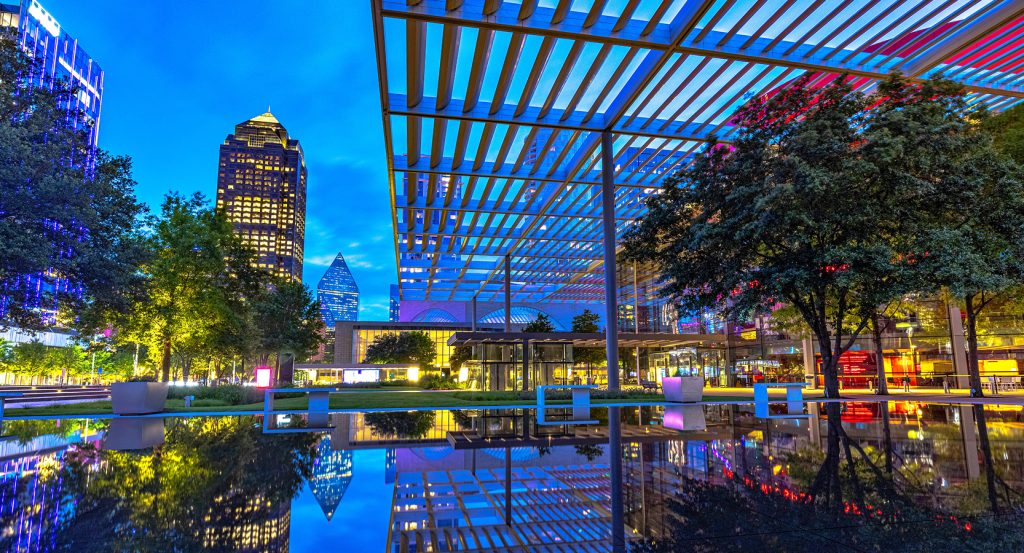
Fun facts about Dallas, Texas.
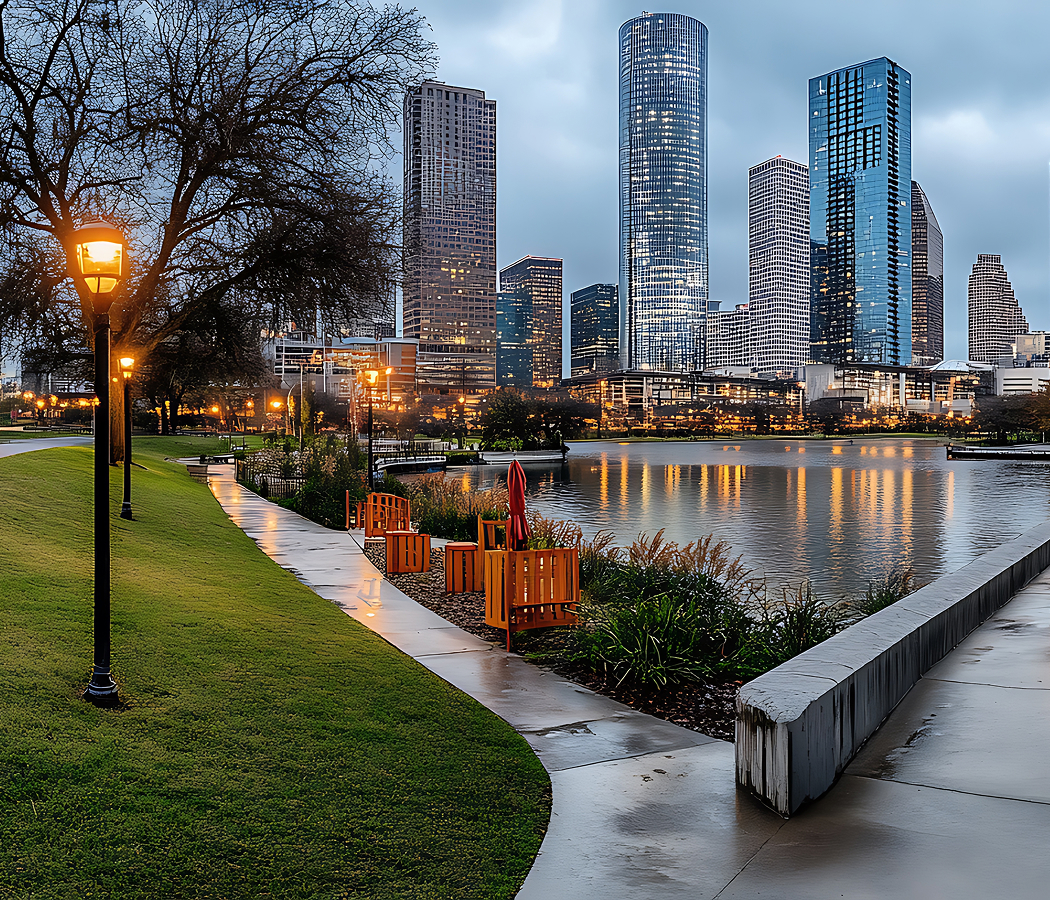
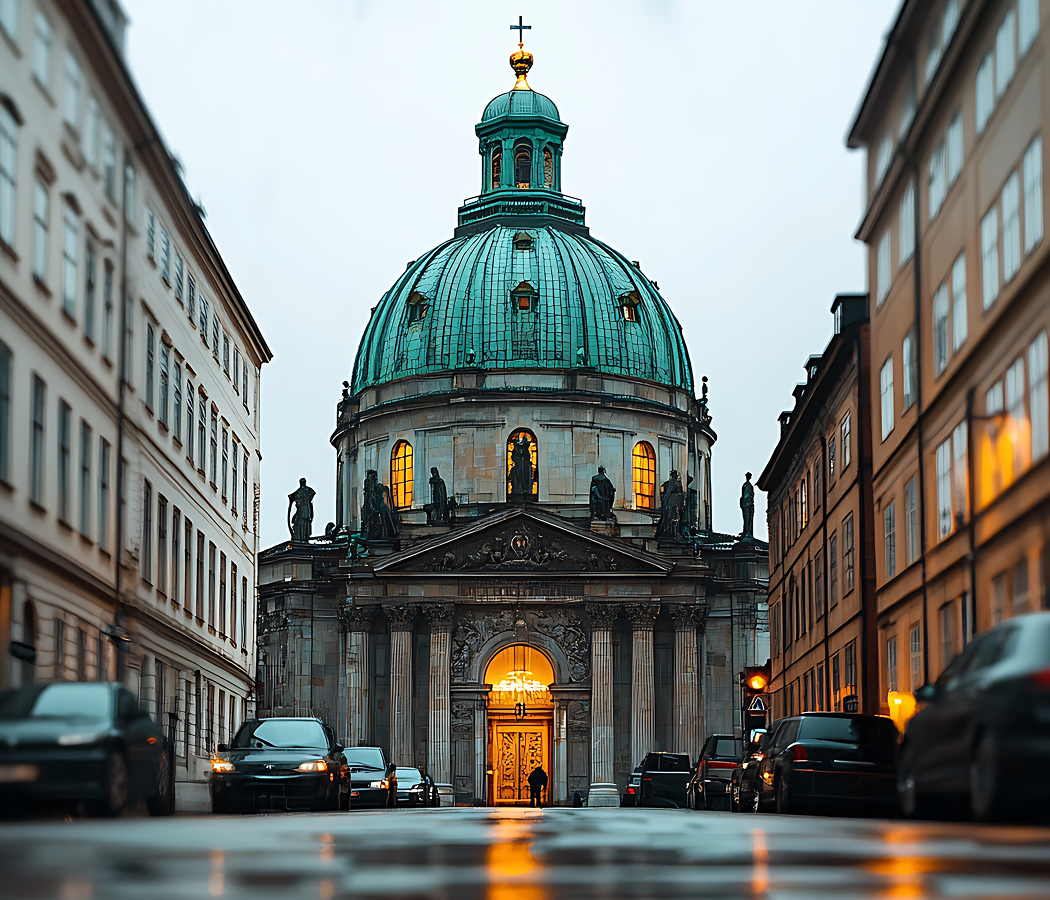
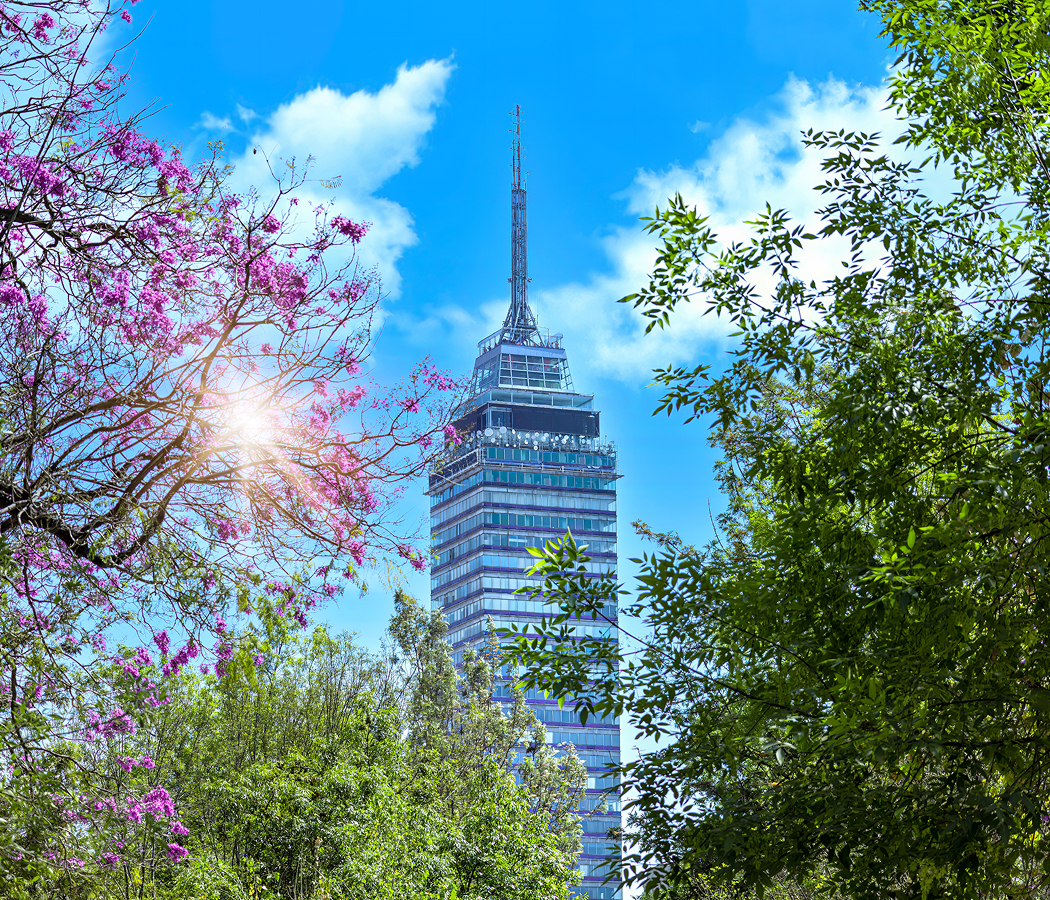
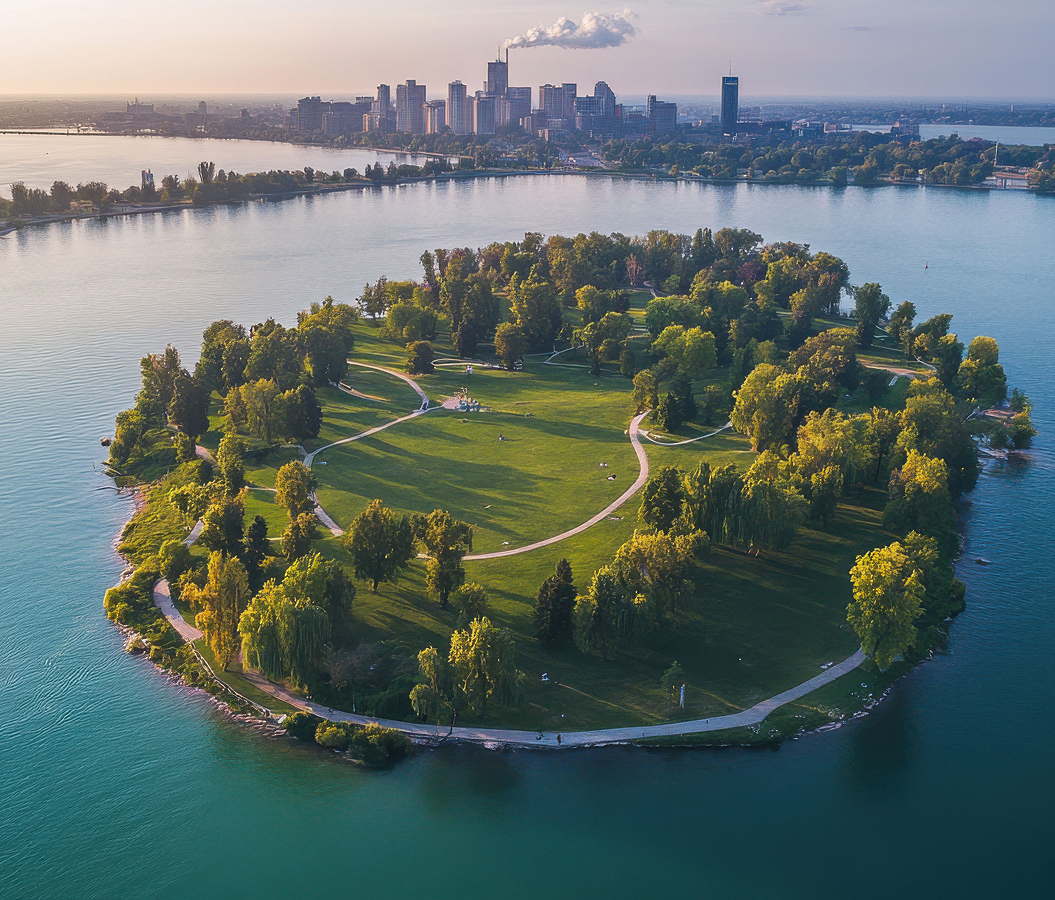
Dallas developed across the broad terrain of the Blackland Prairie, where the Trinity River and its tributaries shaped the original settlement and provided the geographic structure for a metropolitan landscape distinguished by grand civic architecture, historic commercial districts, landscaped boulevards, and an increasingly prominent skyline. Downtown occupies the eastern side of the Trinity River corridor, with its historic street grid preserving the commercial foundations of the nineteenth-century city. The West End Historic District retains substantial brick warehouses and commercial buildings associated with the railroad era, including structures that once supported wholesale distribution and manufacturing. Nearby, Dealey Plaza forms an important historic landscape through its landscaped terraces, roadways, and the triple underpass constructed during the 1930s. The former Texas School Book Depository, completed in 1901, occupies a prominent position overlooking the plaza and now houses The Sixth Floor Museum, whose exhibitions examine the assassination of President Kennedy and its historical consequences. Eastward, the central business district presents a succession of architectural styles reflecting Dallas's commercial expansion. The Magnolia Building, completed in 1922, introduced a prominent Beaux-Arts skyscraper crowned by the illuminated Pegasus symbol that became an enduring emblem of the city. The nearby Adolphus Hotel, opened in 1912, preserves an elaborate composition of Beaux-Arts ornamentation and grand masonry associated with the ambitions of early twentieth-century Dallas. The city's later skyline developed through major corporate construction, including the angular glass façade of Fountain Place, designed by I. M. Pei & Partners and completed in 1986. Reunion Tower, completed in 1978, introduced one of Dallas's most recognizable landmarks through its illuminated geodesic observation sphere rising above the western edge of downtown. The Arts District extends along the northeastern portion of the central city, concentrating major cultural institutions within a carefully planned urban environment. The Dallas Museum of Art, designed by Edward Larrabee Barnes, anchors the district through its restrained modernist composition and landscaped public spaces. Nearby, the Nasher Sculpture Center, designed by Renzo Piano, integrates indoor galleries with a sculpture garden framed by limestone walls and mature trees. The Morton H. Meyerson Symphony Center, designed by I. M. Pei, introduces a grand concert hall whose curved glass entrance and carefully engineered auditorium reflect the architectural ambitions of the city's performing arts institutions. The Winspear Opera House, designed by Foster + Partners, adds another contemporary landmark through its transparent glass enclosure and expansive solar canopy. Beyond downtown, the historic Swiss Avenue district preserves an influential collection of early twentieth-century residences, including Prairie School, Tudor Revival, and Mediterranean Revival houses set within broad landscaped lots. Highland Park and University Park developed as prominent residential communities distinguished by tree-lined streets, substantial homes, and carefully maintained public landscapes. The Dallas Arboretum and Botanical Garden occupies an extensive lakeside setting along White Rock Lake, combining formal gardens, historic estates, and seasonal horticultural displays. The lake itself, created as a municipal reservoir during the early twentieth century, became an important recreational landscape surrounded by parks, trails, and residential neighborhoods. The Trinity River Corridor introduces another defining geographic feature through its floodplain, levees, and extensive open spaces, reflecting the engineering challenges of managing a major river within an expanding metropolitan region. The Margaret Hunt Hill Bridge, designed by Santiago Calatrava and opened in 2012, spans the river through a dramatic white arch and radiating cable system, creating a distinctive connection between downtown and West Dallas. Dallas's urban form reveals the relationship between commercial ambition, grand cultural investment, residential expansion, and the transformation of North Texas prairie into a major American metropolis.
Texan cultural life developed a distinctive metropolitan expression in Dallas, where African American musical traditions, influential visual arts institutions, professional sports, regional cuisine, and a powerful culture of entrepreneurship contributed to the city's national prominence. The musical history of Dallas reaches into the early twentieth century, when blues, jazz, gospel, and country performers developed energetic traditions across North Texas. Deep Ellum emerged as a particularly influential center of African American music and entertainment, attracting performers including Blind Lemon Jefferson, whose recordings helped establish the commercial foundations of Texas blues. The district's theaters, clubs, and gathering places supported a creative environment that contributed to the development of American popular music. During the late twentieth century, Deep Ellum experienced a revival through alternative rock, punk, independent music, and visual arts, establishing a reputation for experimental performance and neighborhood creativity. Dallas also became an important center of contemporary gospel and religious music, reflecting the influence of its churches and broader regional traditions. The city's visual arts institutions developed through sustained civic investment, particularly through the Dallas Museum of Art, whose collections encompass ancient Mediterranean works, Asian art, European painting, and contemporary American artistic production. The Nasher Sculpture Center, established through the collection of Raymond and Patsy Nasher, became an internationally significant institution devoted to modern and contemporary sculpture, presenting works by artists including Auguste Rodin, Henry Moore, and Alexander Calder. The Crow Museum of Asian Art introduced another important cultural institution through its collections of Chinese, Japanese, Indian, and Southeast Asian artistic traditions. Dallas's performing arts environment includes the Dallas Symphony Orchestra, Dallas Opera, and Dallas Theater Center, whose productions contribute to a substantial regional network of music, theater, and dance. The Dallas Theater Center developed a national reputation through ambitious interpretations of classical and contemporary drama, with its productions contributing to the broader development of American regional theater. The city's literary and intellectual traditions extend through Southern Methodist University, whose academic institutions and cultural collections support research in the humanities, arts, and social sciences. The George W. Bush Presidential Center, located on the university campus, preserves presidential archives and exhibitions associated with the forty-third president of the United States. Dallas's culinary culture reflects the agricultural inheritance of North Texas and the influence of Mexican, African American, and immigrant communities. Texas barbecue remains a defining regional specialty, with smoked brisket, beef ribs, and traditional side dishes reflecting the development of wood-fired cooking across the state. Tex-Mex cuisine contributes another essential dimension through enchiladas, fajitas, tamales, and chile-based preparations associated with the longstanding relationship between Texas and northern Mexico. The city's contemporary restaurant environment also reflects substantial international diversity, particularly through Korean, Vietnamese, Indian, and Middle Eastern culinary communities. Dallas's professional sports institutions became powerful elements of its popular identity, especially through the Dallas Cowboys, whose national following helped establish the franchise as one of the most recognizable organizations in American sports. The Dallas Mavericks and Dallas Stars further strengthened the region's professional sporting culture through basketball and hockey, contributing to a metropolitan environment closely associated with major athletic events. The State Fair of Texas, held annually at Fair Park, preserves another distinctive cultural institution through agricultural exhibitions, livestock competitions, culinary traditions, and public entertainment. Fair Park itself contains an exceptional concentration of Art Deco buildings and grand artworks developed for the Texas Centennial Exposition, connecting the city's architectural inheritance with its traditions of public celebration. Dallas's cultural significance emerges from the blend between Texas regional identity, African American musical innovation, ambitious artistic patronage, and the entrepreneurial energy that has shaped one of the country's most influential metropolitan centers.
Five fascinations.
5. Dallas contains one of the largest collections of Art Deco architecture in the United States.
Fair Park was transformed for the 1936 Texas Centennial Exposition into an extraordinary architectural showcase celebrating the hundredth anniversary of Texas independence. Architect George Dahl coordinated a grand ensemble of exhibition halls, murals, sculptures, fountains, and landscaped spaces unified by Art Deco design. Many exposition structures survived after temporary world's-fair buildings elsewhere disappeared, leaving Dallas with an unusually intact concentration of 1930s architecture and public art. Fair Park preserves an entire chapter of Depression-era ambition at grand scale, with its buildings still framing the annual State Fair of Texas.
4. Dallas created the nation's first planned shopping center.
Highland Park Village opened in 1931 as a radically different approach to American retail development. Architects Hugh Prather and Harold Fooshee arranged shops around landscaped courtyards with dedicated automobile parking, combining Spanish and Mediterranean architectural influences with a commercial plan designed specifically around the emerging car culture. The development became an influential model for the planned shopping centers that later spread throughout the United States. Long before suburban malls became fixtures of American life, Dallas had already produced an early blueprint for concentrating stores, parking, pedestrian spaces, and architectural character within a unified retail complex.
3. Dallas built an entire park over a freeway.
Klyde Warren Park occupies more than five acres directly above the recessed Woodall Rodgers Freeway between Downtown and Uptown. Completed in 2012, the project placed a structural deck across the highway and transformed previously divided urban territory into lawns, gardens, paths, gathering spaces, and programming areas. The engineering required hundreds of concrete beams to support the landscape and its infrastructure above moving traffic. Dallas effectively created new public land where a highway had formed a physical barrier, turning transportation infrastructure into the foundation for a park that reconnects two major parts of the central city.
2. The Dallas skyline contains a skyscraper engineered around a giant hole.
When Fountain Place was conceived during Dallas' 1980s building boom, architect I. M. Pei and partner Henry Cobb developed a dramatically faceted glass tower whose geometry changes as it is viewed from different directions. The surrounding landscape, designed by Dan Kiley, extended the architectural composition through fountains, pools, trees, and precisely organized open space. Elsewhere downtown, the distinctive Renaissance Tower and Bank of America Plaza helped create an unusually recognizable collection of late twentieth-century skyscrapers. Dallas' modern skyline emerged as a laboratory for ambitious corporate architecture during one of the most transformative periods in the city's development.
1. The frozen margarita machine was invented in Dallas.
In 1971, Dallas restaurateur Mariano Martinez faced a practical problem: bartenders struggled to produce frozen margaritas quickly and consistently during busy service. Inspired by a frozen-drink machine at a convenience store, Martinez adapted soft-serve equipment to dispense a standardized frozen margarita mixture. The invention helped transform the frozen margarita into a scalable restaurant staple and became an enduring piece of American food-and-drink culture. Martinez's original machine eventually entered the collection of the Smithsonian's National Museum of American History, giving a familiar cocktail an unexpectedly significant connection to Dallas ingenuity.
Where your story begins.
Foresyte Travel reveals places that feel extraordinary long before you arrive.
Enjoy editorial crafted for luxury travelers.
Foresyte may earn a commission when you book.