Fun facts about Nice, France.
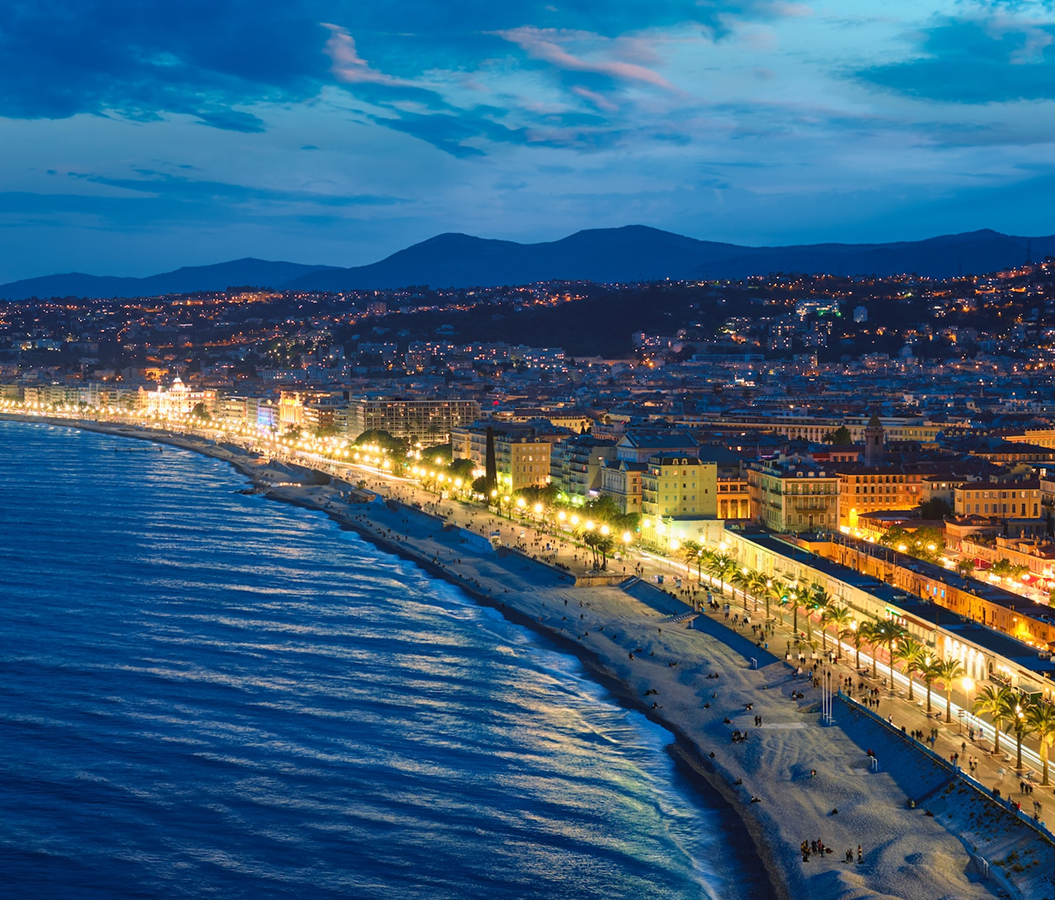
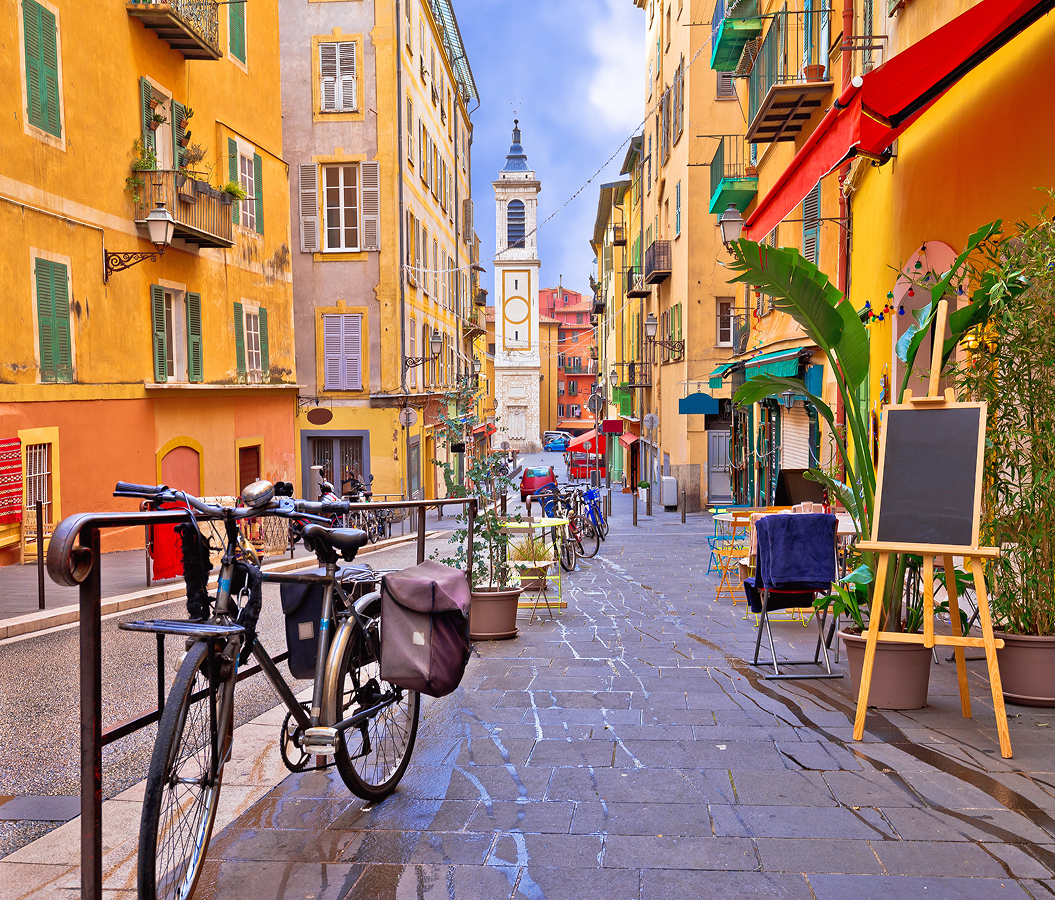
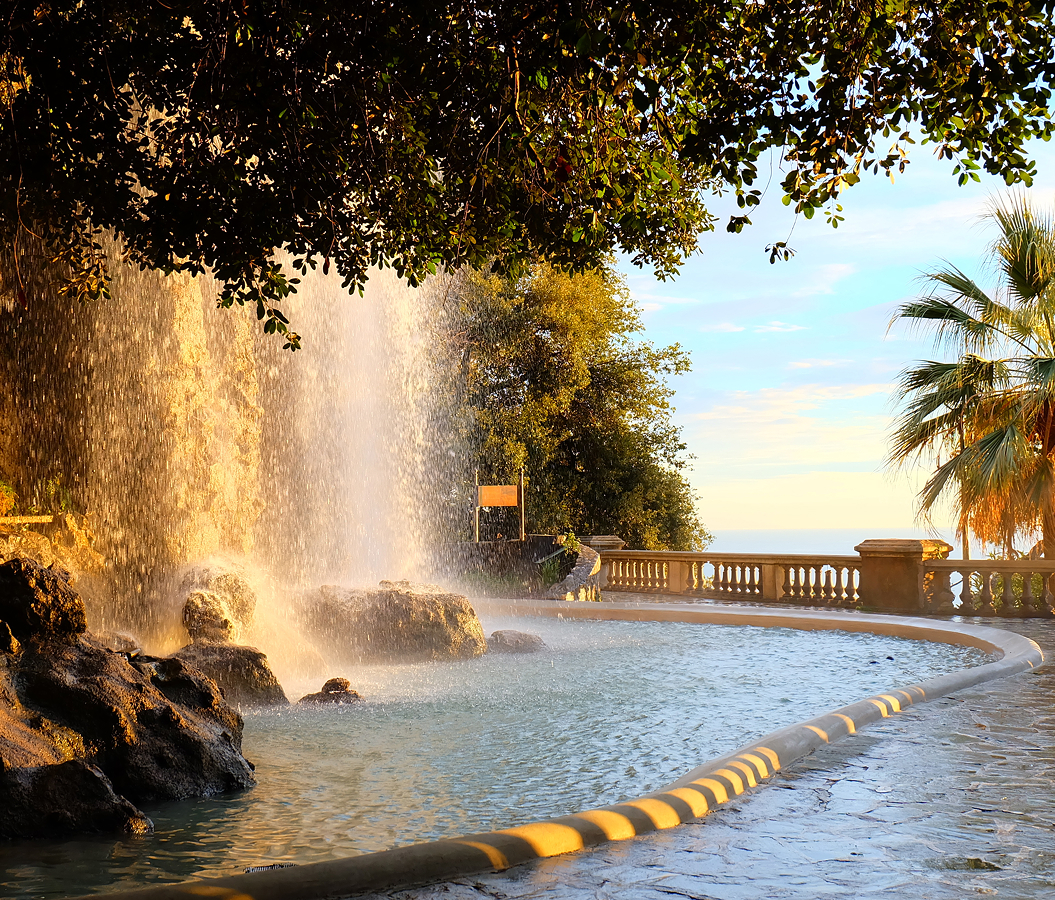
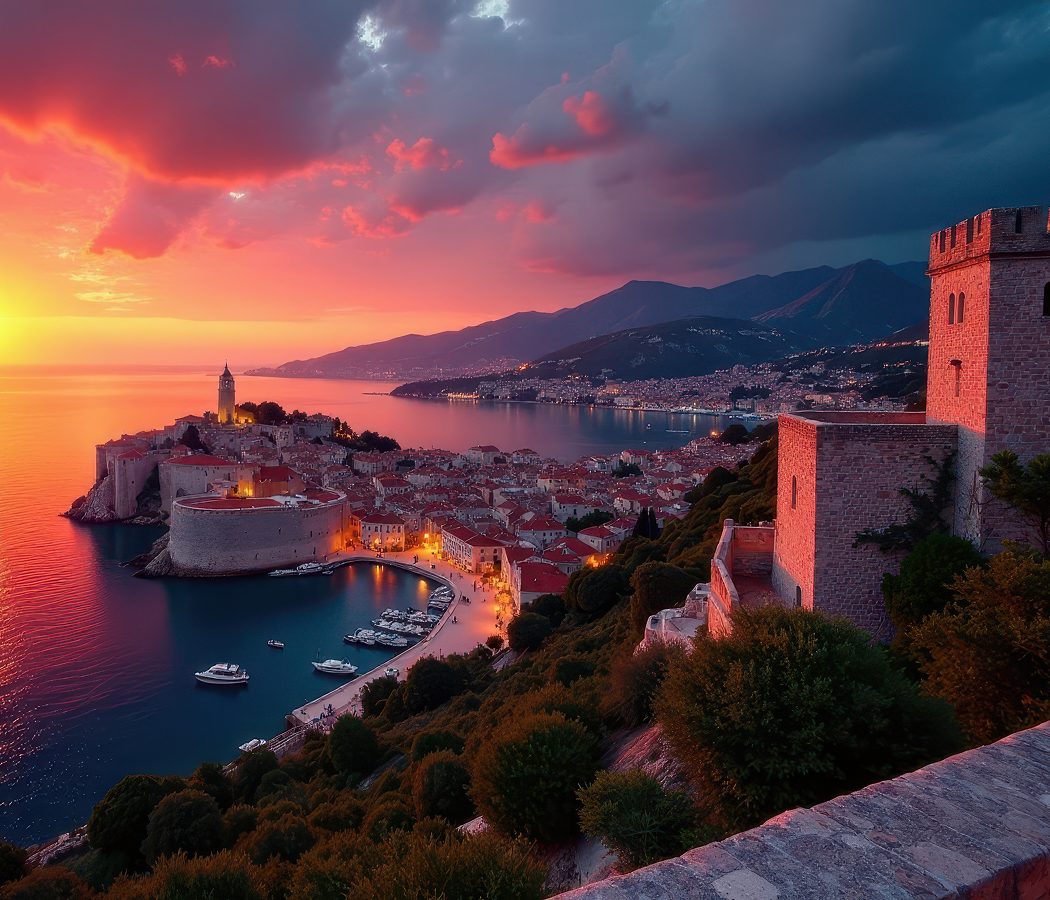
Nice curves around the Baie des Anges, where a sweeping Mediterranean shoreline meets steep wooded hills, limestone headlands, and the southern foothills of the Maritime Alps. The city occupies a narrow coastal plain crossed by the Paillon River, whose lower course now runs largely beneath central streets and public spaces. The Promenade des Anglais follows the waterfront for seven kilometers, connecting the historic center with western residential districts and the coastal approaches to Nice Côte d'Azur Airport. Developed during the nineteenth century through the initiative of the city's British winter visitors, the promenade became the principal architectural setting for the resort economy. Its broad pedestrian spaces overlook pebble beaches and the Mediterranean, with historic hotels and substantial apartment buildings lining the northern side. The Hôtel Negresco, opened in 1913, presents an expansive Belle Époque façade crowned by a distinctive pink dome, preserving the architectural ambitions of Nice's international hospitality industry. Farther east, the Quai des États-Unis continues along the waterfront toward the historic center, where the urban landscape becomes denser and more distinctly Italian in character. Vieux Nice contains narrow streets, ochre and terracotta façades, shuttered windows, and Baroque churches arranged within a compact medieval street network. The Cours Saleya forms its principal market corridor, bordered by restaurants, historic buildings, and market stalls selling flowers, produce, and regional foods. Nearby, the Cathédrale Sainte-Réparate presents an elaborate Baroque interior beneath a tiled dome, reflecting the religious architecture developed during Savoyard rule. The Palais Lascaris preserves another important example of seventeenth-century architecture through its decorated staircases, frescoes, and aristocratic interiors. East of the Old Town, Colline du Château rises above the shoreline through a wooded hill containing gardens, waterfalls, archaeological remains, and panoramic viewpoints. The former fortress site overlooks the Baie des Anges to the west and Port Lympia to the east, revealing the geographical relationship between the historic settlement and its maritime approaches. Port Lympia occupies a sheltered basin developed during the eighteenth century, surrounded by colorful waterfront buildings and connected to the surrounding districts through substantial commercial streets. North of Vieux Nice, Place Garibaldi introduces a formal urban square distinguished by arcaded buildings and façades reflecting the city's Italian architectural inheritance. The adjacent Promenade du Paillon follows the covered river corridor through landscaped gardens, fountains, and pedestrian spaces linking the historic center with modern civic districts. Place Masséna forms a major central square through its red façades, arcades, and broad public spaces, connecting the waterfront with Avenue Jean Médecin, the principal commercial avenue extending toward the railway station. West of the center, the Carré d'Or contains substantial nineteenth-century apartment buildings and former resort residences associated with the city's Belle Époque expansion. The elevated neighborhood of Cimiez preserves a contrasting landscape of historic villas, monasteries, museums, and gardens. Its Roman archaeological site contains remains of baths, an amphitheater, and streets associated with ancient Cemenelum. The nearby Musée Matisse occupies a seventeenth-century villa overlooking landscaped grounds. Farther north, the city's residential districts climb wooded hillsides toward Mont Boron and the surrounding highlands. Mont Boron separates Nice from Villefranche-sur-Mer through a forested coastal ridge offering extensive views of the Mediterranean. The eastern approaches lead toward Cap Ferrat and the rugged coastline of the Riviera, and the western districts extend toward the Var River and the coastal plain surrounding the airport. Nice's urban landscape preserves an exceptional concentration of Baroque streets, Belle Époque resort architecture, Roman remains, and Mediterranean waterfront spaces within a setting framed by the foothills of the Alps.
French modern painting acquired one of its most influential Mediterranean centers in Nice, where the intense coastal light, established artistic institutions, and international winter community attracted generations of painters, writers, and musicians. Henri Matisse settled in Nice in 1917 and spent much of his later life exploring the relationship between color, interior space, and the luminosity of the Mediterranean. His paintings of open windows, patterned rooms, and reclining figures became defining achievements of twentieth-century modernism. The Musée Matisse preserves a substantial collection of his work, including paintings, drawings, sculptures, and personal objects associated with his artistic development. Marc Chagall also established a lasting connection with the region, and the Musée National Marc Chagall houses his expansive Biblical Message paintings within a museum conceived around their presentation. Nice's artistic history includes the painter Yves Klein, born in the city in 1928, whose experiments with monochrome painting and International Klein Blue contributed to the development of postwar conceptual art. Klein became associated with Nouveau Réalisme, a movement formally established in 1960 through the work of artists and critic Pierre Restany. The Musée d'Art Moderne et d'Art Contemporain has played an important role in presenting this artistic inheritance alongside international contemporary art. Nice's musical institutions include the Opéra de Nice, whose nineteenth-century theater supports opera, ballet, and orchestral performance. The Nice Jazz Festival traces its origins to 1948, when the city hosted a landmark international jazz gathering featuring performers including Louis Armstrong and Django Reinhardt. The festival helped establish Nice as an important European destination for American jazz and subsequently developed into a major annual musical event. The city's literary associations include Friedrich Nietzsche, who spent winters in Nice during the 1880s and composed portions of his philosophical work amid the surrounding Mediterranean landscape. Russian writers and aristocrats also contributed to the city's nineteenth-century cultural environment, establishing a substantial expatriate community whose architectural inheritance includes the Cathédrale Saint-Nicolas, among the most prominent Russian Orthodox churches in Western Europe. Nice's civic calendar centers on the Carnaval de Nice, a major winter celebration whose origins reach into medieval festivities. Elaborate floats, illuminated parades, satirical figures, and the celebrated flower battles animate the city during the festival season. The Fête des Mai preserves another local tradition through spring gatherings featuring Niçois music, dance, and regional food. The city's cuisine reflects its position between Provence and Liguria, combining Mediterranean seafood, olive oil, vegetables, herbs, and Italian influences. Socca, a thin chickpea-flour pancake baked at high heat, remains one of the most recognizable foods of the Old Town. Salade niçoise combines tomatoes, anchovies or tuna, olives, eggs, and seasonal vegetables, preserving a regional preparation that has acquired international recognition. Pissaladière, an onion tart traditionally prepared with anchovies and olives, reflects the culinary exchange between the French and Italian Mediterranean. Farcis niçois feature vegetables stuffed with seasoned meat or other fillings, and pan bagnat transforms the ingredients of salade niçoise into a substantial bread-based meal. The surrounding countryside contributes olive oil, citrus, herbs, and vegetables cultivated on terraces extending into the coastal hills. Nice's distinctive cultural legacy connects the artistic experimentation of European modernism with the popular celebrations, architecture, and foodways of a Mediterranean city whose history has unfolded between France and Italy.
Five fascinations.
5. Nice became French only in the nineteenth century.
For centuries, Nice belonged politically to territories connected with the House of Savoy. The city became part of France in 1860 after the Treaty of Turin transferred the County of Nice from the Kingdom of Sardinia, followed by a plebiscite. This relatively recent political transition helps explain the city's distinctive cultural character at the meeting point of French and Italian worlds. Architecture, cuisine, language, and local traditions retain influences produced by centuries of Mediterranean exchange. Nice occupies an unusual position within modern France: one of its most famous cities joined the country only a few years before the unification of Italy was completed.
4. The Promenade des Anglais owes its character to British winter visitors.
Wealthy British travelers began spending winters in Nice in significant numbers during the eighteenth and nineteenth centuries, attracted by its mild Mediterranean climate. A seaside walkway associated with this expatriate community developed along the Baie des Anges and ultimately became known as the Promenade des Anglais, the “Walkway of the English.” Successive expansions transformed it into the expansive waterfront boulevard that defines the city today. Hotels, apartment buildings, beaches, palms, and public spaces subsequently accumulated along its route. One of France's most recognizable urban landscapes preserves in its name the influence of foreign visitors who helped transform Nice into an international resort.
3. Nice possesses one of the largest concentrations of Henri Matisse's work.
Henri Matisse arrived in Nice in 1917 and developed an enduring relationship with the city and surrounding Côte d'Azur. Mediterranean light, interiors, windows, vegetation, and the atmosphere of southern France became recurring elements of his work during the decades that followed. He spent much of his later life in the region and died in Nice in 1954. The Musée Matisse now occupies the seventeenth-century Villa des Arènes in Cimiez, bringing paintings, drawings, sculptures, prints, and personal material together near places connected with the artist's life. Nice became both a creative environment for Matisse and a major center for understanding his artistic development.
2. Nice once had a château overlooking the Mediterranean, but almost nothing remains of it.
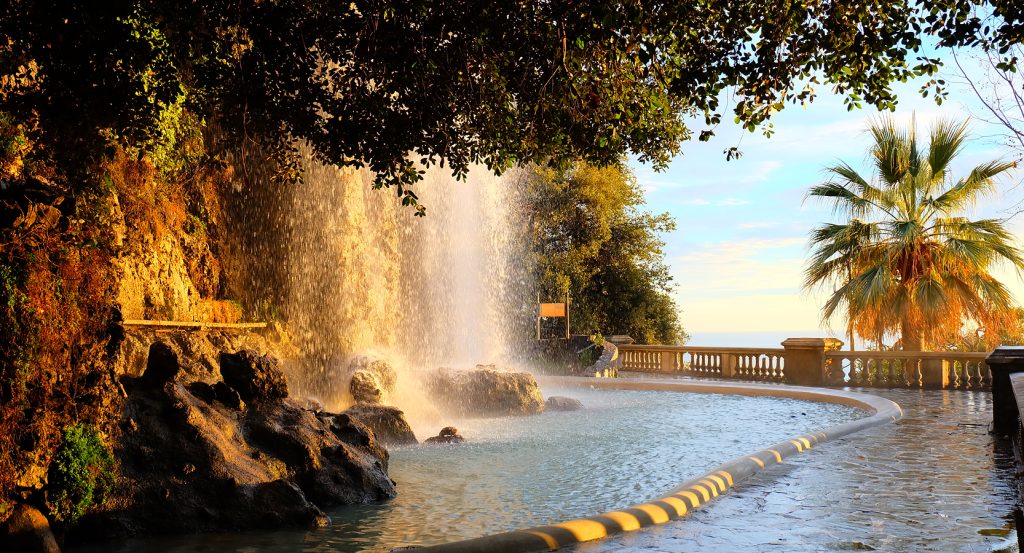
Castle Hill dominates the eastern end of Nice's historic waterfront, yet the expansive fortress that gave the hill its name disappeared centuries ago. The fortified citadel occupied a commanding position above the old town and harbor before forces of Louis XIV captured Nice during the War of the Spanish Succession. The fortifications were subsequently demolished in the early eighteenth century, permanently changing the city's skyline. Parc de la Colline du Château now occupies the heights, with terraces, pathways, archaeological remnants, and sweeping views across the Baie des Anges. One of Nice's defining landmarks is shaped as much by vanished architecture as by surviving construction.
1. Nice Carnival developed one of the world's great traditions of giant satirical parade figures.
Carnival celebrations in Nice stretch back centuries, with an early written reference dating to 1294. The modern festival took shape during the nineteenth century as organized parades, elaborate floats, theatrical characters, and public spectacles transformed the seasonal celebration into a major civic event. Enormous sculpted figures known as grosses têtes became particularly distinctive, allowing artists to exaggerate politicians, celebrities, historical personalities, and imaginary characters on an expansive scale. The celebrated Battle of Flowers added another tradition, sending decorated floats along the waterfront amid showers of blossoms. Nice turned an ancient festival into an evolving form of public theater closely tied to the character of the Côte d'Azur.
Where your story begins.
Foresyte Travel reveals places that feel extraordinary long before you arrive.
Enjoy editorial crafted for luxury travelers.
Foresyte may earn a commission when you book.