Fun facts about Utah.
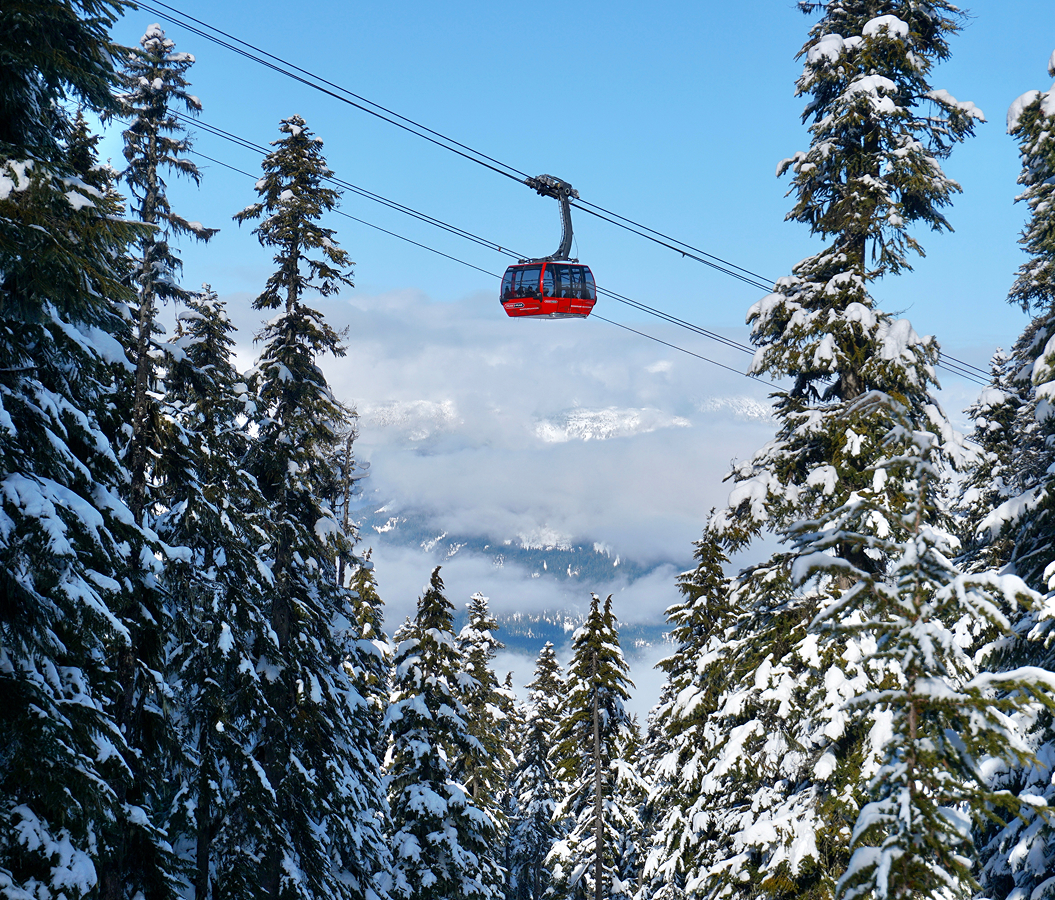
Park City lies thirty miles southeast of Salt Lake City in the Wasatch Mountains of northern Utah, occupying a high-elevation valley surrounded by forested ridges, alpine slopes, and extensive recreational terrain. The historic downtown stands at 7,000 feet above sea level, with surrounding mountains rising beyond 10,000 feet. The town developed along a narrow mountain drainage where early mining operations concentrated transportation routes, commercial buildings, and residential streets within the steep terrain. Main Street follows the natural slope of the historic settlement, creating a distinctive corridor of nineteenth-century storefronts, restaurants, galleries, and former mining-era businesses. The street's compact scale and gradual ascent preserve the spatial organization of the original industrial town. Many buildings reflect the reconstruction that followed the 1898 fire, incorporating brick façades, decorative cornices, and architectural details associated with late Victorian commercial development. The Egyptian Theatre, established in 1926, presents an elaborate façade inspired by the Egyptian Revival style and serves as an important landmark within the historic district. Nearby, the Park City Museum occupies the former City Hall building, preserving exhibitions and artifacts associated with the town's mining history. Residential streets climb the hillsides above Main Street, where restored miners' cottages stand alongside contemporary mountain houses. The surrounding slopes contain remnants of mining infrastructure, including historic headframes, tunnels, and industrial structures that remain visible within the modern ski landscape. Park City Mountain extends across extensive terrain west and south of downtown, connecting the historic resort base with the Canyons Village area through a network of lifts and mountain trails. Its landscape encompasses forested runs, open bowls, and high ridgelines overlooking the surrounding Wasatch Range. Deer Valley occupies the mountains east of the historic center, where ski terrain extends across several peaks and wooded valleys. Its base areas incorporate substantial mountain lodges, residential developments, and hospitality properties connected by roads and lift infrastructure. North of downtown, the Snyderville Basin opens into a broader valley containing residential neighborhoods, commercial centers, and major recreational facilities. The Utah Olympic Park stands near the northern approach to Park City, distinguished by its ski-jumping hills, bobsled track, and training infrastructure constructed for international winter competition. The surrounding basin also contains the Swaner Preserve, an extensive wetland and meadow landscape supporting wildlife habitat and environmental education. East of the city, the Jordanelle Reservoir occupies a broad mountain basin, providing water storage and recreational access beneath the surrounding foothills. The nearby Uinta Mountains rise farther east, forming one of Utah's most significant high-elevation wilderness regions. Park City's trail network extends through forested slopes, open meadows, and former mining corridors, supporting hiking, mountain biking, and cross-country recreation during warmer months. The Mid Mountain Trail traverses substantial portions of the surrounding terrain, connecting wooded hillsides and resort areas through an extensive mountain route. The city's physical distinction comes from the unusually close relationship between its preserved Victorian mining streets, expansive alpine resorts, Olympic infrastructure, and the mountain landscapes of the Central Wasatch Range.
Utah's mountain recreation culture has acquired international prominence through Park City's ski resorts, competitive sporting institutions, and film industry connections, which have transformed a former mining community into a major center of winter athletics and independent cinema. The town's ski heritage developed from the adaptation of former mining terrain into recreational slopes, with historic industrial structures preserving the relationship between two distinct mountain economies. The 2002 Winter Olympics established Park City as an important venue for international competition, with events held at Park City Mountain, Deer Valley, and the Utah Olympic Park. The latter continues to support athletic training, including ski jumping, bobsledding, skeleton, and luge, alongside public programs introducing visitors to Olympic winter sports. Deer Valley has hosted major international freestyle skiing competitions, strengthening the town's standing within the global skiing community. Park City's cultural influence extends well beyond winter athletics through its longstanding association with the Sundance Film Festival. Robert Redford founded the Sundance Institute in 1981 to support independent filmmaking, and the festival developed into one of the world's most influential platforms for emerging directors and unconventional cinematic storytelling. Park City became its principal setting during the festival's expansion, with screenings, premieres, and industry gatherings occupying theaters and venues throughout the historic downtown. Films including sex, lies, and videotape, Reservoir Dogs, and Little Miss Sunshine gained major attention through Sundance, contributing to the festival's reputation for introducing influential independent work. The Egyptian Theatre became an especially recognizable venue within the festival's Park City history, connecting the town's early entertainment architecture with contemporary cinema. The festival's final Park City edition took place in 2026, ahead of its relocation to Boulder, Colorado, beginning in 2027. Park City's performing arts community also includes the Egyptian Theatre's regular programming of concerts, theatrical productions, and comedy performances. The Kimball Art Center, founded in 1976, supports exhibitions, art education, and community programming, contributing to the town's development as a year-round cultural destination. Its annual Park City Kimball Arts Festival brings artists and visitors into the historic district through exhibitions of painting, sculpture, ceramics, photography, and contemporary crafts. The Park City Library, housed in a former school building, provides another important civic institution, incorporating public gathering spaces and cultural programming within a preserved historic structure. The town's culinary scene reflects its evolution from a working mining settlement into an international resort community. Historic Main Street contains restaurants ranging from longstanding American establishments to contemporary kitchens emphasizing seasonal ingredients and regional produce. Utah-raised beef, trout, game meats, and locally cultivated vegetables contribute to menus influenced by the agricultural traditions of the Mountain West. Après-ski dining has become a defining element of the winter visitor experience, with mountain lodges, restaurants, and bars serving as gathering places after days spent on the slopes. The High West Distillery, established in 2006, introduced a prominent contemporary whiskey producer to the historic district, contributing to the town's expanding reputation for craft spirits. Park City's cultural significance comes from the convergence of elite winter athletics, independent filmmaking, mountain recreation, and a preserved mining landscape whose historic buildings continue to anchor the contemporary resort community.
Five fascinations.
5. Park City began as a silver-mining town long before it became a ski destination.
Silver discoveries in the surrounding Wasatch Mountains transformed Park City into a booming mining settlement during the late nineteenth century. Mines including the Ontario and Silver King drove population growth as shafts, tunnels, mills, rail connections, and worker communities spread through the mountains. The industry experienced repeated cycles of prosperity and decline before collapsing silver prices and rising extraction costs weakened the local economy during the twentieth century. Park City's historic Main Street, mining structures, and surviving industrial sites preserve this earlier identity. The polished mountain resort of today occupies a landscape originally engineered around extracting mineral wealth from beneath the Wasatch Range.
4. One of Park City's ski areas was created partly to rescue its struggling mining economy.
By the mid-twentieth century, Park City's mining industry had declined dramatically, leaving the community searching for a new economic foundation. Local mining interests helped develop Treasure Mountains, a ski area that opened in 1963 on terrain above town and later evolved into Park City Mountain. Early skiers reached portions of the mountain using infrastructure connected to the mining landscape, including a subterranean train that carried passengers through an old mine tunnel. Recreation gradually replaced extraction as the dominant mountain industry. Park City reinvented the same slopes that had sustained generations of miners, converting an industrial landscape into the foundation of an international ski economy.
3. Park City contains hundreds of miles of tunnels beneath its mountains.
More than a century of intensive mining left an extraordinary subterranean landscape beneath Park City and the surrounding mountains. Companies excavated extensive networks of shafts, drainage passages, haulage tunnels, and interconnected workings while pursuing silver, lead, zinc, and other ores. Some passages extended for miles through the mountains, creating an underground counterpart to the modern ski terrain above. Remnants of mine buildings and machinery remain visible across the slopes, where ski runs and lifts now cross landscapes once dominated by industrial activity. Park City's recreational mountains conceal an immense engineered history beneath the snow, linking the modern resort directly to its mining origins.
2. Park City hosted Olympic events in terrain once shaped by mining.
The 2002 Winter Olympics brought international competition to Park City, with events staged at Park City Mountain, Deer Valley Resort, and Utah Olympic Park. Alpine skiing, freestyle skiing, snowboarding, ski jumping, bobsled, skeleton, and luge placed the community at the center of the Games. Utah Olympic Park preserved major competition infrastructure afterward, including sliding tracks and ski jumps that developed into training and recreational facilities. The Olympics accelerated Park City's transformation from a nationally prominent ski town into a globally recognized winter-sports destination. A landscape first developed through mineral extraction acquired another layer of engineering dedicated to elite athletic performance.
1. Sundance transformed Park City into one of the world's most influential film destinations.
The Sundance Film Festival established Park City as an annual center of independent cinema, filling theaters, hotels, restaurants, and historic Main Street with filmmakers, audiences, distributors, and journalists each winter. The festival grew from Utah-based film initiatives that evolved through Robert Redford's Sundance Institute into an institution capable of launching independent films and filmmakers onto the international stage. Screenings spread across unconventional venues throughout town, temporarily converting a mountain resort into a dense filmmaking marketplace and cultural gathering place. Park City developed an unusual dual identity: a former silver-mining settlement became internationally associated with both elite winter recreation and independent filmmaking.
Where your story begins.
Foresyte Travel reveals places that feel extraordinary long before you arrive.
Enjoy editorial crafted for luxury travelers.
Foresyte may earn a commission when you book.