Fun facts about Bangkok, Thailand.
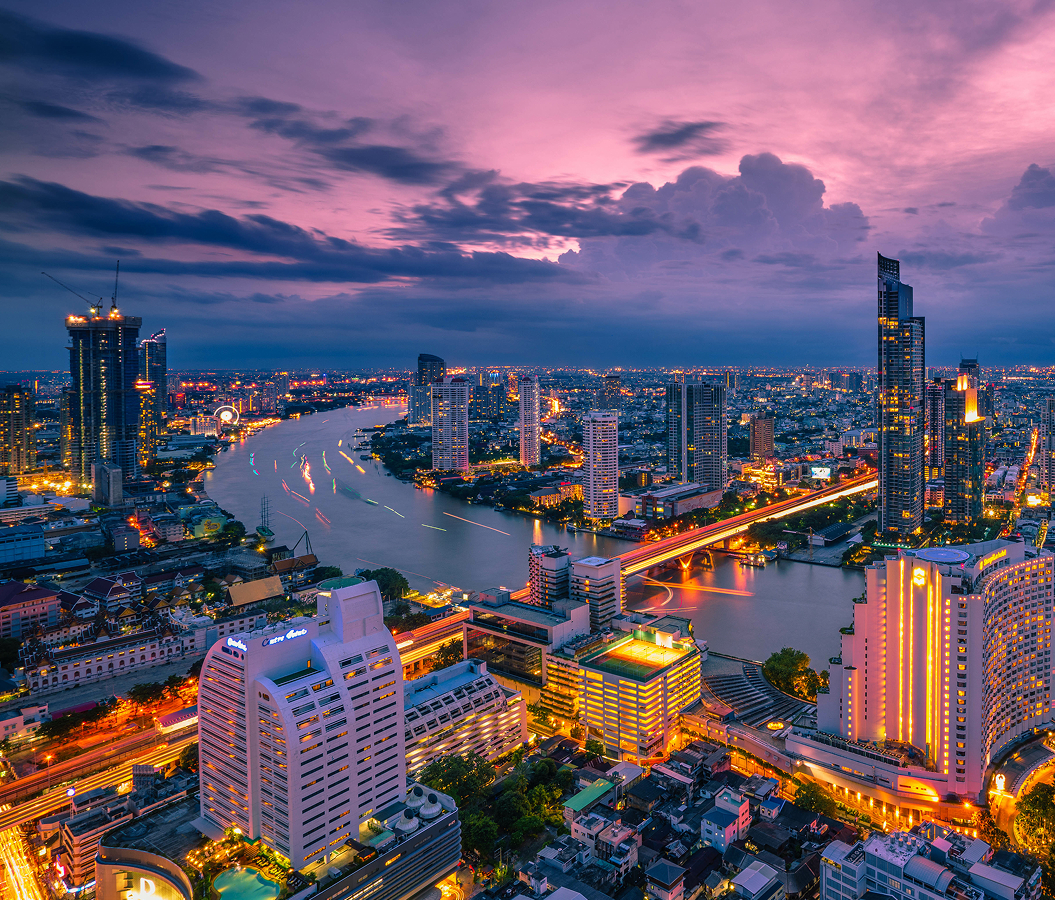
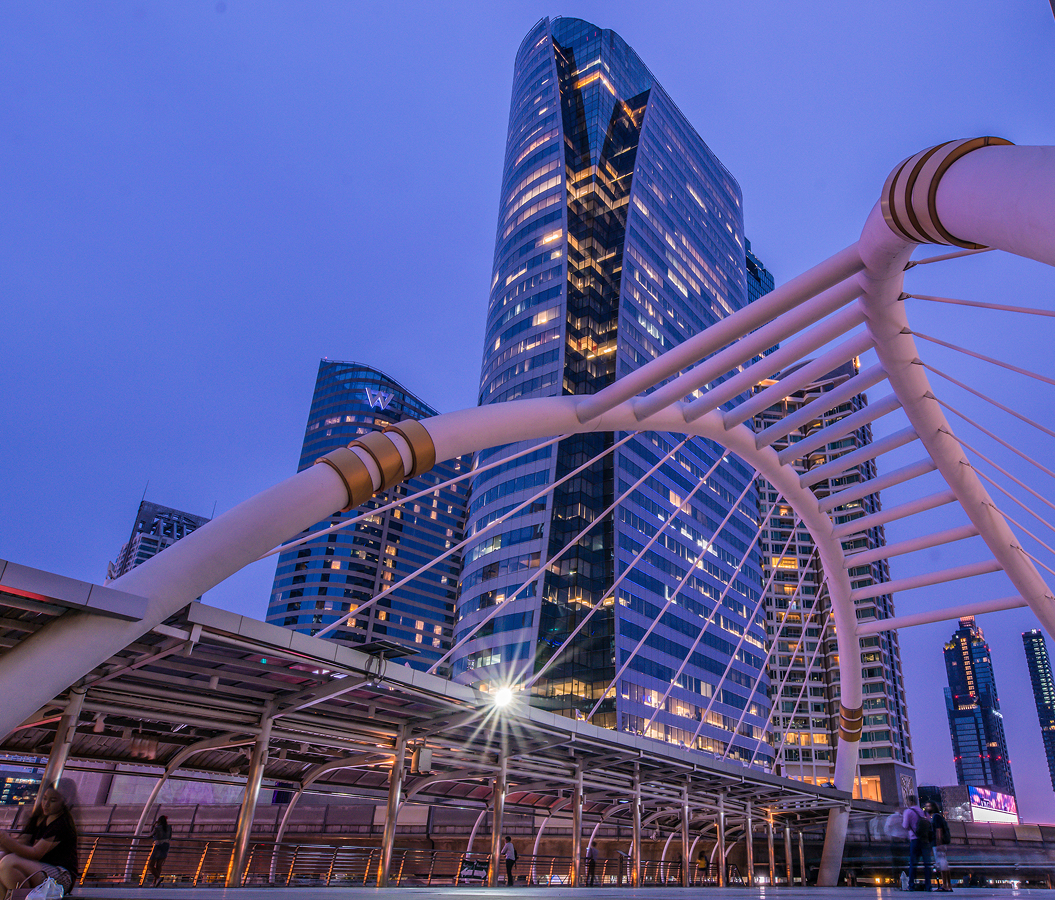
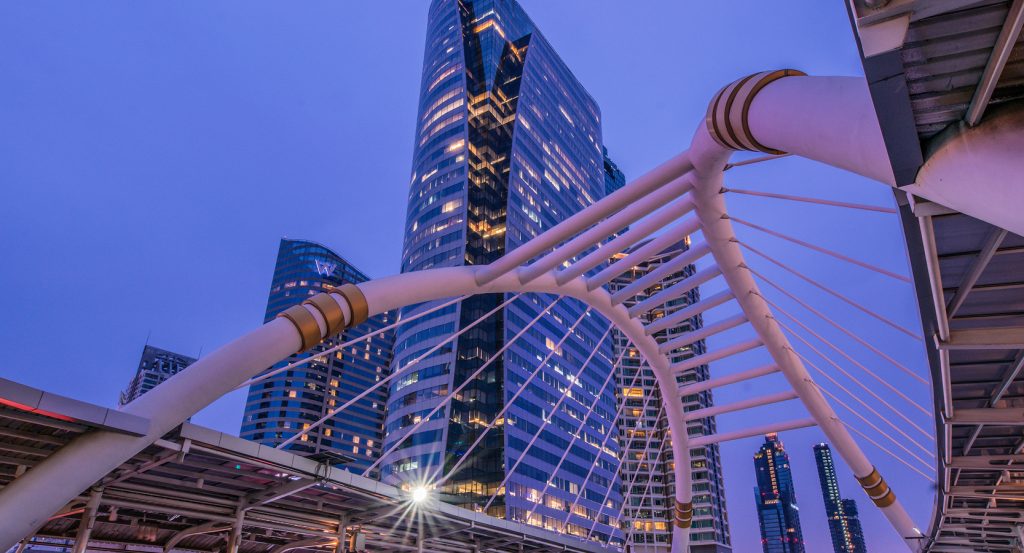
Bangkok extends across the low-lying alluvial plain of the Chao Phraya River, thirty kilometers north of the Gulf of Thailand, where waterways, reclaimed wetlands, and dense urban development shape one of Southeast Asia's largest metropolitan landscapes. The river flows southward through the city in broad curves, separating historic Thonburi from the principal commercial and administrative districts on the eastern bank. Its network of canals, known as khlongs, historically provided essential routes for transportation, trade, irrigation, and drainage. Although many waterways were filled during twentieth-century road construction, surviving canals continue to define neighborhoods and riverside settlements. Rattanakosin Island forms the historic royal center, bounded by the Chao Phraya and canals excavated during the early Bangkok period. The Grand Palace occupies an extensive walled compound containing ceremonial halls, royal residences, courtyards, and richly ornamented structures developed across successive reigns. Within its grounds, Wat Phra Kaew houses the Emerald Buddha, Thailand's most revered Buddhist image, surrounded by gilded stupas, decorative mosaics, and elaborate rooflines. Immediately south, Wat Pho contains the grand Reclining Buddha, a gilded figure forty-six meters long, within one of the city's most important temple complexes. Across the river, Wat Arun rises above the Thonburi waterfront through its distinctive central prang, decorated with porcelain and ceramic fragments. Its towering silhouette establishes a prominent landmark along the river's western bank. North of the Grand Palace, Sanam Luang forms a broad ceremonial field associated with royal events and national gatherings. Nearby, the National Museum Bangkok occupies former royal buildings containing extensive collections of Thai sculpture, religious art, and historical objects. The historic districts surrounding Rattanakosin preserve traditional shophouses, markets, Buddhist monasteries, and government institutions within a dense street network. Southeast of the royal precinct, Chinatown extends along Yaowarat Road, where Chinese temples, gold merchants, markets, and food establishments occupy one of Bangkok's most active commercial neighborhoods. The nearby Pak Khlong Talat flower market connects wholesale commerce with the city's longstanding use of floral offerings in religious and domestic life. Farther east, the urban landscape shifts toward broad avenues, modern office towers, shopping complexes, and elevated transportation infrastructure. Siam forms a major retail and transit center, with extensive commercial developments surrounding the interchange of the BTS Skytrain network. Ratchaprasong contains another concentration of hotels, department stores, and religious shrines, including the Erawan Shrine at a prominent urban intersection. Silom and Sathorn constitute important financial districts, distinguished by corporate towers, international hotels, and major commercial streets. The adjoining Lumphini Park provides extensive lawns, lakes, and shaded paths within the metropolitan core. Sukhumvit Road extends eastward through a long corridor of residential towers, shopping centers, restaurants, and international business districts. Its elevated rail line connects neighborhoods whose rapid development reflects Bangkok's contemporary metropolitan expansion. The city's modern architectural skyline includes King Power Mahanakhon, a skyscraper distinguished by its pixelated exterior and stepped geometric profile. Along the Chao Phraya, contemporary developments such as ICONSIAM occupy substantial waterfront sites, combining retail, hospitality, and public spaces with river transportation connections. Farther north, the Dusit district contains royal residences, government buildings, and broad landscaped avenues established during the modernization programs of the late nineteenth and early twentieth centuries. The Ananta Samakhom Throne Hall presents a grand European-inspired composition constructed during the reign of Vajiravudh. Bangkok's physical landscape reflects the coexistence of royal ceremonial compounds, historic canal neighborhoods, densely developed commercial districts, and contemporary transportation systems within a river delta increasingly challenged by flooding, subsidence, and rising sea levels.
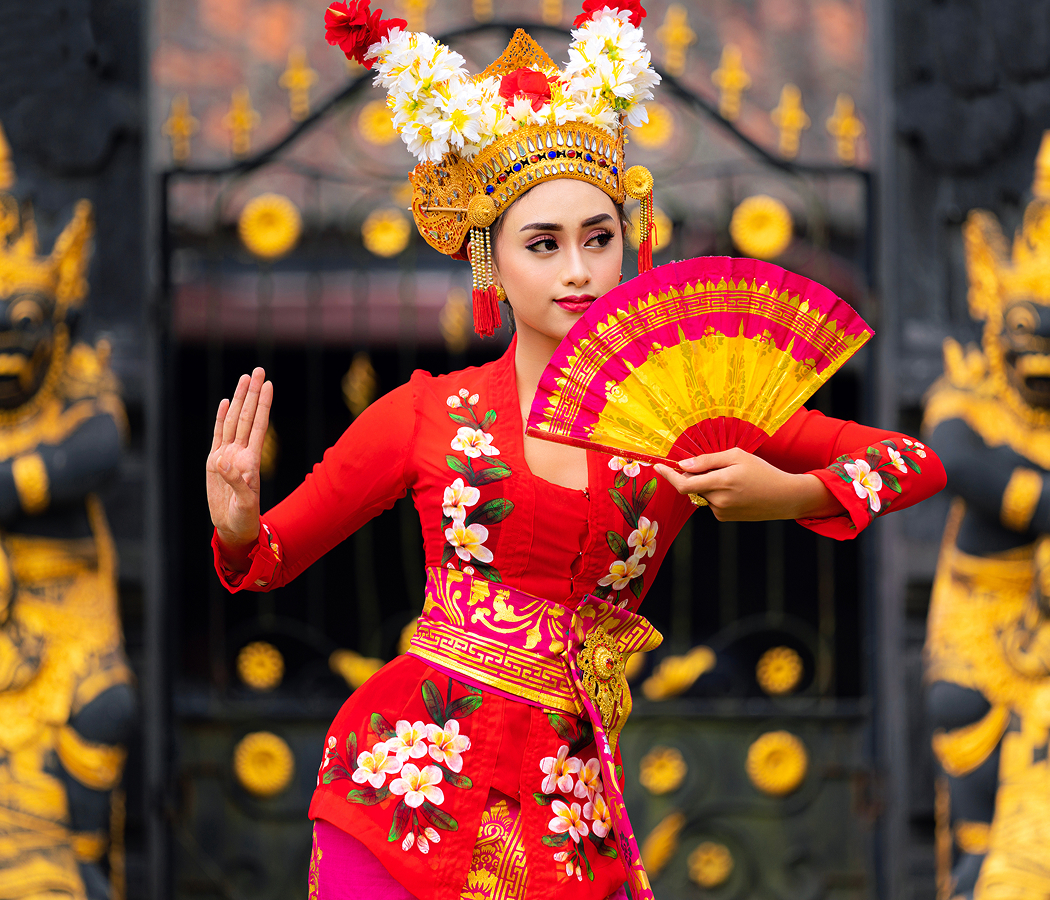
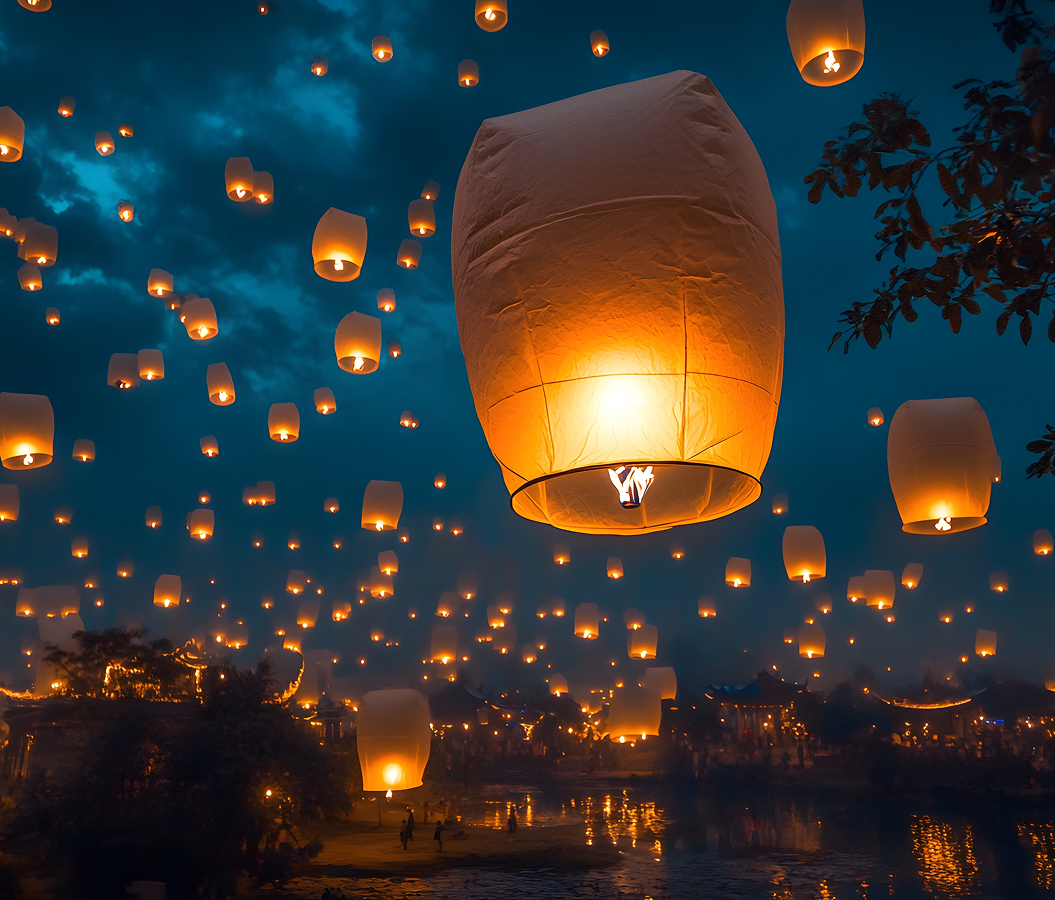
Thai Buddhist art and royal performing traditions have found an enduring institutional center in Bangkok, where temples, museums, theaters, and religious festivals preserve artistic practices developed across centuries of Siamese history. Theravada Buddhism shapes the city's ceremonial calendar and architectural landscape through monasteries whose monks maintain religious education, meditation, and community obligations. The elaborate decorative programs of Bangkok's royal temples incorporate gilded surfaces, painted murals, sculpted guardians, and narrative scenes drawn from Buddhist teachings and the Ramakien, Thailand's adaptation of the Ramayana. Classical Thai dance-drama, particularly khon, combines masked performance, stylized movement, music, and elaborate costumes to dramatize episodes from the Ramakien. Historically associated with royal patronage, the tradition continues through national cultural institutions and specialized performance ensembles. The Royal Thai Government's Fine Arts Department supports the preservation of classical dance, music, theater, and traditional craftsmanship. The National Theatre Bangkok presents productions drawing upon the country's performing arts heritage, and the Thailand Cultural Centre hosts orchestral concerts, theatrical performances, and international cultural events. Bangkok's musical landscape also includes luk thung, a popular genre associated with rural Thai experiences, and mor lam, whose northeastern roots have influenced contemporary urban music. Modern Thai pop, independent rock, and electronic music contribute to an expanding entertainment industry centered on the capital. The city's visual arts institutions include the Bangkok Art and Culture Centre, whose contemporary exhibitions, performances, and educational programs support Thai and international artists. The Museum of Contemporary Art Bangkok presents substantial collections of modern Thai painting and sculpture, reflecting developments beyond traditional religious and courtly forms. Jim Thompson House preserves a collection of Southeast Asian art within traditional Thai wooden houses assembled by the American silk entrepreneur, whose work helped revive international interest in Thai silk during the twentieth century. Bangkok's literary heritage includes the works of Sunthorn Phu, the nineteenth-century poet whose writings remain central to Thai literature, and later authors whose fiction explores urbanization, political change, and contemporary social life. Religious festivals bring ceremonial activity into public spaces throughout the year. Songkran, the Thai New Year celebrated in April, combines Buddhist merit-making, family observances, and widespread water festivities. Loy Krathong, observed during the full moon of the twelfth Thai lunar month, involves floating decorated offerings on waterways, connecting religious symbolism with the city's riverine setting. Bangkok's culinary heritage reflects Central Thai cooking, Chinese migration, royal cuisine, and regional influences brought by communities from across the country. The city's food culture emphasizes the blend of sweet, sour, salty, spicy, and bitter flavors through aromatic herbs, fermented sauces, citrus, and chilies. Pad thai, stir-fried rice noodles commonly prepared with tamarind, egg, tofu, and shrimp, became widely associated with Thai national cuisine during the twentieth century. Tom yum goong combines shrimp with lemongrass, galangal, makrut lime leaves, and chilies, producing a distinctive hot-and-sour soup. Green curry, known as gaeng khiao wan, combines coconut milk, green chilies, aromatic herbs, and meat or vegetables. Chinese-Thai foodways contribute dishes including khao man gai, a chicken-and-rice preparation, and kuay teow, a broad category of noodle dishes served throughout the city. Yaowarat Road becomes an important evening dining corridor, with restaurants and street vendors preparing seafood, noodles, desserts, and traditional Chinese-Thai specialties. Bangkok's floating markets, including Taling Chan and Khlong Lat Mayom, preserve elements of the commercial relationships historically sustained by the city's canals. The capital's cultural influence extends through its Buddhist artistic heritage, royal performance institutions, contemporary creative industries, and culinary practices that have become internationally recognized expressions of Thai urban life.
Five fascinations.
5. Bangkok grew from a network of canals that once functioned as the city's principal streets.
Bangkok developed across the low, flood-prone plain of the Chao Phraya River, where canals known as khlongs became fundamental transportation and drainage infrastructure. Boats carried people, produce, building materials, and merchandise between homes, temples, markets, and agricultural districts, giving the city an aquatic geography that inspired comparisons with Venice. Many central canals were later filled to create roads as land transportation expanded, yet substantial waterways survive in districts including Thonburi. Bangkok's modern street network overlays an older waterborne city whose canals profoundly influenced its settlement patterns, commerce, architecture, and relationship with the river.
4. Bangkok's ceremonial name is dramatically longer than the name used internationally.
Thai speakers commonly call the capital Krung Thep, meaning “City of Angels,” while Bangkok is the name dominant internationally. The city also possesses an elaborate ceremonial name beginning Krung Thep Maha Nakhon and continuing through a long sequence of Sanskrit- and Pali-derived words celebrating the capital, its royal palace, and its sacred status. The complete form became famous for its extraordinary length and is frequently taught through a song that helps people remember it. Bangkok carries several identities within its own name, linking an internationally familiar city label with a much more elaborate expression of Thai royal and religious symbolism.
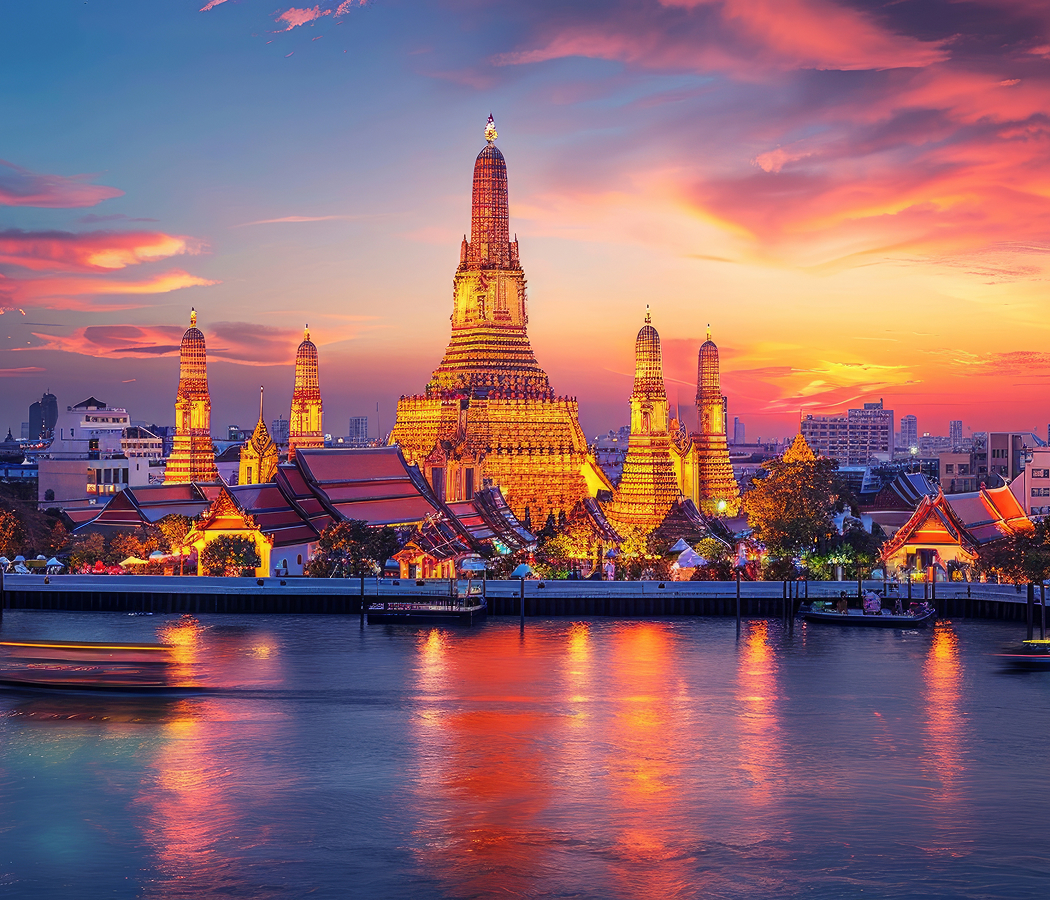
3. Wat Arun's shimmering towers are decorated with broken porcelain.
Wat Arun rises beside the Chao Phraya with a grand central prang surrounded by smaller towers, creating one of Bangkok's defining riverfront silhouettes. Much of their intricate surface decoration consists of glazed ceramic and porcelain fragments arranged into elaborate floral and geometric patterns. Chinese porcelain entered Siam in enormous quantities through maritime trade, including material carried aboard trading vessels, and ceramics became an important decorative element in architecture of the period. Sunlight striking these fragmented surfaces gives the temple its distinctive texture and brilliance. Bangkok transformed imported ceramic material into grand ornament on one of Thailand's most recognizable religious landmarks.
2. Bangkok's Giant Swing was built for a dangerous royal ceremony.
The towering red Sao Chingcha outside Wat Suthat originated in 1784 under King Rama I and formed part of a Brahman ceremonial tradition associated with the royal capital. During the annual swinging ritual, participants rode a suspended platform high into the air and attempted to seize a bag of coins with their teeth. Serious accidents eventually contributed to the ceremony's discontinuation during the twentieth century. The swing structure survived after the dangerous performance disappeared, leaving an immense architectural marker beside one of Bangkok's major temples. A abstract monument in the modern streetscape preserves the physical footprint of a striking ritual once conducted at the heart of royal Bangkok.
1. Bangkok's Chatuchak Market grew partly from a national policy encouraging flea markets.
Thailand's government promoted the creation of flea markets during the mid-twentieth century, and Bangkok's major market moved through several locations before becoming established at Chatuchak. The complex expanded into a vast maze of stalls selling clothing, ceramics, plants, furniture, art, food, antiques, household goods, and countless specialized products. Its organization into sections gives some structure to an environment that still feels like an entire commercial district compressed into a marketplace. Chatuchak represents more than a shopping attraction: its enormous scale reflects Bangkok's longstanding role as a trading metropolis where highly specialized forms of commerce accumulate within extraordinarily dense urban spaces.
Where your story begins.
Foresyte Travel reveals places that feel extraordinary long before you arrive.
Enjoy editorial crafted for luxury travelers.
Foresyte may earn a commission when you book.