Why The Grand Palace matters.
The Grand Palace is a resplendent royal palace where Phra Borom Maha Ratchawang's ceremonial heritage, royal authority, artistic craftsmanship, and centuries of Thai history preserve the spiritual and political heart of the Kingdom of Thailand.
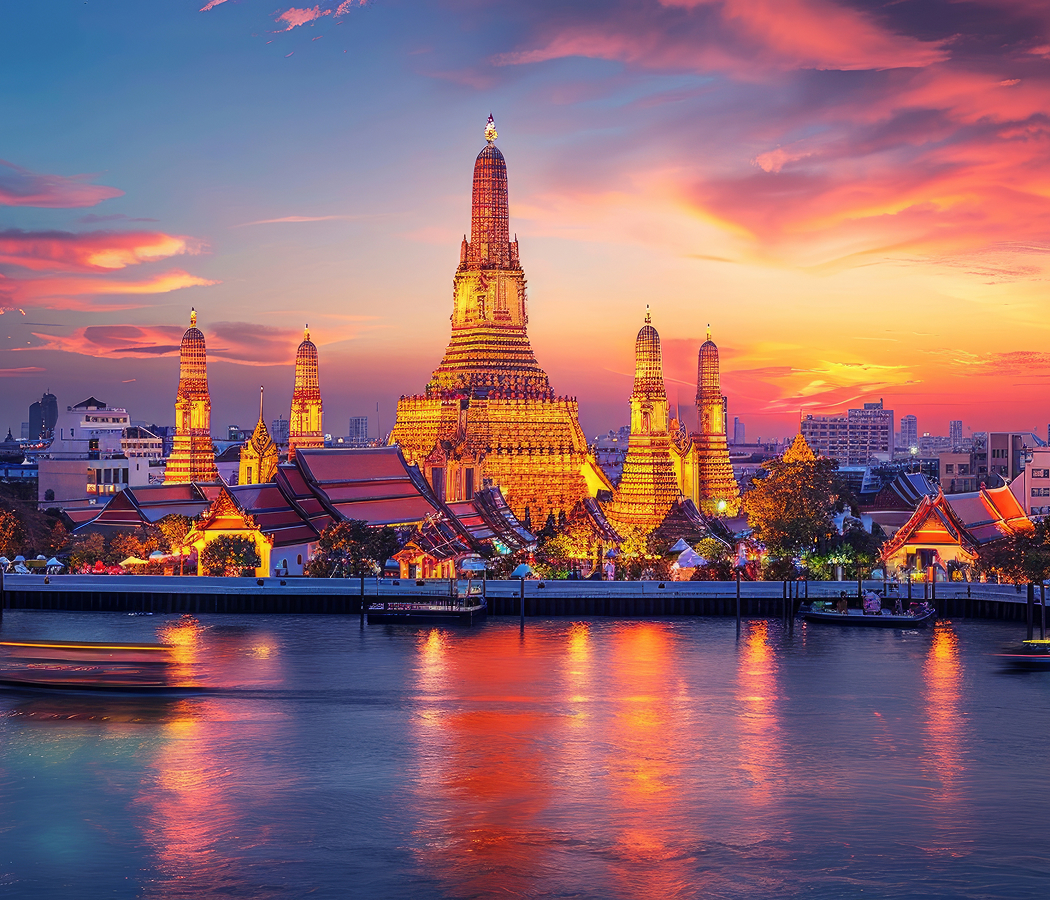
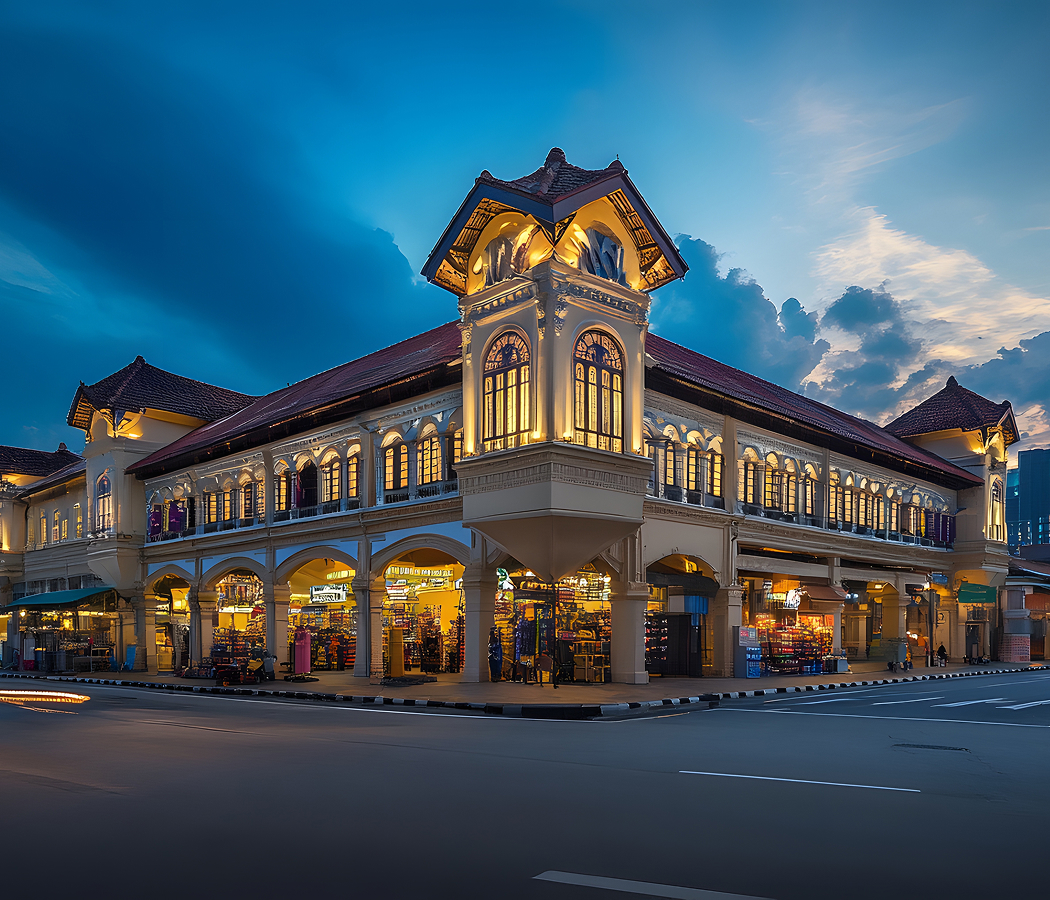
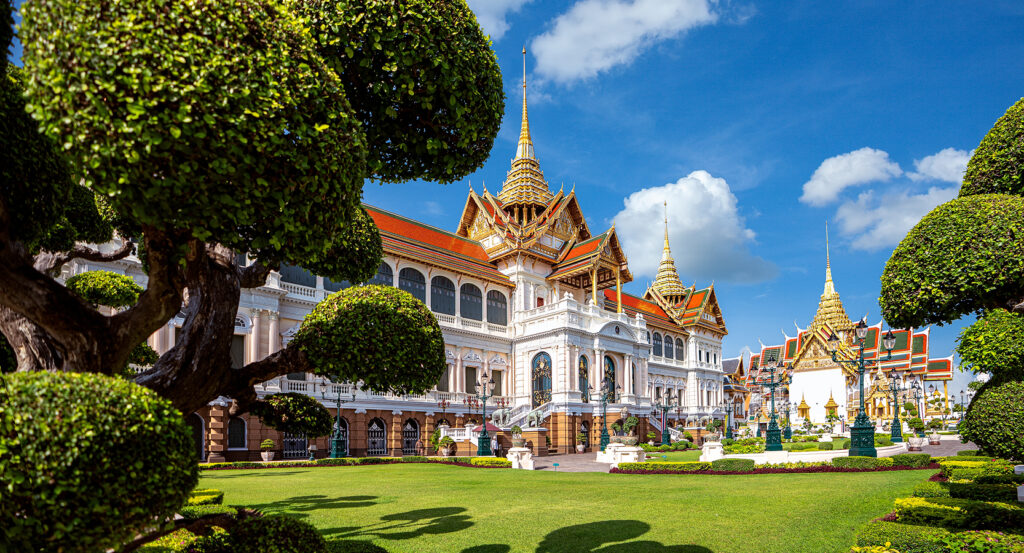
Set along Na Phra Lan Road near Maharaj Road and just steps from Wat Phra Kaew, this vast palace complex unfolds through gilded throne halls, ceremonial courtyards, intricately decorated pavilions, temple compounds, royal residences, and fortified walls where Thai architecture, Buddhist symbolism, and royal ceremony converge in dazzling detail. Multi-tiered roofs, mirrored mosaics, gilded spires, hand-painted murals, and exquisitely carved ornamentation reveal generations of craftsmanship devoted to expressing the prestige of the Chakri Dynasty. Royal tradition, artistic brilliance, and national character define every courtyard and pavilion.
What defines The Grand Palace.
The Grand Palace is best known for serving as the official royal residence of the Kings of Siam from its establishment in 1782 after King Rama I founded Bangkok as the new capital of the Rattanakosin Kingdom, developing across 218,000 square meters into an immense ceremonial complex enclosed by 1.9 kilometers of defensive walls while preserving the Temple of the Emerald Buddha, Thailand's most revered Buddhist sanctuary. Construction began immediately after King Rama I transferred the capital from Thonburi across the Chao Phraya River, establishing a palace inspired by the former royal capital of Ayutthaya while creating the administrative, ceremonial, judicial, and residential center of the Chakri Dynasty. Successive monarchs continually expanded the complex through the construction of audience halls, royal chapels, reception buildings, administrative offices, gardens, and ceremonial spaces reflecting evolving architectural influences while preserving traditional Thai forms. Among its most celebrated structures are Phra Maha Monthien, the historic coronation complex; Chakri Maha Prasat Hall, completed in 1882 by British architect John Clunich with Italian engineer Joachim Grassi, combining Victorian Neo-Classical planning with traditional Thai roofs; Dusit Maha Prasat Throne Hall, among the finest surviving examples of early Rattanakosin architecture; and Wat Phra Kaew, completed in 1784 to house the Emerald Buddha, a sacred image carved from green jade that is ceremonially clothed by the King of Thailand during seasonal rituals observed three times each year. The palace remained the principal royal residence until King Chulalongkorn gradually relocated residential functions to Dusit Palace during the early twentieth century, although it continues hosting coronations, royal funerals, state receptions, diplomatic ceremonies, and major national celebrations. Continuing conservation, architectural restoration, mural preservation, structural monitoring, archaeological documentation, and traditional craftsmanship ensure the palace remains one of Southeast Asia's most significant expressions of royal architecture and Thai cultural heritage.
Centuries of royal patronage, architectural refinement, and artistic craftsmanship demonstrate how ceremonial architecture evolved alongside the political and spiritual development of the Thai kingdom. Gilded throne halls, mirrored temple façades, lacquered woodwork, hand-painted Ramakien murals, guardian sculptures, ceremonial gateways, and meticulously maintained courtyards demonstrate the extraordinary skill of generations of Thai artisans while preserving the traditions, symbolism, and craftsmanship that define the Rattanakosin period. Continuing conservation science, traditional restoration techniques, architectural research, mural conservation, and cultural stewardship ensure the palace remains among Asia's foremost royal and religious complexes. Royal architecture, artistic excellence, and centuries of ceremonial tradition combine to create one of Thailand's greatest cultural treasures.
How The Grand Palace fits.
The Grand Palace works as the centerpiece of an exploration through Phra Borom Maha Ratchawang's royal and religious heritage.
Begin at Wat Phra Kaew, where Thailand's most revered Buddhist temple establishes the spiritual significance of the royal complex before exploring The Grand Palace. Continue to Museum of Siam, whose interactive exhibitions deepen appreciation for Thai history, culture, and national identity. Conclude at Wat Pho, where the celebrated Reclining Buddha and centuries of traditional learning provide a memorable finale celebrating another defining chapter of Bangkok's cultural heritage. The progression moves naturally from royal ceremony to national history before concluding through one of Thailand's oldest temple complexes, revealing why Phra Borom Maha Ratchawang remains the historic heart of Bangkok.
Where your story begins.
Foresyte Travel reveals places that feel extraordinary long before you arrive.
Enjoy editorial crafted for luxury travelers.
Foresyte may earn a commission when you book.