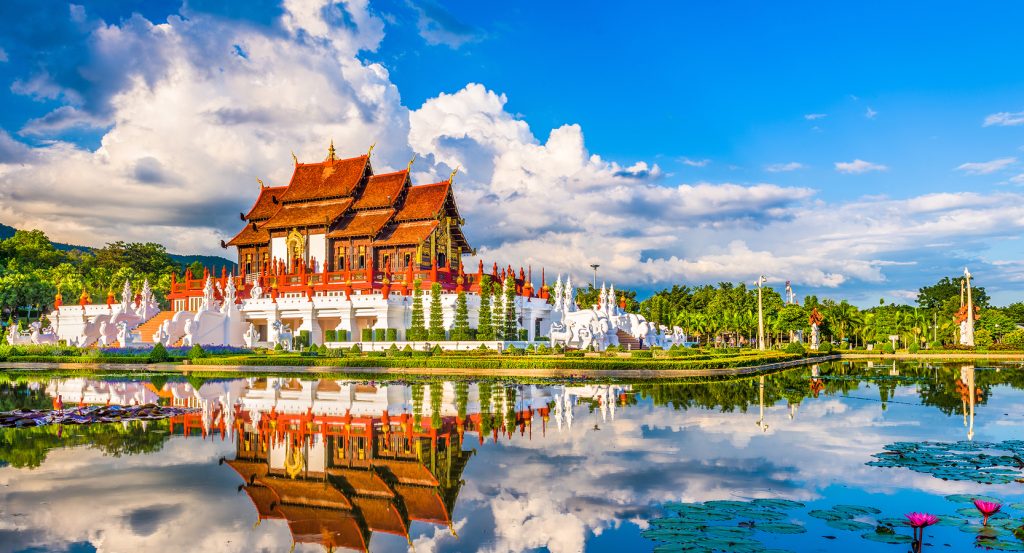
Perfect weekend in Thailand.
Chiang Mai's history begins with the consolidation of the Lanna Kingdom, whose rulers established a powerful northern Thai capital amid the fertile valleys and forested mountains of the Ping River basin. Situated 700 kilometers north of Bangkok, the city occupies an inland plain surrounded by the Thanon Thong Chai and Khun Tan mountain ranges, where river systems and overland trade routes historically connected the region with Myanmar, Laos, and southern China. The surrounding territory supported Mon and Tai-speaking communities before the expansion of Lanna political authority during the thirteenth century. King Mangrai founded Chiang Mai in 1296, establishing a fortified capital whose name translates to New City. The settlement's construction followed his consolidation of regional territories and the incorporation of Hariphunchai, an important Mon cultural center associated with Buddhist scholarship and religious architecture. Chiang Mai developed into the principal political and religious center of Lanna, attracting artisans, monks, merchants, and scholars who contributed to the kingdom's distinctive architectural and artistic traditions. Its rulers maintained diplomatic and commercial relationships with neighboring Southeast Asian kingdoms, supporting the movement of textiles, ceramics, precious metals, and forest products through northern trade networks. Burmese forces captured Chiang Mai in 1558, beginning more than two centuries of intermittent Burmese control and political instability. During the late eighteenth century, Kawila, a regional ruler allied with Siam, participated in campaigns that restored local authority and encouraged the resettlement of communities throughout the surrounding valleys. Chiang Mai subsequently developed under the increasing influence of Bangkok, becoming formally integrated into Siam's centralized administrative system during the reforms of King Chulalongkorn. Railway service reached the city in 1921, strengthening commercial connections with Central Thailand and accelerating economic growth. Chiang Mai's subsequent expansion as an educational, commercial, and creative center established its position as the principal city of northern Thailand.
Northern Thai Buddhist scholarship, traditional craftsmanship, and regional cuisine developed through centuries of Lanna royal patronage and sustained exchange with the neighboring cultures of mainland Southeast Asia. The Lanna artistic tradition produced distinctive religious architecture characterized by tiered wooden roofs, carved gables, gilded ornamentation, and sculptural representations associated with Theravada Buddhist teachings. Chiang Mai became an important center of Buddhist manuscript production, with palm-leaf texts preserving religious commentaries, historical chronicles, and regional literary traditions written in the traditional Lanna script. The city's monastic institutions supported generations of scholars and craftsmen whose work contributed to the transmission of northern Thai religious knowledge. Lanna decorative arts also developed through lacquerware, woodcarving, metalwork, and textile production, incorporating techniques associated with neighboring Tai, Shan, and Burmese communities. The village of Bo Sang, east of Chiang Mai, became celebrated for the production of handmade paper umbrellas, with artisans applying traditional painting techniques to bamboo frames and mulberry-paper coverings. San Kamphaeng developed as another important center of regional craftsmanship, particularly silk weaving, cotton textiles, and decorative ceramics. Northern Thai performing arts include fon lep, a traditional fingernail dance characterized by graceful hand movements and elaborate costumes, alongside musical ensembles featuring the salo, sueng, and traditional percussion instruments. The annual Yi Peng festival celebrates the northern Thai lunar calendar through illuminated decorations, religious ceremonies, and the release of floating lanterns. Chiang Mai's culinary traditions draw upon the agricultural resources of the surrounding mountain valleys and centuries of commercial exchange with Myanmar, Laos, and southern China. Regional specialties include sai ua, a grilled northern Thai sausage seasoned with lemongrass, galangal, kaffir lime leaves, and aromatic spices; nam phrik num, a roasted green chile relish; and gaeng hang lay, a pork curry influenced by Burmese cooking traditions. Sticky rice accompanies many traditional meals, particularly dishes prepared with grilled meats, fermented vegetables, and locally cultivated herbs. Northern Thai dining customs also include khantoke, a communal meal served on a low circular tray, traditionally accompanied by regional dishes and cultural performances. Chiang Mai's contemporary restaurants have expanded these foundations through seasonal mountain produce, traditional fermentation, and innovative interpretations of Lanna cooking. A weekend in Chiang Mai connects the royal history of northern Thailand, centuries of Buddhist artistic patronage, traditional village craftsmanship, and the distinctive flavors of the former Lanna Kingdom.
Three day itinerary.
Day 1: Wat Phra Singh
Wat Phra Singh is best known for its exceptional Lanna architecture, revered Buddha images, and central role in the religious history of Chiang Mai's ancient walled city. King Pha Yu founded the temple in 1345 to enshrine the ashes of his father, King Kham Fu, establishing an important royal Buddhist institution during the expansion of the Lanna Kingdom. Its religious significance increased with the arrival of the Phra Buddha Sihing, a celebrated Buddha image associated with centuries of devotion across mainland Southeast Asia. The temple's most distinguished architectural structure, Viharn Lai Kham, exemplifies traditional northern Thai craftsmanship through its elaborately carved wooden elements, gilded ornamentation, and sweeping multilayered roof. Its interior murals depict scenes from regional literature and everyday life, preserving valuable representations of nineteenth-century Lanna society. The principal assembly hall incorporates an expansive Buddha image and architectural elements reflecting successive periods of royal patronage and religious restoration. The temple's golden chedi, decorative naga staircases, and intricately ornamented buildings establish a cohesive expression of northern Thailand's distinctive Buddhist artistic traditions. Wat Phra Singh represents one of the most consequential surviving religious institutions of the Lanna Kingdom through its royal origins, architectural achievements, and enduring ceremonial importance.
Day 1: Huen Phen
Huen Phen is best known for preserving the traditional culinary heritage of northern Thailand through an extensive repertoire of Lanna dishes in Chiang Mai's historic center. The restaurant's cooking emphasizes the agricultural ingredients, aromatic herbs, fermented seasonings, and regional techniques that distinguish northern Thai cuisine from the culinary traditions of central and southern Thailand. Its celebrated khao soi combines egg noodles, a richly seasoned coconut curry broth, tender meat, and crisp fried noodles, accompanied by pickled mustard greens, shallots, and lime. Other regional specialties include sai ua, the fragrant northern Thai sausage seasoned with lemongrass, galangal, kaffir lime leaf, and chili, and nam phrik noom, a roasted green chili relish traditionally accompanied by vegetables and pork cracklings. The kitchen's repertoire reflects the historical culinary exchanges linking the Lanna Kingdom with neighboring communities in Myanmar, Laos, and southern China. Traditional wooden furnishings and regional decorative objects reinforce the restaurant's connection with northern Thai domestic architecture. Huen Phen represents an important expression of Chiang Mai's culinary heritage through its preservation of distinctive Lanna flavors and established regional cooking traditions.
Day 2: Wat Phra That Doi Suthep
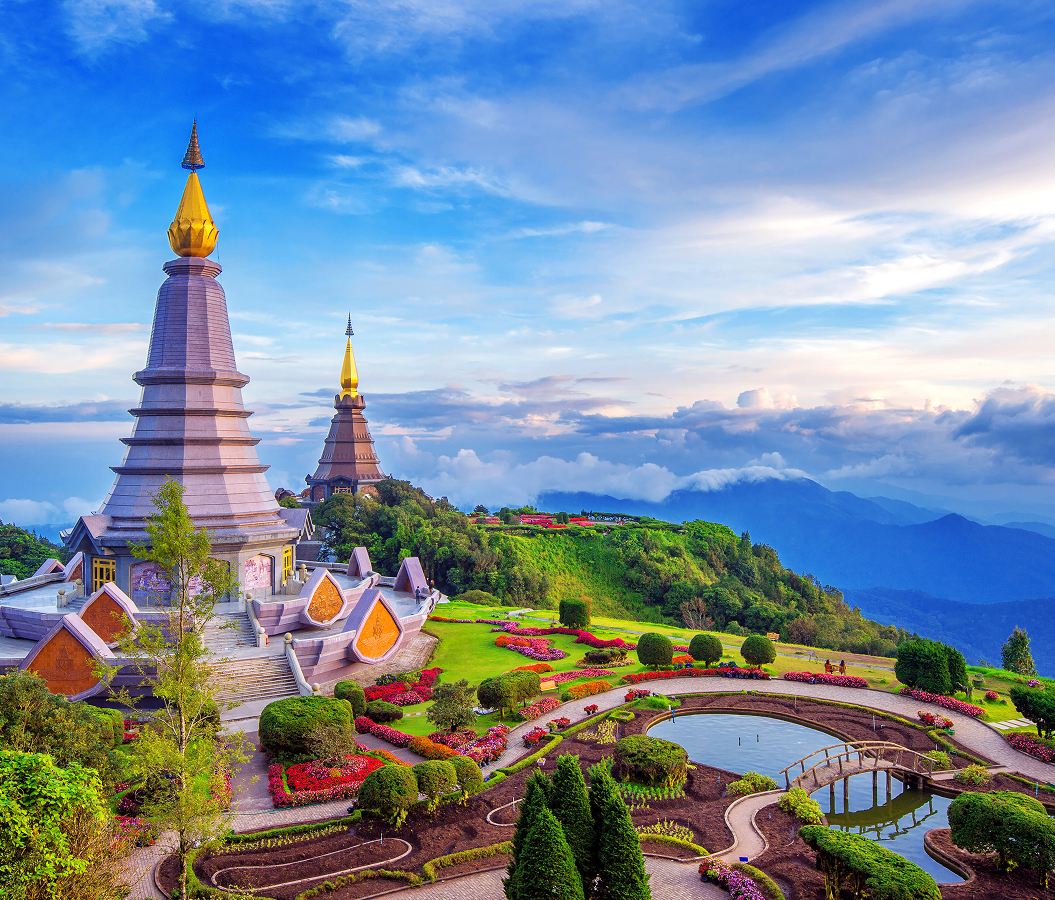
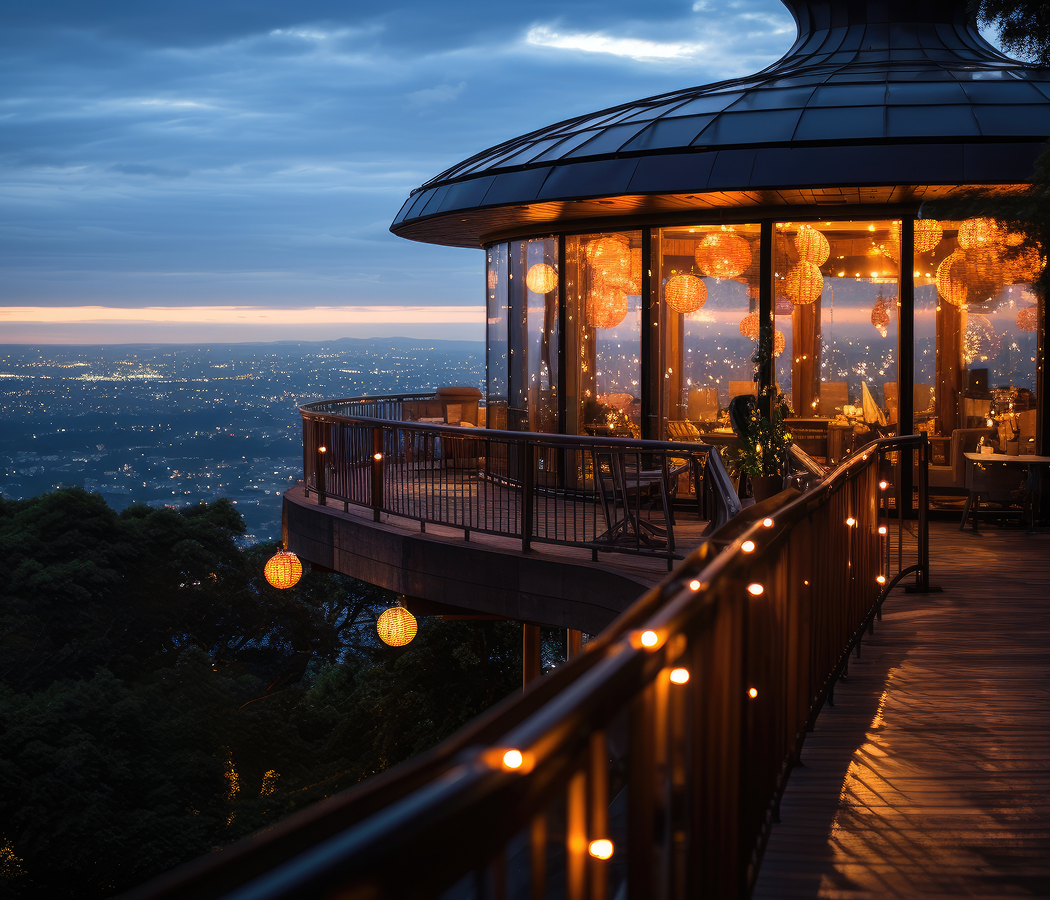
Wat Phra That Doi Suthep is best known for its grand golden chedi, sacred Buddhist relics, and commanding position high above Chiang Mai on the slopes of Doi Suthep. Founded in 1383 during the reign of King Kuena, the temple developed into one of northern Thailand's most important pilgrimage destinations. Its origins are associated with the celebrated legend of a white elephant carrying a sacred relic up the mountain before stopping at the site selected for the temple. The complex stands at an elevation exceeding 1,000 meters, establishing a dramatic relationship between Buddhist sacred architecture and the forested mountains surrounding Chiang Mai. An expansive staircase decorated with elaborate naga balustrades ascends toward the principal sanctuary, reflecting the symbolic importance of serpentine guardians in Thai Buddhist architecture. The central gilded chedi houses revered relics and forms the ceremonial focus of the temple's religious life. Surrounding terraces incorporate shrines, bells, devotional sculptures, and panoramic views across the Chiang Mai valley. Wat Phra That Doi Suthep represents the defining sacred monument of northern Thailand through its Lanna royal heritage, exceptional mountain setting, and centuries of Buddhist pilgrimage.
Day 2: Khao Soi Mae Sai
Khao Soi Mae Sai is best known for its celebrated interpretation of khao soi, the northern Thai curry noodle dish that reflects centuries of culinary exchange across the mountainous borderlands of mainland Southeast Asia. The restaurant specializes in a deeply aromatic broth prepared with curry spices, coconut milk, and carefully balanced seasonings, served with tender noodles and a characteristic topping of crisp fried egg noodles. Traditional accompaniments include pickled mustard greens, sliced shallots, lime, and roasted chili oil, creating contrasting layers of acidity, heat, richness, and texture. The dish's historical development reflects the influence of Muslim trading communities and regional food traditions connecting northern Thailand with Myanmar and southern China. Khao Soi Mae Sai's concentrated menu emphasizes the careful preparation of established northern Thai specialties, preserving the relationship between everyday neighborhood cooking and the region's distinctive culinary heritage. The restaurant represents an important institution in Chiang Mai's traditional food culture through its dedication to one of northern Thailand's most celebrated regional dishes.
Day 2: Wat Umong
Wat Umong is best known for its ancient meditation tunnels and its extraordinary forest setting beneath the foothills of Doi Suthep. The temple's history extends to the late thirteenth century and the early development of Chiang Mai as the capital of the Lanna Kingdom under King Mangrai. Its distinctive underground passages developed into a complex of brick-lined tunnels containing Buddhist shrines and devotional images, creating an unusually secluded environment for religious contemplation. The temple's surviving architectural elements reflect successive periods of Lanna Buddhist patronage, including a substantial ancient chedi rising above the tunnel complex. Its forested grounds preserve a contemplative landscape of mature trees, shaded pathways, and traditional religious structures. The temple's association with meditation reflects the longstanding importance of forest monastic traditions within Theravada Buddhism. Wat Umong represents an exceptional expression of northern Thai religious architecture through its integration of ancient subterranean spaces, monastic history, and the natural landscape surrounding Chiang Mai.
Day 2: Blackitch Artisan Kitchen
Blackitch Artisan Kitchen is best known for chef Phanuphon Bulsuwan's inventive interpretation of northern Thai ingredients through contemporary tasting menus rooted in regional culinary traditions. Known as Chef Black, Bulsuwan developed a distinctive approach centered on the agricultural diversity, fermentation practices, and indigenous ingredients of northern Thailand. His cooking incorporates seasonal produce, wild herbs, regional vegetables, freshwater ingredients, and traditional preservation techniques associated with communities across the northern provinces. Fermentation plays an important role in the restaurant's culinary philosophy, contributing complex flavors through methods connected with established Southeast Asian food traditions. The kitchen's preparations reflect extensive engagement with local farming communities and the culinary knowledge preserved through generations of regional cooking. Blackitch's intimate dining format emphasizes carefully composed courses that explore the relationship between traditional ingredients and contemporary gastronomic technique. The restaurant represents an influential expression of modern northern Thai cuisine through its commitment to regional biodiversity, culinary experimentation, and the preservation of indigenous food knowledge.
Day 3: Fern Forest Cafe
Fern Forest Café is best known for its lush garden setting and its established role in Chiang Mai's distinctive breakfast and café culture. Located within the historic walled city, the restaurant occupies a traditional residential property surrounded by dense tropical planting, mature trees, and extensive collections of ferns. Its landscaped courtyard reflects the importance of shaded gardens and open-air domestic spaces within northern Thai architecture, creating a tranquil environment connected with the city's historic residential character. The kitchen specializes in breakfast preparations, baked goods, coffee, and international café dishes, incorporating fresh ingredients and carefully prepared pastries. Its culinary program reflects Chiang Mai's development as a center for independent cafés, specialty coffee, and contemporary hospitality. The surrounding greenery provides a distinctive contrast with the ancient temples and narrow streets of the old city. Fern Forest Café represents an established expression of Chiang Mai's garden café tradition through its combination of tropical landscape design, relaxed hospitality, and substantial breakfast cuisine.
Day 3: Wat Chedi Luang
Wat Chedi Luang is best known for its enormous ruined chedi and its central role in the political and religious history of the Lanna Kingdom. Construction began during the reign of King Saen Muang Ma in the late fourteenth century, establishing an ambitious royal religious complex within the heart of Chiang Mai. Successive rulers expanded the principal chedi during the fifteenth century, creating one of the largest Buddhist monuments in northern Thailand. The structure once housed the Emerald Buddha, among Thailand's most revered religious images, before the statue's removal during the sixteenth century. A major earthquake in 1545 severely damaged the upper portion of the chedi, leaving the expansive brick structure that dominates the temple complex. Its surviving elephant sculptures, elaborate staircases, and decorative architectural elements preserve important examples of Lanna craftsmanship. The temple grounds also contain the city pillar shrine, reinforcing the site's ceremonial relationship with Chiang Mai's civic and spiritual foundations. Wat Chedi Luang represents one of northern Thailand's most consequential architectural monuments through its royal origins, extraordinary scale, and association with the region's Buddhist history.
Day 3: Baan Kang Wat
Baan Kang Wat is best known for its distinctive community of independent artists, craftspeople, and designers working within a carefully composed village of traditional northern Thai buildings. Developed by artist and designer Nattawut Ruckprasit, the complex occupies a landscaped site near the foothills southwest of Chiang Mai's historic center. Its architecture incorporates timber structures, shaded courtyards, small gardens, and intimate pedestrian pathways inspired by the spatial traditions of northern Thai villages. Individual studios specialize in ceramics, textiles, illustration, handmade objects, and other creative practices associated with Chiang Mai's longstanding craft heritage. The community's emphasis on independent production reflects the city's historical importance as a center of woodcarving, lacquerware, weaving, and decorative arts. Workshops and small exhibition spaces connect traditional craftsmanship with contemporary design, establishing a distinctive environment for regional artistic production. Baan Kang Wat represents an important expression of Chiang Mai's contemporary creative culture through its integration of traditional architectural forms, independent craftsmanship, and collaborative artistic activity.
Day 3: Kiti Panit
Kiti Panit is best known for its sophisticated interpretation of northern Thai cuisine within a restored historic merchant residence in Central Chiang Mai. The restaurant occupies a building associated with the city's prosperous commercial history, reflecting the architectural influence of Chinese merchant communities that contributed to Chiang Mai's economic development during the late nineteenth and early twentieth centuries. Its culinary program emphasizes established Lanna preparations, incorporating aromatic herbs, fermented ingredients, regional vegetables, and carefully prepared meats associated with northern Thailand's distinctive food traditions. Dishes draw on the culinary heritage of the former Lanna Kingdom through preparations shaped by regional spice mixtures, slow cooking, and the blend of savory, herbal, and fermented flavors. The building's restored timber interiors, historic furnishings, and traditional decorative elements preserve the atmosphere of Chiang Mai's earlier commercial society. KITI Panit represents a distinctive expression of contemporary northern Thai dining through its combination of regional culinary heritage, architectural preservation, and refined hospitality.
Where your story begins.
Foresyte Travel reveals places that feel extraordinary long before you arrive.
Enjoy editorial crafted for luxury travelers.
Foresyte may earn a commission when you book.