Why Fern Forest Cafe matters.
Fern Forest Cafe is a family-owned garden restaurant where Chiang Mai Old City's historic residential character meets the cultivation of northern Thai coffee, generations of family baking traditions and a tropical courtyard developed around a restored family home.
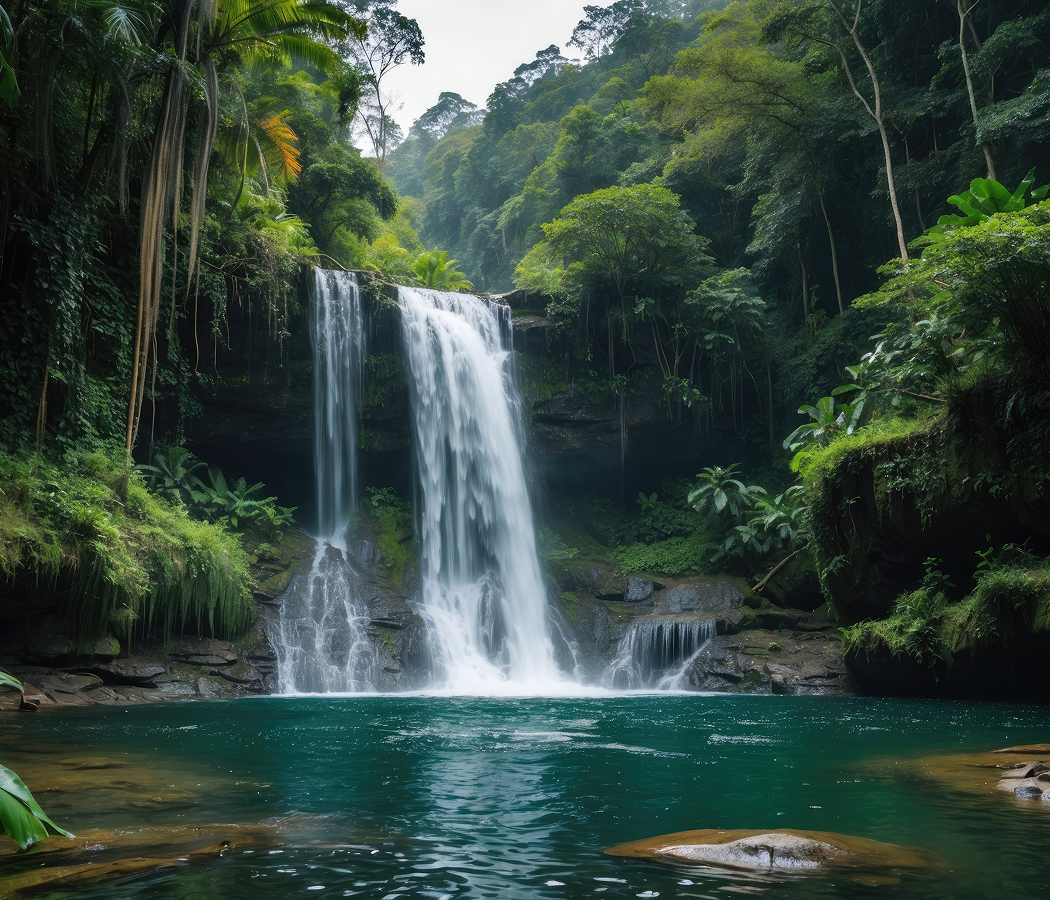
In the northwestern quarter of Chiang Mai's walled historic center, Fern Forest Cafe occupies a leafy property along Singharat Road, a short walk south of the northern moat and among the Buddhist temples, residential compounds and established neighborhood businesses of Si Phum. A discreet entrance opens onto a densely planted garden surrounding a white, two-story house. Large ferns, mature trees and flowering vegetation shelter outdoor tables arranged around a koi pond and small waterfall. A wooden footbridge connects the garden to the building, whose pale interiors contain wicker furnishings, porcelain accents and a black piano. The result is an intimate garden restaurant whose domestic architecture, carefully cultivated landscape and sheltered dining spaces preserve the atmosphere of a private family residence within Chiang Mai's historic urban center.
What defines Fern Forest Cafe.
Fern Forest Cafe originated in 2003 as a small family business established to sell coffee cultivated on the family's plantation in Doi Saket, the district east of Chiang Mai associated with the agricultural foothills of the surrounding mountains. The enterprise began with a direct relationship between coffee cultivation and retail service, bringing the family's agricultural production into Chiang Mai's developing café market. Its initial specialization centered on handcrafted coffee, establishing the foundation for a business that subsequently expanded into prepared food and homemade desserts. A consequential change occurred in 2014 when the family's younger generation undertook the conversion of the grandmother's house into a substantially larger restaurant. The daughter responsible for the project drew upon her architectural experience to redesign the residence and surrounding property, developing a garden environment inspired by the vegetation and atmosphere of the family's coffee plantation. The renovation established the physical character associated with Fern Forest Cafe, combining a domestic building with landscaped outdoor dining areas and an expanded hospitality operation. The transformation also connected the restaurant's commercial development to the preservation and adaptation of an existing family property, retaining the residential character of the original building as an essential part of the establishment. The business expanded its culinary program alongside this architectural development, incorporating recipes inherited through successive generations of the family. Homemade cakes became an important component of its reputation, establishing a complementary relationship between the original coffee business and the family's baking traditions. The restaurant subsequently developed an extensive all-day dining program accommodating Thai cooking, international breakfast preparations and café-style meals. Its growth occurred within a wider period of expansion for Chiang Mai's independent coffee culture, as locally cultivated beans, specialty preparation and distinctive restaurant environments became increasingly prominent across the city. Fern Forest Cafe's development remained closely connected to its original agricultural and family foundations, with the converted residence providing a recognizable setting for its broader culinary activities. Its reputation extended through domestic and international restaurant coverage, including recognition in Tripadvisor's 2025 Travelers' Choice awards. The restaurant's history is distinguished by a clear sequence of development: a family coffee enterprise established in 2003, an architecturally directed transformation of the grandmother's house in 2014 and the expansion of a multigenerational hospitality business within Chiang Mai's historic center.
Doi Saket's coffee-growing landscape provides the agricultural foundation for Fern Forest Cafe's beverage program, connecting its original family enterprise to the broader development of northern Thailand's coffee industry. Espresso-based preparations form the central coffee selection, accompanied by iced variations and specialty drinks suited to Chiang Mai's tropical climate. The beverage program extends into fruit smoothies, milkshakes, teas and refreshing fruit-based preparations, supporting the restaurant's transition from a specialized coffee shop into an all-day dining establishment. Family baking traditions contribute the most distinctive culinary continuity through homemade cakes and pastries developed from inherited recipes. Coconut Cream Pie has become a signature preparation, combining a crisp pastry foundation with a coconut filling whose richness and texture complement the restaurant's coffee service. The dessert selection incorporates additional cakes, fruit-based pastries and baked preparations, establishing a substantial independent reason for visiting the restaurant during the afternoon. Its wider menu accommodates breakfast, lunch and evening dining through a combination of Thai and international dishes. The kitchen's breakfast program incorporates pancakes, seasonal fruit and familiar Western preparations, connecting the café's early opening hours to the established breakfast culture of Chiang Mai's historic center. Thai dishes provide a regional counterpart through curries, rice preparations and familiar local flavors, extending the restaurant's culinary appeal across different dining occasions. A separate vegetarian selection accommodates plant-based preferences within the broader menu. The relationship between these preparations is grounded in the restaurant's family hospitality traditions, allowing coffee, baking and substantial meals to occupy different parts of the day within the same property. Garden seating contributes another essential component through its combination of shaded tables, circulating air and the sound of moving water. The pond's koi, surrounding tropical foliage and occasional live music establish a distinctive outdoor dining environment, particularly during the cooler hours of the morning and late afternoon. Indoor seating provides a contrasting setting within the restored house, preserving the domestic scale and decorative character of the original residence. The restaurant's culinary achievement lies in the continuity between its family-grown coffee, inherited baking practices and expanded dining program, supported by a garden environment developed through the adaptation of a multigenerational family property.
How Fern Forest Cafe fits.
Fern Forest Cafe works as the garden dining centerpiece of a walking itinerary connecting the neighborhood temples of Singharat Road, the religious traditions of Lanna Chiang Mai and the architectural heritage of the city's northern perimeter.
Begin at Wat Pha Bong, a historic Buddhist temple occupying a compact compound along Singharat Road in the western Old City. The monastery developed within Chiang Mai's fifteenth-century religious community and maintains historical associations with Shan migrants from Mae Hong Son. Its former name, Wat Pha Bong Prasat, preserves a connection to the neighboring Wat Prasat temple compound. A Buddha image bearing an inscription dated 1535 establishes a surviving connection to the reign of King Mueang Ketklao. The monastery's Lanna-style assembly hall, castle-shaped chedi and sacred well provide an intimate introduction to the religious traditions preserved within Chiang Mai's residential streets. Continue to Wat Dab Pai, another historic monastery associated with the Singharat Road corridor. The temple's foundation dates to 1478, placing its development within the later centuries of the independent Lanna kingdom. Its name refers to the removal of danger or misfortune, preserving a religious association with protection and healing. Local tradition connects the monastery to Phraya Aphai, whose recovery from illness inspired the restoration of the temple and the adoption of its protective name. A sacred well near the assembly hall has been associated with water used in Buddhist purification ceremonies, connecting the monastery's architectural setting to enduring religious practices. Conclude at Wat Lok Moli, the substantial Buddhist monastery immediately north of Chiang Mai's historic moat. The institution was associated with royal religious patronage during the fourteenth century, including the accommodation of monks invited from Burma under King Kue Na. King Ket Chettharat commissioned its principal brick chedi in 1527, establishing one of the monastery's most significant surviving architectural features. Its wooden assembly hall incorporates elaborate carved gables and traditional northern Thai decorative craftsmanship. The temple's association with the former Lanna royal family provides a substantial historical conclusion to the route, connecting neighborhood religious traditions to the institutions of Chiang Mai's ruling dynasty. The progression moves from Wat Pha Bong's fifteenth-century religious heritage through Wat Dab Pai's traditions of healing and protection and culminates in Wat Lok Moli's royal Buddhist architecture.
Where your story begins.
Foresyte Travel reveals places that feel extraordinary long before you arrive.
Enjoy editorial crafted for luxury travelers.
Foresyte may earn a commission when you book.